
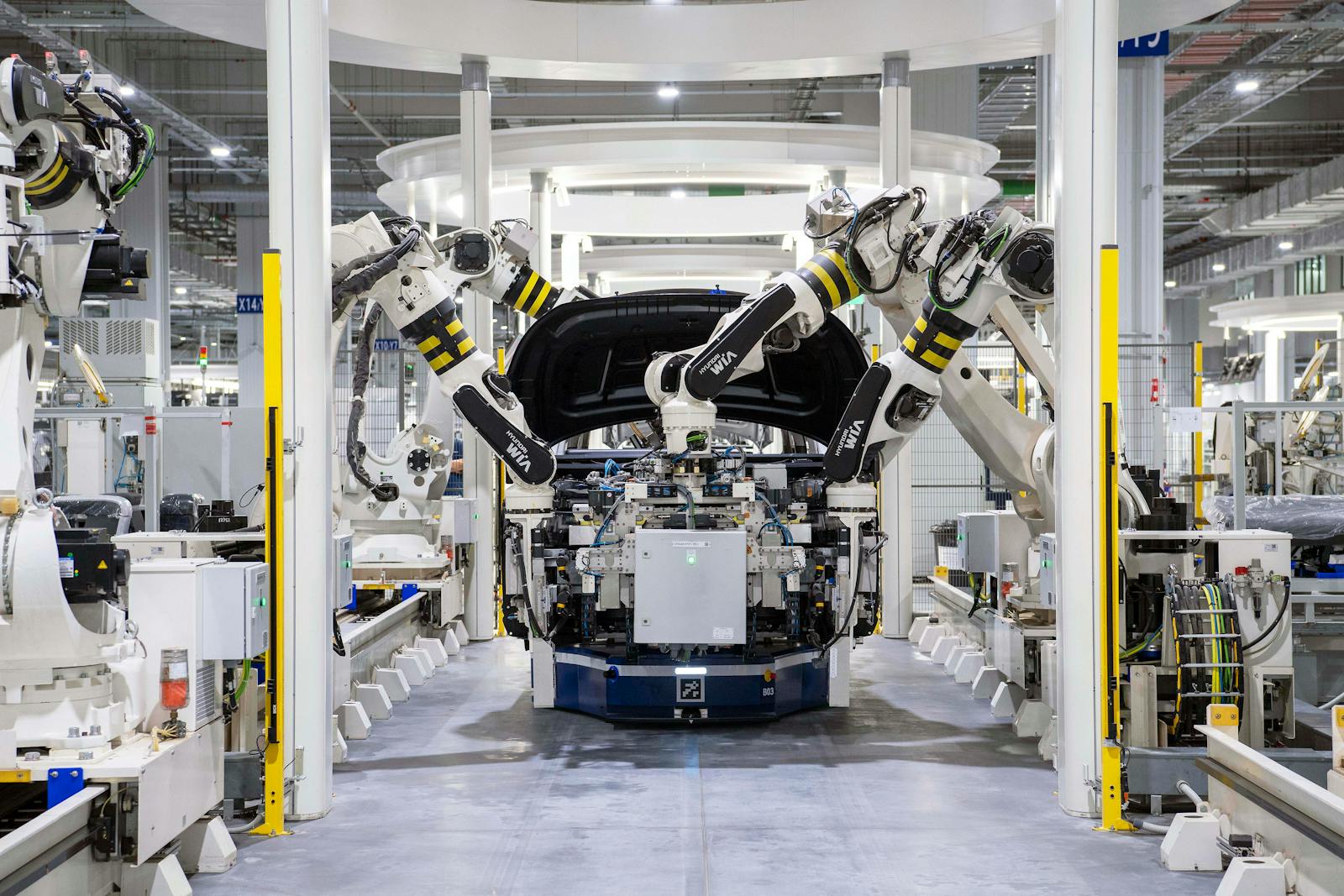
Japan is deploying AI-powered robots across factories, warehouses, and critical infrastructure at accelerating speed — driven not by a desire to cut costs, but by the stark reality that there are not enough workers to keep the country running, according to industry reports.
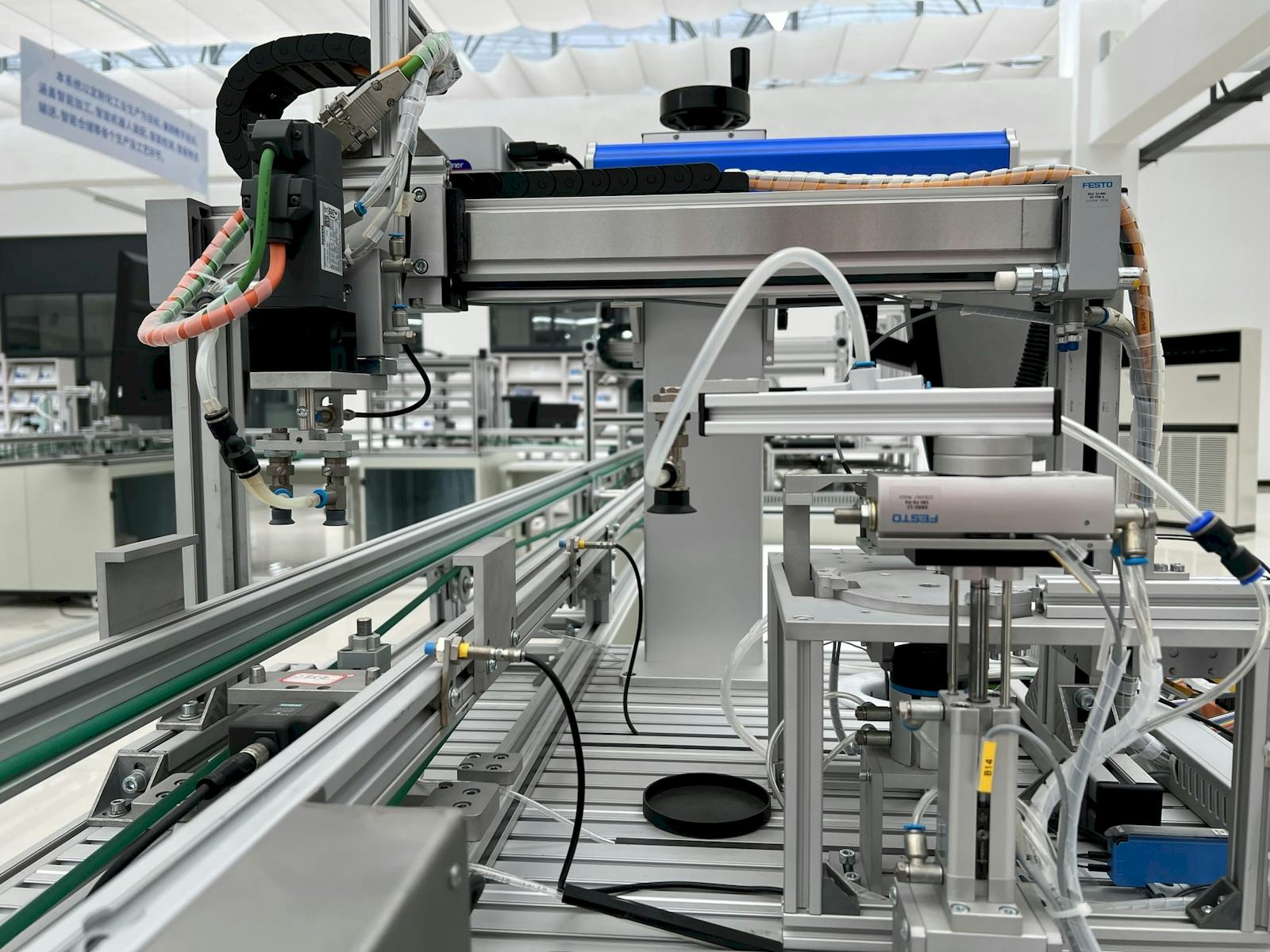 Photo by KJ Brix on Pexels
A demographic imperative, not an efficiency play
Japan’s population declined for a 14th straight year in 2024. The working-age population now makes up just 59.6% of the total and is projected to shrink significantly over the next two decades. A 2024 Reuters/Nikkei survey found that labor shortages are the primary force pushing Japanese firms to adopt AI.
The framing matters. In the U.S. and Europe, robotics and AI automation are typically discussed as threats to existing jobs. In Japan, the structural logic runs in the opposite direction: physical AI is filling roles that have no humans available to perform them. The trucking and logistics sector faces a shortfall of roughly 340,000 drivers by 2030, according to industry estimates. Construction firms report they cannot fill nearly a third of skilled trade positions. Convenience store chains, nursing care facilities, and food processing plants — industries that collectively employ millions — are increasingly unable to staff night shifts and manual-handling roles at any wage. This isn’t a question of optimization. It’s institutional survival.
$6.3 billion and a 30% market target
Japan’s Ministry of Economy, Trade and Industry said in March 2026 it aims to capture 30% of the global physical AI market by 2040, building on a foundation where Japanese manufacturers already accounted for roughly 70% of the global industrial robotics market in 2022. The government has committed approximately $6.3 billion to strengthen core AI capabilities, advance robotics integration, and support industrial deployment.
The pace of adoption underscores the urgency. In 2020, fewer than 15% of Japanese factories deployed any form of AI-augmented robotics beyond basic programmed arms. By 2025, that figure had crossed 40% among large manufacturers, with midsize firms accelerating fastest. Fanuc, the world’s largest maker of industrial robots, reported that orders for AI-enabled systems now account for the majority of its domestic shipments. Daifuku, the global leader in material-handling systems, has rolled out AI-driven warehouse orchestration across logistics hubs for major retailers and e-commerce operators. Meanwhile, Kawada Robotics has deployed its Nextage humanoid workers in electronics assembly lines where the dexterity requirements made traditional automation impractical.
Hardware moat, software gap
Japan’s competitive advantage sits in the physical building blocks — actuators, sensors, and precision control systems. Firms like Harmonic Drive Systems dominate the global market for strain-wave gearing used in robotic joints. Keyence’s machine-vision sensors are embedded in production lines worldwide. Yaskawa Electric’s servo motors and motion controllers remain industry benchmarks. Whether that translates into the AI era depends on the country’s ability to close a significant software gap.
The gap is specific and consequential. Japan lacks homegrown large-scale foundation models for robotics — the generalized AI systems that allow robots to perceive novel environments, reason about unstructured tasks, and learn from limited demonstrations. In the U.S., NVIDIA’s Isaac platform and Google DeepMind’s RT-2 vision-language-action models are enabling robots to generalize across tasks they were never explicitly programmed for. OpenAI has invested in physical AI through partnerships with 1X Technologies and Figure AI, building humanoid systems trained on massive multimodal datasets. In China, UBTECH’s Walker S humanoid is already deployed in EV factories, while Unitree Robotics ships agile quadrupeds with increasingly capable onboard AI — all built on top of domestically developed foundation models and trained on vast proprietary data. The U.S. and China are moving faster on full-stack integrated systems that combine hardware, software, and data into unified platforms where the AI layer and the physical layer co-evolve.
Japan’s challenge is that its hardware moat — decades of deeply specialized control technologies, high failure-cost engineering, and precision manufacturing expertise — risks becoming a commodity layer beneath AI orchestration platforms built elsewhere. In robotics and physical AI, a deep understanding of hardware’s physical characteristics is critical. But without sovereign capability in the foundation-model layer, Japan could find itself supplying the bones of a system whose brain is designed in San Francisco or Shenzhen.
A hybrid model takes shape
Rather than a winner-take-all dynamic, Japan’s physical AI ecosystem is evolving through partnerships between incumbents — Toyota, Mitsubishi Electric, Honda — and startups building orchestration software, perception systems, and workflow automation. Toyota’s Woven by Toyota subsidiary is developing AI-driven logistics and mobility platforms. Honda’s Asimo-successor program has pivoted from showcase humanoid to practical manipulation research. Mitsubishi Electric’s MAISART AI platform is being embedded across factory automation lines. Companies like Mujin are developing platforms that sit above hardware, enabling multi-vendor automation and faster cross-industry deployment. Preferred Networks, one of Japan’s most valuable AI startups, has moved aggressively into robotics with autonomous cleaning and material-handling systems now operating commercially.
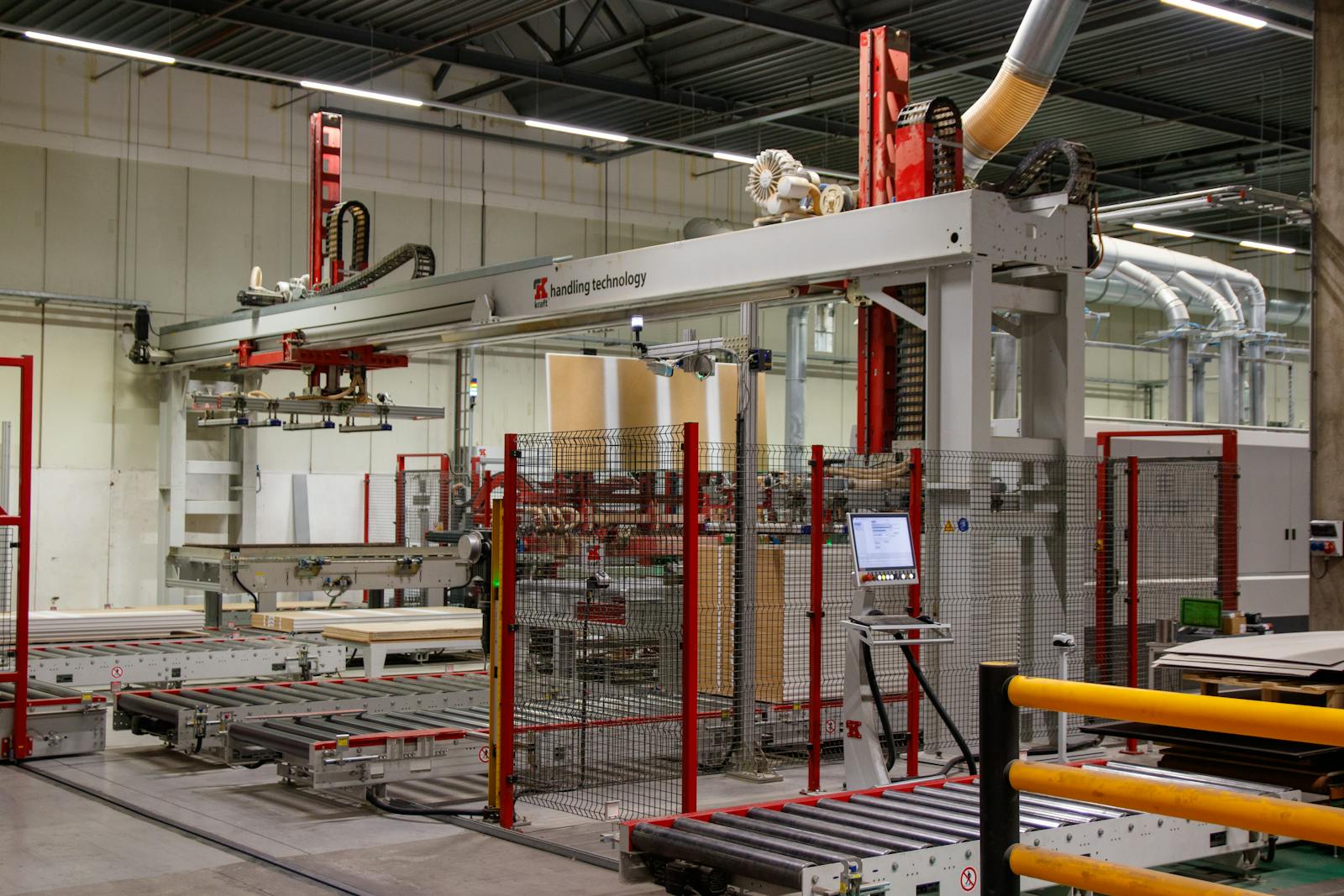 Photo by Freek Wolsink on Pexels
The structural lesson extends beyond Japan. Dozens of countries face similar demographic trajectories — South Korea, Italy, Germany, and China among them. Japan’s approach offers a preview of how governments may reframe automation policy: not as displacement, but as institutional survival. The $6.3 billion bet is that the country that masters physical AI first will export solutions to every aging economy that follows.
Feature image by Hyundai Motor Group on Pexels
AloJapan.com