
The Buzz
■
Japan is deploying physical AI robots into real-world jobs to address critical labor shortages, moving beyond pilot programs according to TechCrunch
■
Major investors including Salesforce Ventures, Toyota’s Woven Capital, and Global Brain are backing Japanese robotics startups
■
The shift represents a pragmatic approach to AI automation-robots filling unwanted positions rather than displacing existing workers
■
Japan’s demographic crisis is accelerating physical AI adoption faster than regulatory-heavy Western markets
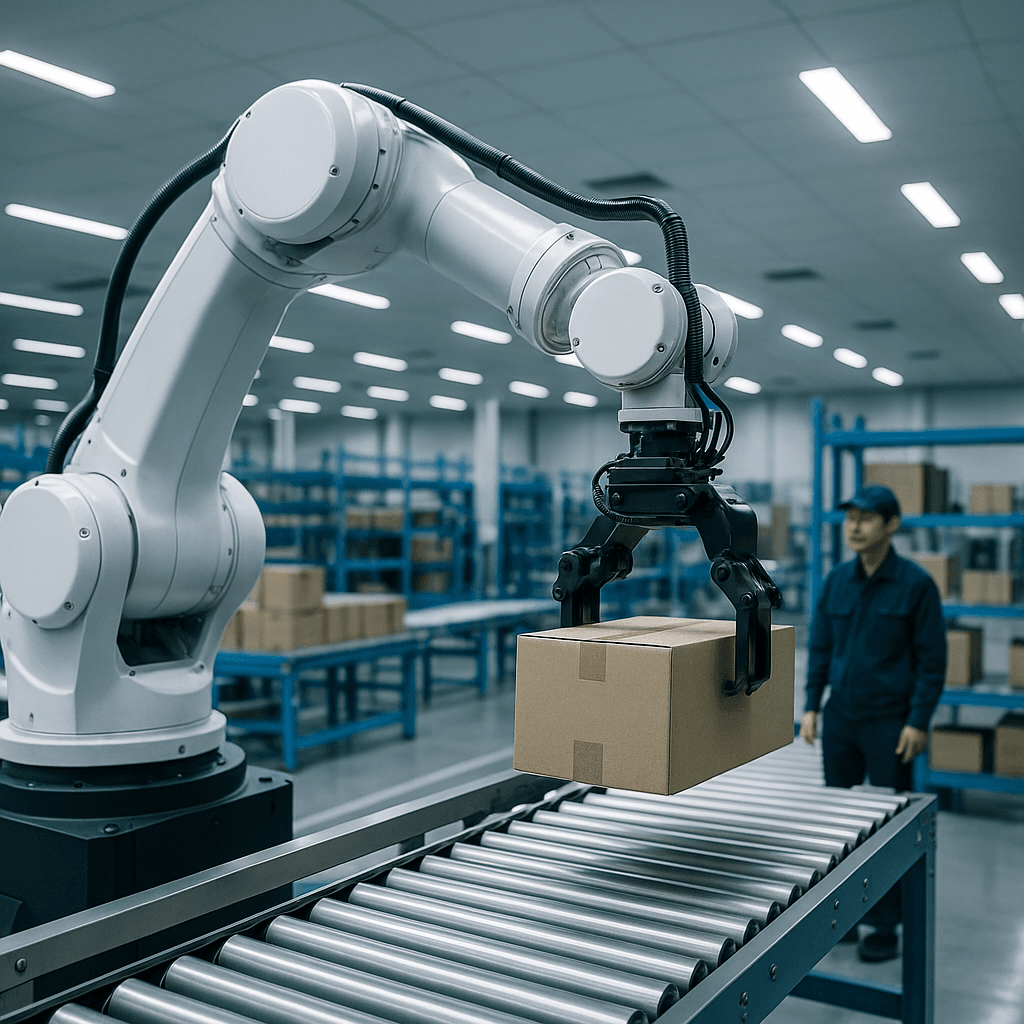
Japan isn’t waiting for physical AI to get perfect-it’s putting robots to work right now. Facing one of the world’s most severe labor shortages, the country is accelerating deployment of physical AI systems from experimental pilots into actual warehouses, factories, and service roles. With backing from Salesforce Ventures, Woven Capital, and Global Brain, Japanese startups are proving that robots don’t need to replace workers-they just need to fill the jobs nobody wants.
Japan’s demographic time bomb is doing what years of robotics research couldn’t-forcing physical AI out of the lab and into the real world. With a rapidly aging population and birth rates hitting historic lows, the country faces a worker shortage so acute that businesses are deploying robots not because they’re cutting-edge, but because there’s literally nobody else to do the job.
The shift is attracting serious enterprise money. Salesforce Ventures is betting on Japanese physical AI startups, joined by Woven Capital, Toyota’s venture arm, and local heavyweight Global Brain. These aren’t speculative moonshot investments-they’re backing companies deploying robots into warehouses, manufacturing lines, and service positions today.
What makes Japan’s approach different is the absence of worker displacement anxiety that’s stalling automation in Western markets. When you can’t find humans to fill shifts, robots become collaborators rather than competitors. A warehouse manager in Osaka doesn’t worry about replacing staff with autonomous systems-she worries about keeping the facility running with half the workers she needs.
This pragmatic necessity is creating a real-world testing ground that Silicon Valley can only simulate. Japanese robotics companies are learning what works when physical AI meets messy human environments-unpredictable warehouse layouts, variable product packaging, and the constant adaptation required in actual operations. The feedback loop is accelerating development faster than any research lab could manage.
AloJapan.com