
TOKYO – Resource-poor Japan is facing mounting pressure due to the recent tensions in the Middle East, shifting power balances among major nations and the need to strengthen its own defense capabilities.
Japan should leverage its traditionally friendly ties with Iran if the energy crisis worsens amid the U.S.-Israeli war with Iran, Tsuneo Watanabe, a senior fellow at the Sasakawa Peace Foundation, said in a recent interview with Kyodo News.
Iran has effectively blocked the Strait of Hormuz, a vital shipping route linking the Persian Gulf with global markets. Japan imports more than 90 percent of its crude oil from the Middle East, most of which passes through the strait.
In a televised address from the White House on Wednesday, President Donald Trump again expressed frustration with allies over their unwillingness to support the U.S. war effort, saying they should “go to the strait and just take it, protect it, use it for yourselves.” Earlier this week, he said in a social media post to “go get your own oil.”
For the safe passage of Japanese vessels, Watanabe said, “Japan may have no choice but to hold direct talks with Iran if the Strait of Hormuz remains closed for an extended period and oil reserves are depleted.”
In such a scenario, Japan would need to protect its national interests without relying on the United States, the expert on Japanese and U.S. diplomatic affairs said, noting that Tokyo has neither supported the U.S. military campaign against Iran nor taken positions that would damage its relations with Tehran.
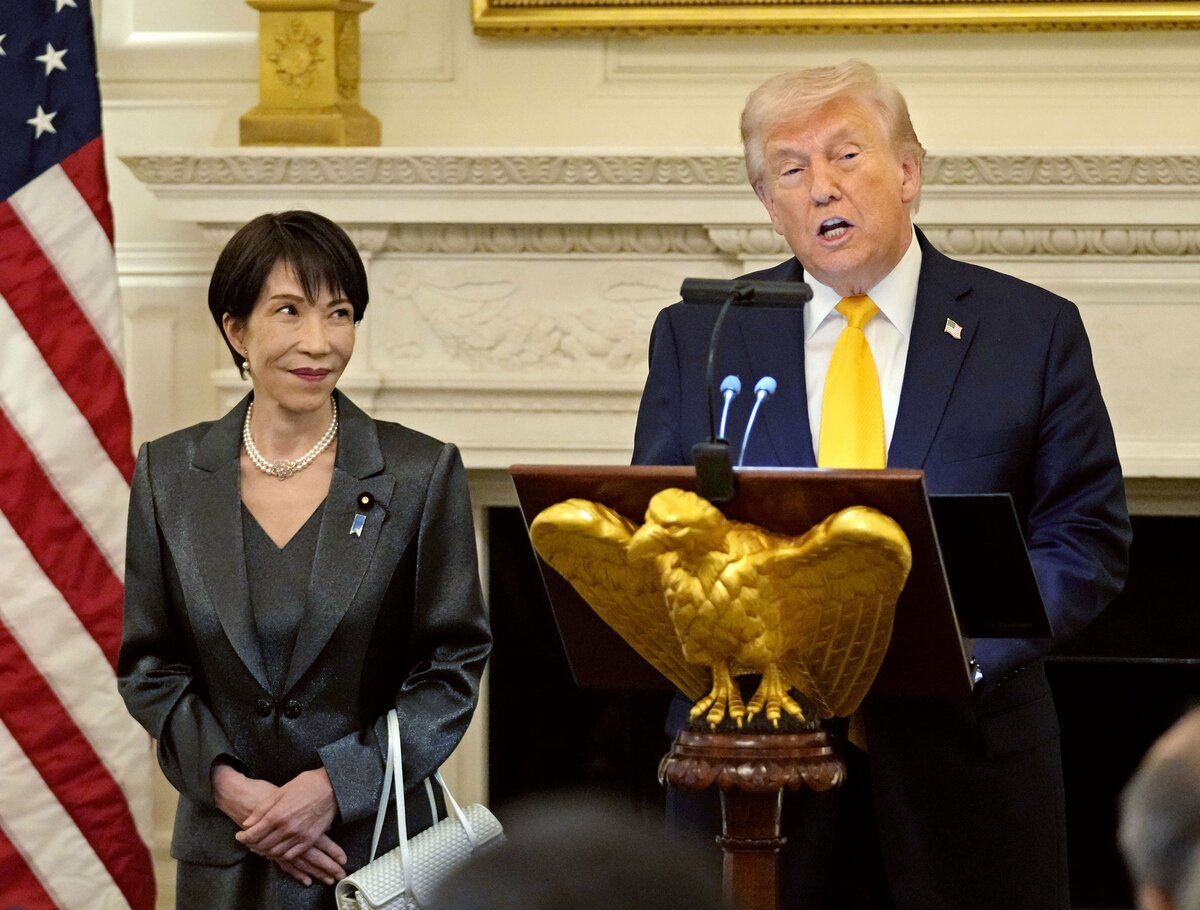
On Monday, Japanese Prime Minister Sanae Takaichi said she will consider holding talks with the Iranian leadership at an “appropriate” time based on Japan’s “national interest from a comprehensive standpoint.”
Japan began tapping its strategic oil reserves in mid-March, equivalent to about 50 days’ worth of domestic consumption in total combining private- and state-held oil. A government source said this week Japan is mulling an additional release in May.
While Washington maintains close ties with Middle Eastern partners like Saudi Arabia and Qatar, Tokyo has diplomatic relations with various parties that could fill the gaps in the Trump administration’s approach.
After the United States and Israel launched major strikes on Iran on Feb. 28, Japanese Foreign Minister Toshimitsu Motegi held telephone talks with his counterparts in the region, including those of Iran and Israel.
Iranian Foreign Minister Abbas Araghchi was ambassador to Japan from 2008 to 2011.
The conflict has pushed oil prices higher, adding pressure on the U.S. economy ahead of midterm elections in November.
“At some point, Trump may criticize Japan for being too close to Iran, but maintaining channels with Tehran may help prevent the worst possible economic outcome for both the United States and Japan,” Watanabe said.
Domestic pressures in the United States, Israel and Iran, including public frustration over rising gasoline prices, could encourage efforts to end the war, Watanabe added.
He suggested that Japan could help the Trump administration achieve a “soft landing” by making use of its relations with Middle East nations, including Iran, which he calls “diplomatic assets.”
Japan’s alliance with the United States remains the cornerstone of its security policy, but Tokyo is also strengthening security cooperation with fellow “middle powers” such as South Korea, Australia, Canada and members of the European Union.
Meanwhile, Japan’s relations with China have deteriorated to their lowest level in years after Takaichi said last November that an attack on Taiwan could prompt a response by Japan’s Self-Defense Forces, drawing a strong reaction from Beijing.
China claims the self-ruled island as a renegade province to be reunified with the mainland, by force if necessary, and deems the Taiwan issue an internal matter.
“Japan faces pressure from China’s economic coercion, but the impact has not been devastating,” Watanabe said. “China’s economy is also struggling, and Beijing understands there would also be negative consequences if business ties with Japan were significantly reduced.”
Watanabe has called for strengthening Japan’s self-defense capabilities, saying this is essential in managing relations with both China and the United States.
“Japan should not rely too heavily on the United States for security or on China economically,” he added. “Its strategic challenge is to adjust policies while maintaining a cautious stance toward those two. Europe has already moved in that direction.”
AloJapan.com