
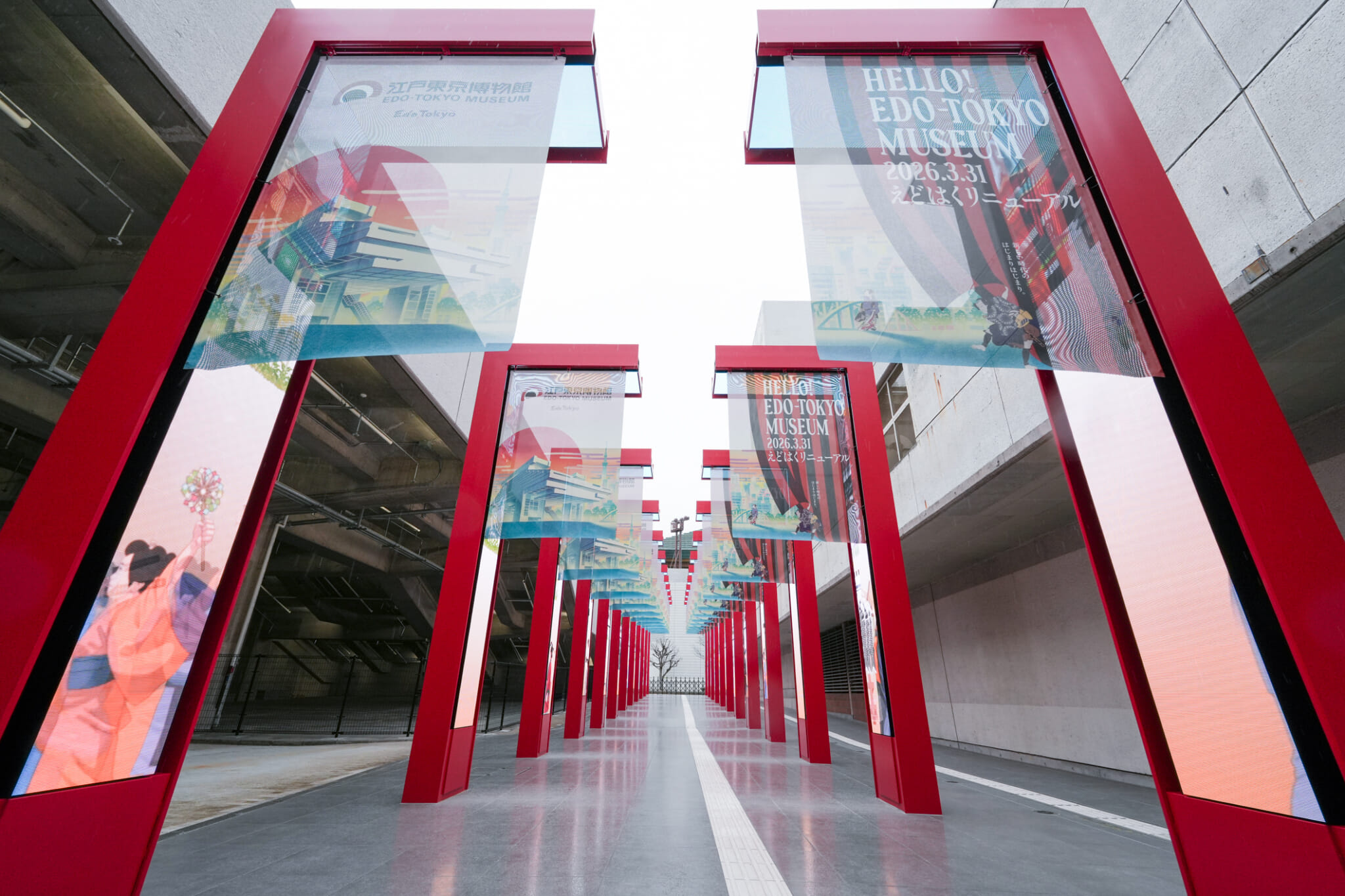
Stepping back in time now comes with a more modern feel. The Tokyo Metropolitan Edo-Tokyo Museum in Ryogoku reopens on March 31, 2026, after nearly four years of renovations, featuring more interactive exhibits and immersive storytelling. We got a sneak preview ahead of the official launch.
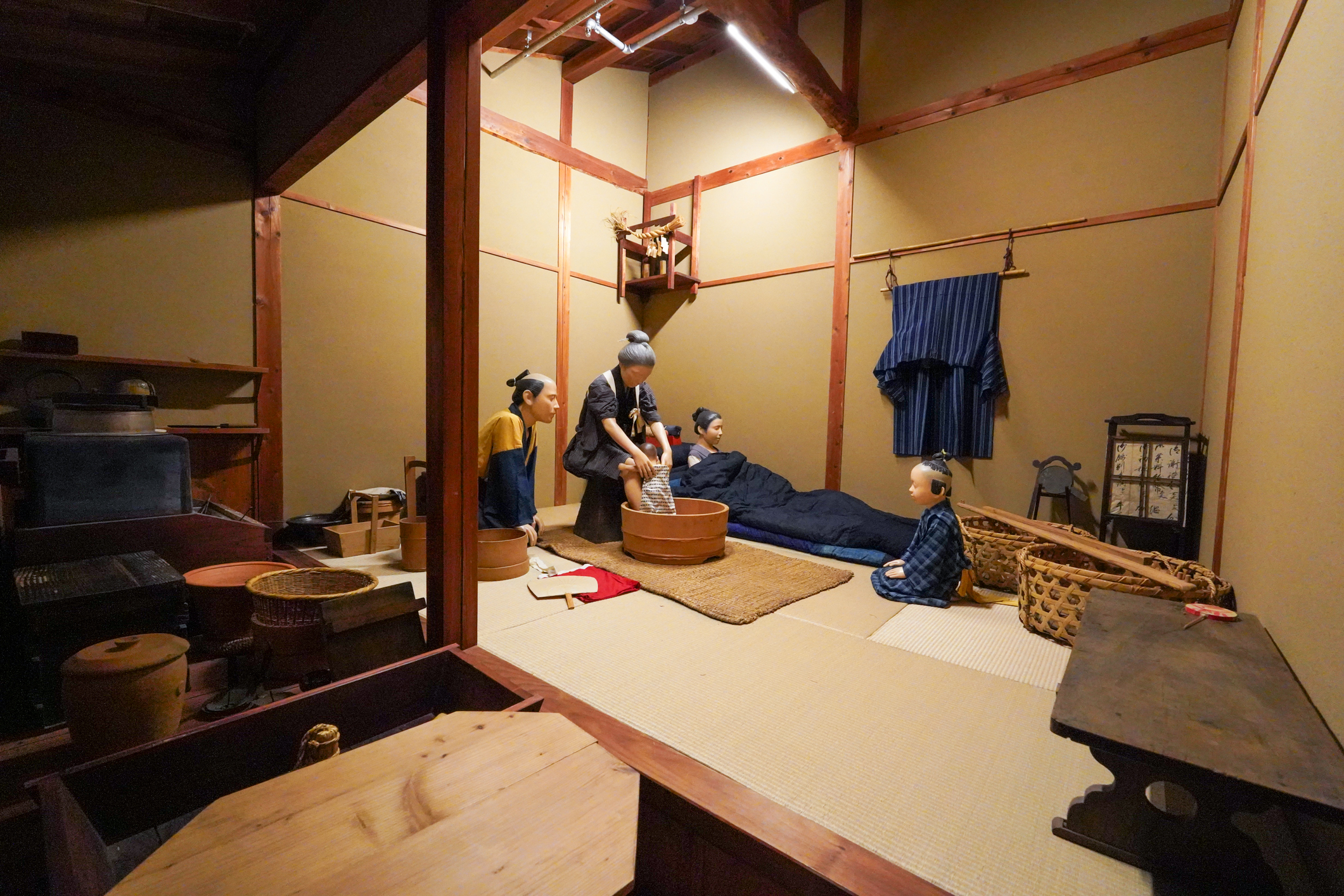
Like a time machine for Tokyo, the museum is most well known for its recreations of Edo streets and buildings. Following the renovations, the Edo streetscape has expanded with new stall displays, including an asagao (morning glory) seller and a tempura stand. Screens have also been installed near the ceiling to project imagery inspired by the skies of Edo and Tokyo.
What’s New at the Edo-Tokyo Museum
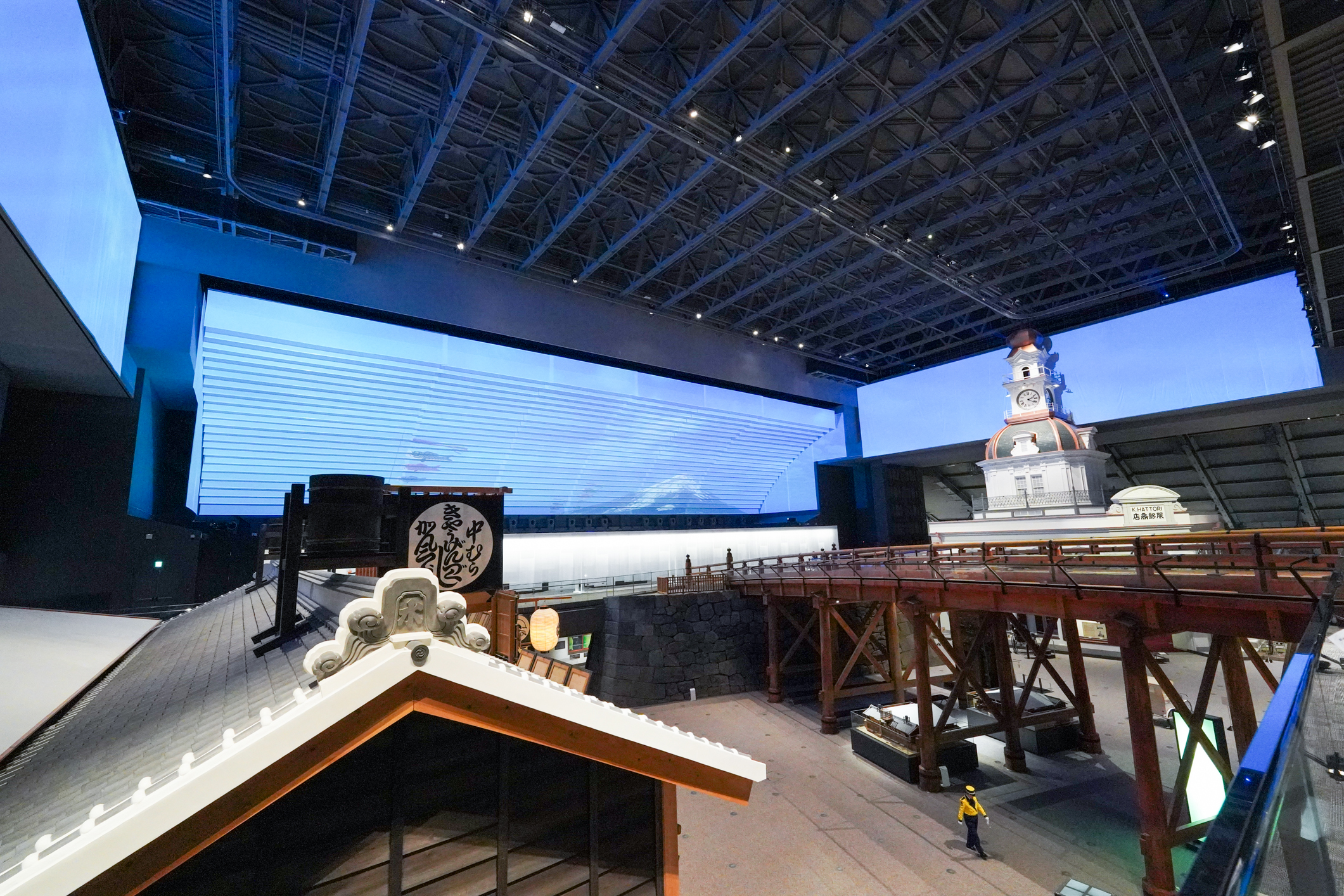
The Hattori Clock Shop
One of the biggest changes is the transformation of the Choya Newspaper Publishing Co. Building into the Hattori Clock Shop. The life-size reconstruction reflects a historical event from 1894, when Kintaro Hattori, founder of what is now Seiko Holdings Corporation, purchased the office building and expanded it to include the first Hattori Clock Tower.
Towering 26 meters toward the ceiling, the model emphasizes the ambition and precision of Hattori’s project. Once a landmark of Meiji-era Ginza, the reconstruction now stands as one of the museum’s defining symbols, connecting visitors directly with Tokyo’s architectural and commercial history.

The Nakamura-Za Theater
Another centerpiece of the museum is the Nakamura-Za Theater, which has also been enhanced. Following visitor feedback, interior walkways have been installed within the full-scale model, providing visitors with the opportunity to step inside and experience the atmosphere of a traditional Edo-era playhouse.
Founded in 1624 by Nakamura Kanzaburo I, the theater was considered the most prestigious playhouse during that period. As well as Kabuki, it hosted other diverse performances such as storytelling and acrobatics. It was heavily damaged several times by fires before eventually closing in 1893.
Updated Large-Scale Models
The Asakusa Hanayashiki Gate, the entrance to Japan’s oldest amusement park founded in 1853, has been updated as a walk-through exhibit, while the Dojunkai Daikanyama Apartments, which were part of a pivotal post-disaster reconstruction project, have been restored to their early Showa-era appearance.
The layout of the museum has also been updated, making it easier to understand the city’s transformation from Edo to Tokyo. Beginning with the founding of Edo, the exhibition takes on a journey through key moments in the city’s history, such as the Industrial Revolution and the 1923 Great Kanto earthquake, leading to the modern day, including items related to the 2020 Tokyo Olympics.
The Beauty of Edo
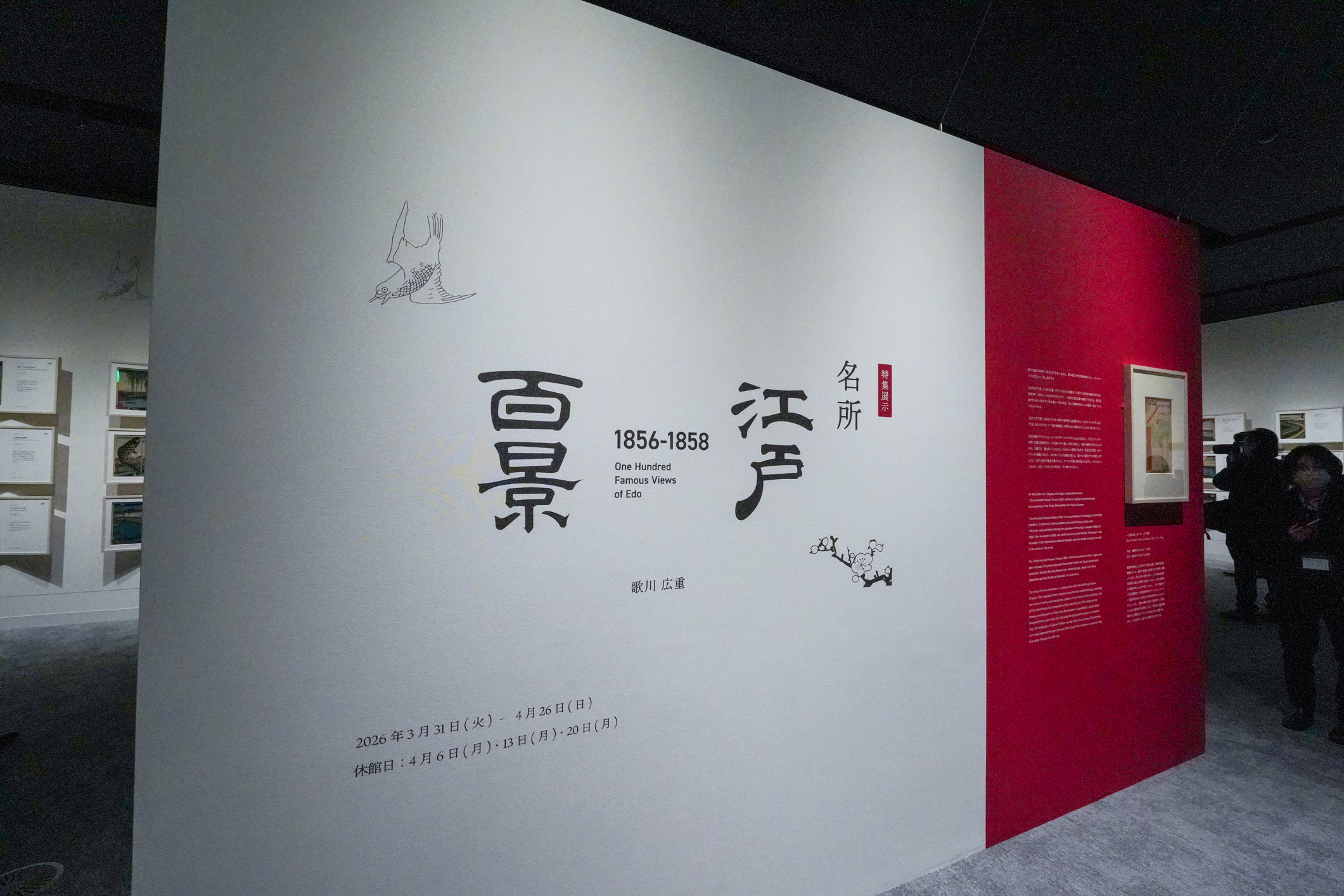
As well as permanent exhibitions, visitors can also enjoy temporary galleries in the “Edo no Bi” (The Beauty of Edo) section. In the first month following the reopening, the complete collection of Utagawa Hiroshige’s One Hundred Famous Views of Edo will be displayed in specially designed frames inspired by the form of a bound booklet.
Considered one of Japan’s greatest ukiyo-e artists, Hiroshige was also known for his series, The Fifty-Three Stations of the Tokaido. His Hundred Famous Views of Edo collection was first published in serialized form in 1856. It was completed by Hiroshige II after Hiroshige’s death.
Major Upgrades
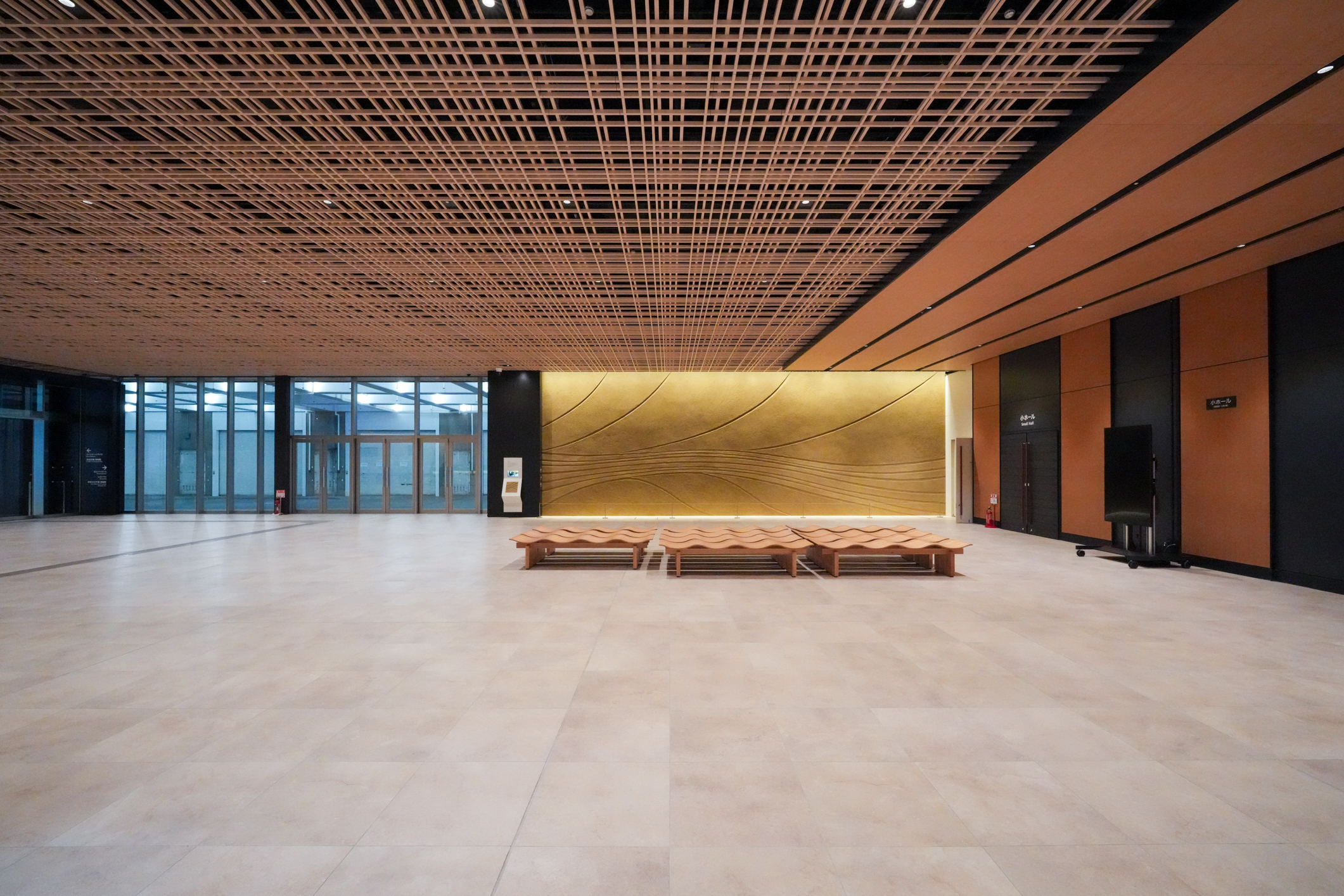
Several other major upgrades have taken place, including improved roof insulation and waterproofing, and the modernization of climate control systems. Barrier-free restrooms have been installed next to the first-floor ticket counter and walls in the entrance hall have been removed to create a more open, spacious layout.
Moving with the times, the museum now offers audio guides in 13 languages that visitors can access by scanning a QR code using their smartphone or other devices rather than the rented devices that were previously provided. Additionally, the museum has introduced tactile models, explanatory videos and pictograms.
Classic Edomae Flavors
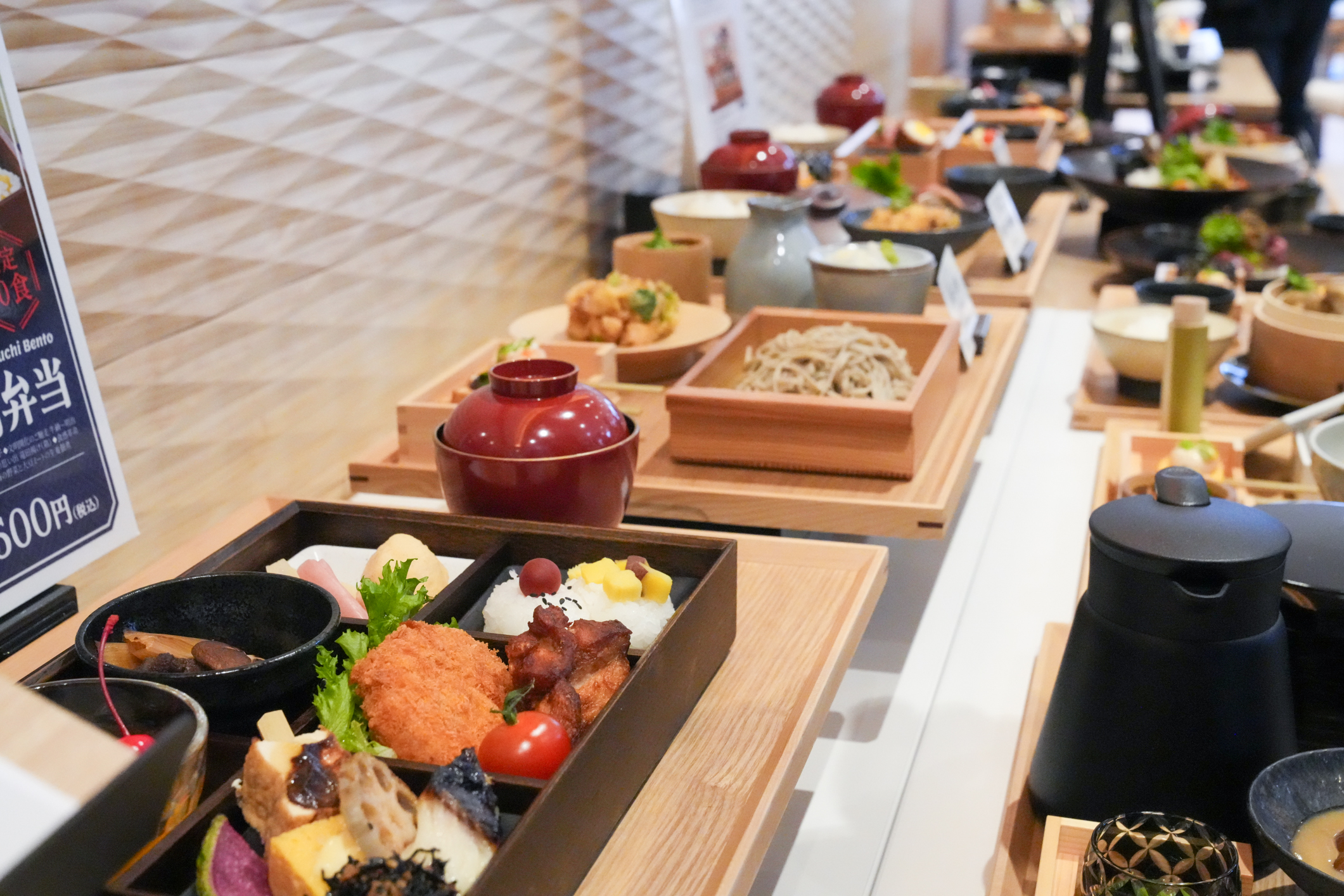
Debuting as part of the museum’s reopening is Japanese Dining Koyomi, a contemporary restaurant spread over two floors. The menu mainly focuses on classic Edomae flavors that spread from Tokyo, including soba, tempura and sushi, though it also features Western dishes.
The Tokyo Edo Yoridori set, featuring beef steak, a scotch egg, sea bream and much more, is highly recommended. Those looking for something lighter, such as Japanese sweets and matcha desserts, can head next door to Ippuku Cafe. The museum shop, Dig Tokyo, is also located nearby.
About the Edo-Tokyo Museum
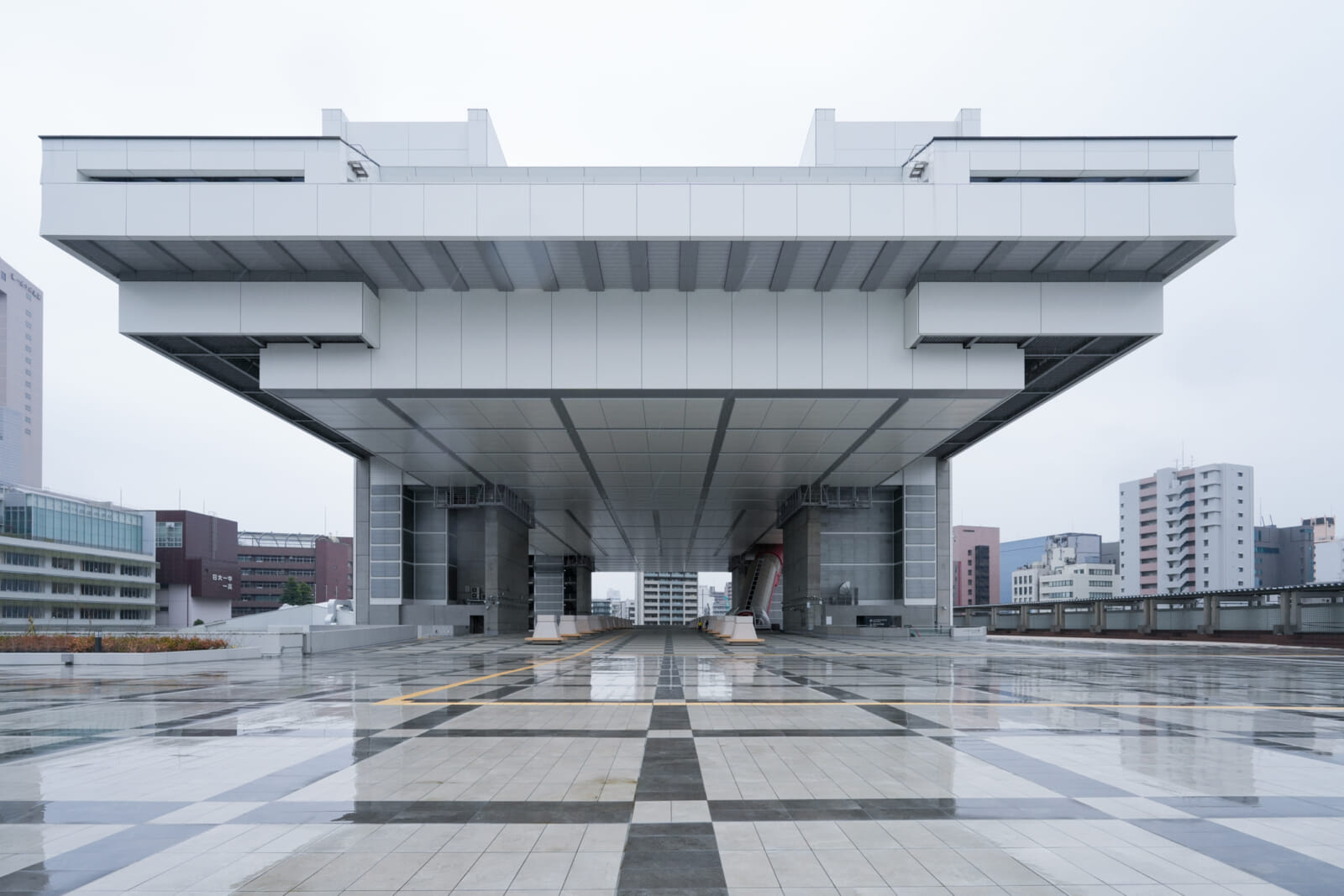
Opened in 1993, the Edo-Tokyo Museum has approximately 9,000 square meters of permanent exhibition space spread over the fifth and sixth floors of the building. The galleries are organized into two main sections: the Edo Zone and the Tokyo Zone. A large-scale reconstruction of Nihonbashi Bridge serves as the central dividing point.
The museum comprises more than 350,000 items, documenting Tokyo’s history from the Edo period to the present. It relies heavily on collecting, restoring and preserving materials from the public, with 84% of its new acquisitions in fiscal 2024 coming from donations.
Related Posts
Discover Tokyo, Every Week
Get the city’s best stories, under-the-radar spots and exclusive invites delivered straight to your inbox.
Updated On March 29, 2026
AloJapan.com