
In addition to being Japan’s tallest and most famous mountain, Mount Fuji is also considered a symbol of prosperity and good fortune. That means that a lot of people will be wanting to get a peek at it in the weeks to come, and so Japanese travel portal Jalan has a handful of recommendations of where to find great views of Mount Fuji without having to go all the way to the mountain itself (which is closed to hikers until the summer anyway).
Let’s take a look at some of the best of the bunch.
● Mount Takao (Tokyo)
Website
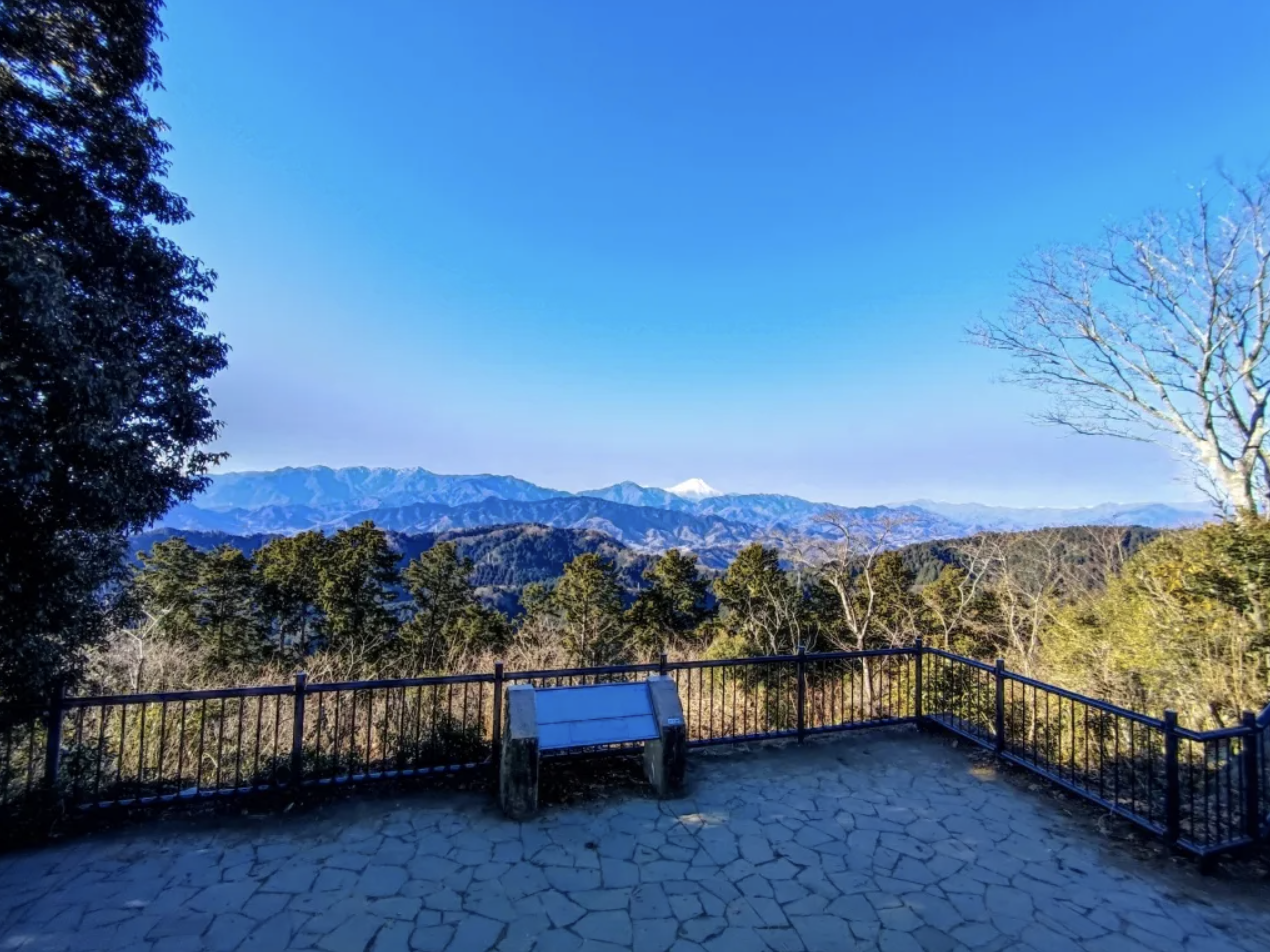
Starting off with an extremely easy one for Tokyoites (and Tokyo travelers) to access, we’ve got the summit of Mount Takao, located in west Tokyo and just one hour away from the city center by train. With its summit at an altitude of 599 meters, you can walk to the top of Mount Takao in around an hour and a half, with the easiest trails fun for even novice hikers, or you can take a cable car that’ll save you almost all of those steps and keep you on paved paths the whole way. However you make it there, the plaza at the top offers a beautiful line of sight to MountFuji.
● Mount Kintoki (Kanagawa Prefecture)
Website
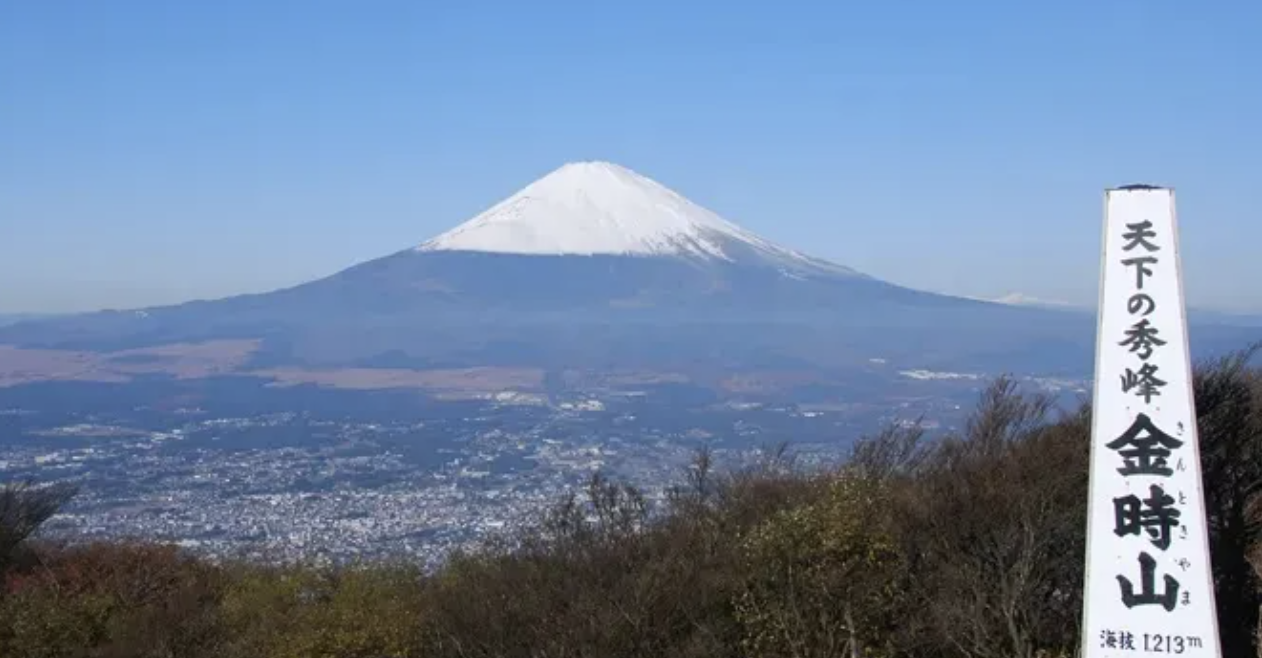
Another hike suitable for beginners, Mount Kintoki is the Kanagawa town of Hakone, and takes about two hours to summit. In addition to Mount Fuji, you’ll also get to take in the sight of Lake Ashinoko and the steam seeping out of the Owakudani gorge, and even if the hike does have your legs feeling a little sore, a soak in some of Hakone’s famous hot spring baths should have them feeling great again in no time.
● Asagiri Kogen (Shizuoka Prefecture)
Website

As you might expect, the Shizuoka town of Fujinomiya, meaning “Fuji shrine,” has some pretty great views of Mount Fuji, and a lot of them are in the Asagiri Kogen/Asagiri Highlands area. Outdoor activities here include cycling and camping, and there are also farms and dairies that sightseers can visit, which means, of course, that there’s also Asagiri Kogen ice cream to enjoy while you gaze at Mount Fuji.
● Shiraito Falls (Shizuoka Prefecture)
Website
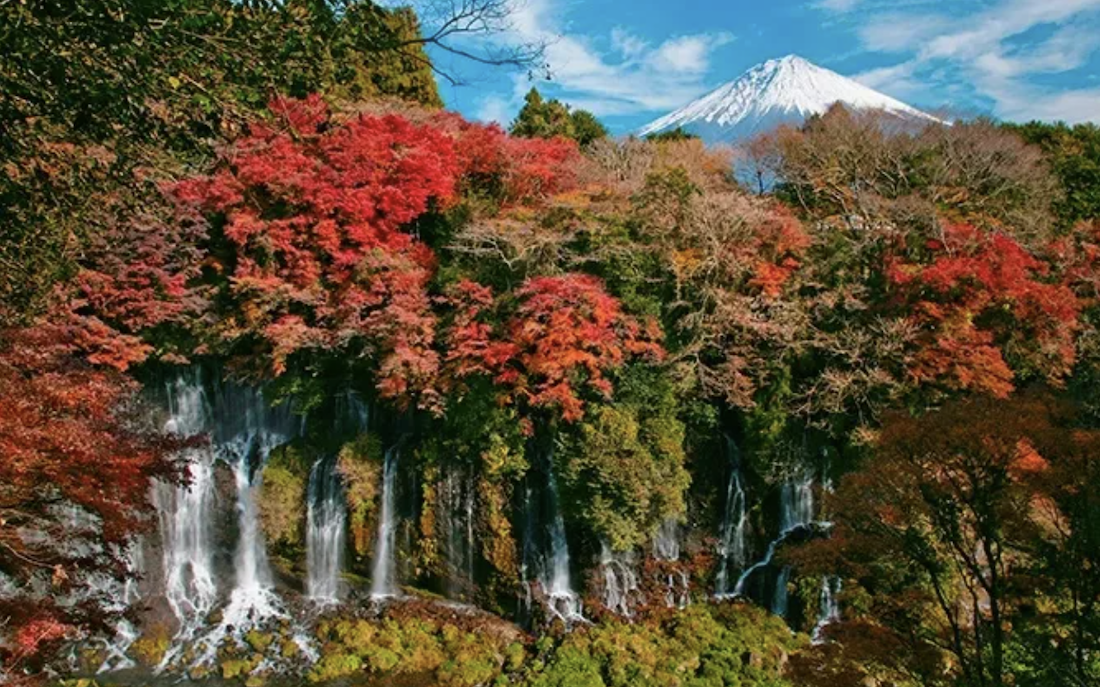
Also in Fujinomiya are the Shiraito Falls. Shiraito means “white threads,” and refers to the dozens of waterfalls that cascade down the cliffsides here, looking like so many strands of silk. The tallest waterfalls are 20 meters high and the widest 150 meters across, and rising into the sky on the far side of the forest behind them is Mount Fuji, which almost, but not quite, gets upstaged by all the beauty in front of it.
● Mishima Skywalk (Shizuoka Prefecture)
Website
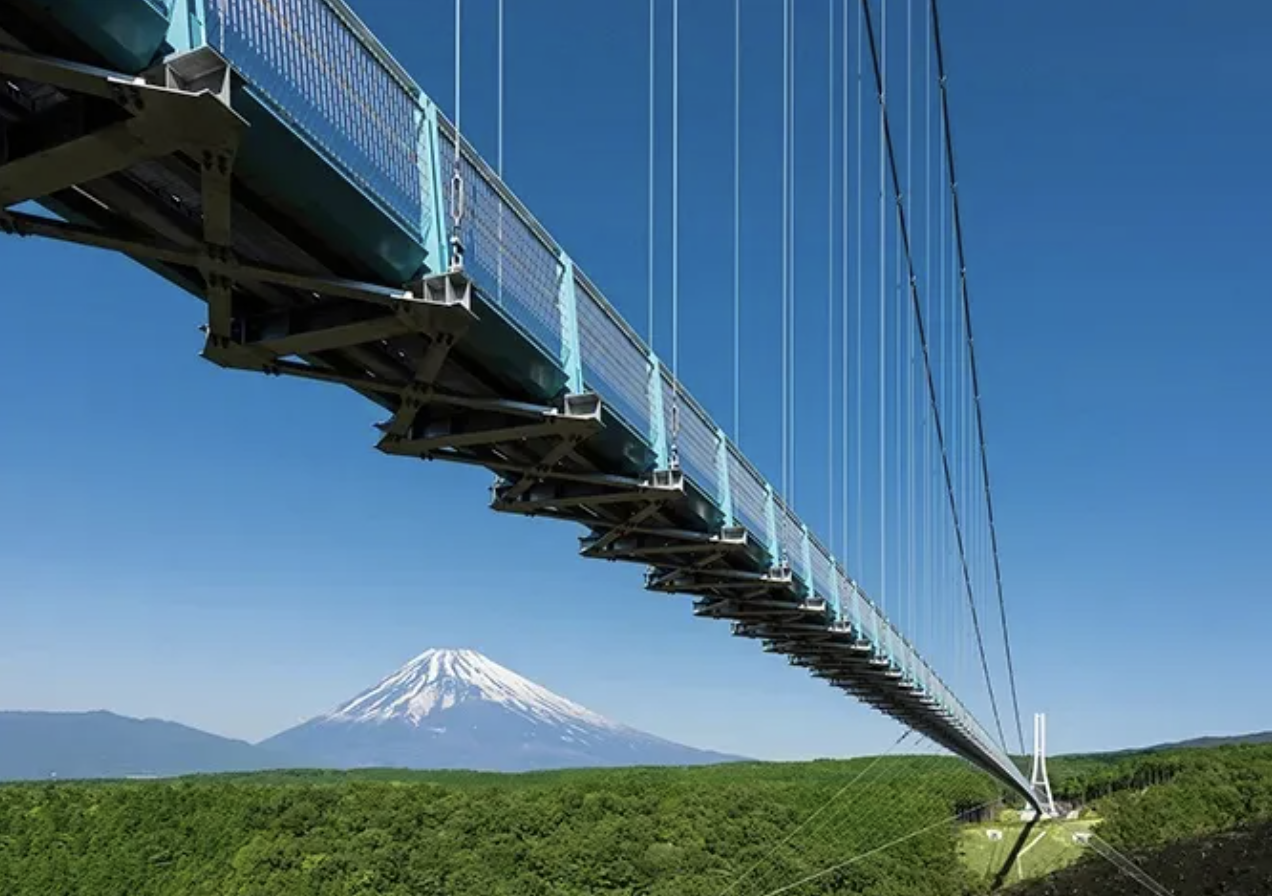
We’ve been talking about a lot of hiking trials today, but the Mishima Skywalk, in the city of Mishima, lets you get high off the ground without taking a single uphill step. This sightseeing and leisure spot has restaurants, ziplines, and obstacle courses, but the highlight is the 400-meter-long pedestrian suspension bridge from where you can see all the way to Mount Fuji, with the view at sunset especially dramatic.
● Mount Kumotori (Tokyo)
Website
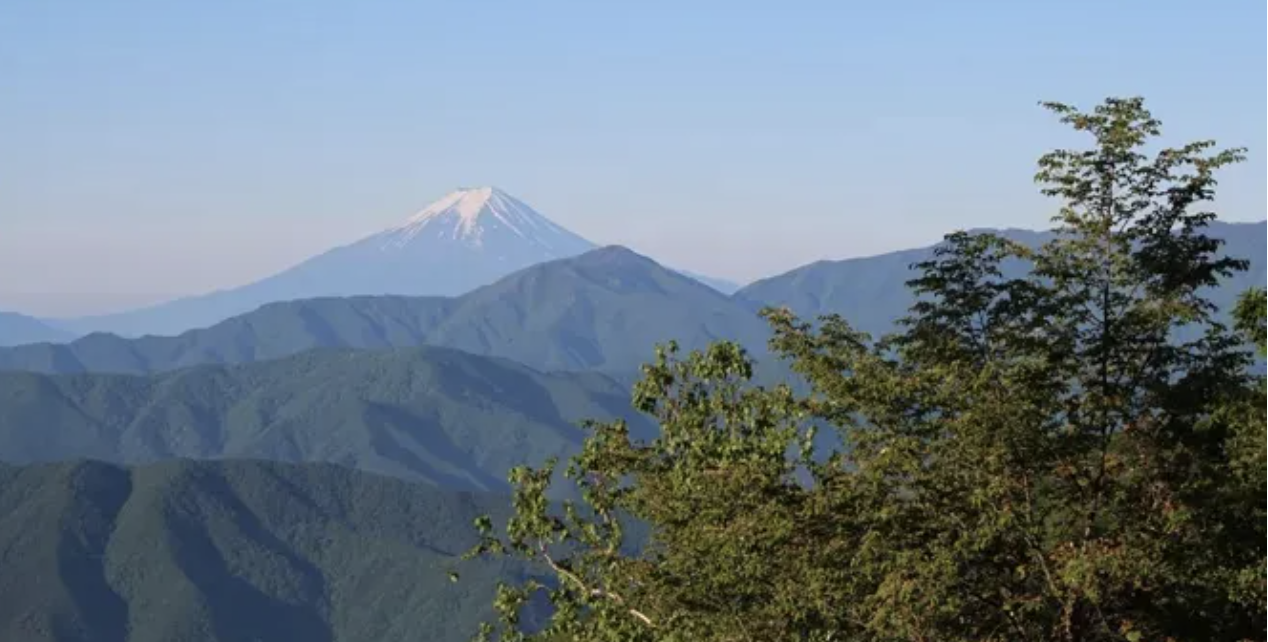
We do actually have one more mountain on our list, with Mount Kumotori, which actually straddles the borders of Tokyo and the neighboring prefectures of Saitama and Yamanashi in the Okutama region. This one is for the serious outdoors enthusiasts, as unlike the other trails we’ve discussed, roundtrip treks to the top of Mount Kumotori (which translates to “cloud grabber”) take 10 hours, but among the rewards for those who handle it are uncrowded vistas of the southern Japan Alps and Mount Fuji.
● Lake Tanuki (Shizuoka Prefecture)
Website
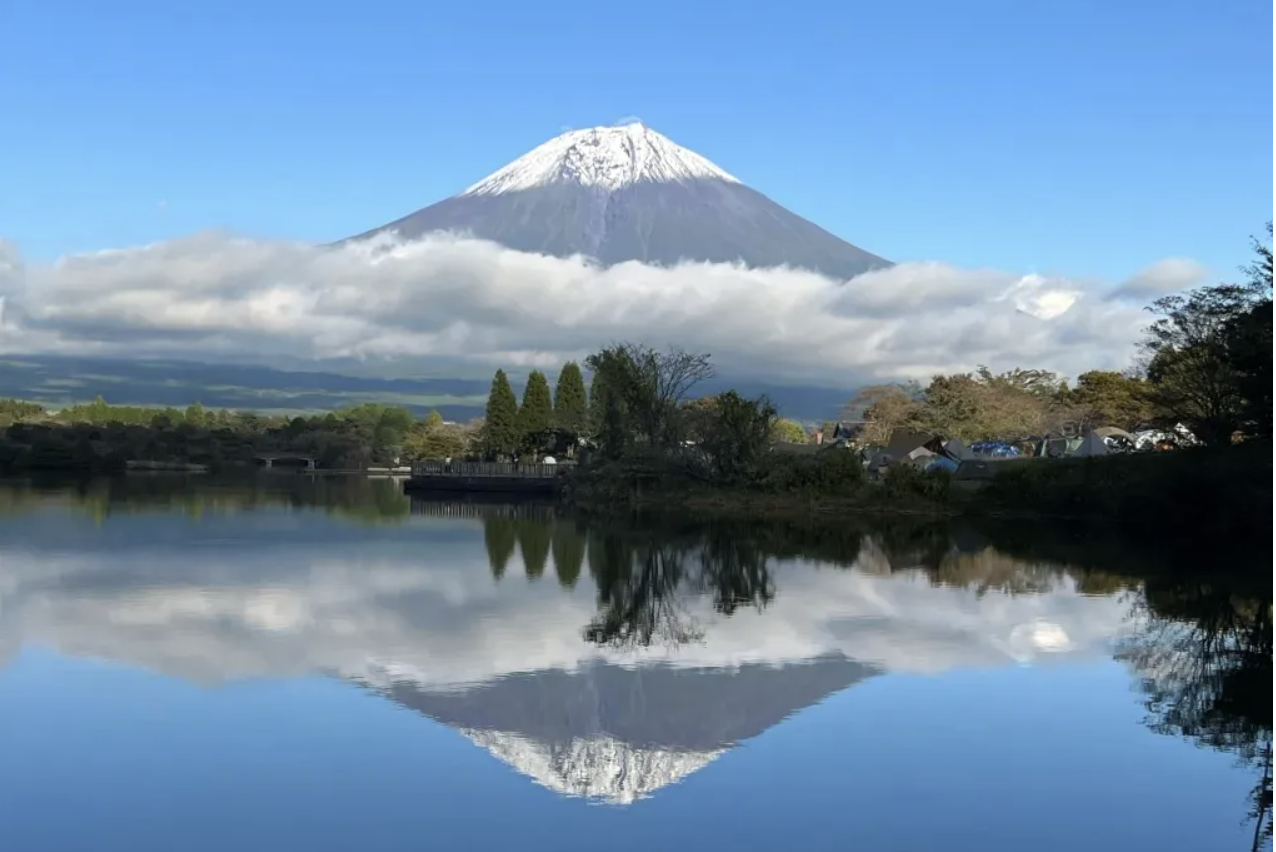
And last, we’re back in Fujinomiya to ask why settle for just one view of Mount Fuji when you can have two? There is, admittedly, probably some mild disappointment when you learn that Lake Tanuki’s name translates loosely to “crossing the field,” and has no relation to Japan’s adorable tanuki/raccoon dogs. This body of water more than makes up for that, though, by being situated such that Mount Fuji is reflected perfectly across its mirror like surface. A walking course loops around the lake and takes about 60 minutes to make the circuit of, at which point the clouds and color of the sky will have probably shifted enough to give you a new double-Fuji scene to enjoy.
Mount Fuji is a notoriously shy mountain, often hiding behind clouds and fog, so if you’ve got your heart set on seeing it, you’ll want to check the weather report and plan accordingly. Winter in Japan is usually the dry season though, with more clear, sunny days than other parts of the year, so we’ll be entering the peak time to see Japan’s most famous peak very soon.
Source: Jalan, PR Times
Images: PR Times
Read more stories from SoraNews24.
— Cost to climb Mt. Fuji doubles, some hikers may have to pass test before getting on trail
— We both do and do not recommend hiking to Tokyo’s beautiful mountain beer garden in midsummer
— All Mt. Fuji summit trails are now closed as hiking season ends
External Link
7 great places to see Mt. Fuji from without having to climb it
© SoraNews24
AloJapan.com