
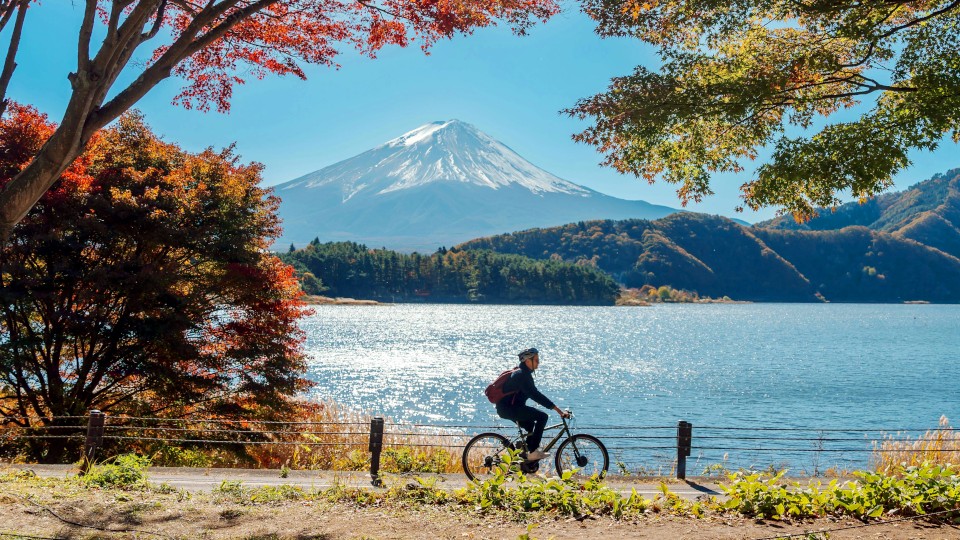
Dhaka: Six independent travel experts have unanimously named Japan as the best destination for solo travelers, citing the country’s safety, efficient public transportation network, and a dining culture uniquely accommodating to those exploring on their own.
The consensus emerged from conversations with travel professionals across various agencies and platforms, all of whom independently identified Japan as their top recommendation without prior coordination.
“Japan is one of the most rewarding places in the world to travel solo,” said Jessica Klauzenberg of Timbuktu Travel. “It is exceptionally safe, the country itself is immaculately organized and easy to travel in, and the people are thoughtful and sensitive to solo travelers. Solo travel in Japan is a liberating experience.”
Solo travel, by its nature, eliminates the need to compromise or coordinate with others, allowing a traveler to move entirely on their own terms. Japan, according to the experts, amplifies these advantages through infrastructure and cultural norms that naturally cater to the individual.
Getting around is nearly effortless
Navigation anxiety is one of the most common concerns for solo travelers. Japan’s public transportation network addresses it directly, with a system widely regarded as among the most reliable and intuitive in the world.
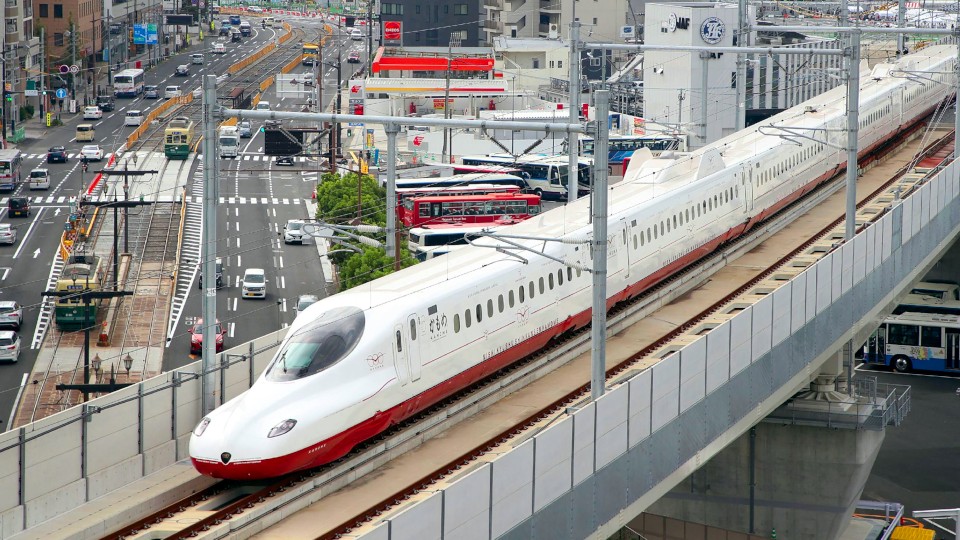
The Shinkansen, or bullet train, connects major cities across the country with remarkable speed and regularity. Bryce Collins of INTRO Travel noted that the network makes it entirely feasible to have breakfast in Tokyo and explore Kyoto’s temple gardens by lunchtime.
Collins also highlighted the overnight Sunrise Seto sleeper train, which operates between Tokyo and Takamatsu, as a particularly memorable alternative to daytime travel. “You get to break out of your hotel routine for a night and enjoy the experience of waking up to rice paddies in the countryside at dawn,” he said.
Within cities, public transit is equally accessible. Dana Yao, a travel writer and former Tokyo resident, described the city’s metro network as a standout feature for solo visitors, enabling seamless movement between neighborhoods and easy day trips to surrounding towns.
Yao recommended the Tokyo Metro Pass, available in 24-, 48-, or 72-hour increments, as an essential purchase for visitors planning to hop between multiple areas of the capital.
Dining alone is culturally normalized
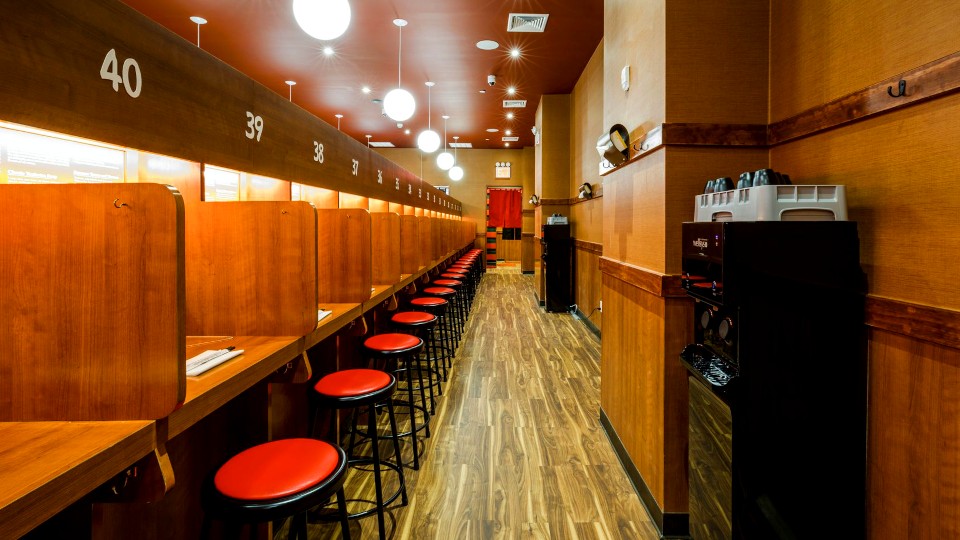
Eating alone can be an uncomfortable experience in many parts of the world. Japan has largely resolved this through the widespread adoption of counter seating, which is standard across many restaurants and makes solo dining a natural, unselfconscious affair.
Klauzenberg pointed to counter sushi bars as a prime example, where diners can observe chefs at work while eating at their own pace. “Enjoying sushi in Tokyo at an intimate counter and watching the chefs work, soaking in a private onsen, wandering in the temple gardens in Kyoto — none of these require companions and are easy to do for individuals without feeling self-conscious,” she said.
Collins cited the vending machine ticketing system at ramen restaurants as another seamless arrangement for solo diners. “Eating alone is just normal,” he said. “Get a ticket at the vending machine, grab a seat at the counter, and you have a steaming tsukemen meal in minutes.”
Tokyo and Kyoto offer complementary experiences
Most experts recommended that first-time solo visitors divide their time between Tokyo and Kyoto — two cities that represent contrasting dimensions of Japanese life and together present a well-rounded picture of the country.
Tokyo is a sprawling metropolis composed of highly distinct neighborhoods. Yao highlighted areas ranging from the upscale Ginza district to the historically rich Asakusa area, recommending the immersive digital art experience at teamLab Borderless in Azabudai Hills and the panoramic views from the Tokyo Skytree observation deck.
Yao also singled out Senbikiya, a high-end fruit shop with a café in Ginza, as a must-visit spot. Clarissa Cappelletti of WeRoad additionally recommended the Senso-ji Temple — the city’s oldest, founded in the 7th century — and encouraged visitors to participate in the omikuji fortune-telling ritual before leaving.
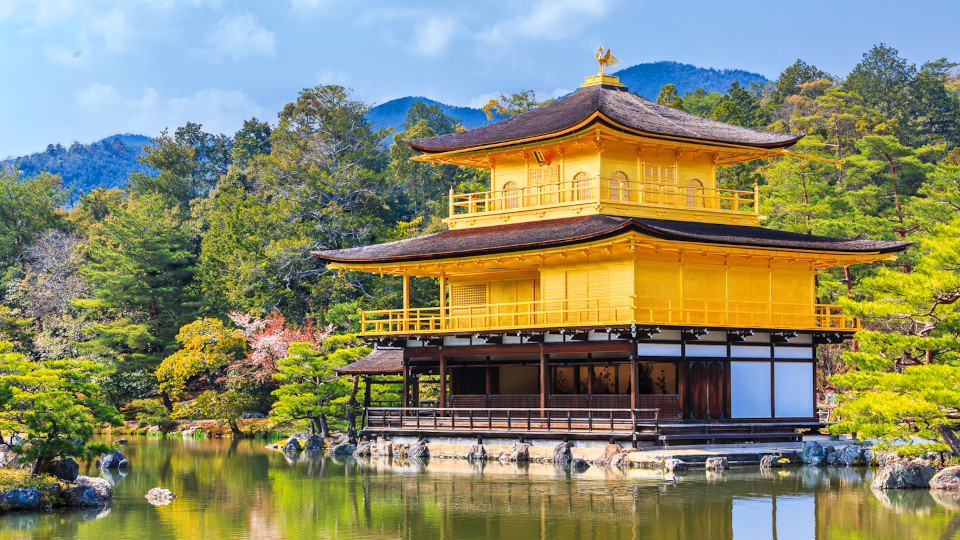
Kyoto, by contrast, offers a quieter and more contemplative atmosphere. Rob DelliBovi, CEO of RDB Hospitality Group, described the city as possessing “a calm, structured beauty that works incredibly well for traveling alone,” with mornings suited to visits to Kinkaku-ji or Fushimi Inari, walks through the traditional Gion neighborhood, and multi-course kaiseki meals.
Micaela Martinelli of Nuba Travel described Kyoto as “safe, contemplative, and immersive,” noting the city’s early cherry blossom season as a particularly appealing time to visit.
Timing matters
Japan’s popularity has surged significantly in recent years. The country welcomed a record 42,700,000 visitors in 2025, and peak seasons — particularly the cherry blossom period in spring — can make popular sites feel congested.
Experts broadly advised against visiting during high-traffic periods. Klauzenberg recommended November instead, when autumn foliage delivers scenery comparable to cherry blossoms with considerably fewer crowds.
The overarching appeal of Japan for the solo traveler, she said, comes down to its inherent flexibility. “Japan rewards the unplanned,” Klauzenberg noted, “and when you travel solo, you can do just that.”
V
AloJapan.com