
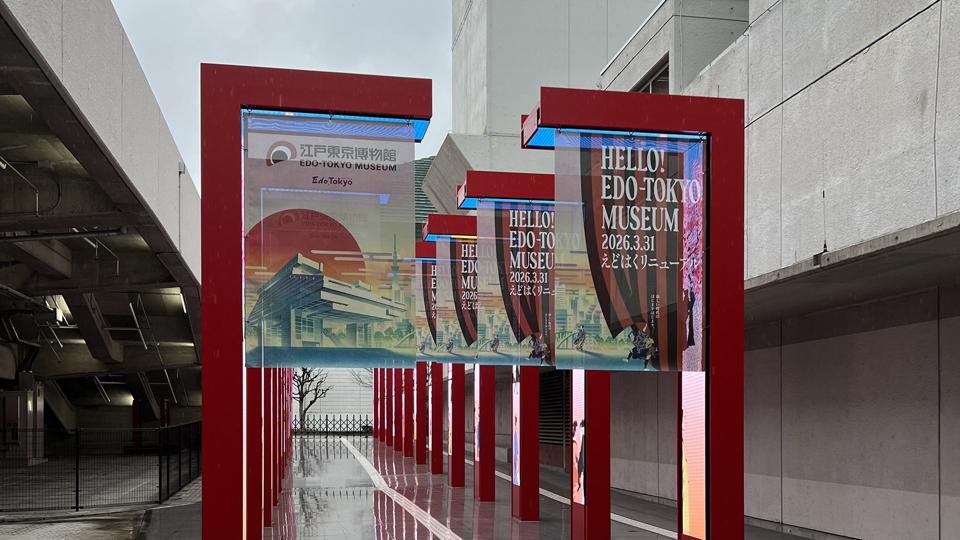
With the Edo-Tokyo Museum opening at the end of March, after a 4-year refurbishment, I got to see the updated exhibits firsthand in a rather event-packed day.
The day started off at Atelier Sougeikan near Oshiage Station, not far from Skytree. This was a fun workshop where you could paint traditional Japanese lanterns with kanji, also known as “edomoji”.
I decided to pick the word “愛 (Ai)”, which means “love”. While I am indeed a warmhearted individual, the actual reason for this choice was to do with Super Robot Wars. As one of the seishin (also known as “spirit commands” in English) uses the same kanji, and it’s often included with one of the pilots from Dancouga, no doubt as a reference to the anime’s first opening song, Ai no Faraway.
That Dancouga-related nerdiness aside, it was a fascinating experience and is definitely something I would recommend for visitors to Tokyo to try their hands at. It’s run by Ohishi Tomohiro, who has over 40 years of artisanal experience painting these lanterns, and he has a fun sense of humor, too.
The shop itself was covered with hundreds of lanterns all over the ceiling, and you got to take your handiwork home with you.
All of this was to set the tone for the fact that the area, Ryogoku, was once the thriving heart of classical Edo, the original name of Tokyo.
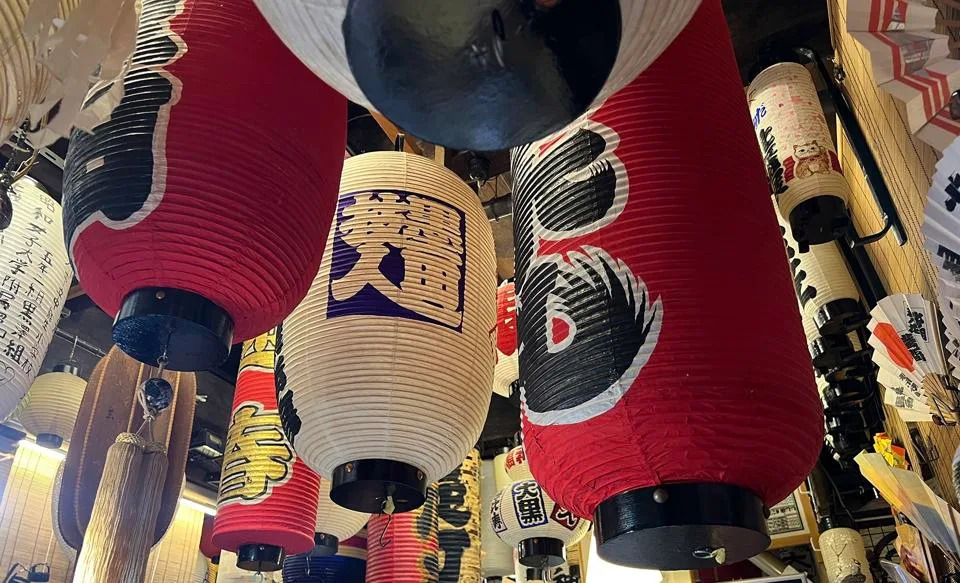
The lantern-filled ceiling of Atelier Sougeikan, which can be booked via their YouTube channel page.
Ollie Barder
Which brings me to the Edo-Tokyo Museum. This was originally opened back in 1993 and was built to showcase the history of Edo and its transformation into modern-day Tokyo.
It’s also a mad-looking building, as the main exhibition space is elevated off the ground by four pillars, mainly to protect the exhibits in case of things like flood, as the whole area is technically below sea level.
The permanent exhibition is massive, though, with recreated elements throughout (shown below). You also have lots of lovely miniatures, which are suitably fun.
The guided tour took us through the history of Edo and then Tokyo, as the exhibition is split in half that way.
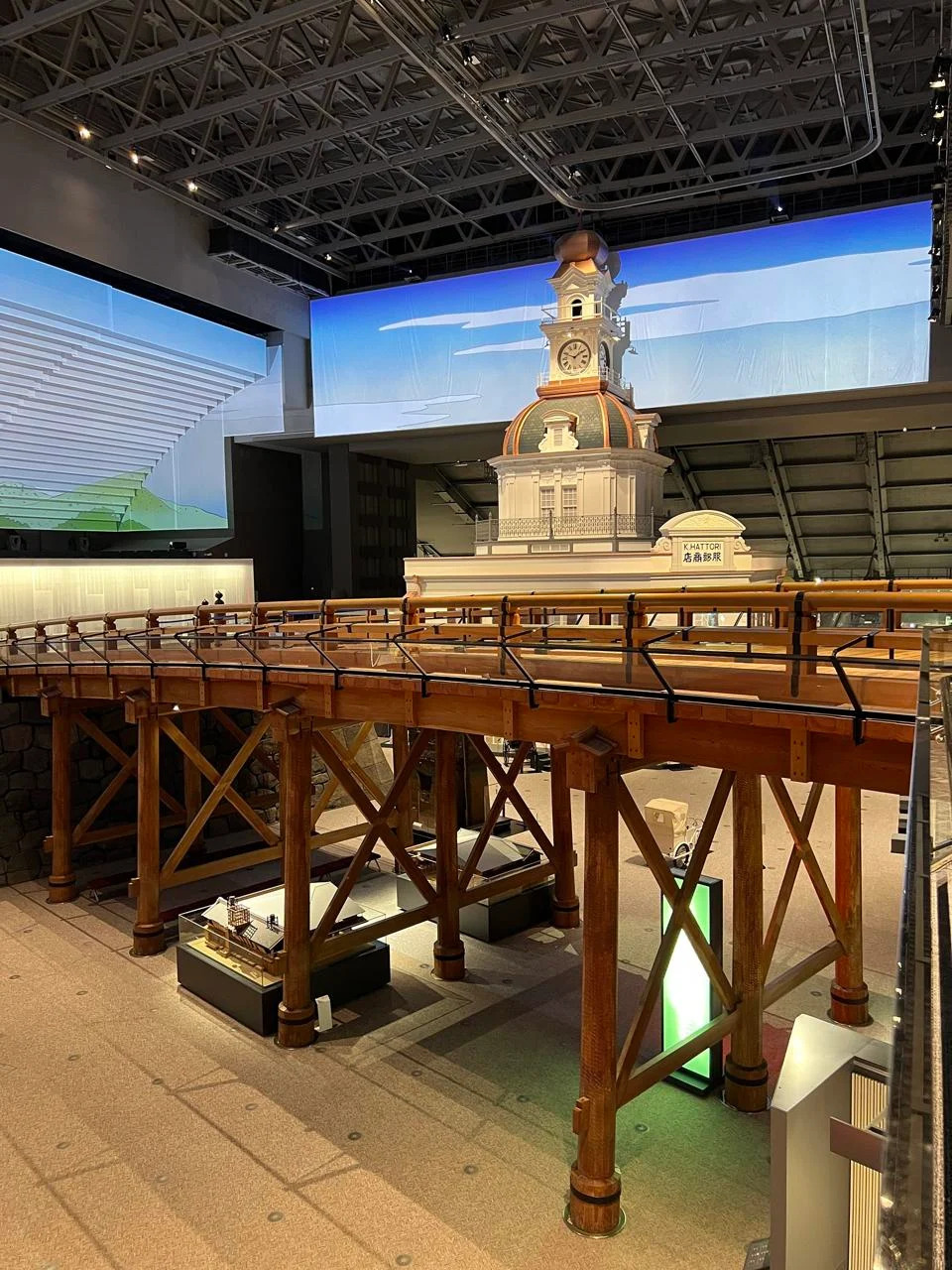
The permanent exhibition space inside the Edo-Tokyo Museum is huge.
Ollie Barder
There were also some amazing Ukiyo-e paintings in one area, showing One Hundred Famous Views of Edo by Hiroshige, which were originally serialized between 1856 and 1859. These are actually 119 prints of classical Edo, and the process in which they are made is similar to printing, giving a wonderful insight into how things like manga would later develop.
It was here that I went to the Sumida Hokusai Museum, which is about a 5-minute walk from the Edo-Tokyo Museum.
Katsushika Hokusai is arguably one of the most famous Ukiyo-e artists of the Edo period, with his The Great Wave off Kanagawa being one of his most beloved and well-known works.
Again, the museum looks completely mad from the outside, but you have two main exhibition floors with one permanent exhibition, where you can see The Great Wave off Kanagawa up close, and also a temporary exhibition. The latter is currently based around Hokusai’s sketchbooks and runs until May 24.
Overall, it was a fun and fascinating day. While most tourists coming to Japan visit the likes of Kyoto to view Japan’s history, it’s worth knowing that Tokyo has a long and storied history of its own, too. The Edo-Tokyo Museum re-opens to the public on March 31 and is next to the Oedo Line’s Ryogoku Station.
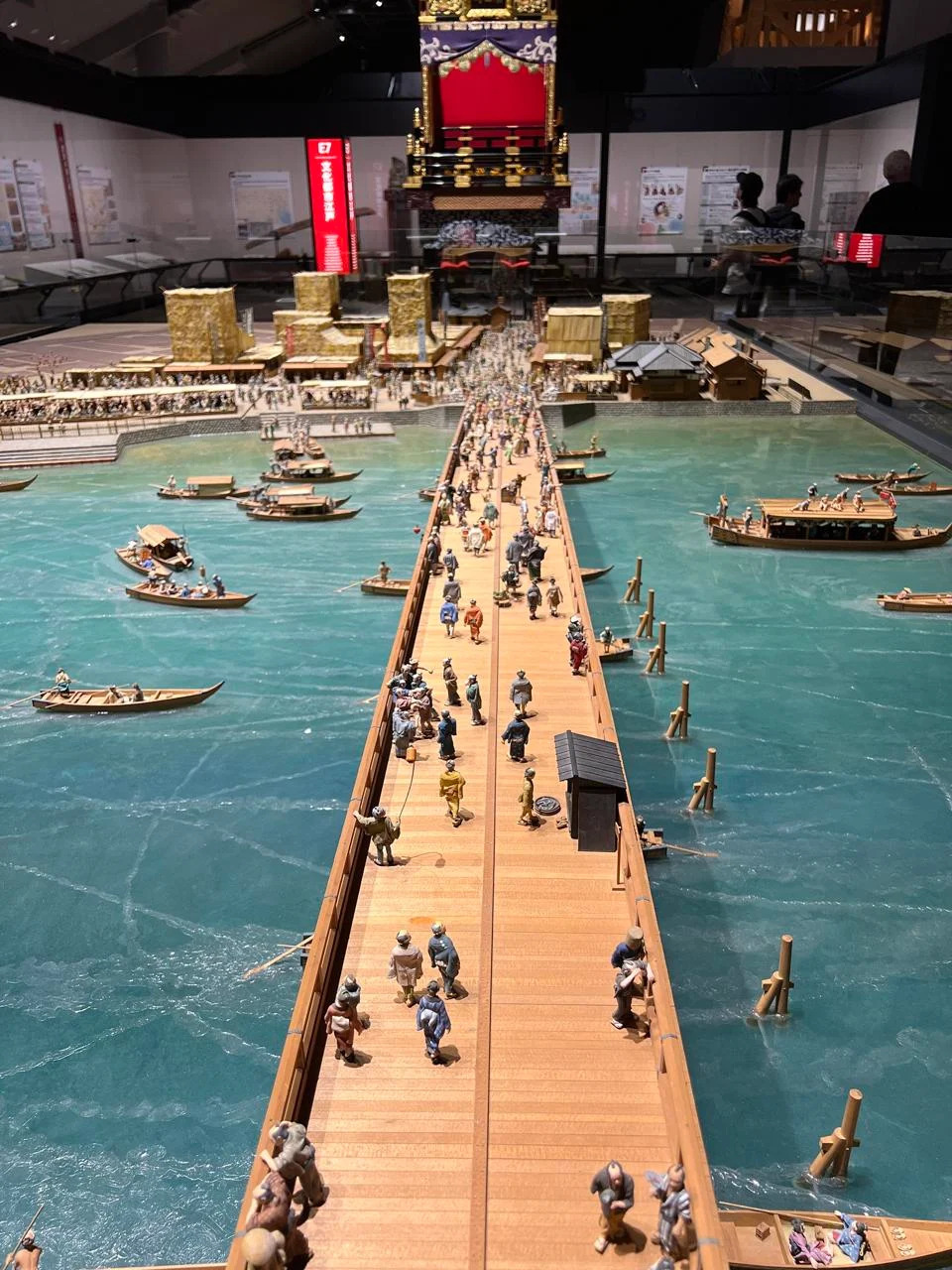
The miniatures on display at the Edo-Tokyo Museum are really quite intricate and impressive.
Ollie Barder
Follow me on X, Facebook and YouTube. I also manage Mecha Damashii and am currently writing regular columns in Japanese about mecha games and mecha anime for both Game*Spark and Automaton.
AloJapan.com