
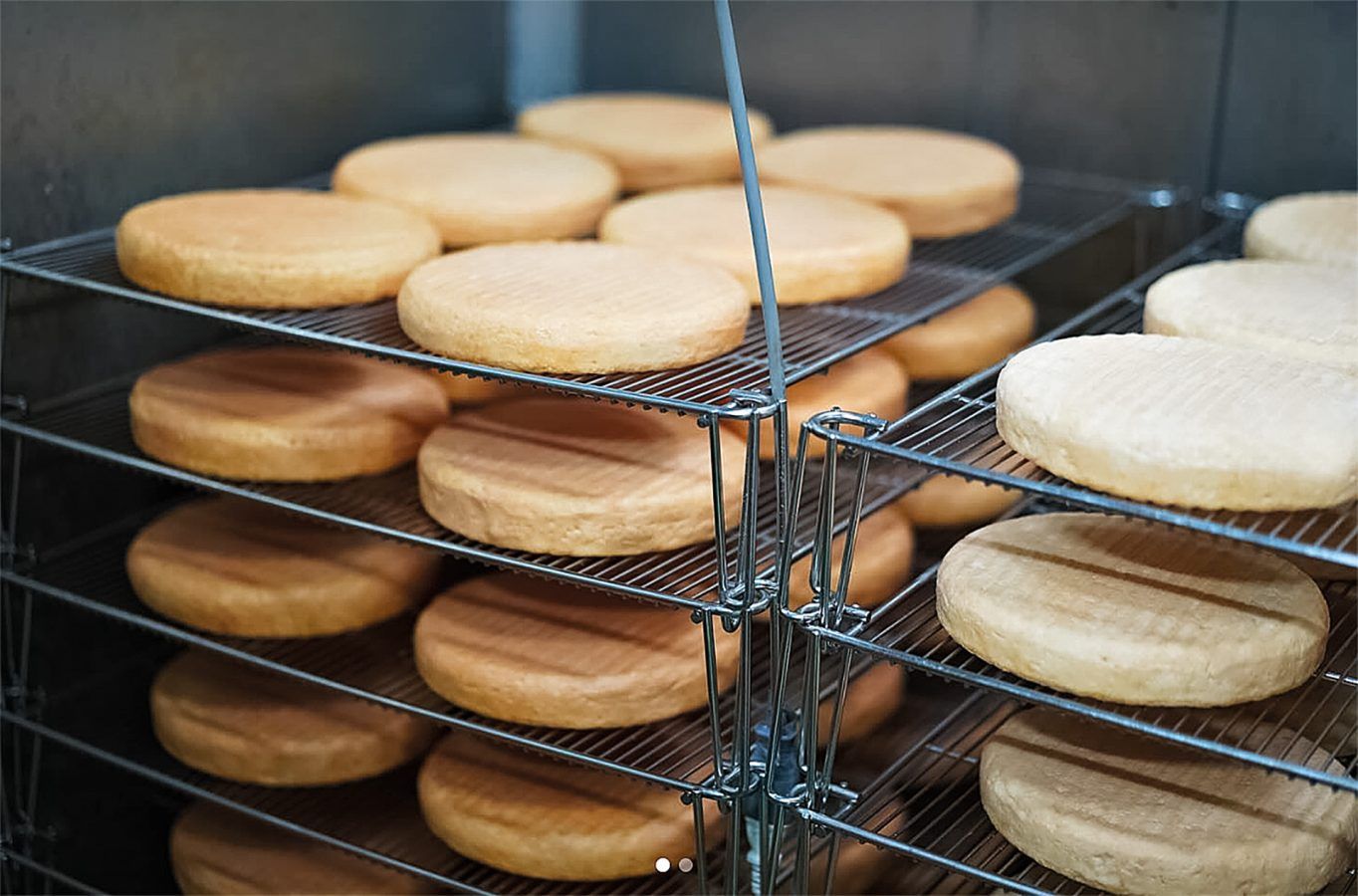
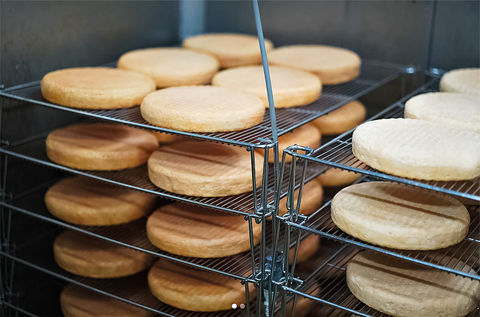
Courtesy of Nasu no Mori

Like many, I’m forever in awe of Japanese chefs and their mad skill to perfect every international dish, from clam chowder and croquettes to Kouign-amann and Chateaubriand. But there’s one culinary code they haven’t cracked: cheese. During dozens of visits to Japan over the last decade, I’ve encountered several Japanese cheeses, but been consistently disappointed by the rubbery, flavorless, processed product presented to me. Excellent imported cheeses are available in Japan but they’re prohibitively expensive.
I’d begun to despair of ever finding credible curds across all 47 prefectures. Until, that is, a recent visit to Tochigi Prefecture’s mountain town of Nasu, 90 minutes north of Tokyo and home to the Nasu Imperial Villa, a royal retreat. Here I struck gold and everything I knew about Japanese cheese changed.
Courtesy of Nasu No Mori
Courtesy of Nasu No Mori
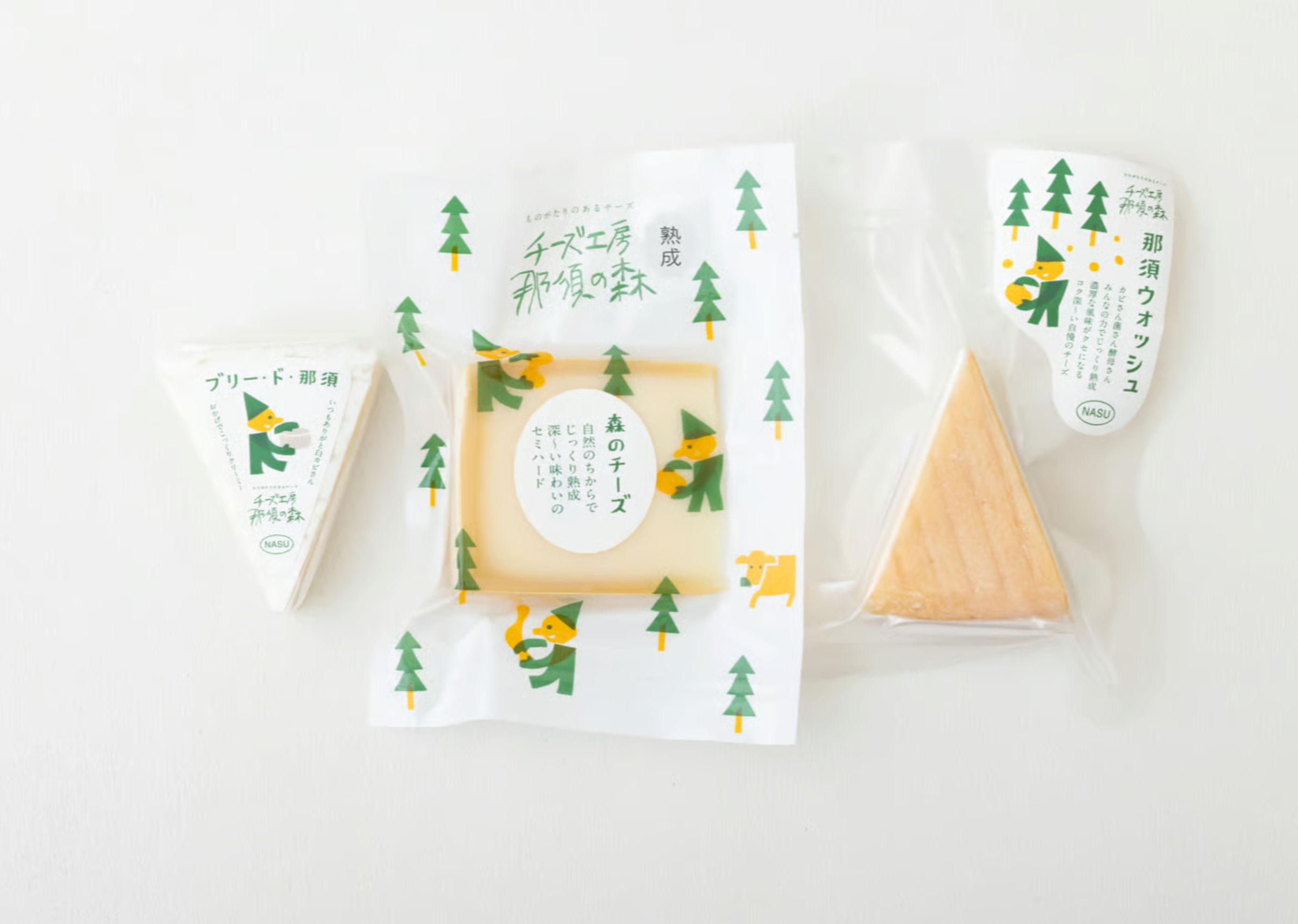
Courtesy of Nasu No Mori
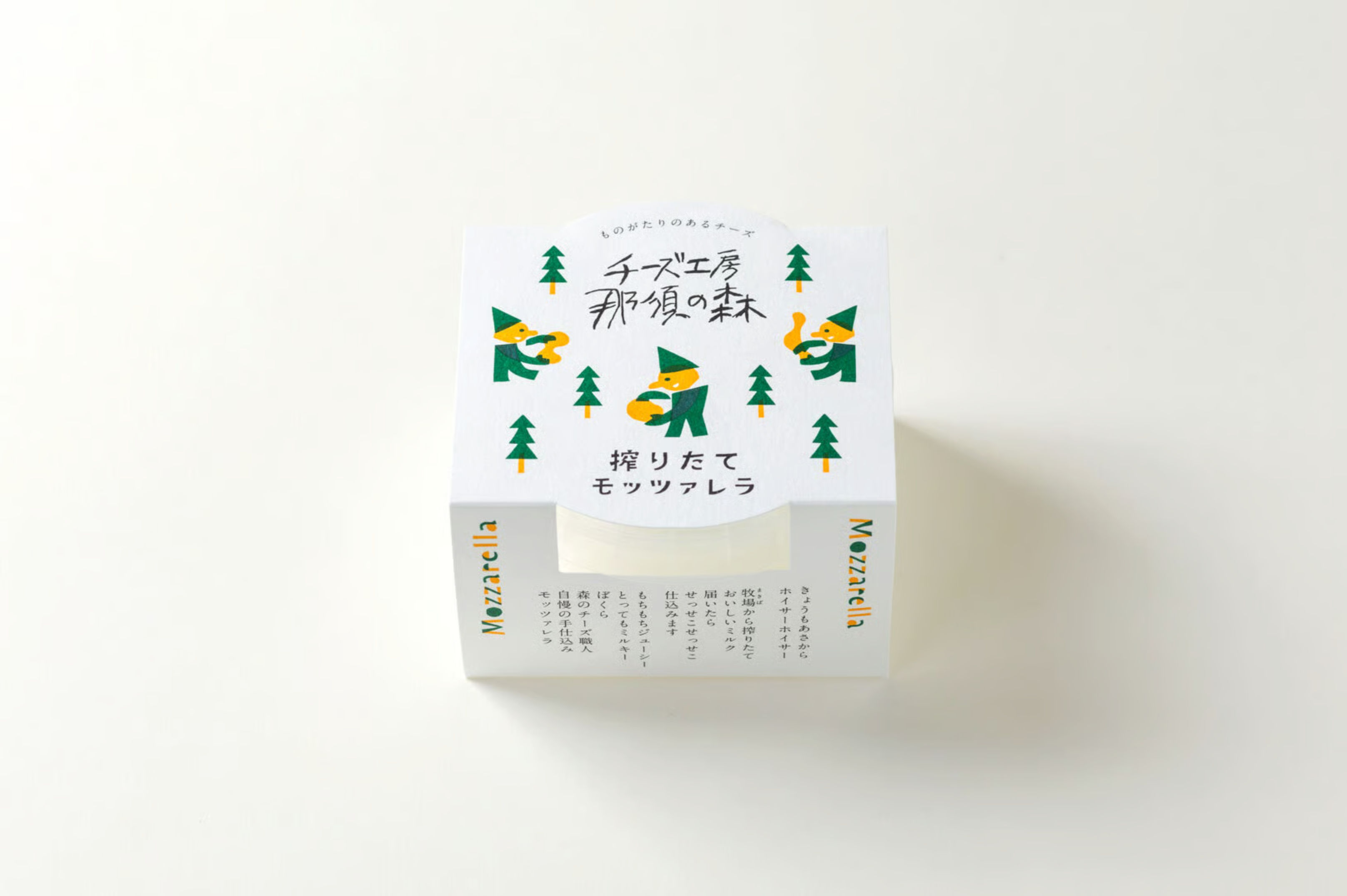
Nasu no Mori Cheese Factory is more of a tiny forest cheese studio than a factory, and that’s reason enough to love it. But their additive-free, handmade cheeses are the best I’ve eaten in Japan, bar none. Visitors can pop in to bag a selection, while the more curious can sign up for a degustation and talk to the cheese makers and do a walkthrough of the cellars, which are tiny. Their cheeses include Italian styles like caciocavallo and the mozzarella-like pasta filata, ideal for melting—but their hard cheeses really stood out.
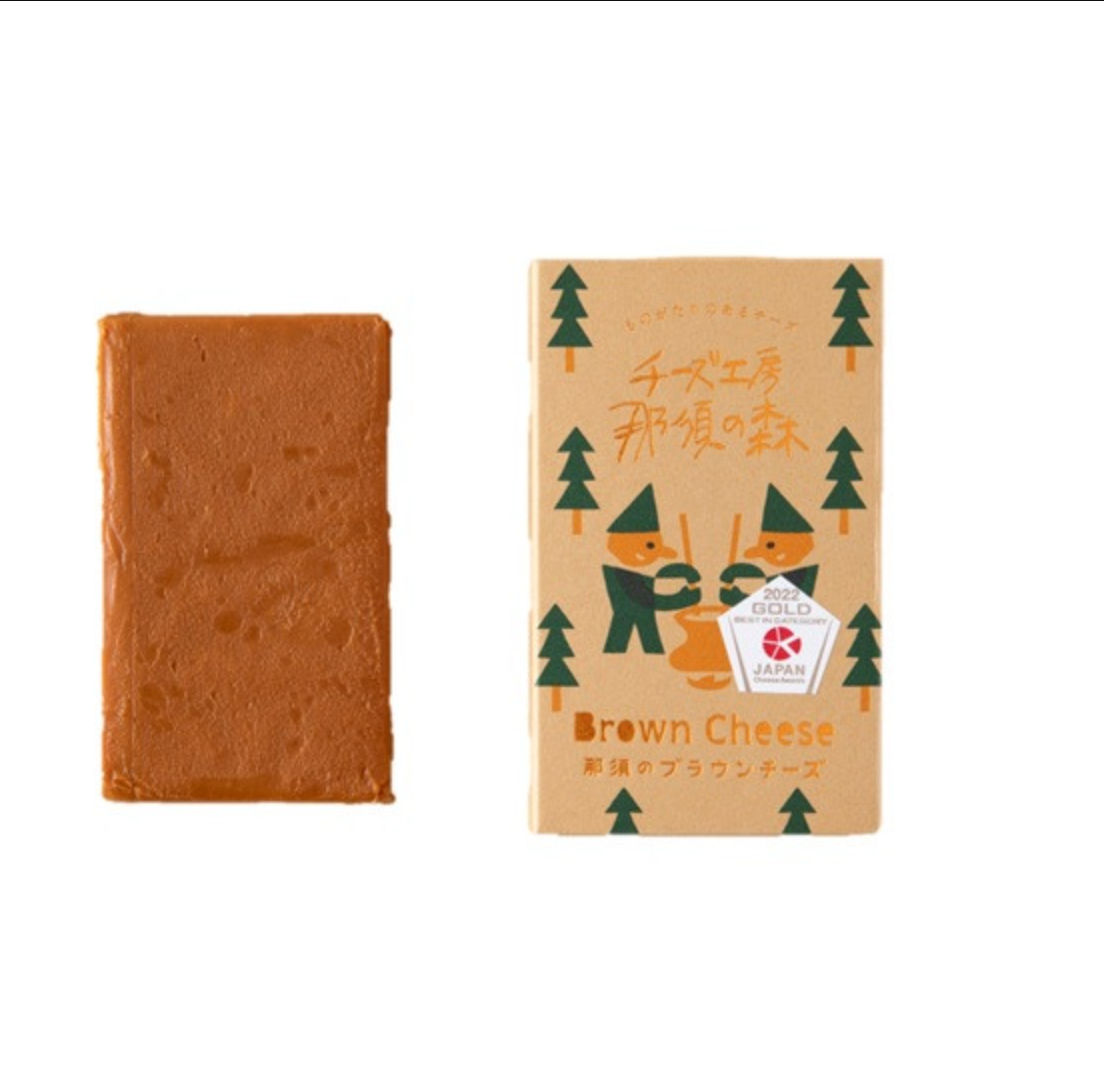
Their flagship Mountain Cheese is similar to an aged Gruyère with nutty notes of miso and soy, and comes aged for five months or nine-to-12 months, the latter of which won the World Cheese Award in 2019. Other varieties include Nasu Brown, a fudgy Norwegian-style gjetost (a brown cheese) made from the milk of Brown Swiss cattle, while Brie de Nasu is soft and funky like a good brie should be.
Their cheeses can be found at restaurants, cafés, and izakaya around Nasu, but I also spied them on the menus of two hotels: Nasu Bettei Kai, a quiet, elegant, 10-room ryokan in a meticulously preserved 1950s heritage building filled with contemporary Japanese art and surrounded by mossy old-growth trees; and the 43-room, family-forward Risonaire Nasu, where guests can sign up for activities like forest foraging, farming courses at the property’s vegetable and herb garden, pastry baking, and pizza-making.
Instagram: @cheese.nasunomori
Hero, lede and all other images courtesy of Nasu no Mori Cheese Factory.
Note:
The information in this article is accurate as of the date of publication.
We may earn an affiliate commission when you shop through links on our site.
Share:

Written By

Adam H. Graham
Adam H. Graham lives in Zürich, Switzerland though he spend much of his time on the road reporting on ..Read Morestories. He has traveled to and reported on over 90 countries. He specializes in travel writing, but also report on design, food, contemporary art, architecture, urbanism, and nature. Read Less
AloJapan.com