
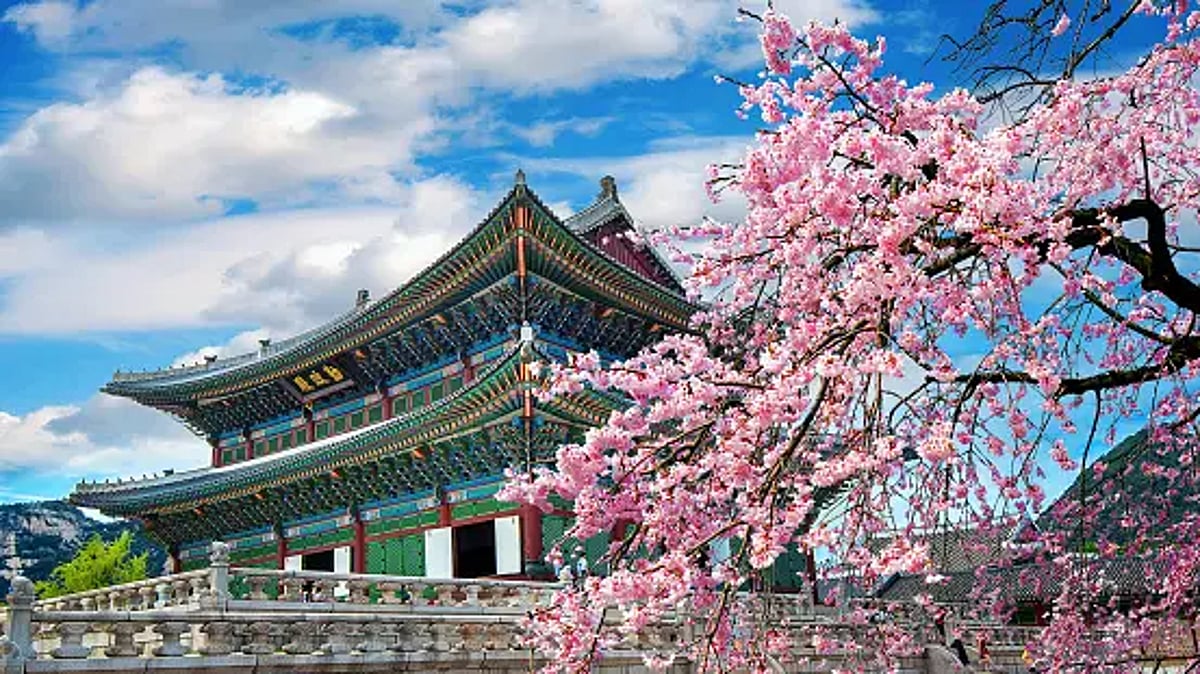
Simple tips for both cities:
Hanami: People often arrive early to mark out a spot with tarps, then spend hours eating, drinking and relaxing under the trees
Night viewing: Some parks switch on lights after dark, and the blossoms feel completely different once they’re lit up
Weather: Spring can be unpredictable—cool evenings, sudden rain, and bloom dates that shift slightly year to year
Best experience: Don’t stick to just one park; mix the busy main spots with quieter riversides or gardens
When To Go And What To Expect
First signs of bloom: Fukuoka usually starts around mid-March, with Hiroshima just after
Peak timing: Fukuoka roughly 18–28 March, Hiroshima around 21–30 March, depending on the year
How it feels: Days are lively and social in the parks, while evenings are slower, with fewer people and a calmer atmosphere under soft lighting
Top Cherry Blossom Viewing Spots – Fukuoka
Maizuru Park – The main gathering point, built around castle ruins and packed with cherry trees
Ohori Park – A wide, open park where blossoms sit right along the water
Nishi Park – Higher up, with city views and a quieter, more spread-out feel
Top Cherry Blossom Viewing Spots – Hiroshima
Hiroshima Peace Memorial Park – A riverside area where cherry trees line walking paths through the city centre
Shukkeien Garden – A compact traditional garden with ponds, bridges and carefully placed blossoms
Hiroshima Castle – Castle grounds surrounded by trees, especially strong during peak bloom
Miyajima – A short trip out of the city where blossoms frame shrines, forest paths and the coastline
AloJapan.com