
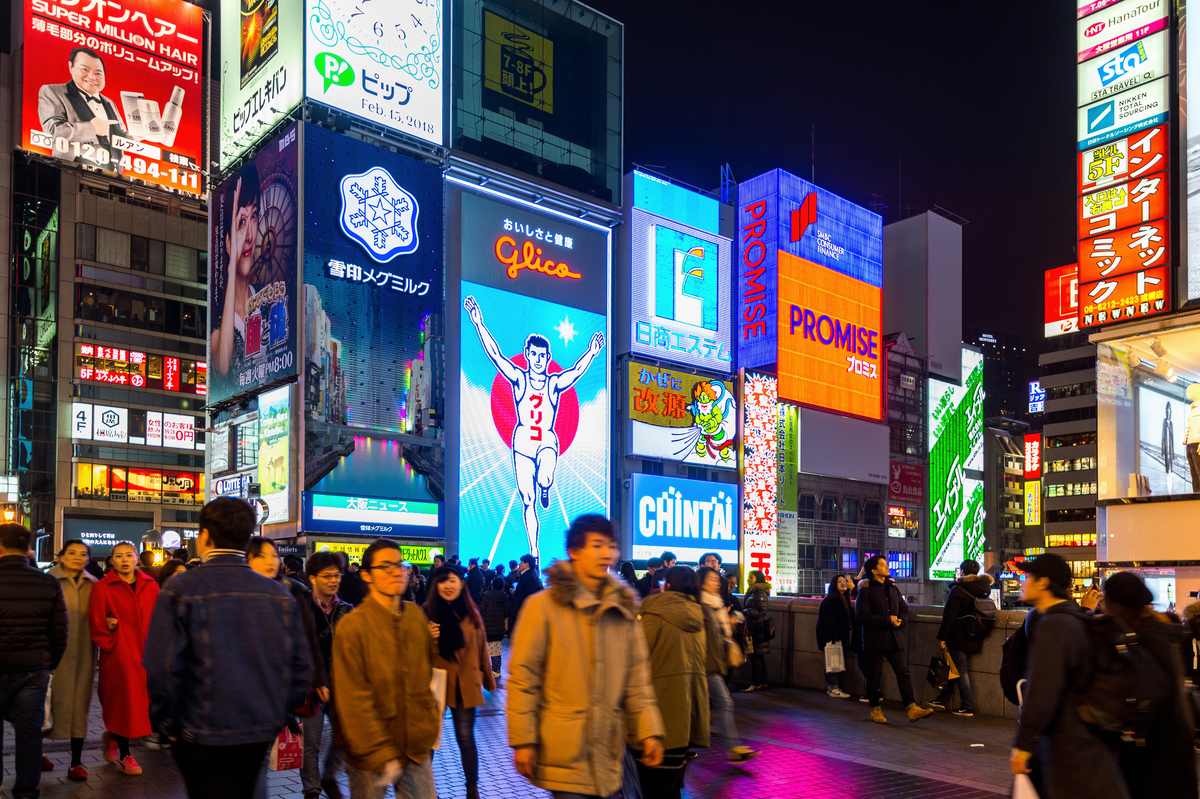
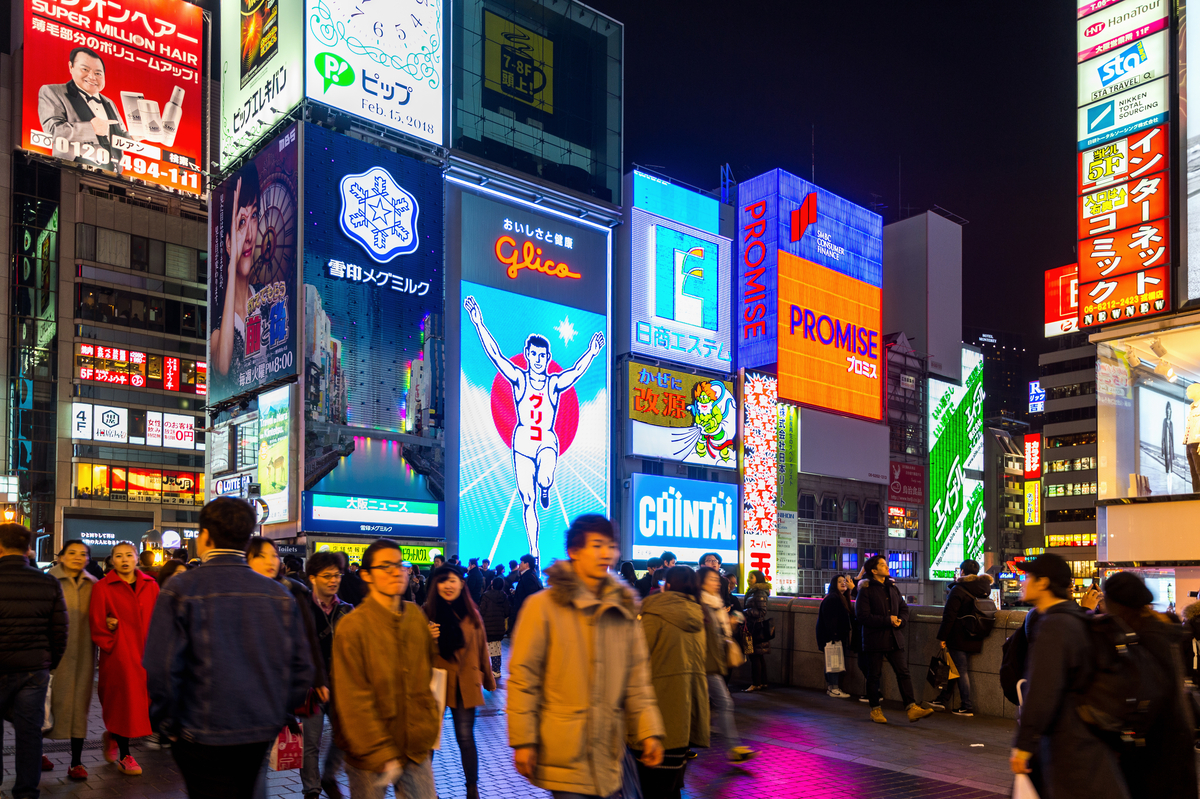
 “No Japan? What was that again?”… As everyone flocks to Japan, Japanese beer imports and tourism hit all-time highs
Japan-related consumption in South Korea is rapidly normalizing amid improving bilateral relations. Japanese beer imports and travel demand have simultaneously reached all-time highs, signaling the effective end of the “No Japan” boycott movement.
South Korea’s Japanese beer imports totaled approximately 12.6 billion yen ($117.7 billion won) last year, marking a record high, according to Japan’s Jiji Press on Monday. The figure surpassed the previous peak of 12.4 billion yen set in 2018, before the boycott began.
Japanese beer imports plummeted following the 2019 boycott movement, falling to 900 million yen in 2020. Recovery began in 2021, with steady growth leading to a new peak after seven years. Market analysts interpret this as a structural recovery in consumer sentiment.
Changes are also evident in the dining sector. Japanese izakaya franchise Torikizoku opened its first Seoul location in Hongdae in 2024 and is rapidly expanding, with additional stores planned for this spring. The trend reflects weakening resistance to Japanese food and brands.
Tourism demand is also surging. The number of Korean visitors to Japan exceeded 13 million last year, setting an all-time record. This marked the second consecutive year of record-breaking figures, following 12 million visitors the previous year.
Shifting perceptions are clearly evident. A survey by the East Asia Institute found that 52.4% of respondents held positive views of Japan—the highest since the survey began. Analysts note that improved political and diplomatic relations are translating into consumer sentiment recovery.
Consumption of Japanese travel, food, and culture has become routine, particularly among Koreans in their 20s and 30s. Market observers suggest a large-scale boycott similar to the past is unlikely to recur.
 “No Japan? What was that again?”… As everyone flocks to Japan, Japanese beer imports and tourism hit all-time highs
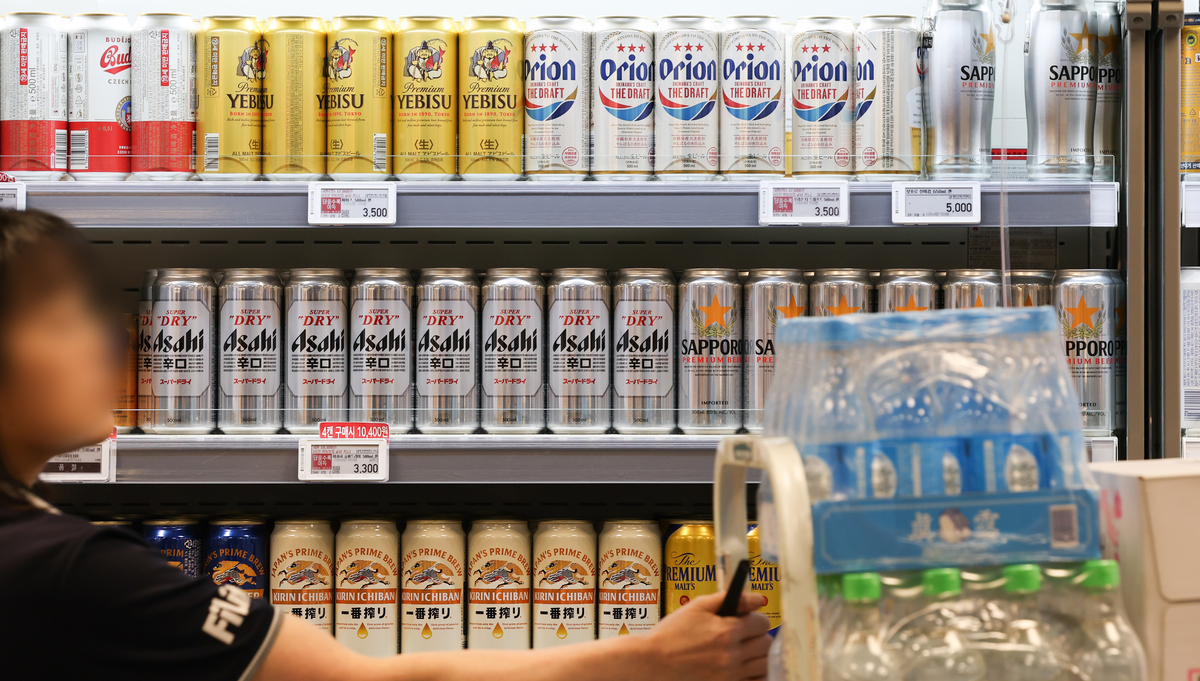
Korea Customs Service data confirms the trend. Japanese beer imports reached $79.15 million (approximately 110 billion won) last year, a significant year-over-year increase. Japanese beer showed clear growth while the overall imported beer market remained flat.
Asahi maintained the top position in the domestic imported beer market by brand. U.S. beer imports rose to $31.4 million (approximately 46.7 billion won), moving into second place, driven by increased demand for brands including Budweiser.
Sake demand is also expanding. Domestic sake imports grew from 2,379 tons in 2020 to 4,840 tons in 2022 and 5,684 tons in 2024.
Market observers believe Japan-related consumption has effectively returned to normal, driven by improving Korea-Japan relations and shifting consumer trends. Demand formed primarily among younger consumers is spreading across dining and tourism sectors, driving the recovery.
AloJapan.com