
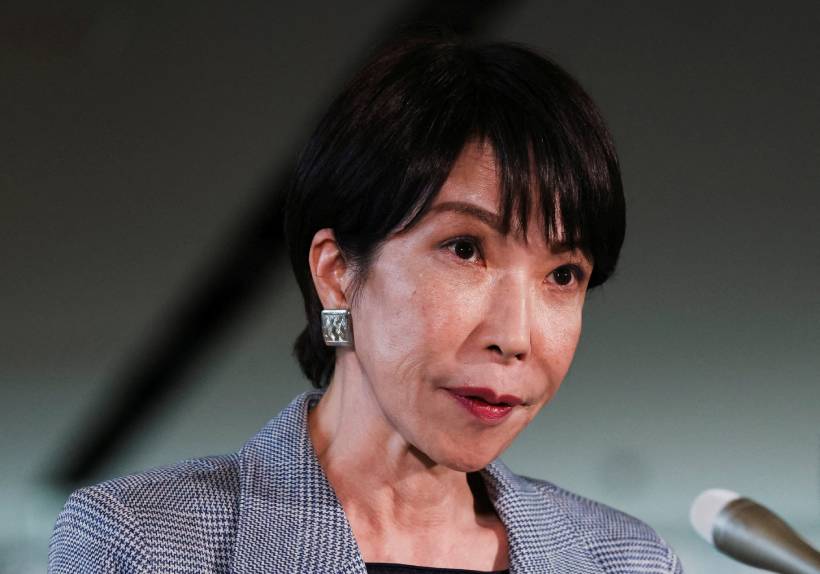
The upcoming meeting between Sanae Takaichi and Donald Trump comes at a moment of deepening global tension. The war involving Iran has disrupted energy flows and drawn the United States into a broader military role, putting pressure on allies to contribute.
Japan, a long-standing U.S. ally, now finds itself at the centre of this pressure campaign. The visit to Washington is the first high-level, face-to-face engagement between Trump and a major ally since he called for coalition support to secure shipping routes in the Gulf.
Trump’s demand and the Strait of Hormuz
At the core of the talks is the Strait of Hormuz, a critical passage through which roughly one fifth of global oil supply flows. With the waterway effectively disrupted by the conflict, the United States has urged allies, including Japan, to deploy naval vessels to escort tankers.
For Tokyo, this presents a serious dilemma. Around 90 percent of Japan’s oil imports pass through the Strait, making stability there a direct national interest. However, sending military assets into an active conflict zone would stretch the limits of Japan’s pacifist constitution and risk domestic backlash.
Legal and political constraints
Japan’s post-war constitution restricts the use of military force, particularly in overseas combat roles. While Tokyo has previously supported U.S. operations through logistics and intelligence, direct deployment into a combat environment would mark a significant shift.
Public opinion adds another layer of difficulty. Polling suggests strong opposition within Japan to the U.S.-Israeli campaign against Iran, leaving Takaichi with limited room to manoeuvre politically.
This creates a narrow path. Japan must balance alliance expectations with constitutional limits and voter sentiment, all while protecting its own energy security.
Strain on the U.S.-Japan alliance
The situation is testing the foundations of the alliance between Japan and the United States. Japan relies heavily on American security guarantees, including tens of thousands of U.S. troops stationed on its soil to deter threats from China and North Korea.
At the same time, Trump has shown a willingness to use economic and political leverage against allies. Trade imbalances, tariffs, and defence burden-sharing have all been recurring pressure points in U.S.-Japan relations.
Bringing Japan into a military coalition would strengthen Washington’s position and potentially encourage other reluctant allies to follow. Refusal, however, risks making Japan a public example of non-compliance.
Limited options for Tokyo
Japan’s choices are constrained and none are without cost. Direct military participation carries legal and political risks. Refusal could strain ties with Washington at a time when regional security concerns are already high.
One possible path is indirect support. Tokyo could expand intelligence sharing, logistical assistance, or diplomatic outreach. Acting as a mediator between Washington and Tehran has also been suggested, recalling past efforts by former Prime Minister Shinzo Abe, though current conditions appear far less conducive to dialogue.
Still, there is uncertainty over whether such measures would satisfy Trump, who is expected to seek clear and concrete commitments.
Analysis
Takaichi’s Washington visit represents more than a routine diplomatic engagement. It is a test of how far U.S. alliances can be stretched under the pressure of a rapidly escalating conflict.
Three dynamics stand out.
First, alliance politics are becoming more transactional. The United States is linking security expectations with economic and strategic leverage, forcing allies like Japan into difficult trade-offs.
Second, the gap between strategic necessity and domestic constraint is widening. While Japan has a strong interest in securing the Strait of Hormuz, its legal framework and public opinion limit its ability to act decisively.
Third, the outcome of this meeting could set a precedent. If Japan agrees to participate, it may open the door for broader coalition involvement. If it refuses, it could signal limits to U.S. influence even among its closest partners.
For Takaichi, the challenge is to offer enough to preserve the alliance without crossing political and constitutional red lines at home. In a conflict already reshaping global security and energy markets, that balance is becoming increasingly difficult to maintain.
With information from Reuters.
AloJapan.com