
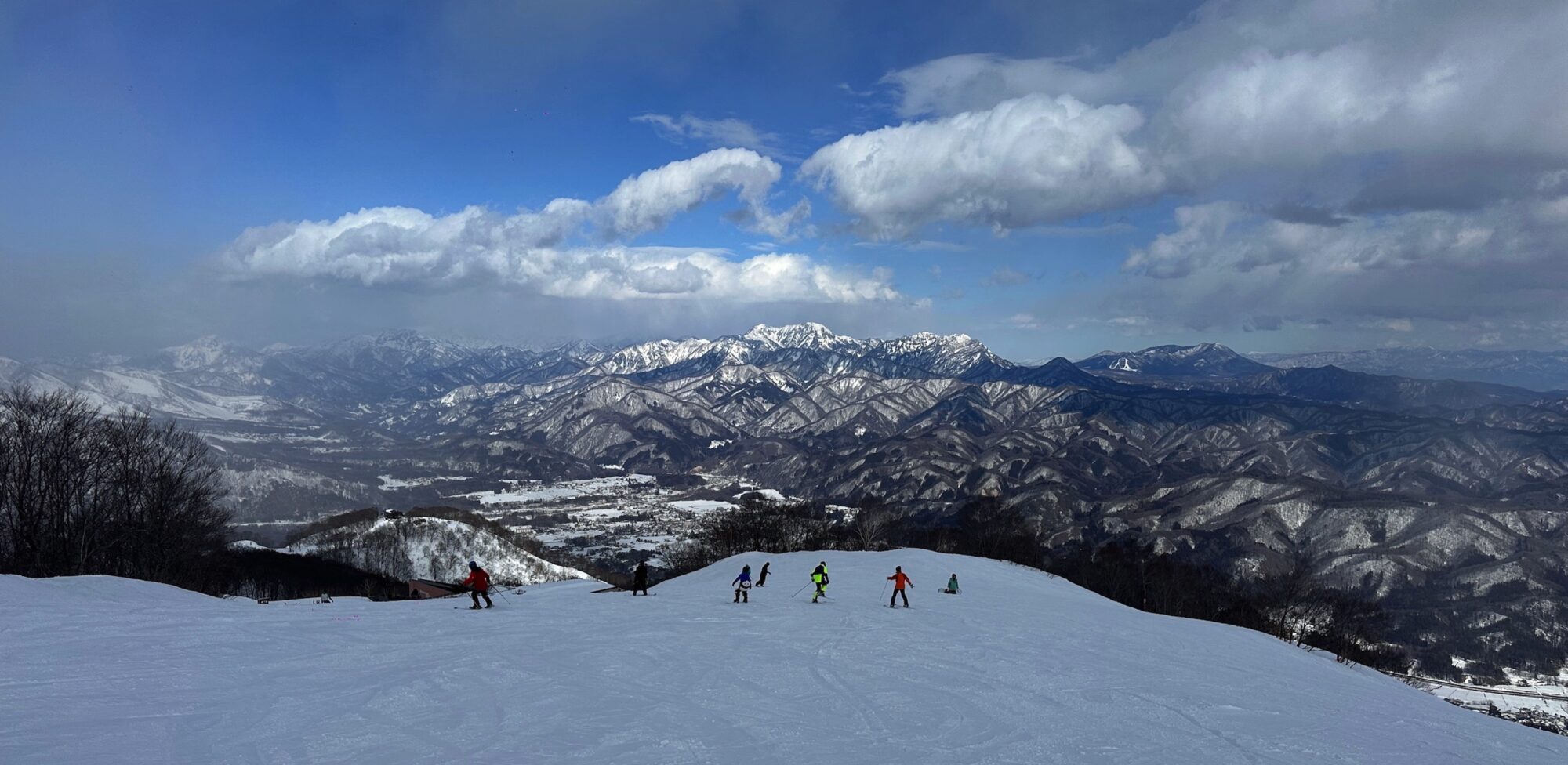
Japan had been on the list for a bit, but this trip was specifically booked for one reason: skiing Hakuba Valley. Tokyo was the obvious addition, not the highlight, an opportunity to stretch the legs after the flight, eat some decent food, and arrive in the mountains feeling alert and awake, rather than half asleep.
The tone was set before we even left the UK. We booked through APH for airport parking at Heathrow, which made the whole departure process feel more relaxed than usual, and it made the return just as easy when you arrive with tired legs and too much luggage.
Then there was Japan Airlines, and it straight away raised the bar on the whole long-haul experience. The service was slick and genuinely welcoming, the food was a lot better than you expect at 35,000 feet, and the aircraft was the cleanest I’ve ever flown on. It was the little details that really impressed me, the toilets were cleaned immediately after each use, which sounds like a small thing until you appreciate just how unusual that is over a 14-hour flight. We flew from London Heathrow to Tokyo Haneda on flight JL42 and back on JL43.
There was one other thing that made the travel days easier. We used Holafly, our connectivity partner, and it made a huge difference to have mobile data working as soon as we landed. It made Tokyo trains, maps, and bookings, and quick decisions, all seamless. It removed the usual ‘find a shop, find a SIM, find a signal’ process, and made the first day feel like it was part of the holiday, not admin.
Before you go: the three quick jobs that make Japan easy from day one
A bit of prep work is worth it in Japan, especially if you’re arriving early, traveling quickly, and don’t want to spend time queuing up.
1) Organise an IC travel card scheme (Suica or PASMO)
These are the Tokyo touch-and-go travel cards and make travelling a breeze. You can use them on Tokyo Metro, Toei Subway, and JR routes, and they’re convenient for small transactions as well. If you have an iPhone, a digital card in Apple Wallet is probably the simplest solution.
2) Organise mobile data before you arrive
It’s the difference between feeling smug in the first hour and standing around outside the station looking for wi-fi. We used Holafly and it was working straight away when we arrived.
3) Fill in Visit Japan Web and save your QR code
This is the game-changer for arrivals. Visit Japan Web is the government’s pre-registration system for immigration and customs. When you fill it in, you get a QR code to show when you arrive. Save it to your phone and you can skip a lot of tedious form-filling and unnecessary queuing at passport control.
Tokyo in 2 nights: how to do it properly without losing sight of the skiing
We arrived at Haneda Airport early in the morning and hit Tokyo straight away. With only 2 nights, the trick is to find a central base that makes the city easy. We stayed at The Royal Park Hotel Tokyo Shiodome, located in Shiodome Tower, close to Shimbashi Station, and it was absolutely perfect because you can get to almost everywhere in a short while and then come back and start again without feeling like you’ve spent the day commuting.
Tokyo can appear daunting on a map, but functioning in the day-to-day reality is easy once you roll with the punches. The most useful tip remains the most obvious: just use Suica or PASMO cards, and tap in and out. Stop worrying about the tickets.
Arrival in Tokyo: Tsukiji, Asakusa, and old Tokyo
The arrival day took the most straightforward route into town, and after a long flight, this is more important than you realise. We took the Tokyo Monorail to Hamamatsuchō Station, crossed over to Shimbashi Station, and walked the final leg to the hotel, a clean and simple process that is effective even when you’re lugging bags and fueled by adrenaline rather than sleep.
After ditching our bags, the one and only thing to do was eat. Tsukiji Outer Market is an excellent introduction to Tokyo because it immerses you directly in the Tokyo experience, all noise, steam, lines, and the constant lure of “just one more thing.” You soon realise that no one actually sits down around here. People eat while walking, dodging through the stalls, pausing for a bite, then drifting off into the distance, as if stopping to breathe would mean missing out on something crucial.
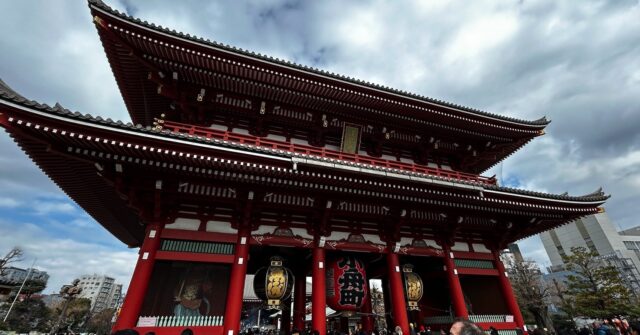
Then, Asakusa provided us with the contrast we were looking for. Tokyo can be a relentlessly modern experience if you just scratch the surface of the most popular areas, so to experience Sensō-ji and the surrounding streets is to inject a different kind of pace back into the mix, even if it is a very busy one. The walk in along Nakamise Street is half the fun, a lively, colourful gauntlet of vendors and treats that somehow still manages to feel like it’s in touch with the past, and by the time you reach the temple itself, you’ve had your first real taste of Tokyo as something more than just a sea of lights and motion.
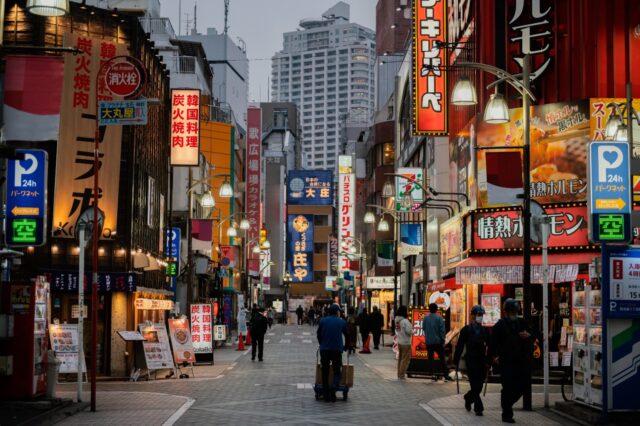
By mid-afternoon, we’d had our fill of the big sights and were looking for something a little more representative of real life, so we headed to Shimokitazawa for some vintage shopping. It’s a neighbourhood that’s easy to fall in love with: small streets, decent coffee, alternative shops, and a vibe that’s relaxed enough that you find yourself slowing down without even realising it. We kept things simple for dinner as well, drifting back into Shimbashi to take advantage of the after-work crowd that does most of the work for you, and then ending the night with a quick stroll through Ginza to check out the depachika food halls, which are seriously good if you still have an appetite left.
Day two in Tokyo: TeamLab, Harajuku, Shibuya Sky and a neon finish
The second day in Tokyo was our big “modern Tokyo” experience, and we started it off with a visit to TeamLab on a timed entry. It’s digital art on a scale that’s difficult to describe until you’re right in the middle of it, rooms that seem to shift around you, light that behaves as if it were a physical presence, and a vibe that feels very much like Tokyo and not just some travelling show that you could see anywhere.
Then we went on to Harajuku and the Meiji Shrine area, which is a brilliant gear shift. You leave a bustling street and find yourself in a serene, wooded environment that somehow feels strangely out of the city, even though you are right in the middle of it. And then, as suddenly, Tokyo throws you back into the fray with the clean, fashionable boulevards of Omotesando, the youth fashion and snack scene of Takeshita Street, and Cat Street if you want to shop without the full force of the crowds.
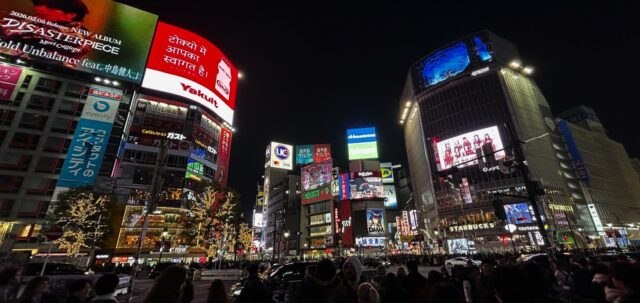
By the afternoon, we were in Shibuya, and of course, even if you know the crossing a hundred times from the internet, it still gives you a pause for a moment when you are standing there watching it happen right before your eyes. We did the quick Hachikō visit, then let the neighbourhood do what it does best, which is to feed us through a series of bright streets, giant screens, and that nagging feeling that there is always another corner that you are supposed to turn.
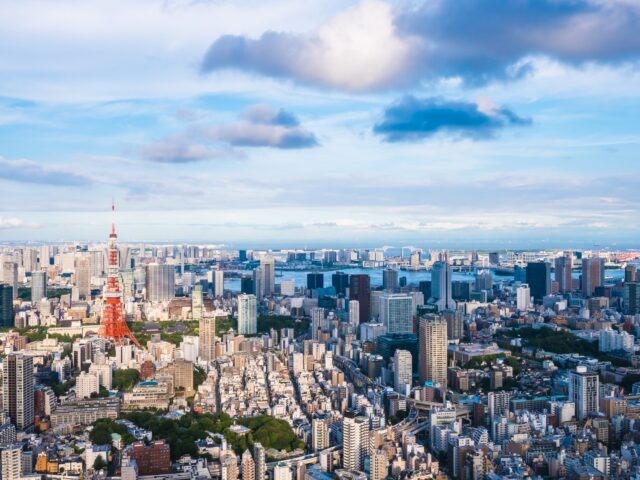
We hit Shibuya Sky during sunset, which is exactly how you should do it. You get the city skyline while there is still daylight, and then you get to watch the lights of the city take over as Tokyo transitions into the evening. Coming back down and seeing the crossing at night was a whole different scene, faster-paced, louder, and more energetic, and it’s just a simple trick that makes the day feel like it’s complete.
With all that energy still in us, Shinjuku was the only place to finish. It’s Tokyo cranked up to eleven, with crowds, arcades, late-night eats, and that classic feeling that the city is only just getting started when the rest of the world is winding down. We even did the Godzilla head photo stop at the Hotel Gracery, because at this point, you might as well just roll with it.
Somewhere in the middle of all this, we also ended up at the dog café, which was just plain weird and exactly the kind of “how is this a real place?” moment that makes you laugh when you look back on the day.
Tokyo had done its thing to perfection, it had satisfied our senses, fed us well, and kept us entertained. But by the end of night two, we were more than ready to trade in the neon lights for the snow and set our sights on Hakuba.
Tokyo to Hakuba Valley: Shinkansen to Nagano, then bus into the snow
One of the things that Japan does to make the “getting there” part of a ski holiday feel almost too easy is a blessing when you’re traveling long-haul with ski gear. The train route is simple: Tokyo Station to Nagano on the Shinkansen, then on by bus (or local trains depending on what you’ve arranged). The one tip worth taking seriously is to reserve your seats. It’s busy in February, and being able to sit together, stash bags, and get comfortable makes the whole journey feel more relaxed.
The Hokuriku Shinkansen is a train that lives up to its reputation. It’s smooth, quiet, and well-organised, the kind of train ride where you look up and realise you’ve travelled a long way without any effort at all. Nagano Station comes around all too soon, and then it’s on to the bus for the last hour of the journey into the valley, watching the scenery close in as the flatlands give way to mountains and the snowy landscape starts to feel more like the Japan you’ve travelled all this way for.
As the bus pulls into the Happo-One terminal, Hakuba falls into place. It’s not a resort that you ski for a week and then check off your list. It’s a valley, with multiple ski resorts scattered along it, and the whole idea is to move around to find the best spot for the day.
Skiing Hakuba Valley: 10 resorts, one pass, and plenty of variety day to day
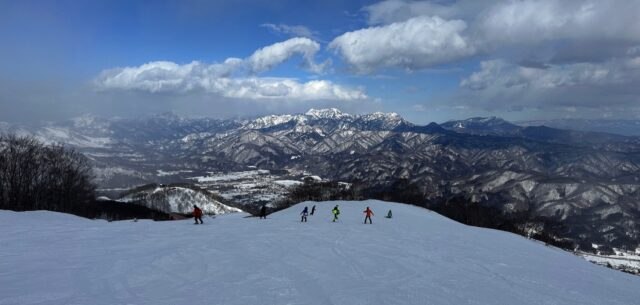
Hakuba Valley is one of Japan’s top ski resorts and, importantly, one of the easiest to get to. It’s a mere 250km from Tokyo, making it a viable option for first-time Japan skiers, and it has the pedigree to match, with a history tied to the 1998 Nagano Winter Olympics and still popular with today’s freeride crowd.
The key to Hakuba Valley is its variety. The resort comprises 10 individual ski resorts, all accessible on one pass, with shuttle buses running between them, so you can ski between them as you like. Some resorts are great for families and beginners, some are perfect for confident intermediates who want to get some serious vertical, and others are where the snow really starts to fall and the crowds go to play.
Hakuba Valley official website
The Hakuba Valley shuttle bus: the one tip that really matters
The shuttle bus between resorts is the backbone of the whole experience, but there’s a twist, and it gets plenty of people every year. The last buses run relatively early, around 17:30, and the late afternoon ones can get pretty busy. If you think you can ski until the last lift and then just pop on a shuttle whenever you like, you’re in for a long hike or a pricey taxi ride.
There is a night bus that connects some of the resorts, and taxis are also available. We used a few Ubers in the evening to go off exploring without worrying about the times. But the most important thing is to look at the times and plan around the last shuttle bus.
Shuttle bus info
Ski hire in Hakuba: Rhythm made it easy
If you want to keep your Hakuba holiday straightforward, get your ski hire sorted properly and well in advance. We hired our gear from Rhythm, one of the most well-known companies in the valley, and it was easy, efficient, and well-organised. Boots that fit properly, skis that are ready without hassle, and you’re on the slopes without losing half a day.
Rhythm Happo Hakuba
Hakuba Cortina: the snow-laden north, and a ski-in ski-out start that just works
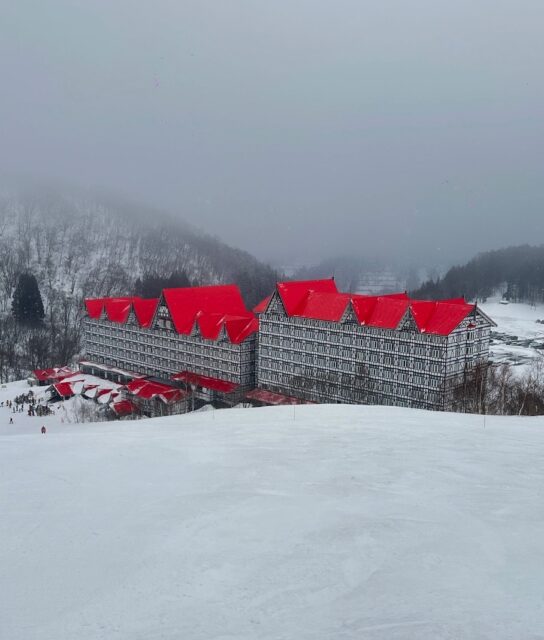
We began at the top end of the valley in Cortina, and it was the perfect introduction. Our base for two nights was Hotel Green Plaza Hakuba, with meals included, and it’s exactly what you need for the first part of a ski holiday: straightforward, right on the slopes, and organised so you can get on with skiing rather than worrying about the details.
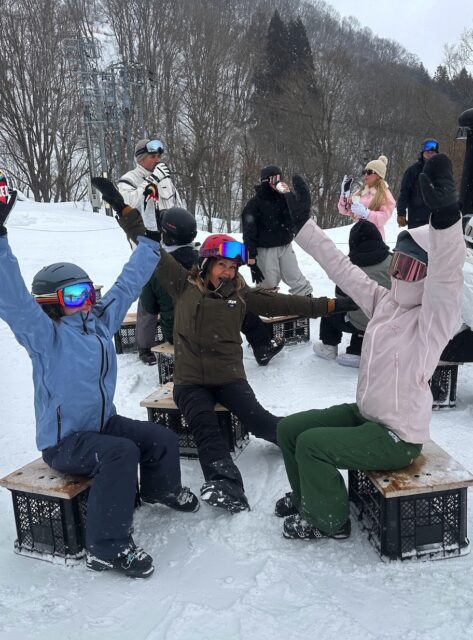
Cortina is a resort that gets mentioned as a snow magnet. We arrived to snowfall, and it immediately put the resort into perspective. When you wake up in Japan to a layer of fresh snow, there’s a certain kind of quiet, urgent feeling that comes over everyone, no fuss, just the collective realisation that first tracks are now on the agenda. One morning, we got up early, and it felt like the right thing to do.
It’s not just the snowfall that makes Cortina appealing. There’s a slopeside vibe that’s easy-going and an impression that the mountain is suited to the snow it gets. It’s a decent spot to get into the rhythm of Japanese skiing: ski, descend, warm up, refuel, and recharge.
Happo-One: in central Hakuba, with a strong ski-town vibe, and a hotel that was suitably on-message
After Cortina, we relocated to the Hakuba village and spent two nights at Hakuba Mominoki Hotel, breakfast included. The difference in atmosphere is stark. Cortina is slopeside simplicity in the north, while Hakuba village has a bit more going on in the evenings, more to offer, and a ski-town vibe that will be familiar to anyone who’s done their fair share of Alpine holidays.
Mominoki Hotel was just right for that part of the holiday. It offered that traditional ski-hotel comfort that’s all the more welcome with each passing day, warm spaces to retreat to, a reassuring feeling of being taken care of, and that end-of-day ease that’s essential when you’ve had a hard day on the slopes.
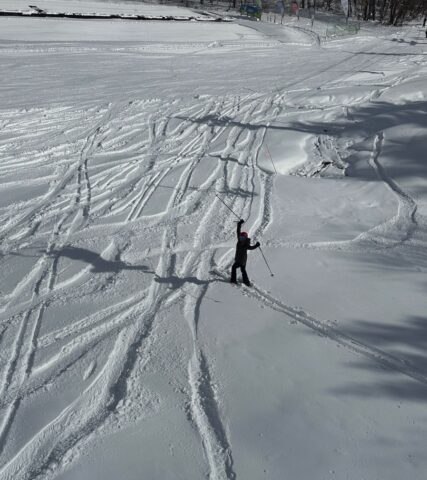
Happo-One is the most famous ski resort in the valley, and it feels like it’s a focal point. It has a bigger resort feel than some of the smaller ski hills, and on a good day, it delivers exactly what you want: long, cruisy slopes, steeper pitches higher up, and enough variety to keep strong skiers interested without making it a chore.
Hakuba 47: the standout resort, and why it became my favourite
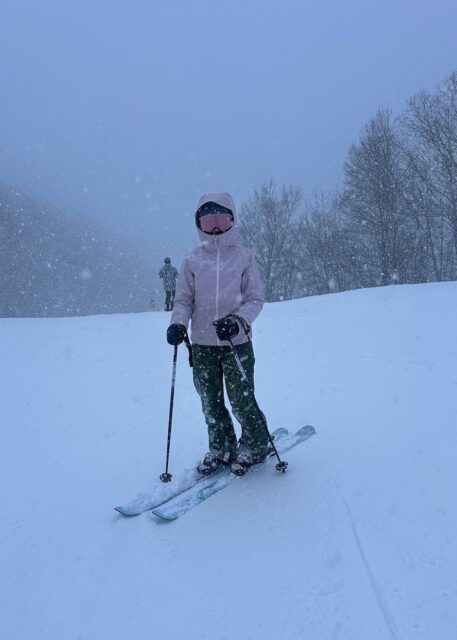
If I had to pick one area that I found myself coming back to again and again in conversation, it was Hakuba 47. It just suited my style of skiing. The skiing has good flow, you can create a varied day, and it’s one of those resorts that rewards exploration over following the same trail day in and day out.
One of the reasons it works so well is its connection to ABLE Hakuba Goryu. Skiing on an interconnected resort gives you the feel of having a bigger day without the hassle of buses and transfers, and it’s an easy way to feel like you’ve seen a lot of the valley in one hit.
Night skiing at Goryu: the session you don’t forget
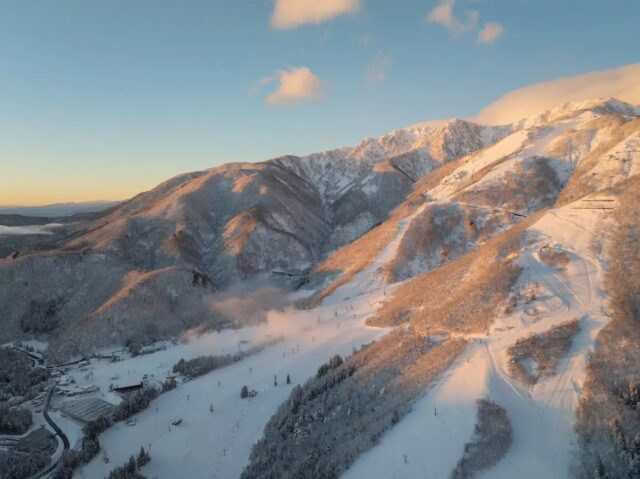
Japan does night skiing right, and Goryu was the place where it all clicked for us. Night skiing is a different vibe. It’s more intense, the slopes feel different, and if you’re lucky enough to have snow still falling while you’re out there, it’s one of those sessions that you remember long after you’ve forgotten the names of individual trails.
It’s also where the shuttle bus tip is most important. If you’re skiing late, make sure you know how you’re getting home, as the main inter-resort shuttles finish earlier than most visitors expect.
For the final part of our trip, we headed south to Omachi, which gave us a slightly different flavour for the week. It’s a lot more laid-back, less ski-village, and it puts you within easy reach of two areas that often get overlooked by first-time visitors to Hakuba.
We spent one night at Hotel Keisui, breakfast included, which was a good thing as it provided a convenient base at this end of the valley and made it easy to get to Jigatake and Kashimayari.
Then we ended our trip at Kai Alps (Hoshino Resorts), with dinner and breakfast included. This was a great way to round off a ski holiday, less ‘ski week hotel’ and more full-on resort, the kind of place where you feel the transition from ski holiday mode to recovery mode without needing to think about it.
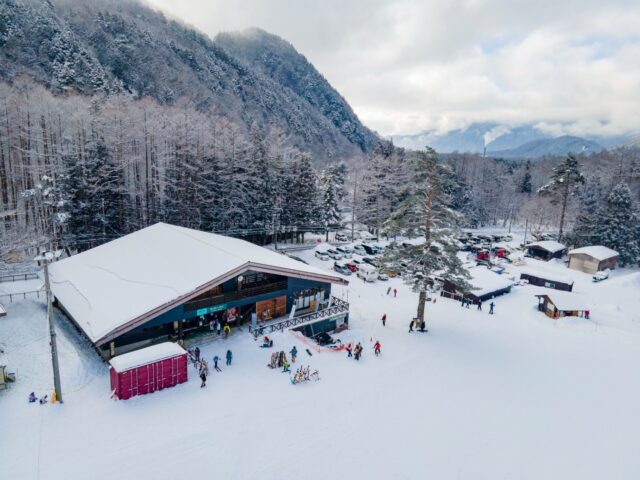
Jigatake and Kashimayari are great for families and mixed ability groups. They tend to be a bit quieter and more laid-back, and are perfect if you want a less busy day out without losing the skiing aspect.
Eating out in Hakuba Valley: Japanese classics, Western comfort, and why it’s great for families
One of the hidden positives of Hakuba is how easy it is to get good food, whatever your group is into. Some nights you go all in on Japanese classics -ramen, gyoza, grilled meats, real solid flavoursome food that hits the spot after a day out in the cold. Other nights you go for Western comfort food, and Hakuba has that in spades, too.
This is especially important for families. It keeps dinner simple, it takes the stress out of picky eaters, and it ensures no one feels like they’re eating “bravely” every night. Add this to the overall helpfulness you’ll find throughout Japan, and the entire experience becomes much easier than many first-timers might expect.
Hakuba travel tips: what makes the week easier
A few things that really help:
Save the shuttle schedule and stick to it. The buses are amazing, but they stop relatively early and can get busy late in the afternoon.
Use taxis in the evenings without an ounce of guilt. We used Ubers a few times to get out and about and avoid the “last bus” con.
Get rentals sorted early. Rhythm made it easy, which means more skiing and less messing about.
It’s nice to have connectivity. Having Holafly working from the moment we landed made Tokyo and Hakuba much easier, especially on travel days.
Visit the Visit Japan Web to obtain your pre-immigration entry visa and save the QR code before you fly. It can help get you through arrivals much faster.
But what does skiing Hakuba Valley actually feel like?
It’s varied, it’s surprisingly easy once you get your head around the layout and it offers the kind of ski holiday experience that feels like a breath of fresh air even if you’ve done many Alpine weeks.
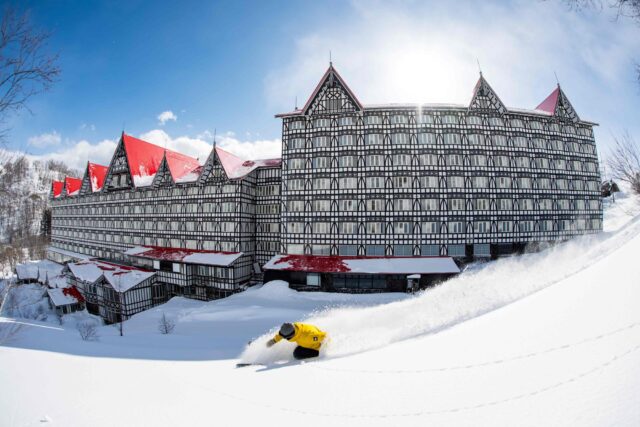
Cortina provided us with the snowiest opening and easiest ski-in, ski-out base at Hotel Green Plaza. Happo-One provided the Hakuba spine, and Mominoki located us ideally for skiing and nights out in the village. Hakuba 47 was my personal favourite as it always felt like it was going to be the most fun mountain, and Goryu provided night skiing, which turned out to be one of the highlights of the week.
And then Omachi rounded it out. Keisui made the southern end functional and Kai Alps finished off the trip in the best possible way, with good food, great rest and that sense of being taken care of that Japan does so well.
Hakuba is a valley of ten different ski areas with ten different personalities, and that’s the whole point. You ski what the day dictates, keep one eye on the shuttle times, eat well, soak if you can, and wake up ready to do it again somewhere new. For families, that flexibility is gold because it takes the pressure off: pick gentle terrain when someone’s tired, head somewhere quieter when crowds build, or chase the best snow when conditions line up, all without turning it into a logistical project. Add in how easy Japan makes the travel, how well you eat, and how quickly the onsen routine becomes part of the week, and it’s the sort of trip where everyone comes home feeling they’ve had a proper holiday, not just a busy one.
Read the full InTheSnow Hakuba Guide
AloJapan.com