
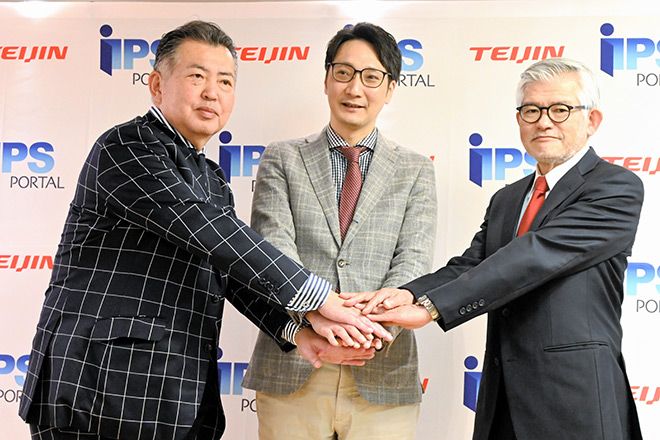
A third “just in case” service to proactively store induced pluripotent stem (iPS) cells created with a client’s blood for potential use if they develop future medical issues is set to launch in April.
The BRR (Bio Resource Reserve) service is under Teijin Regenet Co. and other partners. The Tokyo-based entity, one of chemical manufacturer Teijin Ltd.’s group companies, provides contract manufacturing of cells used in regenerative medicine.
It was announced on March 16 with iPS Portal Inc., based in Kyoto and funded by the city government, Shimadzu Corp. and other entities.
Creating iPS cells is expected to run clients around 10 million yen ($62,800) and cost tens of thousands of yen annually to store them, with certain contracts allowing for semi-permanent storage.
Procedure eligibility does not have a maximum age limit and is even possible from birth by using umbilical cord blood.
There are plans to store clients’ cells in multiple locations, including a medical complex in Osaka’s Nakanoshima district.
In terms of widespread use, Japan has approved two regenerative medicine products that use iPS cells to treat severe heart failure and Parkinson’s disease. Additionally, iPS-related clinical trials are ongoing or planned for more than 10 other conditions, including spinal cord injuries.
Teijin Regenet and iPS Portal said two other firms already offer personal iPS cell storage services in Japan.
According to them, the key difference between those firms and BRR is their collaboration with entities such as Kyoto University’s CiRA Foundation and regenerative medicine manufacturers; this will ensure cells meet quality standards suitable for future medical treatments.
They aim to secure 20 clients in the first year, fiscal 2026, and grow to 1,000 clients annually by fiscal 2030.
“We want to develop this into a solid industry that supports Japan’s regenerative medicine,” said Keiji Nakagawa, director and CFO of iPS Portal.
AloJapan.com