
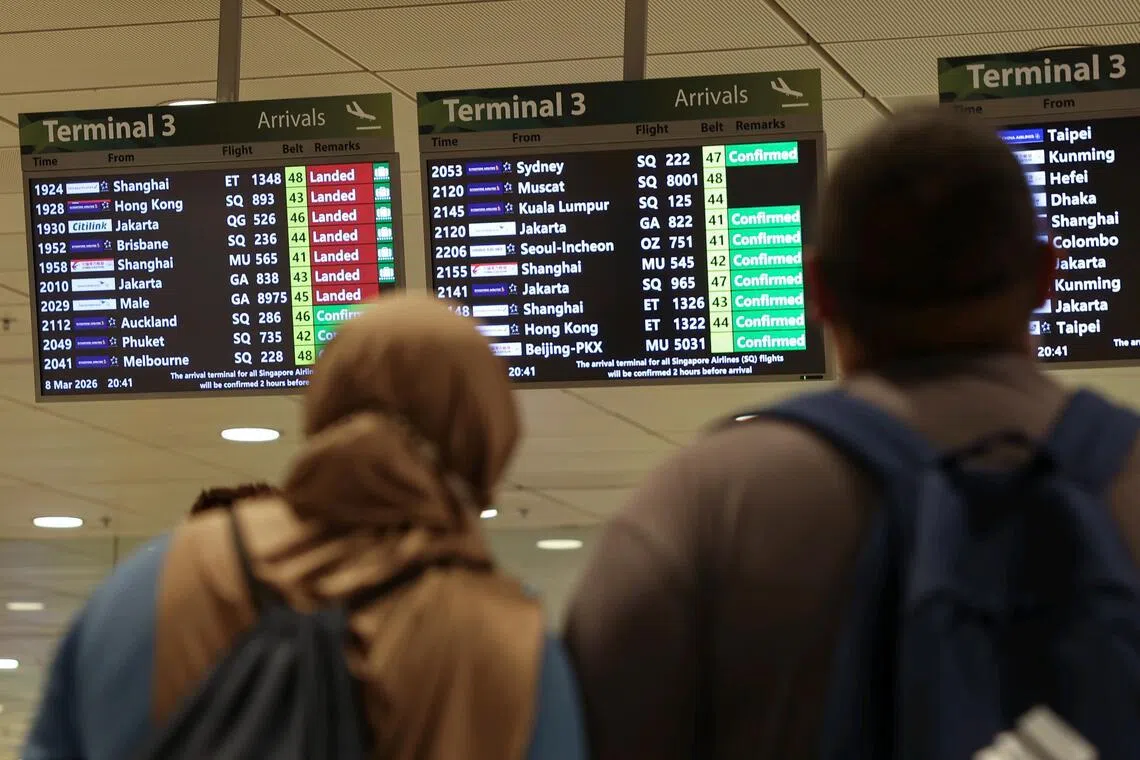
SINGAPORE – Escalating tensions between Iran and the United States have rippled through the global travel industry, raising the prospect of longer flight routes, higher airfares and shifting holiday plans.
For travellers in Singapore, the conflict has added a new layer of uncertainty to long-haul trips, particularly those passing through Middle Eastern airspace. More than 52,000 flights have been cancelled since the war began on Feb 28, according to aviation data provider Cirium as at March 13.
Travel experts say holidaymakers are already pivoting to closer regional destinations instead of far-flung ones.
At travel agency Lightfoot Travel, new bookings for trips in Asia rose by 35 per cent among its global clientele between early February and early March, as some travellers opt for holidays that are closer to home and in a relatively safe zone amid the worsening geopolitical situation.
In Singapore, while bookings fell 25 per cent between the first and second weeks of March, trip inquiries remained strong, falling only 2.5 per cent year on year for March. Destinations popular with its Singapore clients include Japan, China, Indonesia and Thailand.
Top regional destinations that Singapore travellers are currently searching for are Tokyo, Bangkok, Seoul, Bali and Kuala Lumpur, according to data from travel metasearch platform Skyscanner.
Lessons from the Covid-19 pandemic seem to have helped travellers remain composed in these troubled times, says Ms Lucy Jackson Walsh, co-founder and managing director of Lightfoot Travel.
“We observed that many travellers were holding decision-making until more news had unfolded and then they would press ahead with trips. So, while there was a pause on the decisions to commit money to travel, interest and demand were still there,” she adds.
Flights from Singapore to major hubs in London, Paris and Frankfurt typically traverse Iran, Iraq and the Gulf states, as this is the most direct route between South-east Asia and Europe.
With the ongoing conflict, non-stop flights to such destinations will likely need up to three hours of additional flight time to avoid affected airspaces.
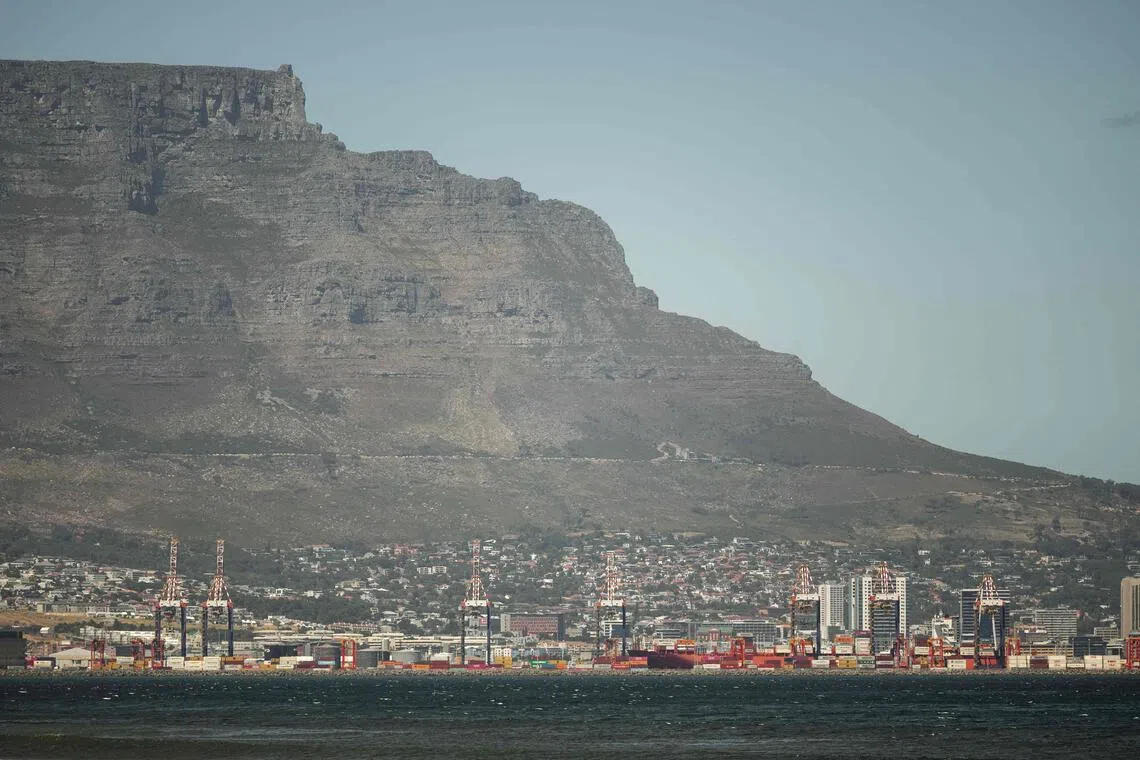
A view of Table Mountain and the Cape Town City bowl in South Africa in December. Long-haul flights from Singapore to destinations such as South Africa and Latin America avoid the Middle East airspace.
PHOTO: AFP
However, Ms Walsh notes that long-haul flights from Singapore to destinations such as South Africa and Latin America avoid the Middle East conflict entirely, with some of her clients already booking such trips.
“There are also opportunities for travel now that you might not otherwise have. For example, there’s been some very favourable stay rates coming out of the Maldives because they rely heavily on the Middle Eastern hubs for other passengers to come in,” she says. She adds that travellers can also consider destinations such as Seychelles, Mauritius and Sri Lanka.
In the past week, airlines, including Cathay Pacific, Qantas and AirAsia, have announced new fuel surcharges to cope with soaring fuel prices, due in part to the closure of the Strait of Hormuz. The strait is a narrow and vital maritime passage which facilitates the transport of roughly a fifth of the world’s oil consumption.
Singaporean user-interface and user-experience designer Diyanah Afendy, 30, has lived in Australia for 10 years. She says the shortage of diesel in the country – a knock-on effect from the war – has thrown a wrench in the year-long road trip she and her boyfriend had been planning since September 2025.
They had decided to travel the Big Lap in Australia – a roughly 15,000km driving route circumnavigating the country, with popular stops like the Great Ocean Road along the state of Victoria’s south-west coast and Kimberley in Western Australia.
“We’re just doing our best to stay on top of the news, keep tabs on fuel availability and plan accordingly. Unfortunately, it is what it is and we’ll have to take the loss, especially with the price of diesel going up to around A$3 (S$2.70) a litre, when it was A$1.80 a litre before,” she says.
With rising travel costs and growing uncertainty, Ms Michiyo Kawabe, chief executive of travel agency Michi and Co, expects more Singapore travellers to spend the coming months in Japan.
“My clients are prepared to travel in the East rather than the West. For many Singapore travellers, Japan remains a safe and familiar destination with attractive currency exchange rates, and is not a very long flight away,” she says.
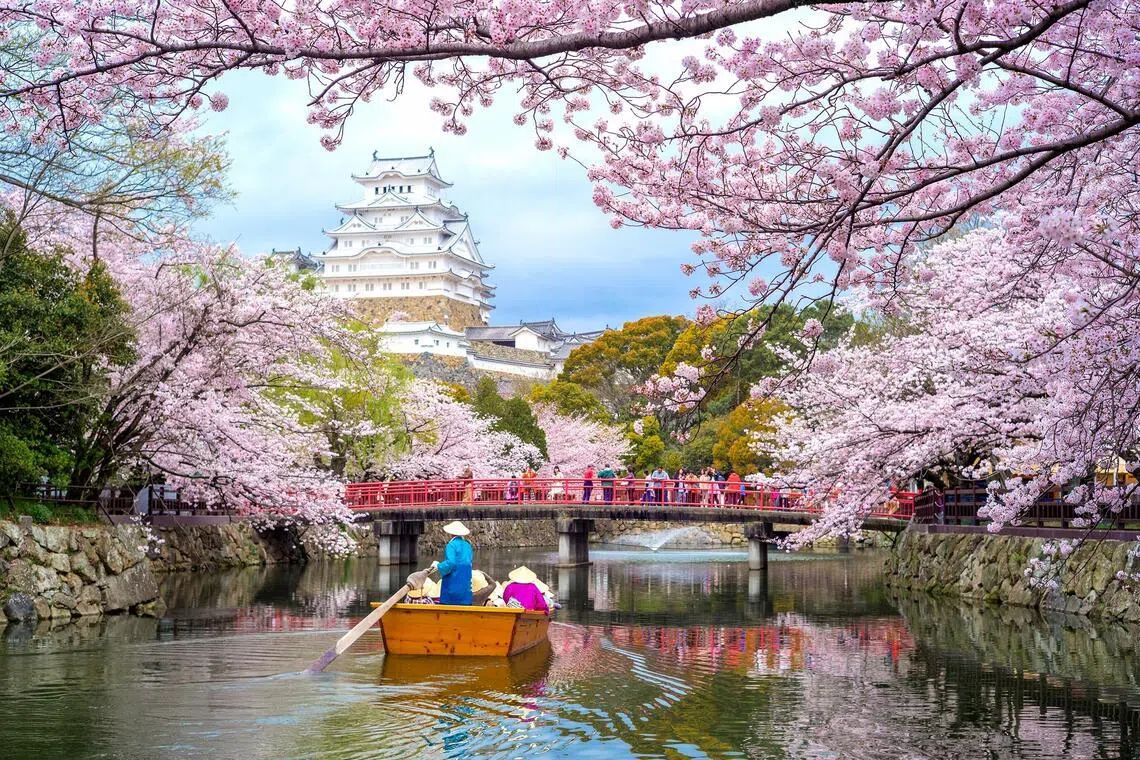
Japan is among the countries that Singapore travellers are booking holidays to as war wages on in the Middle East.
PHOTO: ADOBE STOCK
She adds that as regional destinations become a greater priority in uncertain times, the trend of exploring Japan’s lesser-known cities beyond the well-trodden Golden Route – typically linking major tourist hubs Tokyo, Kyoto and Osaka – could accelerate.
Mr Ryo Ijichi, director at French luxury cruise line Ponant for Japan and South Korea, says travel patterns may diversify further if the conflict persists, echoing shifts seen during the pandemic.
“With the current crises, travellers tend to look closer to home. I think it might diversify travel demand,” he says. For instance, people may explore experiences within reach again, such as staycations, cruise sailings or trips beyond major city centres to smaller towns and regional destinations.
Mr Bala Selvam, regional security director at health and security risk services company International SOS, notes that while leisure travellers are adjusting their plans, the human impact of conflict falls far more heavily on those living or working in the affected regions.
“Leisure travel has a choice element,” he says. “If someone decides not to transit through Dubai or Doha, he or she can simply travel somewhere else, maybe a regional beach destination, or even take a staycation.”
In contrast, business travellers and expatriates based in affected areas often have far fewer options. Some face disrupted flights, uncertainty over jobs or postings, and difficult decisions about relocating their families.
Even so, Mr Bala says leisure travel demand tends to remain resilient. “War is not new. People still travel every year, and travel numbers continue to climb,” he says.
Travellers who are concerned can opt for routes that avoid affected transit hubs, choose destinations closer to home or delay long-haul trips until the situation stabilises, say travel experts.
AloJapan.com