
We washed our hands and mouths at the mossy tsukubai (basin), then climbed the steep stone steps up to the shrine. With its thick wooden pillars and cypress-bark roof, Kamosu loomed large and handsome before the forest; dating from the late 16th century, it’s the oldest example of taisha-zukuri (“grand shrine”) architecture in all Japan, and a designated National Treasure. However, there was something odd. While a small group of locals was there, busily weaving a new shimenawa, straw ropes hung to ward off evil sprits, where were all the tourists?
Japan is predicted to receive more than 40 million visitors for the first time this year, and a large proportion are likely to descend on the lauded old capital, Kyoto.
In 2024, the city attracted 10.88 million visitors, and this month, to fund measures to counter overtourism, Kyoto’s accommodation tax is being increased by up to 900 per cent – meaning that at top-end hotels, guests will pay an extra £50 per person, per night.
New FeatureIn ShortQuick Stories. Same trusted journalism.
This leaves Kyoto expensive as well as crowded. So, what if you went somewhere else instead?
Japan has 38 towns recognised as “Little Kyotos” – places that bear a resemblance in their landscapes, historical links or traditional cultures.
One of those is Matsue, sandwiched between two lakes on the north coast of western Honshu. It’s the capital of Shimane, Japan’s least-visited prefecture, and home to one of the country’s best-preserved medieval castles, as well as a small samurai district and lauded sunsets – with a daily “Lake Shinji Sunset Index” giving scores out of 100, predicting how good it will be.
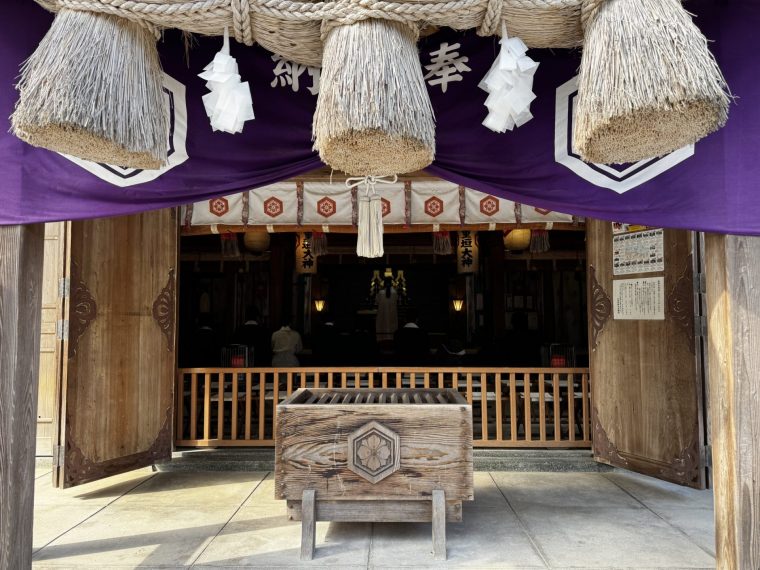 A Shinto shrine in Matsue (Photo: Sarah Baxter)
InsideJapan tours recommended I give Matsue a try while in Japan with my husband. Last year the company developed an undertourism strategy to try to encourage more people to explore less-frequented areas that actively want visitors. We were happy to oblige.
Having arrived by train, we strolled around Kyomise, Matsue’s old shopping district, designed in the 18th century to resemble the streets of Kyoto.
Along the lanes, stores sold tea and sake, fearsomely sharp knives, second-hand vinyl and excellent coffee.
At Little Court, a merchant house turned cafe on the Kyobashi River, the owner sifted beans like they were gemstones before making us fresh-roasted brews.
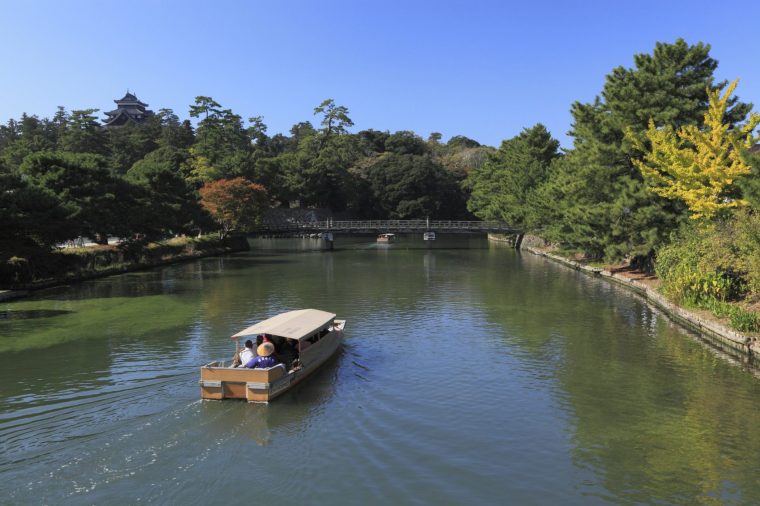 A boat makes its way along the Hori River in Matsue (Photo: MIXA/Getty)
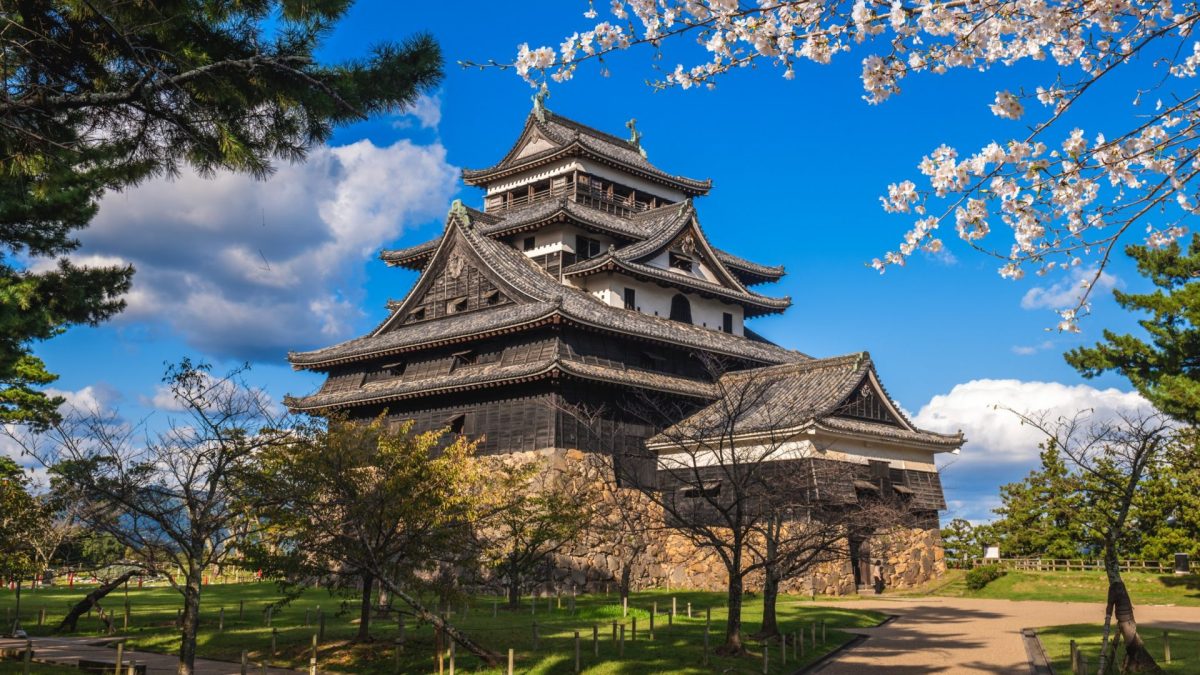
The city’s most obvious site is the moated hilltop castle. Built in 1611, it’s a rare medieval original, having survived earthquakes, bombs and anti-feudalist sentiment. Inside, we made our way up steep wooden steps, polished smooth by be-socked feet, through the dark, spartan floors, where arrow slits and stone-dropping windows provided tiny peeps of light. The reward came at the top, which offered 360-views across the fluted roof to the city, lake and peaks beyond.
While many foreign tourists haven’t heard of Matsue, it is gaining recognition domestically.
Japan’s latest asadora – a popular “morning drama”, aired daily on national TV – is The Ghost Writer’s Wife, set here and based on the life of Greek-Irish writer Lafcadio Hearn.
Hearn moved to Japan in 1890 and lived for a time near Matsue castle where he started penning Glimpses of Unfamiliar Japan and translating supernatural stories.
We visited his former residence and the museum next door, filled with his possessions. In fact, we couldn’t avoid him: TV posters – featuring British actor Tommy Bastow, who plays him – were plastered all over town.
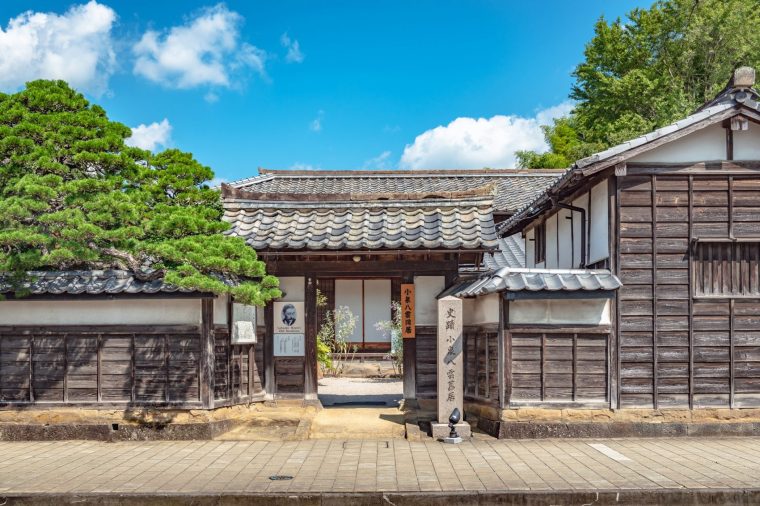 The Lafcadio Hearn Memorial Museum in Matsue (Photo: Taira Masao/Getty)
Matsue doesn’t have the cultural depth of Kyoto. We didn’t see any skittering geishas – but we also saw few Western tourists, and felt like we were making proper discoveries.
For instance, on our second day we hired cheap, cranky bicycles and weaved south, ending up in the area of Fudoki-no-Oka.
This rural outskirt was formerly the heart of ancient Izumo, a province historically regarded as the home of the gods and birthplace of Japanese culture itself.
Hundreds of kofun (large stone-and-earth burial mounds) dating back to AD 200 pimple the mountain-flanked plains and a museum displays centuries of relics from the graves – and we were the only visitors.
It was the same at the neighbouring handicraft centre, where we browsed beautiful objects – loom-woven scarves, clay pottery, mingeishi paper – before heading to the cafe for cheap soba.
Here, at least, there were plenty of people, all local. An older gent at the next table asked if we liked the noodles: “I made them this morning,” he said. We nodded, between respectful slurps.
Our bicycle adventure also took us to the tourist-free Kamosu shrine as well as Yuushien, a manicured garden on an island in Lake Nakaumi, where the winter peonies were blooming and a mist machine blasted every few minutes, adding extra atmosphere to the sculpted pines.
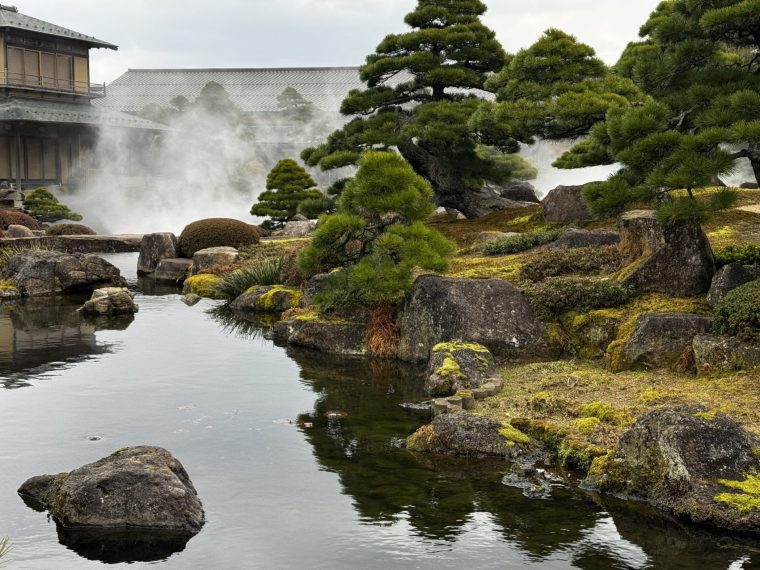 A serene moment in Yuushien Garden, Matsue (Photo: Sarah Baxter)
At Yaegaki, a sacred place for matchmaking, my husband and I joined the throngs performing its must-do ritual: placing a fortune-telling paper on the pond and balancing a coin on top. If it sinks quickly, a good marriage will come quickly; if not, you’ll have to wait. I took our fast-sinking sheet as a good sign.
Kyoto is famed for its exquisite kaiseki – a type of multi-course tasting menu – and for our last hurrah in Matsue we opted for something equally impressive, if less refined.
Kawakyo – a tiny izakaya with a counter seating eight, – has been run by the same family for 56 years and is renowned for its “Seven Delicacies of Lake Shinji”.
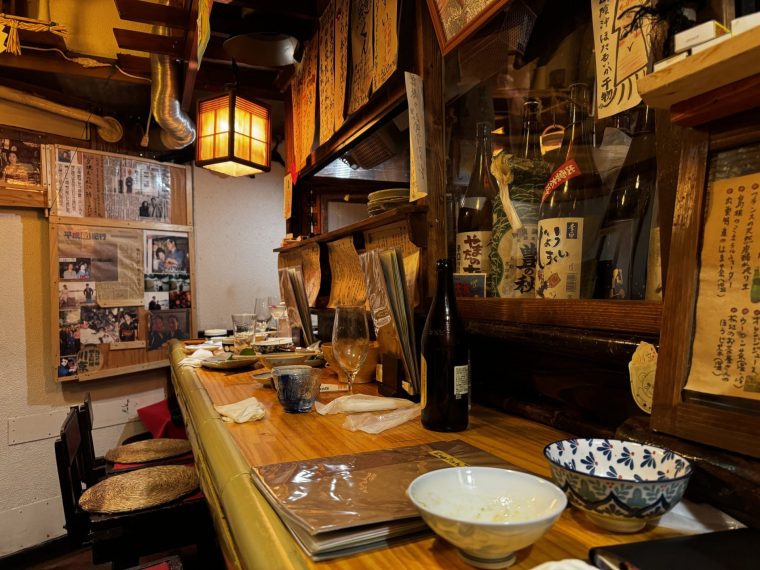 Feasting on seafood at Kawakyo (Photo: Sarah Baxter)
And although it felt extremely local, a handwritten English menu explained the deluge of dishes that were soon passed over from the little kitchen: Shinji clams – in both thick broth and delicious rice porridge; minced eel; sea bass steamed in washi paper; super-fresh sashimi; a platter of snow crab, conch and goose barnacles.
This bounty cost £30 a head, less than Kyoto’s accommodation tax – and, like the rest of our trip, proved to be a greater adventure.
How to get there
Japan Airlines flies from London to Tokyo; the nearest airport to Matsue is Izumo, a 90-minute flight from Tokyo.
Tokyo-Matsue night buses take about 12 hours.
The writer was a guest of InsideJapan, which offers guided, self-guided and tailor-made tours, including an “under-tourism” programme focusing on less-visited regions. A 14-night
self-guided trip including Matsue starts at £5,760pp
AloJapan.com