
Every lunchtime and evening at his restaurant in Tokyo’s Ginza district, Toshikatsu Aoki prepares miniature masterpieces of rice, fish and vegetables. People come from all over the world and pay as much as ¥55,000 (£260) a head for his sushi, crafted from the freshest seasonal ingredients. But recently Aoki’s art, and that of sushi chefs across Japan, has come under threat from a new and unexpected issue: smelly foreigners.
Often it is an excess of perfume and cologne. Sometimes it is just the fabric conditioner they use on their clothes. Even the lingering smell of cigarettes or hands recently washed in soap, Aoki insists, impairs the delicate aromas and tastes of his sushi — for everyone else in the small restaurant, not only those generating the smells.
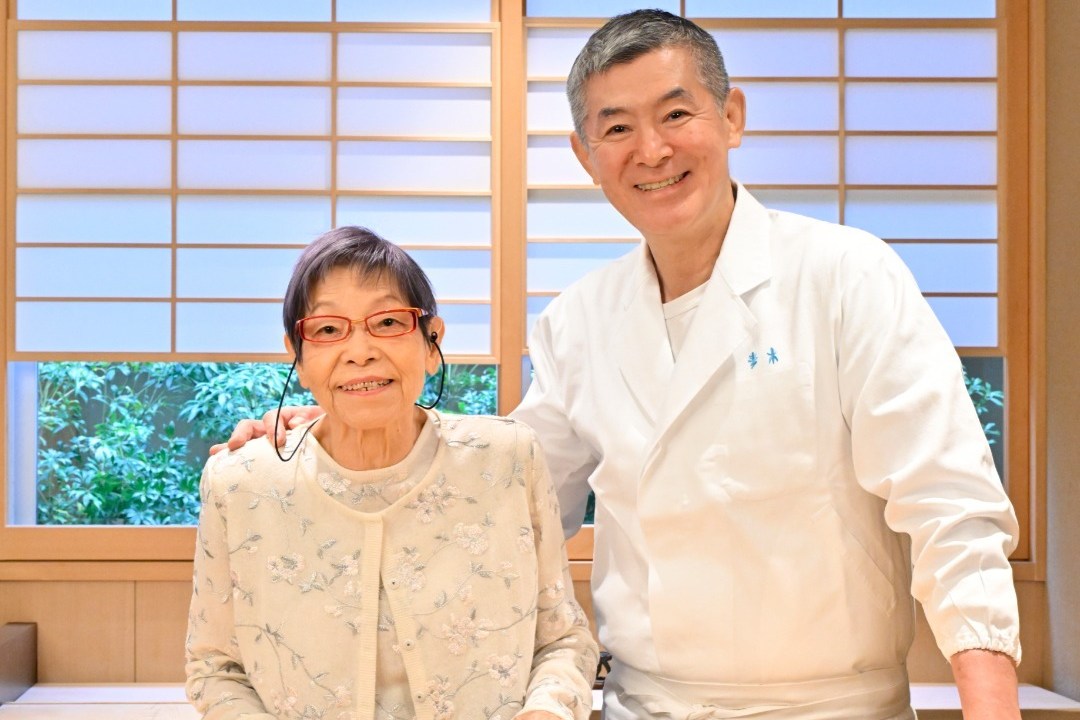
Toshikatsu Aoki, right, at his Ginza restaurant
“Perfume is a problem,” Chieko Tanaka, who advises foreigners in Japan on cultural etiquette, says. “We Japanese don’t wear it. We place value on smell to appreciate the flavour of the sushi. But some tourists wear perfume and you can smell it — and the taste changes.”
Across Japan, sushi restaurants are updating their websites and advertising with new rules in English: no perfume.
Modern-day travellers to Japan know that it is a country of refined customs and elevated manners — gone are the days when foreign visitors trampled tatami mats in their booted feet, or jumped into onsen baths without washing first. But having climbed the foothills of Japanese etiquette, a whole new mountain range of unwritten, and often unspoken, rules reveals itself — and more and more foreign visitors are coming to grief on its slopes.
For the past few years, and with increasing intensity since the end of the Covid-19 pandemic, Japan has been in a collective tizzy about the problem of overtourism — or obatsurizumu, as it is rendered in Japanese. The huge and rapid surge in inbound tourism, from 6.2 million visitors in 2011 to more than 43 million last year, has brought dramatic and visible change to many places in Japan, and an increasing sense of confusion and unhappiness.
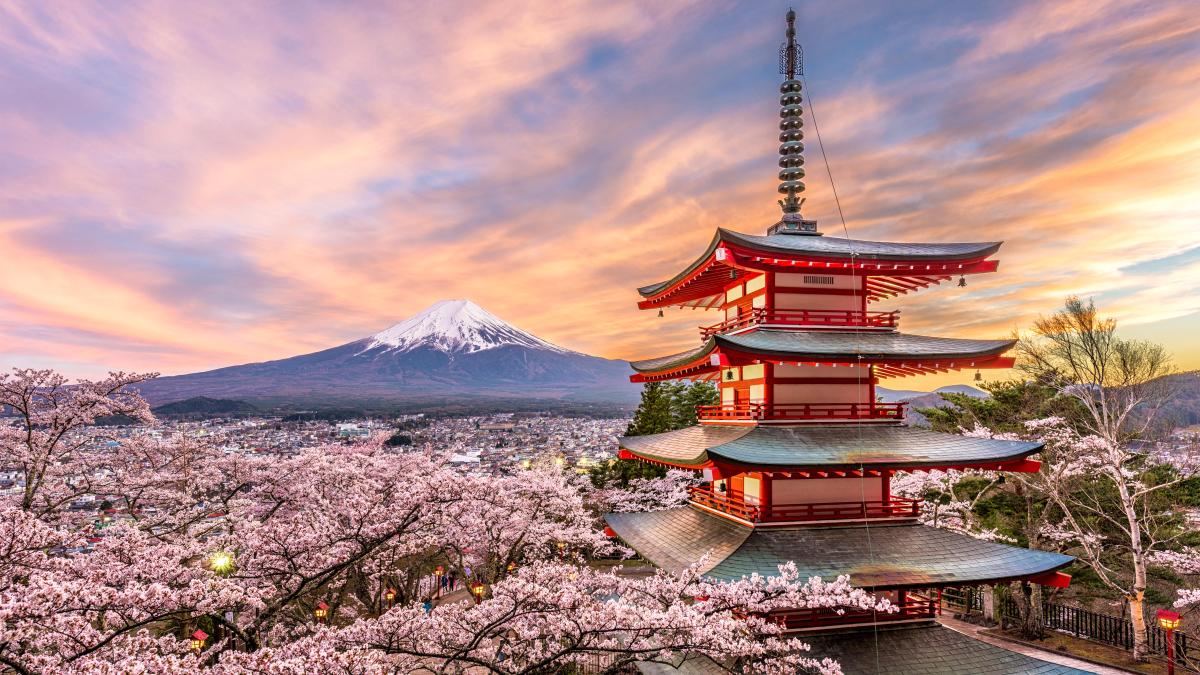
Barriers have been erected to frustrate the crowds of tourists taking photographs of Mount Fuji in the town of Fujikawaguchiko. The spring cherry blossom festival in the town of Fujiyoshida has been cancelled after “bad behaviour” by foreign visitors last year.

A barrier blocking the sight of Mount Fuji in Fujikawaguchiko
KAZUHIRO NOGI/GETTY IMAGES
The fuss about foreigners has fed into support for xenophobic far-right political parties, including Sanseito, which went from 2 to 13 seats in last month’s general election. The discontent is genuine but on examination, most of the sins attributed to foreign tourists are trivial, on a par with the crime of eating sushi while wearing aftershave.
• Tourists love Japan, but under the surface it’s a Land of Rising Anger
The most obvious are caused by the huge and rapid surge in tourist crowds, which are concentrated in a relatively small number of overvisited sites. Pavements and municipal buses in the old imperial city of Kyoto are filled with tourists and their luggage, causing understandable irritation to locals going about their daily lives.
Less obvious are the violations of what Japanese calls “manaa”, or good manners, the unwritten rules that every native grows up with and which impart one of the things that strikes visitors the most — the country’s atmosphere of eerie order and otherworldly calm.
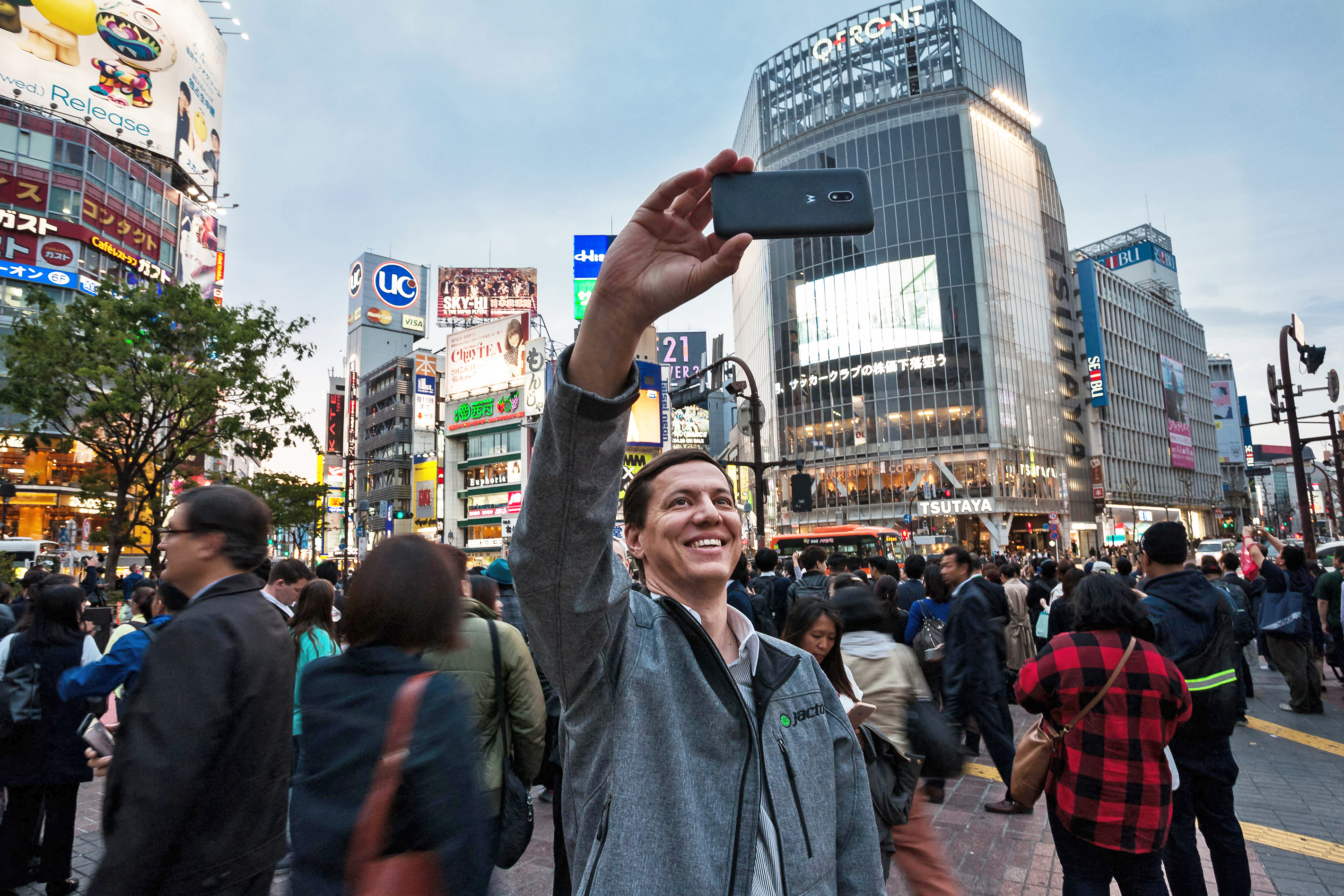
Shibuya Crossing in Tokyo
ALAMY
“The biggest thing is the gap between local people and tourists,” Tanaka, who lives in Kyoto, says. “Travellers feel that they are the guest, they are paying money, and that a destination is a place that should entertain them — this is understandable. But local residents often feel differently — they wonder why visitors come to their town but don’t give priority to the people who actually live there.”
Rarely is the behaviour malicious. Often it is just a matter of people innocently behaving in Japan the way they would at home. It will almost never attract comment or reproach, but it is deeply felt. When a party of foreigners walks through a quiet neighbourhood laughing high-spiritedly, when a tourist opens a can of beer on a street or answers his mobile phone on a train, silently, invisibly, Japanese people around him are cringing.
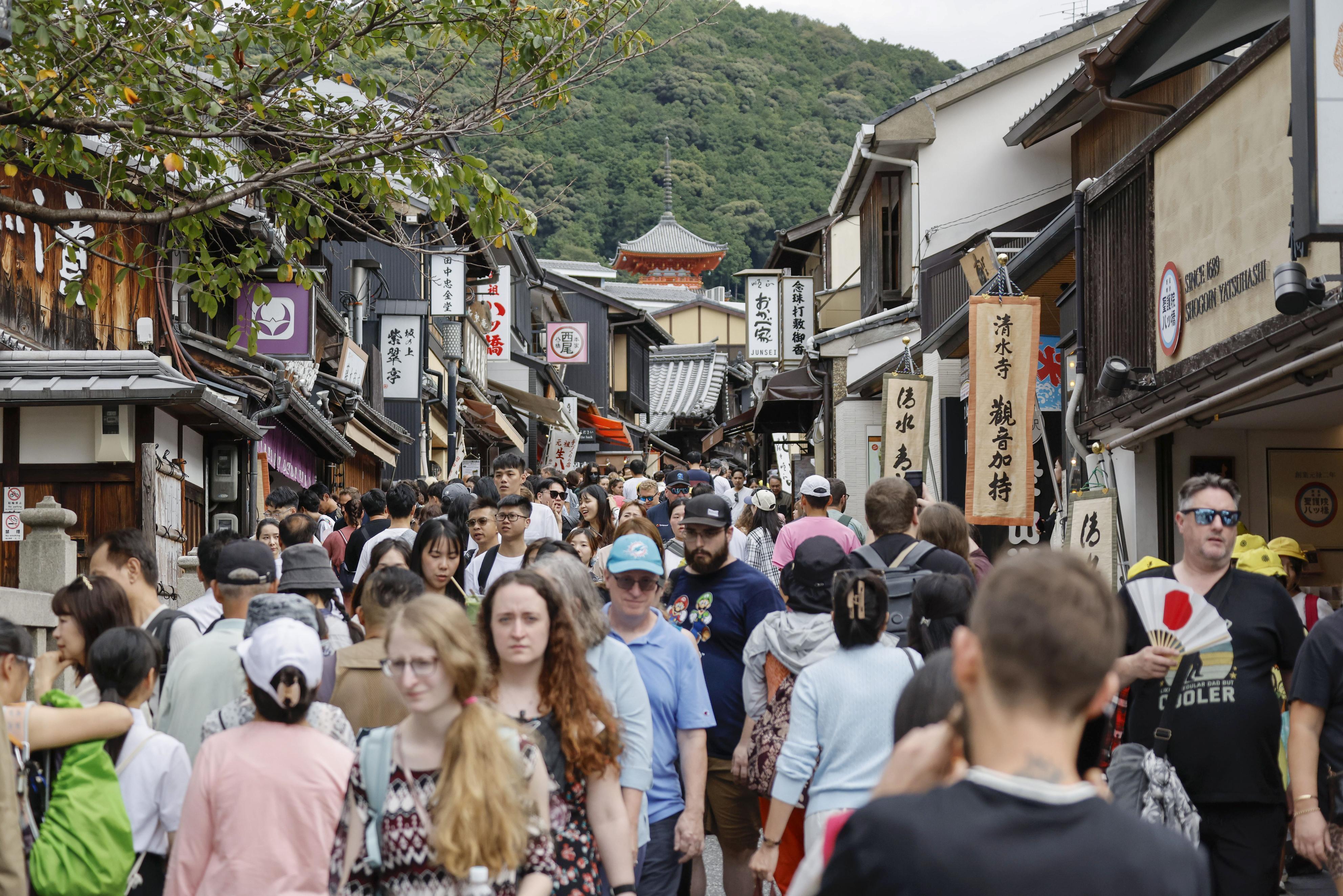
Tourists crowd the streets of Kyoto
GETTY IMAGES
What to do about the problem? Having opened the dam, cutting back on tourists is impractical — apart from anything else they spent a record ¥9.5 trillion (£45 billion) last year. One of the policies Tanaka proposes is educating Japanese people in the way they benefit from this bounty, for example in subsidising the buses which, however crowded, are free for the elderly.
But she also insists on a new standard of sensitivity for foreign visitors, which she calls “Touristship”, by analogy with sportsmanship. “Travellers need a new mindset, where they recognise that there are real lives in the place they visit,” she says. “Tourism is an industry of peace — it helps people to understand another culture or way of thinking. But in the real world in Japan, it’s not like that — people are hating one another more.”
AloJapan.com