
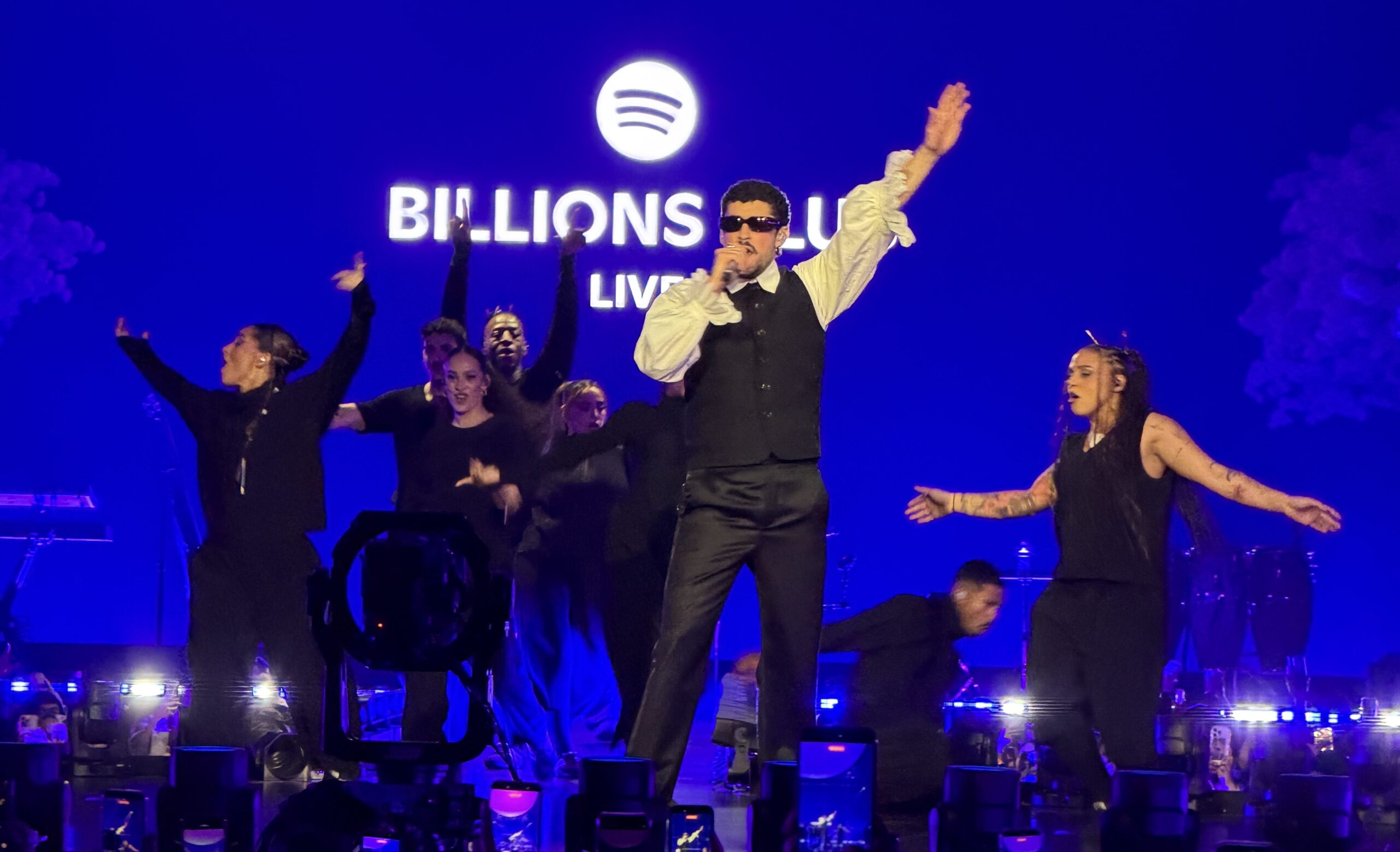
There are very few situations in which I would be willing to travel halfway around the world, from New York City to Tokyo, to spend just 72 hours there. An invitation to see Bad Bunny perform there for the first-time ever, in celebration of his entry into Spotify’s Billions Club? To a crowd of just 2,300 people? はい. Si. Yes. That should do it.
It’s an important landmark, both for the culture and for me personally: As a 33 year old gay Latino man, the byproduct of Mexican-American cultures, the importance of this historic moment for Bad Bunny—29 of his tracks have been streamed on Spotify more than a billion times, the second highest of any artist—and by consequence, my people, is not lost on me. So I accepted the invitation without hesitation. In the words of Benito: la vida es una fiesta que un día termina (Life is a party that will end one day). Might as well live it to the fullest, right?
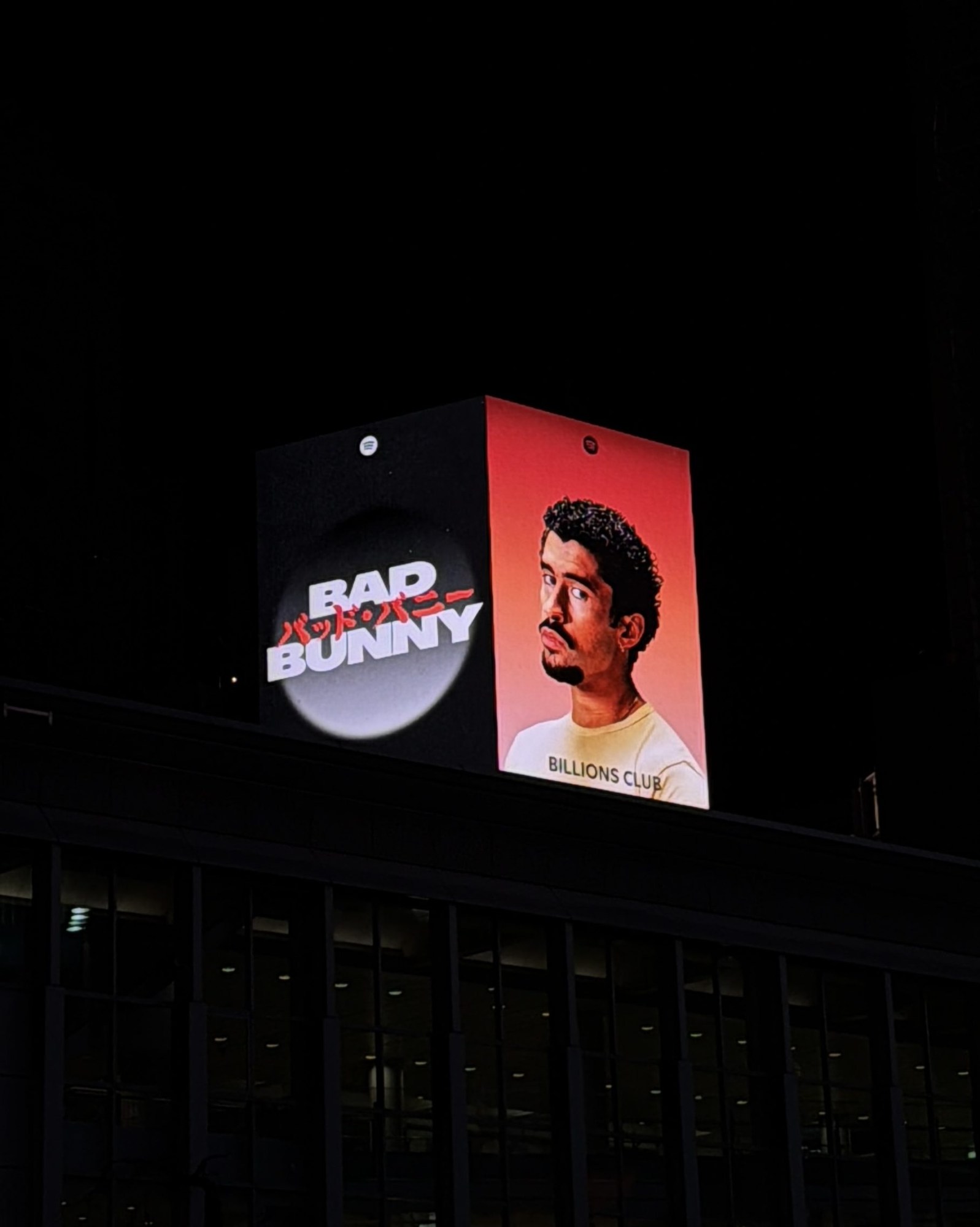
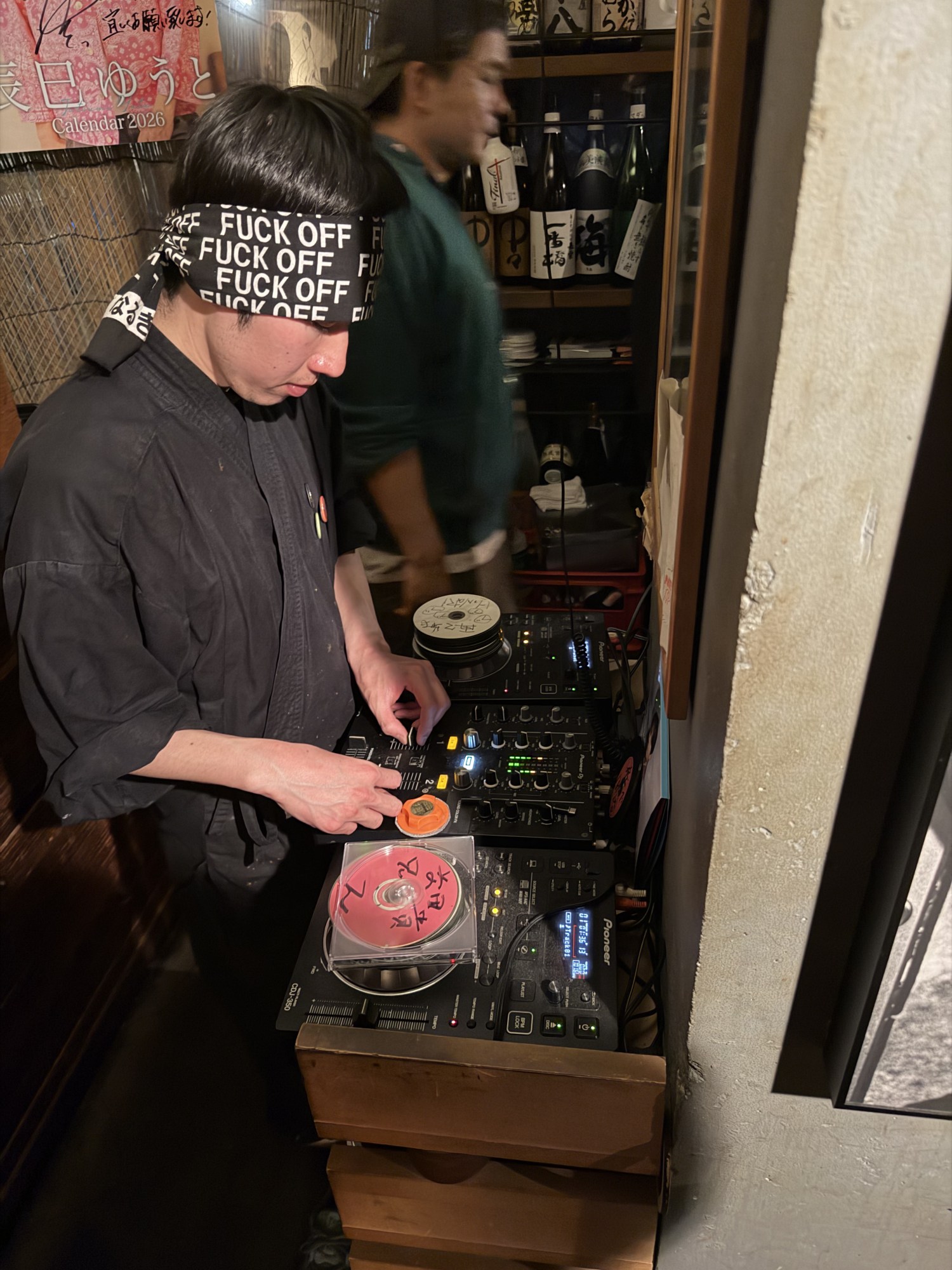
I arrived at Haneda Airport on Thursday, running on adrenaline and the power of el perreotaking over me. After a quick shower, me and a bunch of editors from all over the world were loaded into a caravan of local taxis to Ginza Music Bar, where I tried an octopus snack and the DJ was spinning Sade on vinyl. Later, we stopped by the famous Shibuya Crossing to get a good look at the Spotify announcement of Bad Bunny’s performance in Tokyo. He looked like a saint up there.
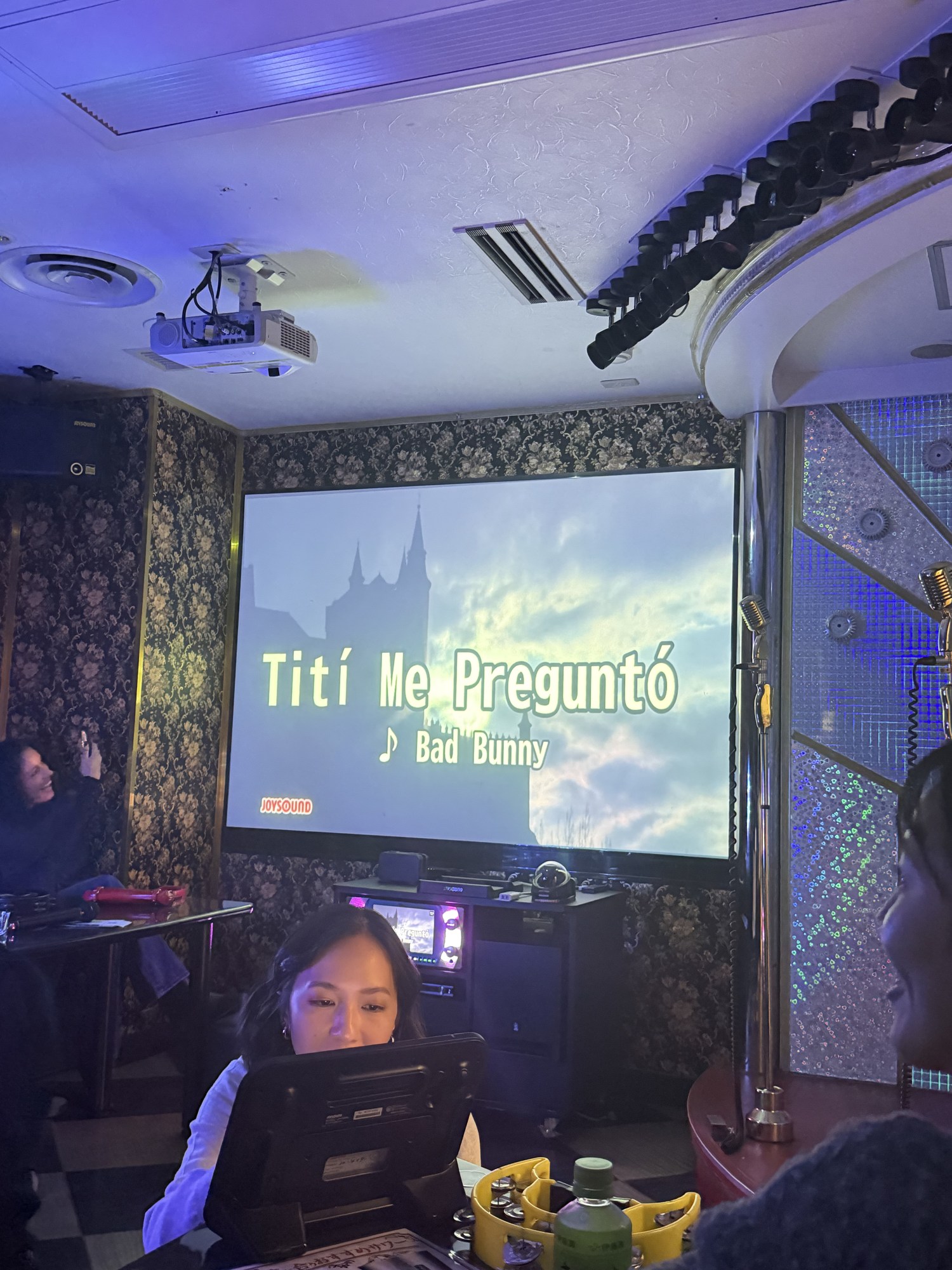
Friday came around, and a few of us headed out to find something to wear to the concert. After a must stop at the Pokémon and Nintendo stores—and a few hours lost in Harajuku —I returned to the hotel with no new clothes, a Mario Kart game for my Switch, and a Vulpix sticker. For dinner we were summoned to Narukiyo, an Izakaya restaurant that counts Madonna as a past patron. We sat on traditional Tatami cushions, I tried sea urchin for the first time, and ate everything that was put in front of and around me. Then came tequila-fuelled karaoke in Shibuya. “Titi Me Pregunto” was queued up and the vibes shifted as it played, the spirit of Bad Bunny taking over. I think we did more shots, then a few gays and girls, myself included, ended up at a Latino bar dancing to salsa, debow, reggeaton, and some Mexican music. It was the perfect amuse-bouche to Benito’s concert.
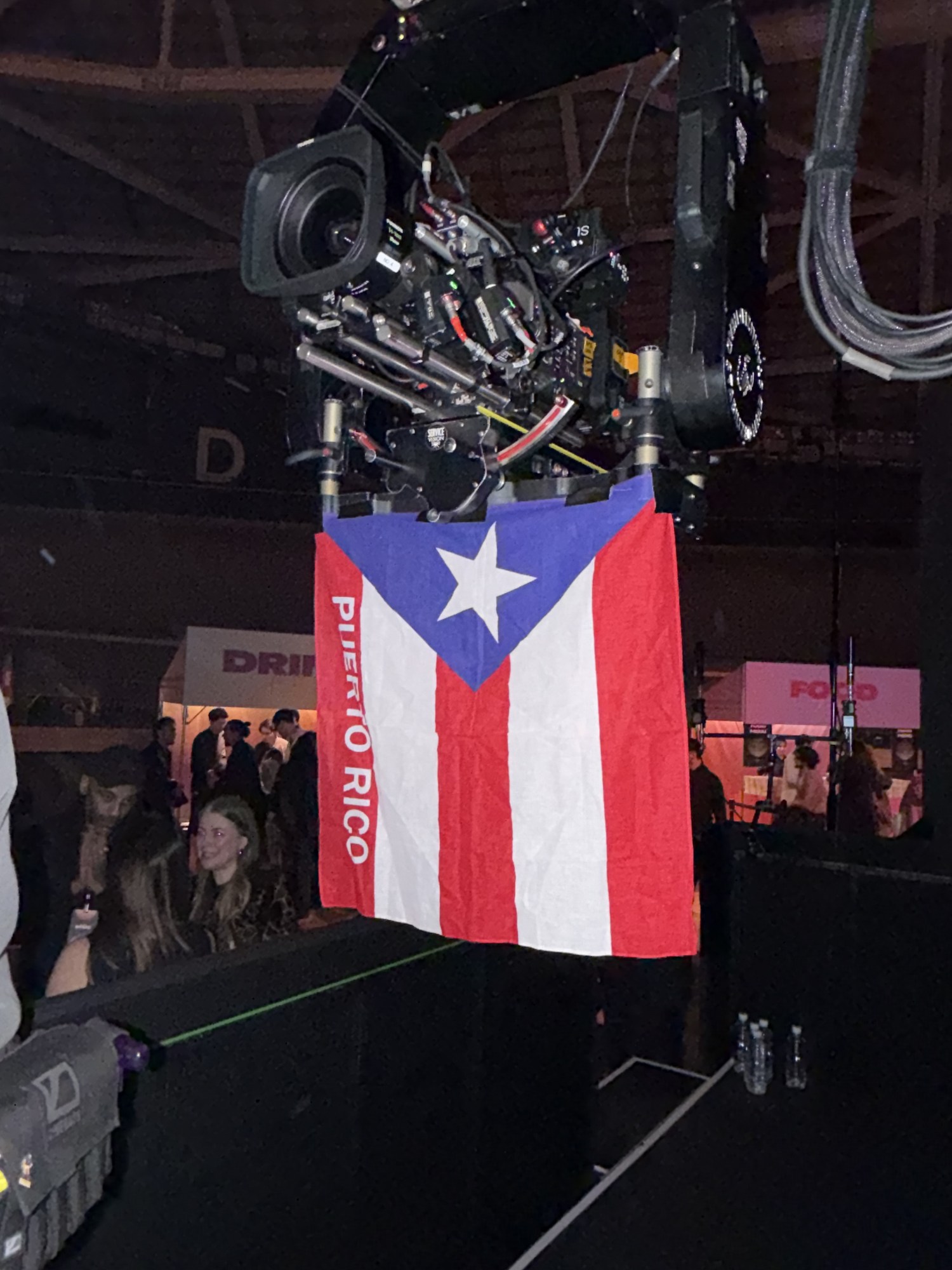
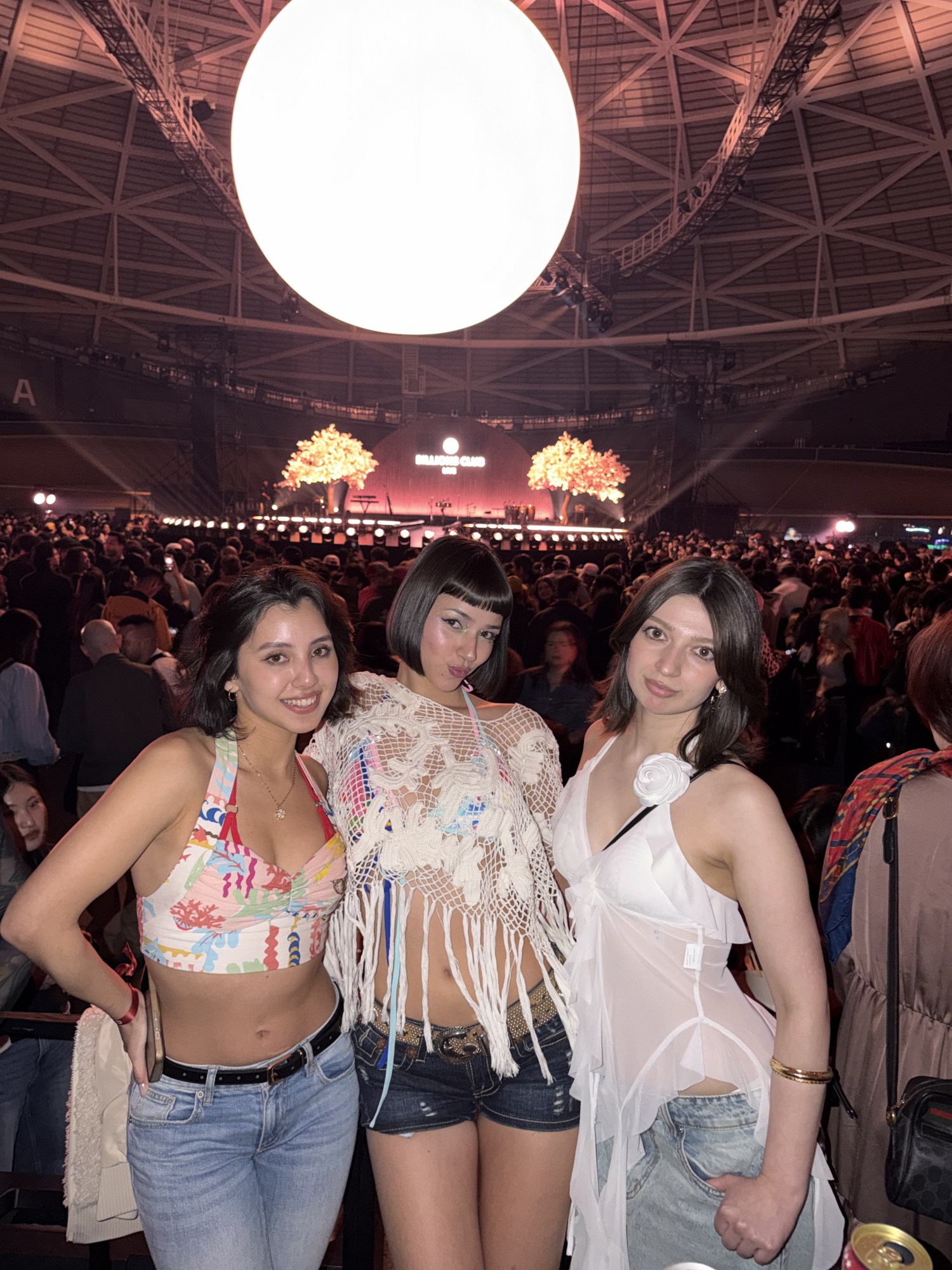
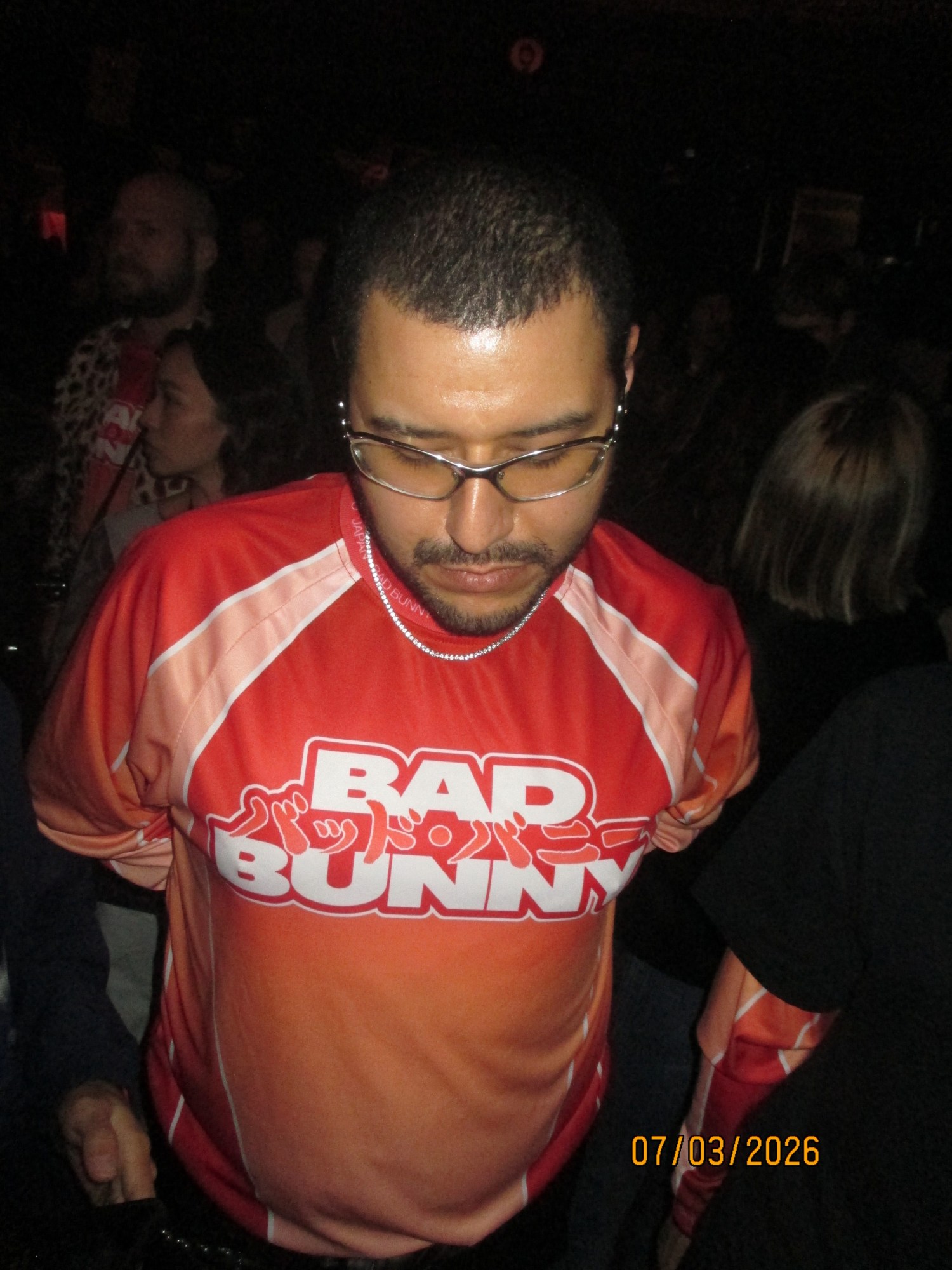
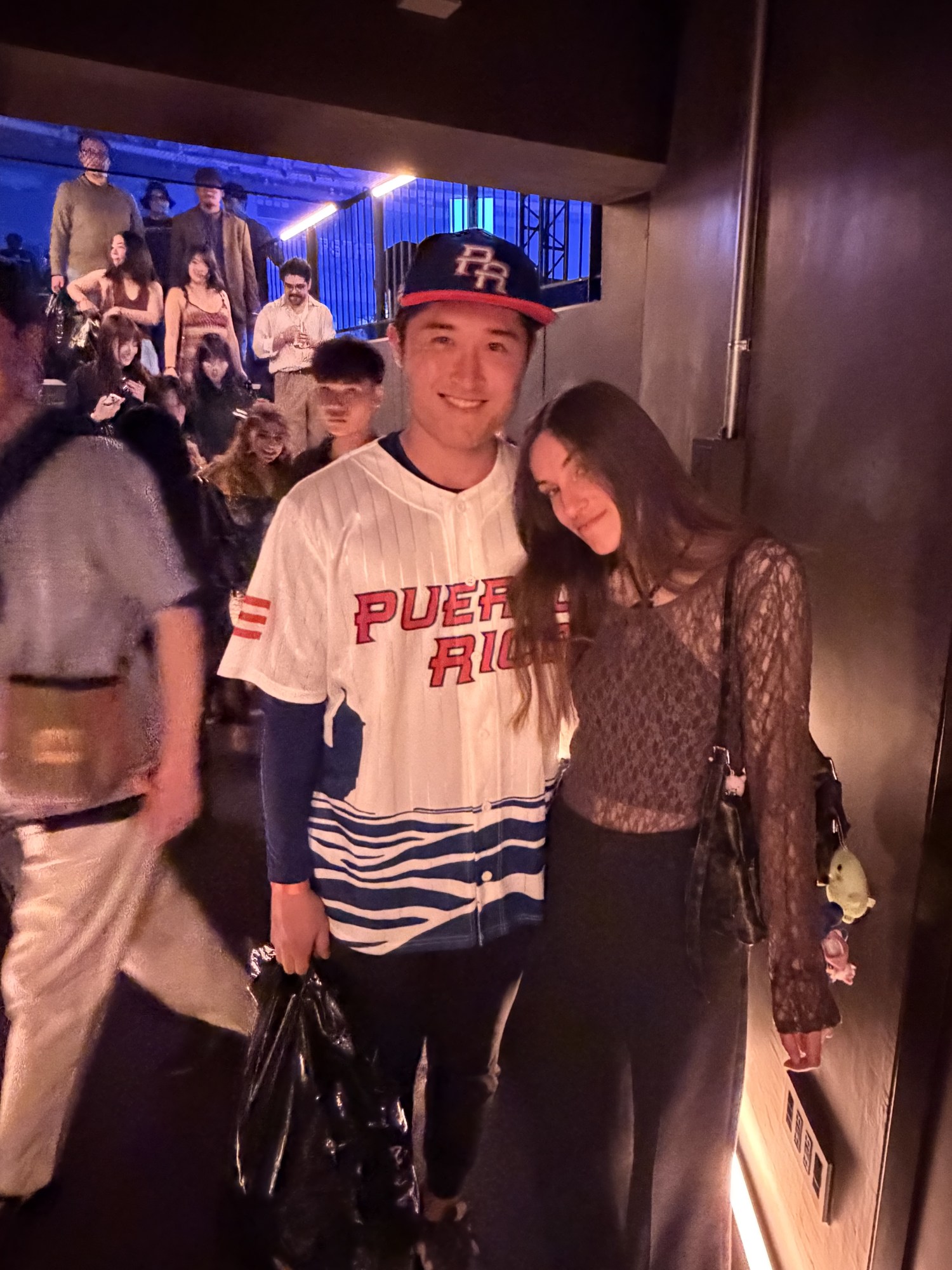
Finally, the day had arrived. After a quick sushi lunch, it was time to get ready and head to Benito. At the venue, we were met by a crowd of fans waving flags from Japan, but also Puerto Rico, Ecuador, Mexico, Argentina, and many other Latin countries, eager to get inside and claim a good spot for the show. I was about to see Benito do his thing on stage, up close and personal. Que emocion! I felt a sense of pride to be Latino and to be able to experience this moment.
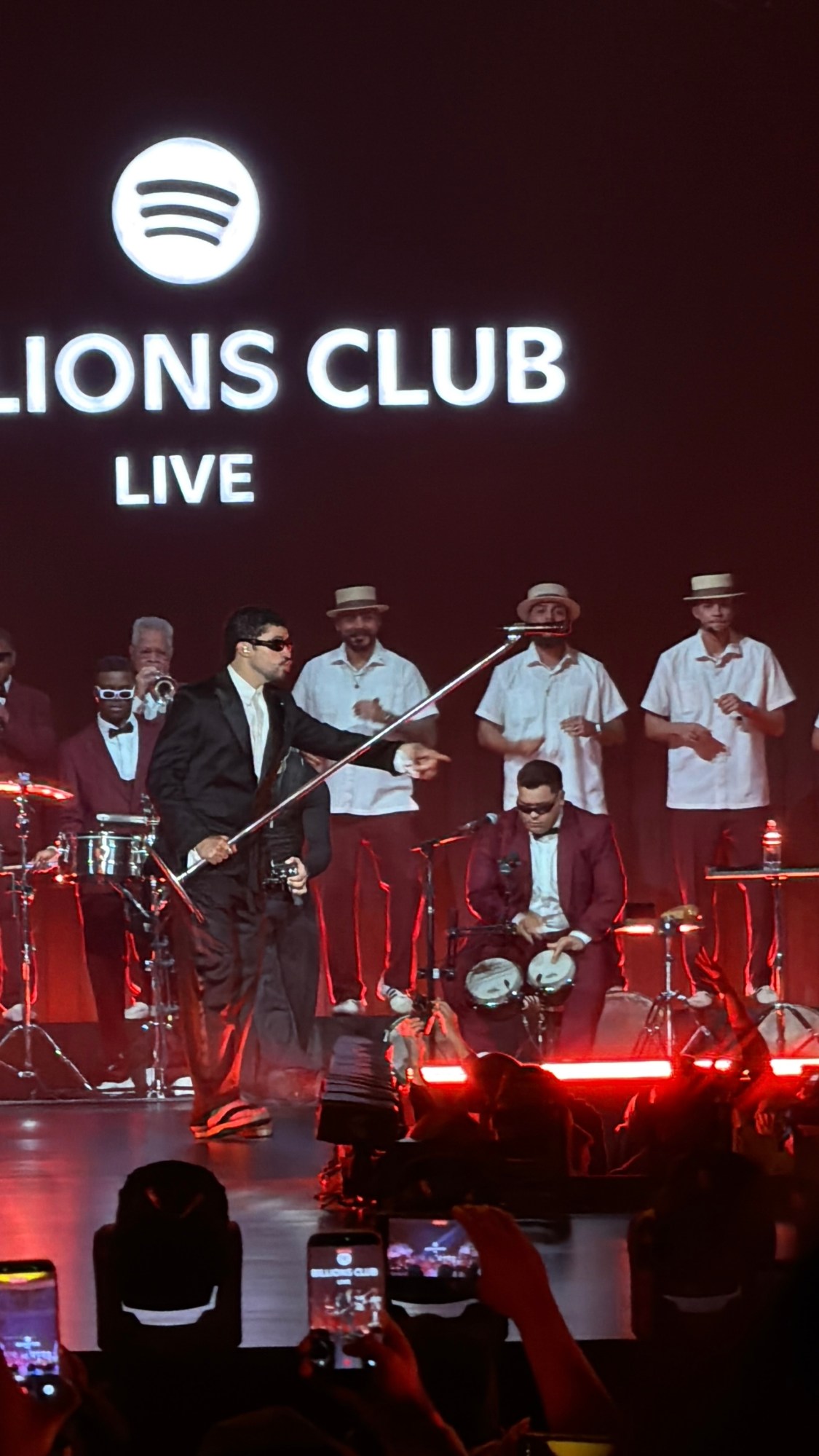
The lights went down, and a Japanese fan shouted: “Acho, PR es otra cosa! (Puerto Rico is in a league of its own)”, the now iconic phrase fans shout before the beat drops on his song “EoO.” He was emotional, stopping to take the moment in, and jokingly asking the crowd if he should talk to them in English or Spanish. “Esque yo no hablo Japonés (I don’t speak Japanese),” he said, smirking. He wore a custom Bode suit, with a Tokyo motif, that was hand carried to Tokyo from New York for the occasion, and paired it with traditional Zori flat sandals. If you see me rocking a pair of them around the Lower East Side, you know why.
The night’s big moment came when Benito sang his anime-tinted song, 2021’s “Yonaguni” and the crowd sang its Japanese lyrics back to him. They were so loud you’d think there were a billion bodies in the room.
On the flight home, I re-played the concert in my head, and tried to process the moment I’d just witnessed. I kept going back to this lyric, simple yet poignant: “Ahora todos quieren ser Latinos (Now everybody wants to be Latino).” I had been waiting my whole life for this: a moment in culture and time where Latino culture is unequivocally seen and appreciated as a global power. Now I’m home, I hope it stays.
AloJapan.com