
 “Japanese people don’t even go, but they’re telling Koreans to come?”… Uproar over Japanese government’s ‘Fukushima promotion’
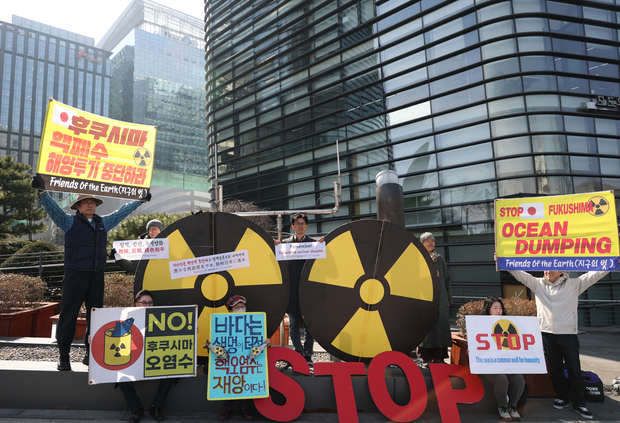
The Japanese government has launched a tourism promotion campaign for Fukushima on large outdoor screens in downtown Seoul and Busan. The move is interpreted as an effort to restore the region’s tourism image amid persistent concerns about radiation following the 2011 Fukushima nuclear disaster.
According to NHK and Mainichi Shimbun on Monday (local time), Japan’s Reconstruction Agency began broadcasting a 30-second promotional video titled “Now is the Time for Fukushima” on 15 large outdoor screens in Seoul and Busan starting Sunday. The video is scheduled to air more than 1,200 times through Thursday.
The video features Fukushima’s tourist attractions including Tsuruga Castle and local specialty sake. This marks the first time the Japanese government has used outdoor screens in South Korea to promote Fukushima tourism.
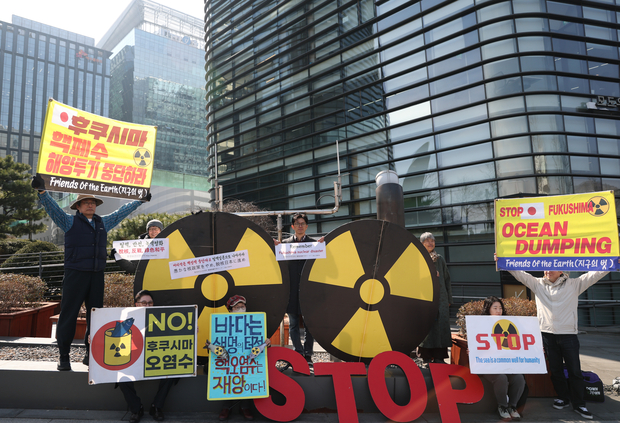
The campaign is seen as a response to persistent reluctance among Korean consumers toward Fukushima tourism and Japanese seafood due to radiation concerns following the 2011 Fukushima Daiichi Nuclear Power Plant accident.
While Korean tourists account for a significant portion of Japan’s tourism market, visits to Fukushima remain notably low. According to Fukushima Prefecture statistics, approximately 4,300 Koreans stayed at accommodations in the prefecture last year—only about one-tenth of pre-accident levels.
“South Korea continues to ban imports of seafood from Fukushima and seven other prefectures since the accident,” NHK reported. “This is an attempt to promote Fukushima’s recovery in South Korea, where concerns about the nuclear accident 15 years ago remain deeply rooted.”
15 Years After Fukushima: Nuclear Crisis Far From Over
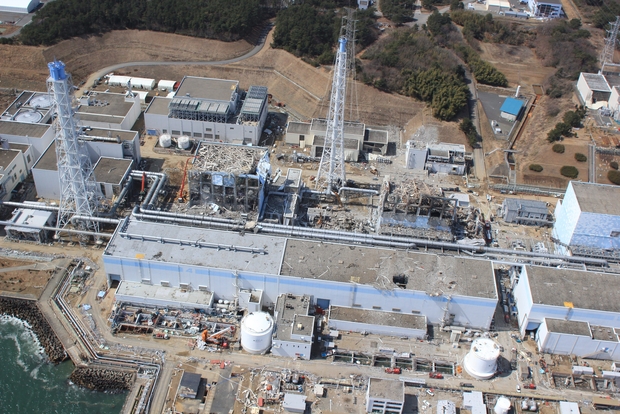
The Fukushima nuclear accident occurred following the Great East Japan Earthquake on March 11, 2011. The earthquake and tsunami caused the cooling system at Fukushima Daiichi Nuclear Power Plant to collapse, triggering a major nuclear disaster.
Approximately 160,000 residents within a 20-kilometer radius of the plant were evacuated at the time. Fifteen years later, some areas remain off-limits due to radiation levels that prevent residents from returning.
Decommissioning work is taking far longer than expected. Approximately 880 tons of nuclear fuel debris must be removed to fully decommission the damaged reactors, but radiation risks continue to delay the process.
Fuel debris removal, originally scheduled to begin in the early 2030s, has been pushed back due to technical challenges and is now expected to start after 2037.
Skepticism about the decommissioning timeline persists even within Japan. According to Tokyo Shimbun on Saturday, a mail survey of 1,902 Japanese citizens conducted by the Japan Public Opinion Research Association from January to March found that approximately 60% of respondents believe the government’s target of completing decommissioning before 2051 is unlikely to be achieved.
Only 7% said they believe decommissioning will proceed according to the schedule announced by the government and Tokyo Electric Power Company (TEPCO). Fifty-six percent of respondents rated the response by the government and TEPCO negatively.
Tokyo Shimbun analyzed the results as “revealing public doubt about the plan’s feasibility.”
Fukushima Agricultural Products Still Carry Stigma
Agricultural products from the Fukushima region have also not fully recovered consumer trust since the nuclear accident.
According to Nihon Keizai Shimbun on Saturday, prices for Fukushima-grown rice and some vegetables have recently risen due to supply shortages in Japan.
 “Japanese people don’t even go, but they’re telling Koreans to come?”… Uproar over Japanese government’s ‘Fukushima promotion’
The average trading price for 2025-harvest Fukushima Koshihikari rice reached 37,049 yen per 60 kilograms, about 2% above the national average. This represents a significant improvement from 2014, immediately after the accident, when prices were 18% below the national average.
However, this recovery is attributed more to rice supply shortages in Japan than to improved consumer perception.
Fukushima-grown bell peppers also traded at prices 7% above average at Tokyo markets due to reduced supply.
Premium agricultural products such as peaches and wagyu beef continue to lag in price recovery. Wholesale prices for Fukushima’s specialty peaches remain about 25% below the national average, failing to return to pre-accident levels.
Analysts suggest that consumers are more sensitive to production origins when purchasing premium products often bought as gifts.
Korean Tourism to Japan Surges, But Fukushima Remains Exception
 “Japanese people don’t even go, but they’re telling Koreans to come?”… Uproar over Japanese government’s ‘Fukushima promotion’
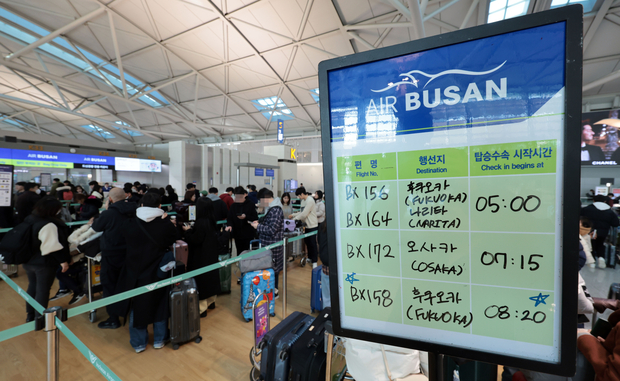
While perceptions of Fukushima remain cautious, Korean tourists are increasingly prominent in Japan’s overall tourism market.
According to January statistics from the Japan National Tourism Organization (JNTO), 3.597 million foreign tourists visited Japan, of which 1.176 million were Korean.
Koreans accounted for nearly one-third of all visitors, up 21.6% from the same month last year and a record high for any single month. The weak yen and geographic proximity are cited as contributing factors.
Despite rapidly growing demand for Japan travel, Fukushima is still viewed as a separate issue. Radiation concerns and seafood import bans following the nuclear accident remain sensitive matters.
As the Japanese government launches its direct tourism promotion in South Korea, observers say it remains to be seen whether these efforts will actually draw Korean tourists to Fukushima.
AloJapan.com