
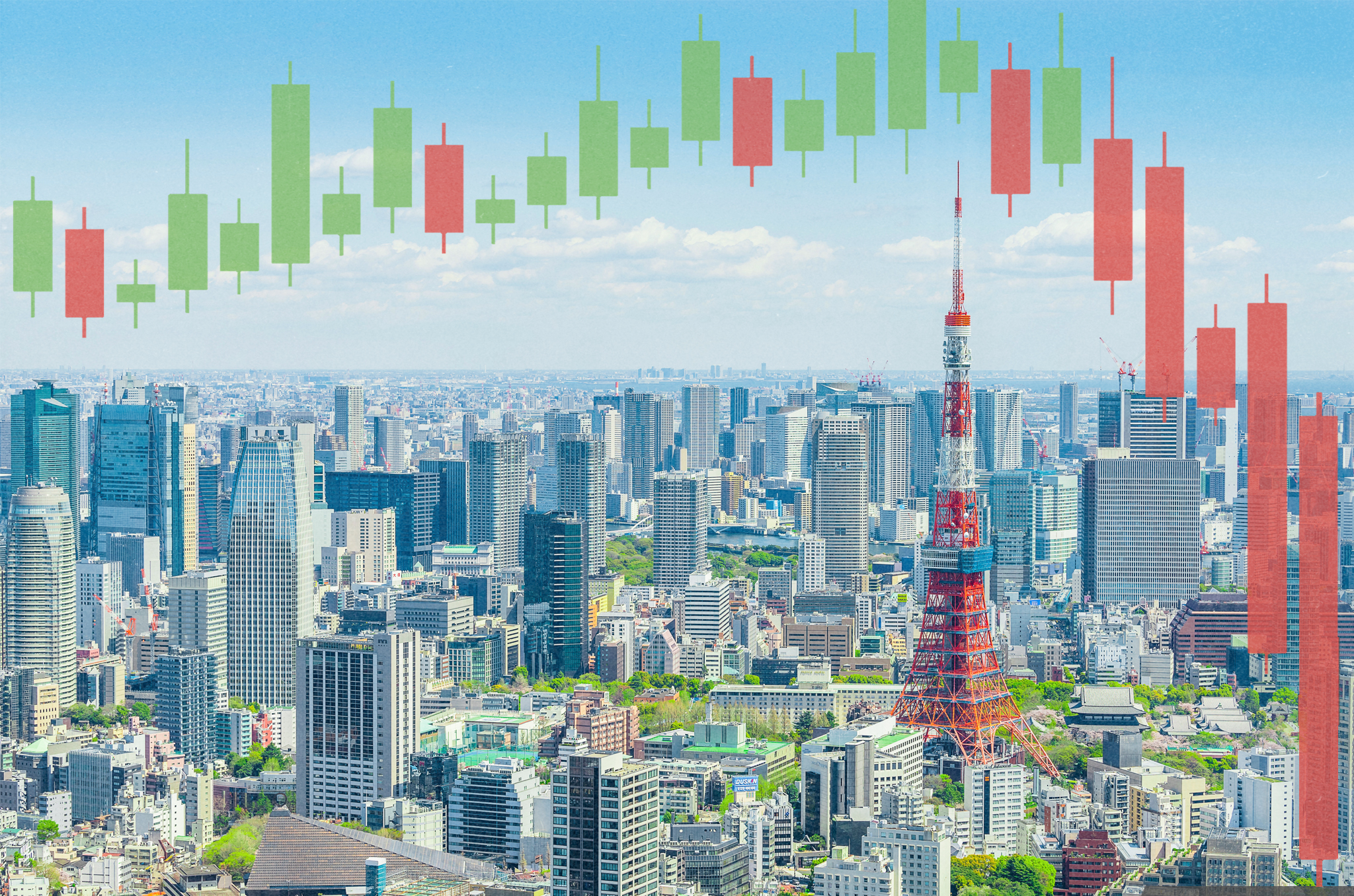
Tokyo stocks plunged Monday as a surge in oil prices fueled by the escalating war in the Middle East triggered panic among global investors. The Nikkei 225 at one point dropped more than 4,200 points, or 7.5%, the second-largest intraday point fall on record, before closing at 52,728, down 2,892 points, or 5.2%. Market analysts warned that this may be only the beginning, with continued geopolitical tensions likely to prolong volatility and test investor confidence across Asian and global markets.

Photo: Deniz Demir
Tokyo Stocks Highlight Japan’s Energy Vulnerability
Japan’s vulnerability is heightened by its dependence on imports for energy and raw materials. With nearly all of its oil and natural gas sourced from abroad, the country is acutely exposed to fluctuations in global commodity prices. Surging oil costs can ripple through the economy, raising production expenses and slowing growth. Households may face higher fuel and electricity bills, while manufacturers could see profit margins squeezed as energy-intensive industries struggle with rising operating expenditures.
Tanker traffic through the Strait of Hormuz has effectively come to a standstill as the conflict intensifies, choking off one of the world’s most critical energy corridors. With roughly a fifth of global oil supply normally passing through the strait, analysts say the disruption now represents the largest oil supply shock in history, more than double the previous record set during the Suez Crisis of 1956–57. It’s also nearly three times the size of the shock caused by the 1973 Arab oil embargo.
Virtually No Spare Oil Reserves
Unlike previous crises, the world now has virtually no spare oil reserves to address the disruption, as major producers such as Saudi Arabia and the United Arab Emirates have been cut off from key shipping lanes. “The conflict has not only taken offline a historically high share of global supply —it has simultaneously disrupted the primary holders of spare capacity,” the Rapidan Energy Group analysts said. “The result is a market with no meaningful cushion. There is no swing producer positioned to step in.”
The shutdown of tanker traffic through the Strait of Hormuz underscores how deeply intertwined global energy markets and geopolitical tensions have become. With major suppliers cut off and virtually no spare oil to stabilize the system, economies worldwide are now feeling the reverberations from soaring fuel costs to disruptions in trade and industrial production. For Japan and other import-dependent nations, the crisis highlights the vulnerability of energy supply chains and the broader risks posed by conflicts in critical regions of the world.
Related Posts
Discover Tokyo, Every Week
Get the city’s best stories, under-the-radar spots and exclusive invites delivered straight to your inbox.
AloJapan.com