
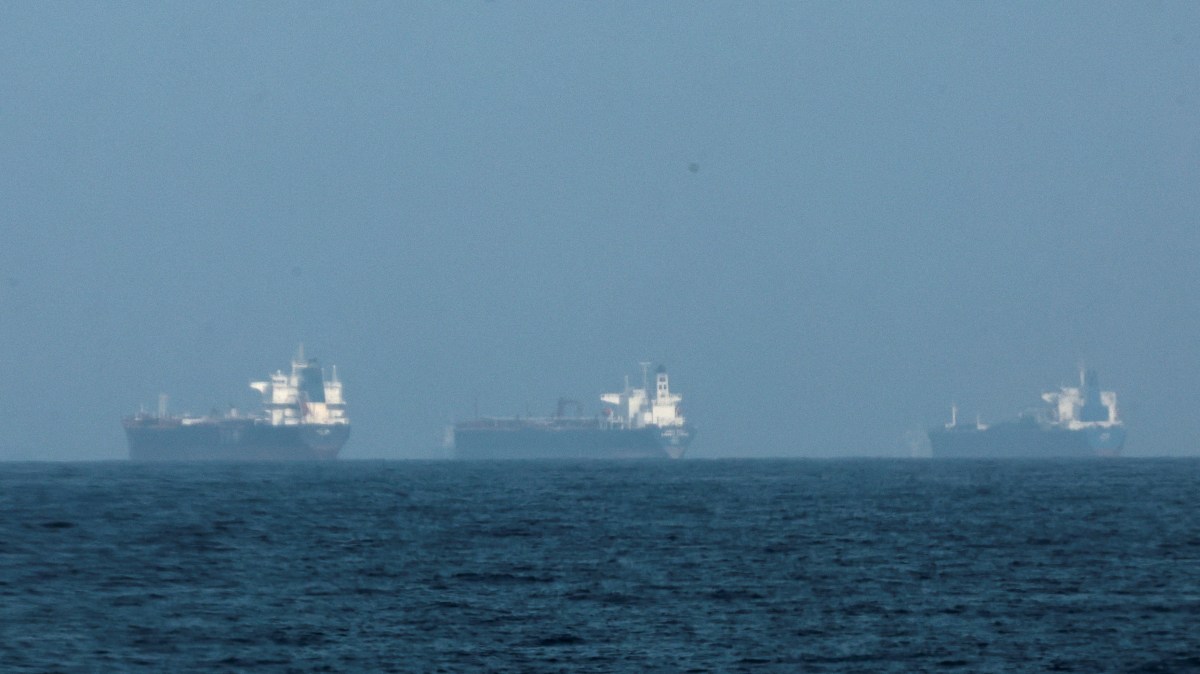
President Trump’s warning that the military action against Iran could last for four or five weeks but may go on for “far longer” unsettled investors around the world, causing wild swings across global energy, commodity, debt and equity markets on Tuesday. Here is how the day unfolded.
Japan and other resource-poor countries in the Asia Pacific region suffered a particularly negative session. Tokyo’s benchmark Nikkei 225 lost 3.1 per cent, the worst day since April 7 last year, while the Shanghai Composite shed 1.4 per cent and Australia’s S&P/ASX lost 1.3 per cent. Investors were concerned over disruption to the region’s energy supply after the closure of the Strait of Hormuz, which carries the bulk of their oil and natural gas.
Stock markets across Europe also opened in the red. Travel companies were the worst casualties for a second day. IAG, the British Airways and Iberia owner, and easyJet, the budget carrier, were down 5.4 per cent and 4.1 per cent respectively.
Also down was Rolls-Royce, the aerospace engineer, whose earnings are pegged to how many hours its engines spend in the air. The stock shed 3.8 per cent to £13.03.
Banks were also out of favour with HSBC down a further 5 per cent, while Barclays retreated 3.4 per cent on mounting fears of a global economic slowdown and falling bond prices, which squeeze margins.
9.50am
Brent crude, the global benchmark oil price, touched $85 a barrel as Iran threatened to take action again ships attempting to defy the closure of the Strait of Hormuz.

A Saudi Arabian oil facility in the Gulf
SAUDI ARAMCO/EPA
Analysts at Panmure Liberum said: “The effective removal of 20 per cent of global oil supply was expected to trigger a greater price response. This also assumes it is a relatively short-lived conflict. ”
Analysts at Stifel said: “The world remains far too complacent about what the risks are to energy supply of a prolonged outage. If the Houthis were able to effectively impact the Suez route for weeks to cargo… it feels like Iran can do the same.” Brent ended the day up 4.7 per cent at $81.40 a barrel.
Noon
Gold, the ultimate safe-haven asset in times of turmoil, began selling off sharply, which suggests investors were being forced to liquidate assets to cover calls on their cash elsewhere. The precious metal, which has been on a record-breaking rally over the past year, was down 2.9 per cent at $5,129.10, continuing a retreat from January’s record $5,318.40 an ounce.
Silver, whose value has more than tripled since September, was also down, losing as much as 7 per cent to $82, compared with January’s record of $115.08 an ounce. This weighed on the FTSE 100 precious metals miners Fresnillo and Endeavour Mining, which fell back 5.4 per cent and 6.2 per cent respectively.
12.50pm
China, Iran’s closest economic partner and the world’s largest oil and gas importer, called on all sides to ensure safe passage through the Strait of Hormuz.
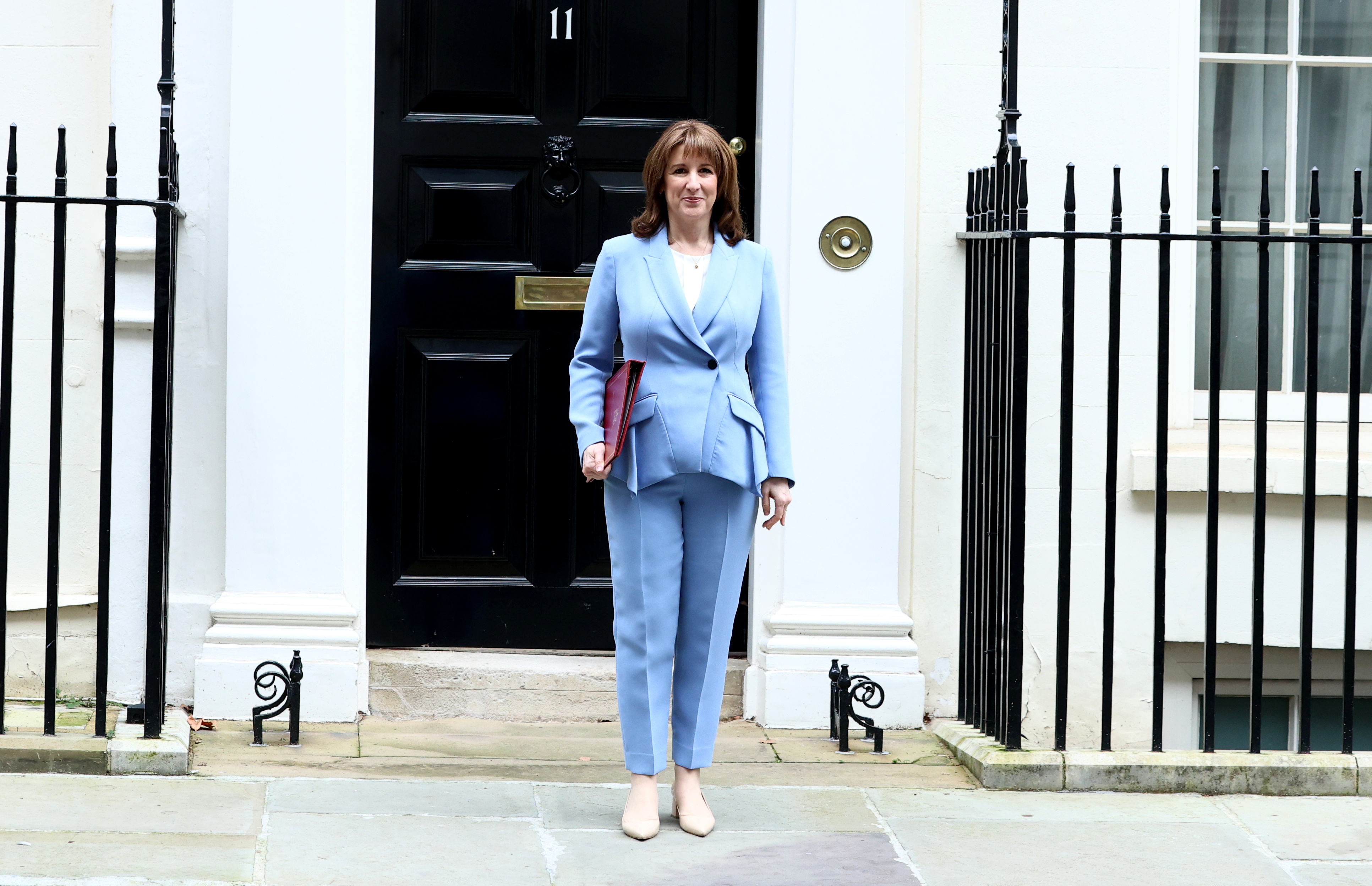
Rachel Reeves prepares to present her spring forecast
FRED DUVAL/SPLASH
1pm
British government bond yields surrendered some of their gains from the morning session after Rachel Reeves had delivered her spring statement. Traders immediately slashed their bets on a Bank of England interest rate cut. Late last week traders had priced in an 80 per cent probability that the monetary policy committee would reduce the cost of borrowing by a quarter point when it meets later this month, but by the close of trading that likelihood was less than 25 per cent. The yield on the benchmark 10-year gilt rose 3.4 per cent to 4.40 per cent on the day.
1.40pm
The Baltic Exchange’s dry bulk freight index, which monitors rates for ships carrying dry bulk commodities, rose 2.5 per cent to a two-month high, as an Iranian Revolutionary Guards senior official said they would fire on any ship trying to pass.
2pm
The UAE’s Securities and Commodities Authority had said the Abu Dhabi Securities Exchange and the Dubai Financial Market would remain closed all day, citing its supervisory and regulatory mandate. Saudi Arabia’s benchmark index, the TASI, however, rose 0.7 per cent, lifted by a 1.9 per cent climb in Saudi Aramco, the energy giant.
2.25pm
Reports emerged that BP had begun shutting down oil production at the giant Rumaila field in Iraq, as the field runs out of storage space while tankers stack up in the Persian Gulf. Rumaila, one of the world’s biggest oil fields, pumped more than 1.4 million barrels a day in 2024.
2.30pm
After Monday’s show of resilience, Wall Street opened sharply in the red, deepening the gloom in the remaining hours of European trading. The S&P 500, the Dow Jones industrial average and the technology-heavy Nasdaq all fell more than 2 per cent at the opening bell. Ten-year US Treasury yields remained above 4 per cent. The dollar, considered the world’s reserve currency, was up 1.1 per cent against other global currencies, putting the greenback on course for its biggest two-day gain since April last year.
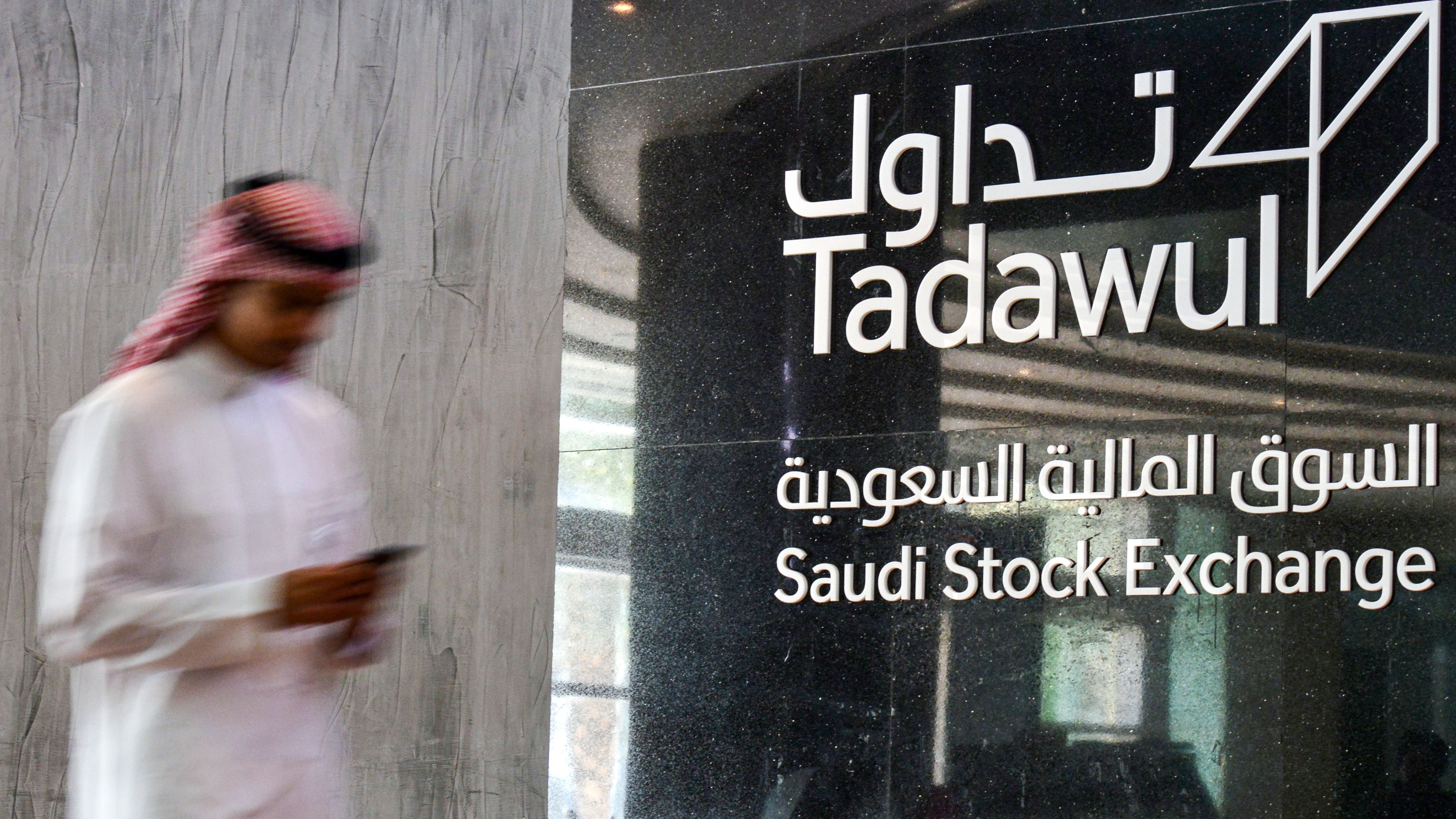
Saudi Arabia’s Stock Exchange in Riyadh
FAYEZ NURELDINE/AFP VIA GETTY IMAGES
3pm
Volatile at the best of times, bitcoin had a dramatic session. Having begun the day at around $70,000, it fell to $66,600, before paring some of the losses. Even then, it was still down 0.2 per cent at $68,758, a far cry from its intraday record high of $126,272.76 on October 6. It was further evidence of the “risk-off” sentiment among investors.
3.30pm
Wholesale gas prices extended Monday’s increases on fears over disruption to liquified natural gas (LNG) from Qatar, which accounts for about a fifth of global supplies. Britain’s benchmark price broke through 140p per therm, almost twice its level of last week, mirroring rises in Europe.
Analysts at Goldman Sachs raised their gas price forecasts to €55 per megawatt-hour for April, up from €36/MWh. “The announced shutdown of Qatar’s 80 million tonnes per annum production … reduces near-term global LNG supply by 19 per cent,” they said.
Qatar’s ability to resume production will depend not just on the security of its facilities but also exports through the Strait of Hormuz, the crucial route that is essentially closed to shipping.
4.30pm
European markets closed after their worst day of trading since April last year. The FTSE 100 was down 2.7 per cent at 10,484.13, the biggest percentage drop since April 9, while the more UK-focused FTSE 250 was 3.1 per cent lower at 22,694.21, also the largest drop in 11 months.
The Stoxx Europe 600 index of the continent’s biggest companies fell 3.1 per cent, while Germany’s Dax lost 3.4 per cent and the Cac 40 in Paris fell 3.5 per cent.
9pm
Wall Street’s main indices pared their early losses by the close. The S&P 500 shed 0.9 per cent to 6,816.63, the Nasdaq was down 1 per cent at 22,516.69 and the Dow Jones industrial average was 403.51 points, or 0.8 per cent, lower at 48,501.27.
“This damage is being done because the war keeps spreading,” Kevin Gordon, head of macro research and strategy at Charles Schwab, the financial services company, said. “How much this war is disproportionately hitting Europe and other oil-importing countries is really being highlighted right now in the markets,”
AloJapan.com