
Sitting roughly midway between Tokyo and Shin-Osaka stations on the Tokaido Shinkansen Line, Hamamatsu is often registered as a place you simply pass through — if it’s even registered at all. But spend two days here, and the city reveals itself as a treasure trove of history, craftsmanship, food culture and wide-open landscapes, from castle grounds and tearooms to windswept sand dunes and lakefront onsen. Here’s how to spend a well-paced weekend exploring one of Shizuoka’s most underrated destinations.
Day 1: Castles, Culture and the Coast
Hamamatsu Castle
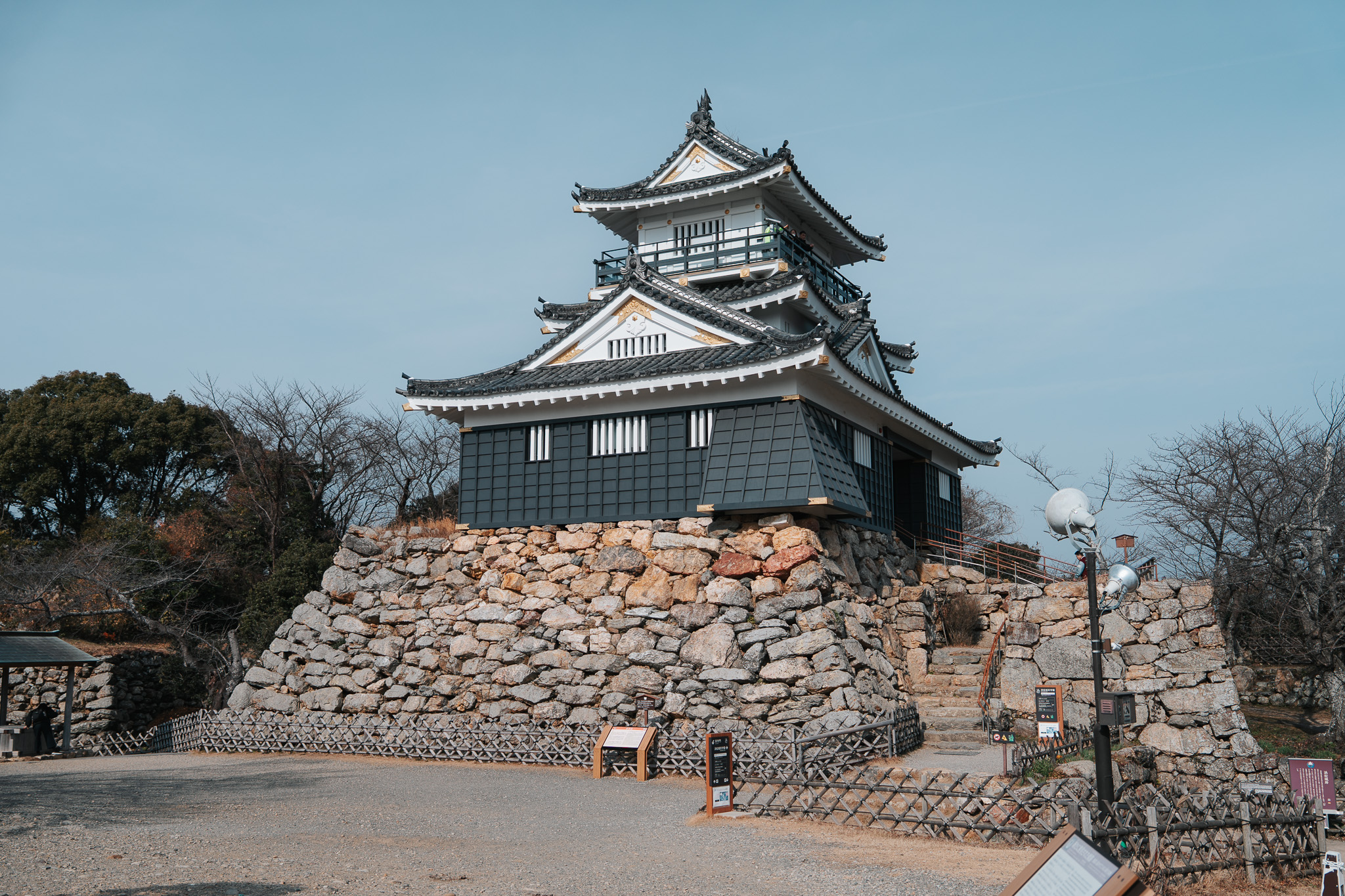
Your introduction to Hamamatsu is its castle, offering a glimpse into where the city began. Tokugawa Ieyasu, one of Japan’s three great unifiers, lived here during some of his most challenging yet formative years before becoming shogun. While much of the castle today is reconstructed, the stone walls — preserved for over 400 years — are original. Its elevated position and defensive footprint provide insight into the strategic base Ieyasu called home for 16 years.
Shointei
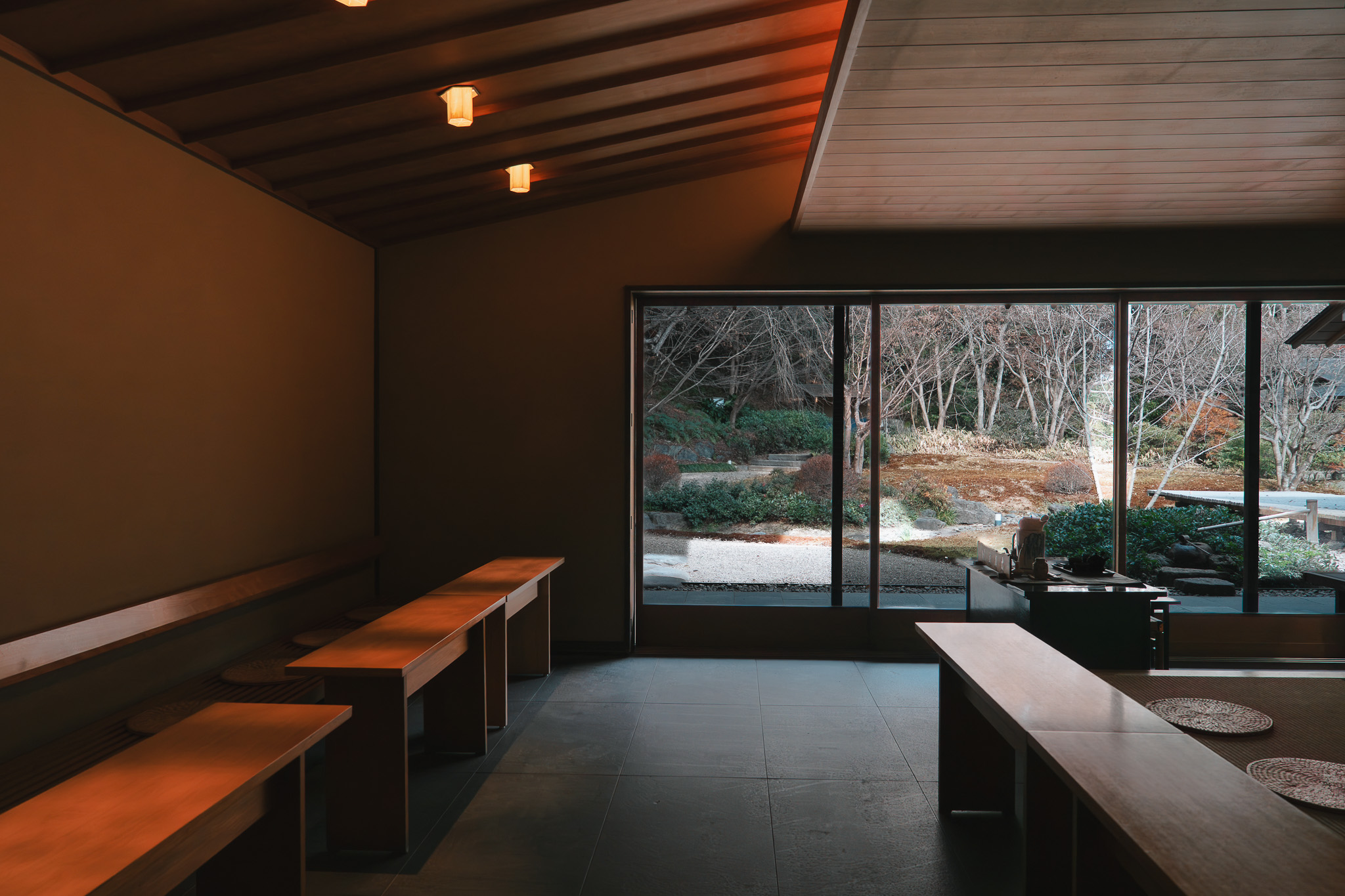
Tucked into a corner of the castle park grounds, Shointei is a traditional teahouse offering freshly whisked matcha, carefully brewed local sencha and seasonal wagashi. Designed by renowned architect Yoshio Taniguchi, best known for his redesign of New York’s Museum of Modern Art, the teahouse features a seamless use of indoor and outdoor space that creates a quietly transformative, meditative atmosphere.
Motoshirotei
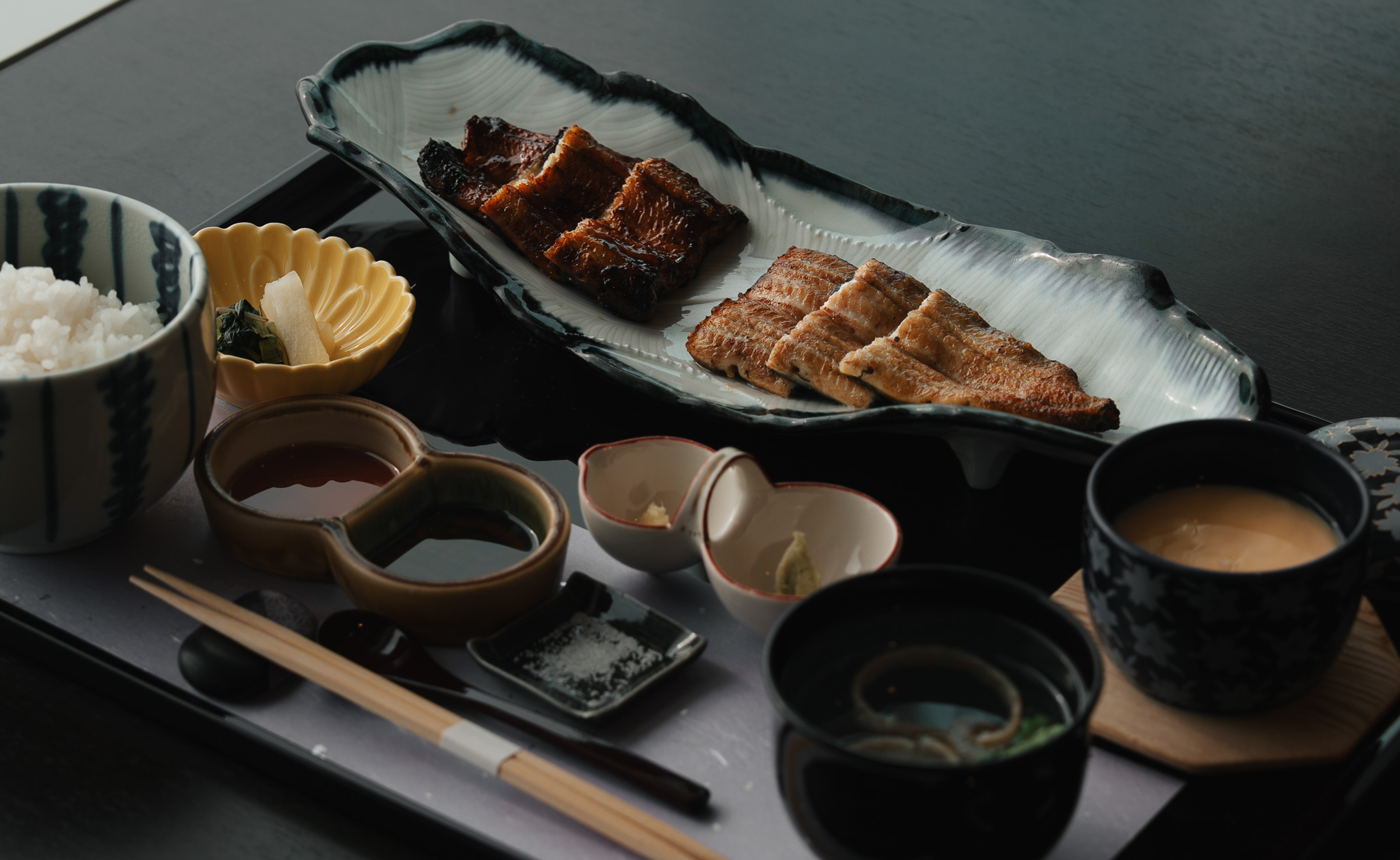
For lunch, try local unagi — freshwater eel — a Hamamatsu essential. Located on the 18th floor of the Hotel Concorde Hamamatsu, Motoshirotei serves Hamanako unagi prepared two ways: with minimal seasoning a la shirayaki and brushed with a glossy, salty-sweet sauce, kabayaki-style. The restaurant is also one of the few places offering Deshiko eel, a premium brand prized for its exceptionally soft, juicy texture and rich fat content.
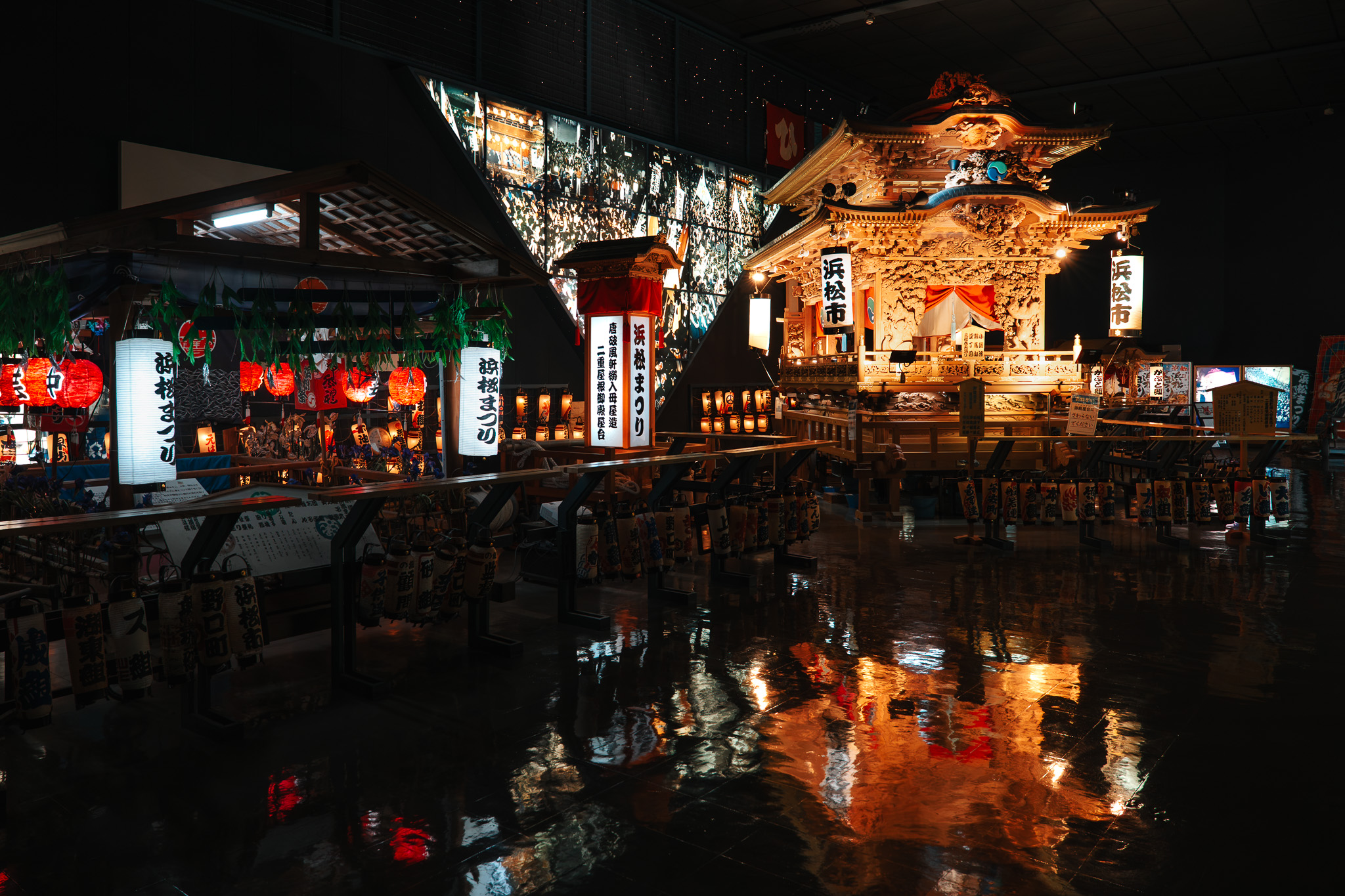
Hamamatsu Festival Pavilion
In the afternoon, discover Hamamatsu’s festive soul at the Hamamatsu Festival Pavilion, a well-designed museum filled with immersive exhibits. Large rooms displaying giant kites and ornate floats bring the annual Hamamatsu Festival to life. Held from May 3 to 5, the festival is a joyful celebration wishing good health and prosperity for the city’s children — a spirit the pavilion captures beautifully.
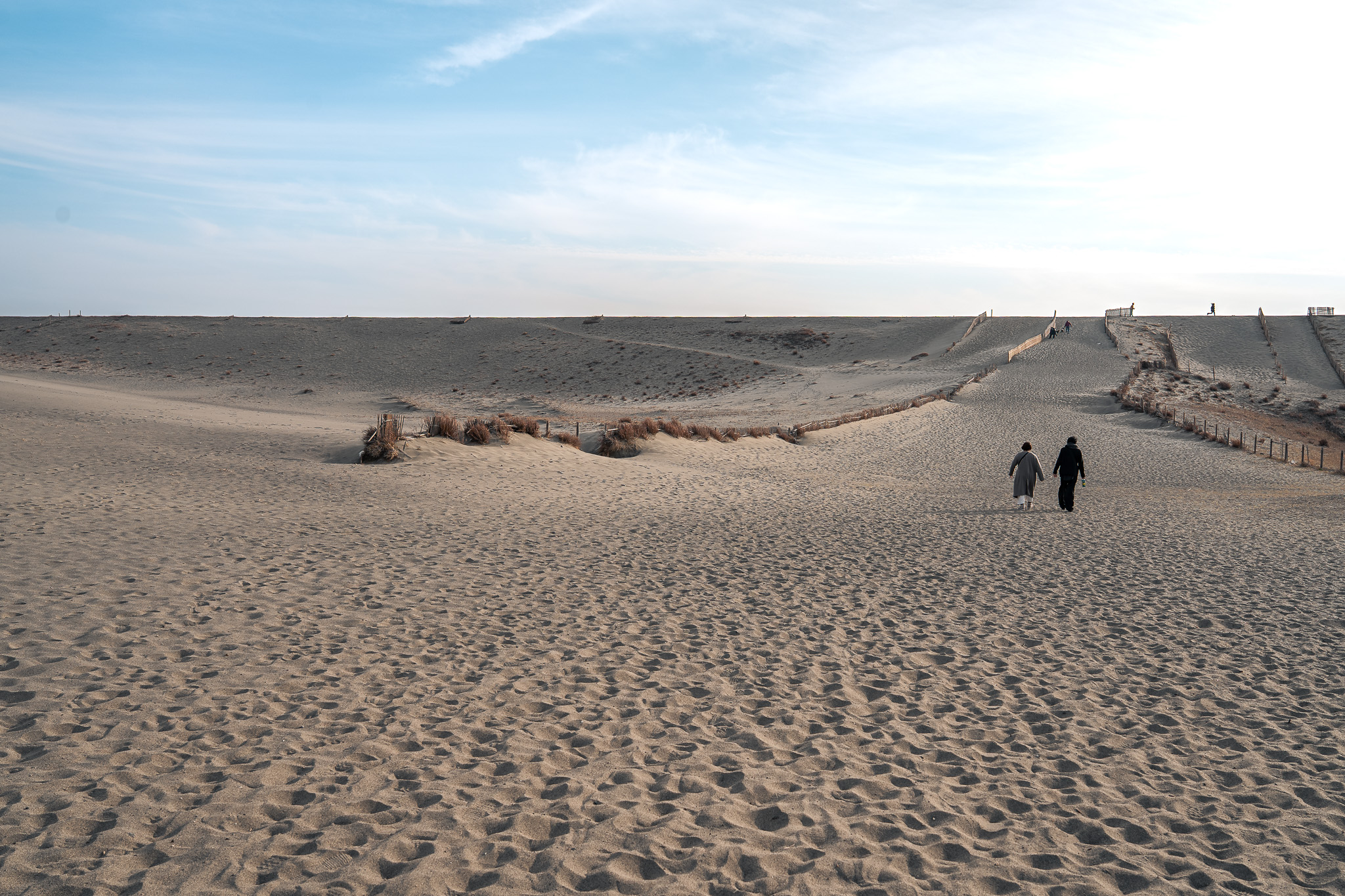
Nakatajima Sand Dunes
A 10-minute walk south from the pavilion will bring you to the Pacific coast, where you’ll be met with a breathtakingly expansive view. The Nakatajima Sand Dunes, one of Japan’s three largest sand dune systems, stretch across the shore for 4 kilometers, their rippling patterns shaped by constant wind and light. In winter, the crisp air sharpens the horizon, while in spring and summer, the dunes become protected nesting grounds for sea turtles.
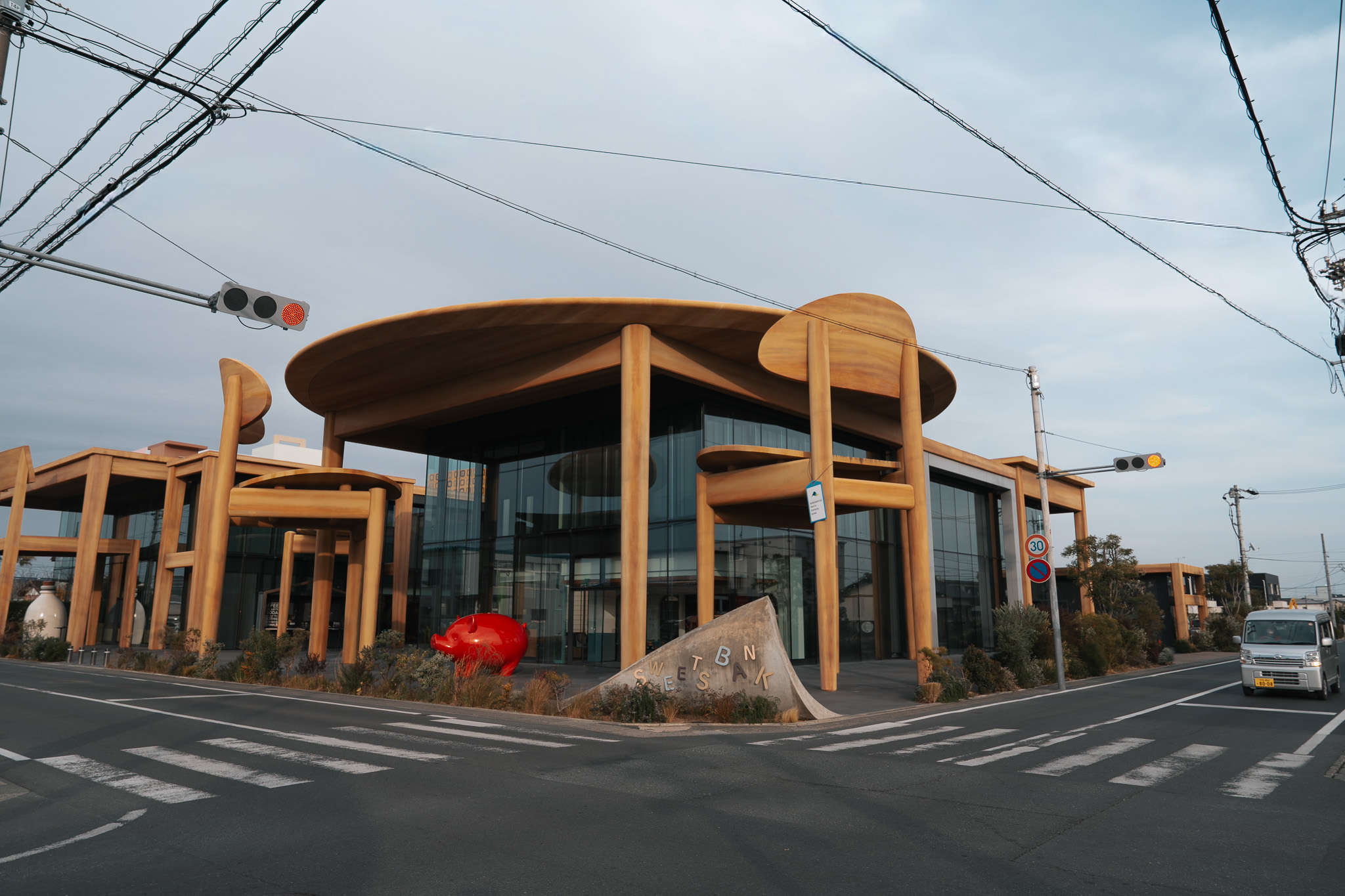
Sweets Bank
Before continuing on, stop by Sweets Bank, a whimsical confectionery complex housed in a former bank building. Surrounded by contemporary sculptures of kitchen tables and chairs blown up to 13 times their original scale, it’s an easy, joyful pause for coffee, pastries and playful trick-art photo opportunities.
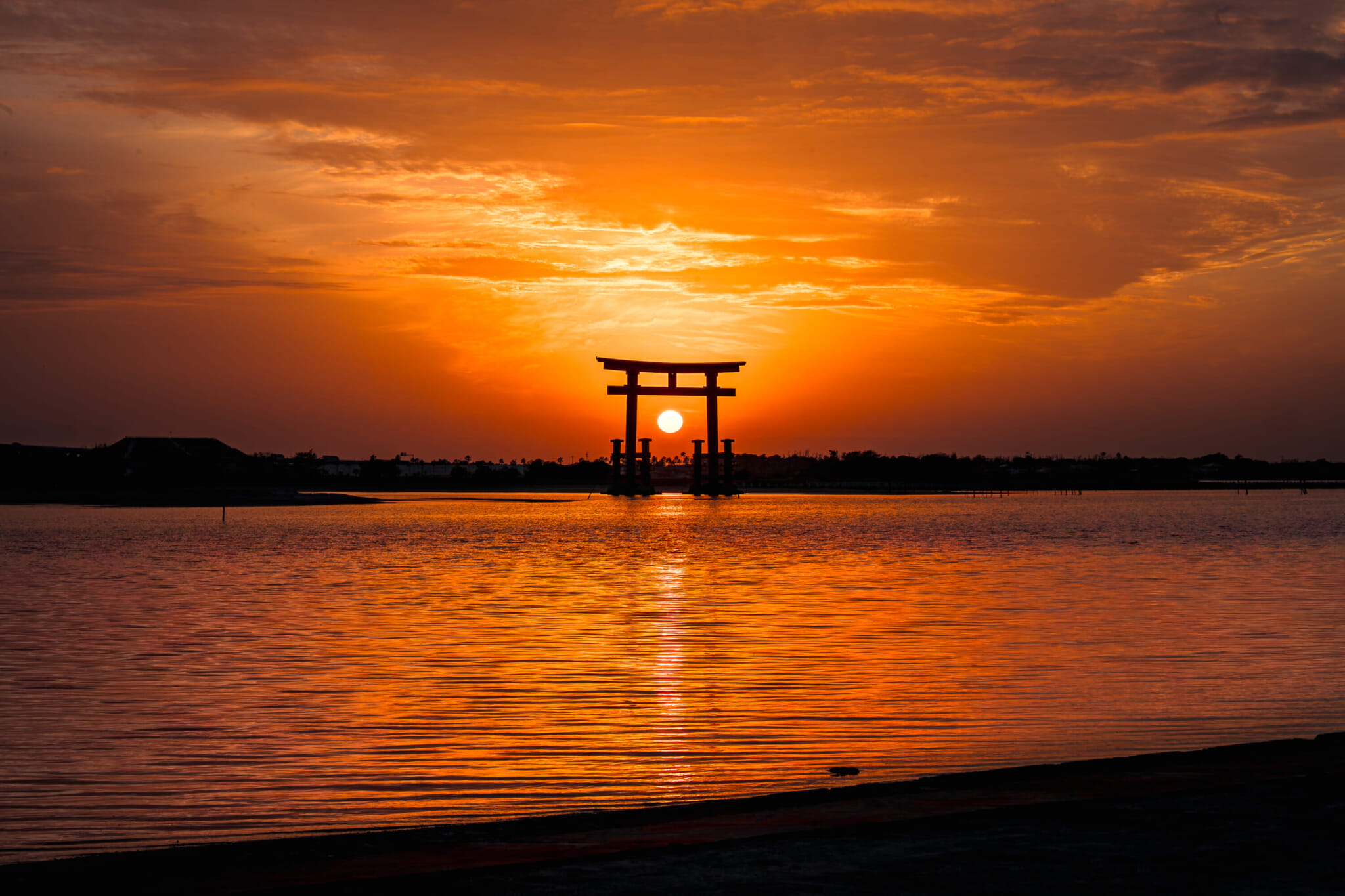
Bentenjima Seaside Park
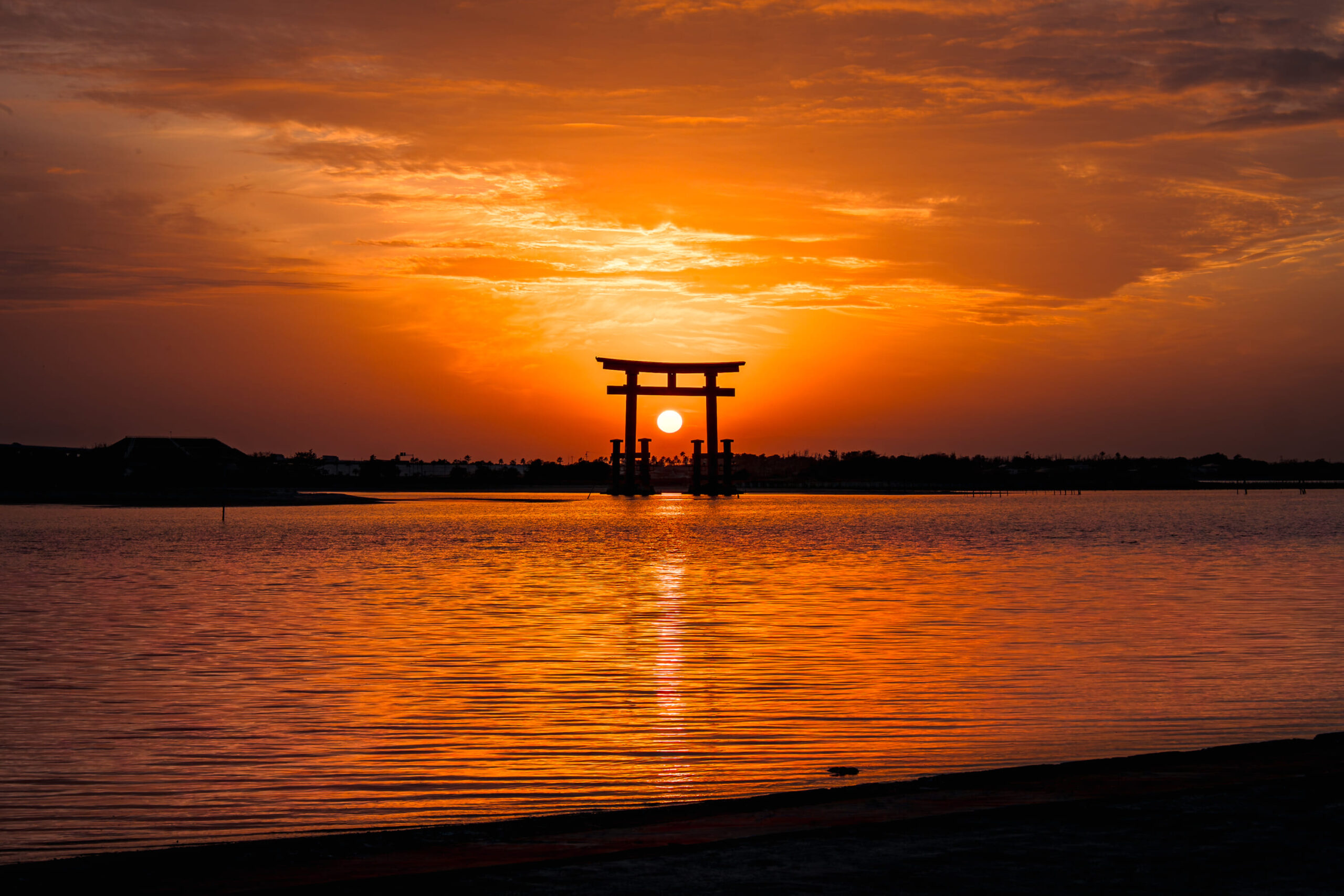
As evening approaches, Bentenjima Seaside Park offers one of the area’s most memorable views. The torii gate floating offshore is striking at any time of day, but during select winter months, the sun sets perfectly within its frame. The sky glows a vivid orange before the sun sinks into the sea beyond the gate.
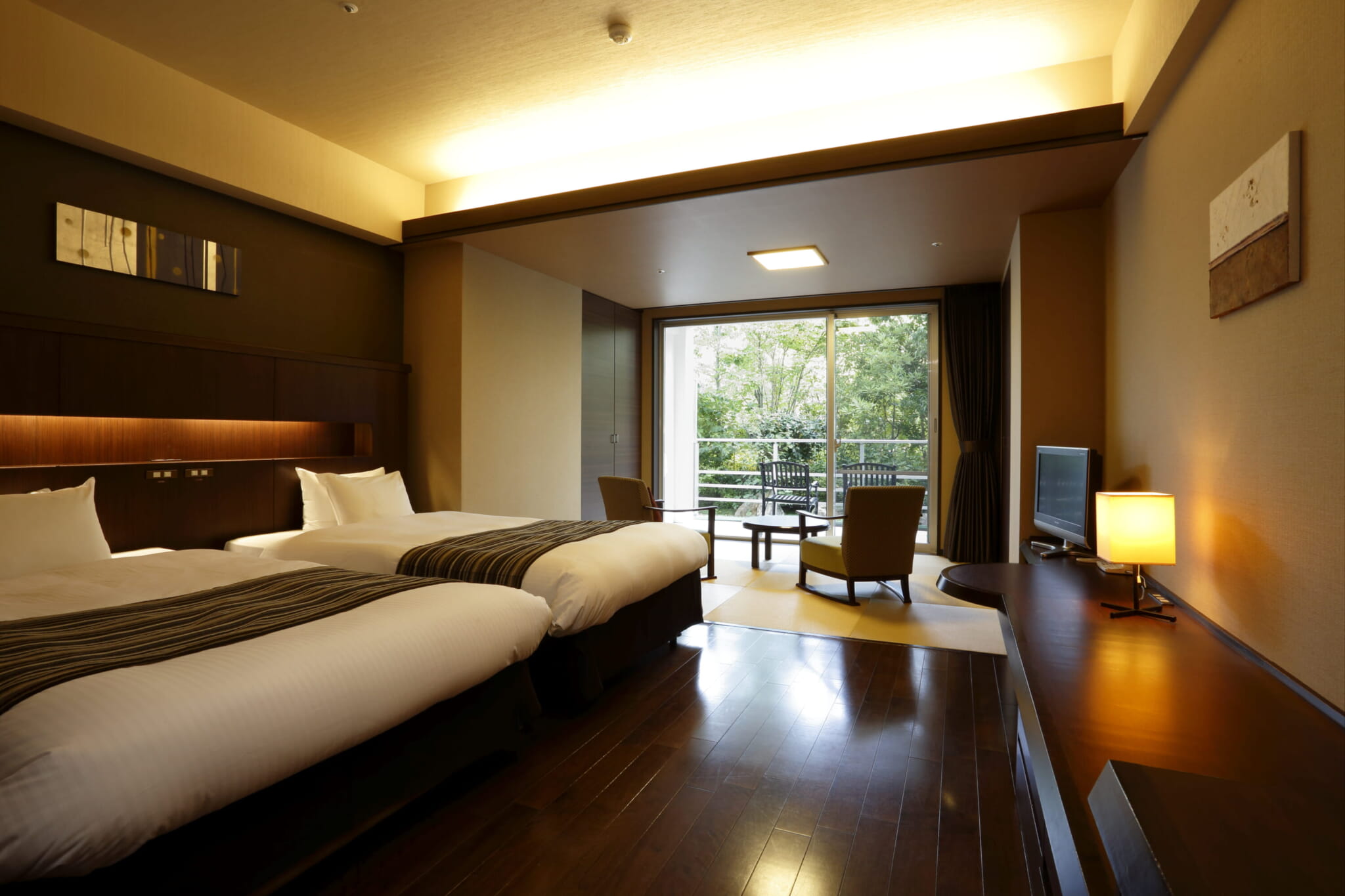
Hotel Wellseason Hamanako and Hanasaki no Yu
After a long day of exploring, check in to Hotel Wellseason Hamanako in Kanzanji. One of the largest hot spring resorts on Lake Hamana, the hotel offers both Western- and Japanese-style rooms, a casual buffet featuring local specialties and an expansive onsen facility.
Directly connected to the hotel is Hanasaki no Yu, an onsen facility also popular with day-trippers. Inside, the complex unfolds across 10 different baths, including spacious indoor baths and open-air baths overlooking carefully landscaped gardens, and two distinct types of hot spring water. Guests staying at the hotel can also access Hitotoki no Yu, an overnight guest-exclusive outdoor bath tucked among the trees — perfect for soaking in the cool forest air after sunset.
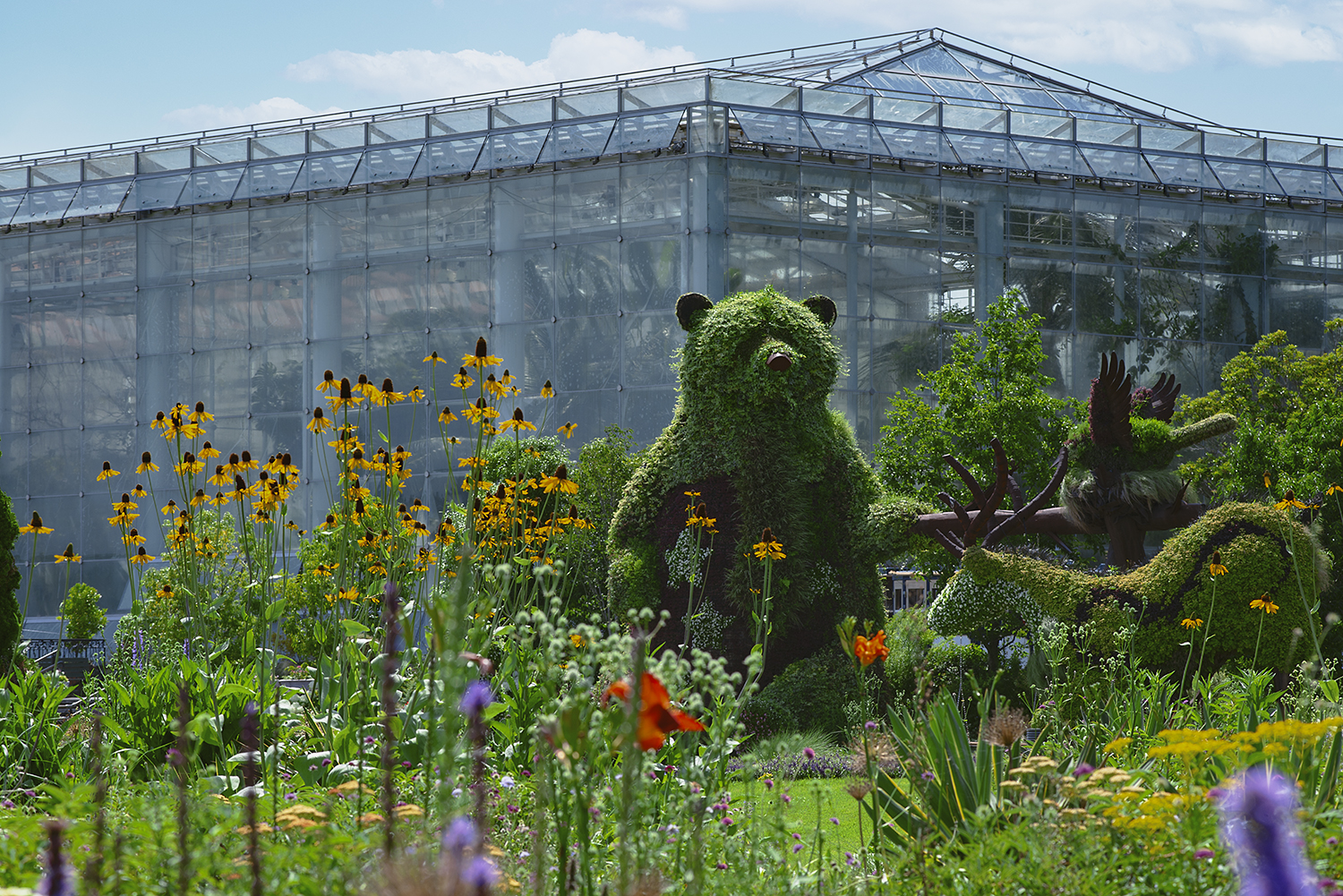
hamamatsu-japan.com
Day 2: Flowers and the Flavors of Fermentation
Hamamatsu Flower Park
Start your second day with a relaxed morning at Hamamatsu Flower Park. Headed by Konami Tsukamoto, one of the first people in Japan certified as a “tree doctor” and the mind behind the famous wisteria at Ashikaga Flower Park, the blossom-filled wonderland spans 300,000 square meters — or 75 acres — about 6.4 times the size of Tokyo Dome. An adorable Flower Train carries visitors past cherry blossoms, rose gardens, wisteria archways and seasonal flower displays.
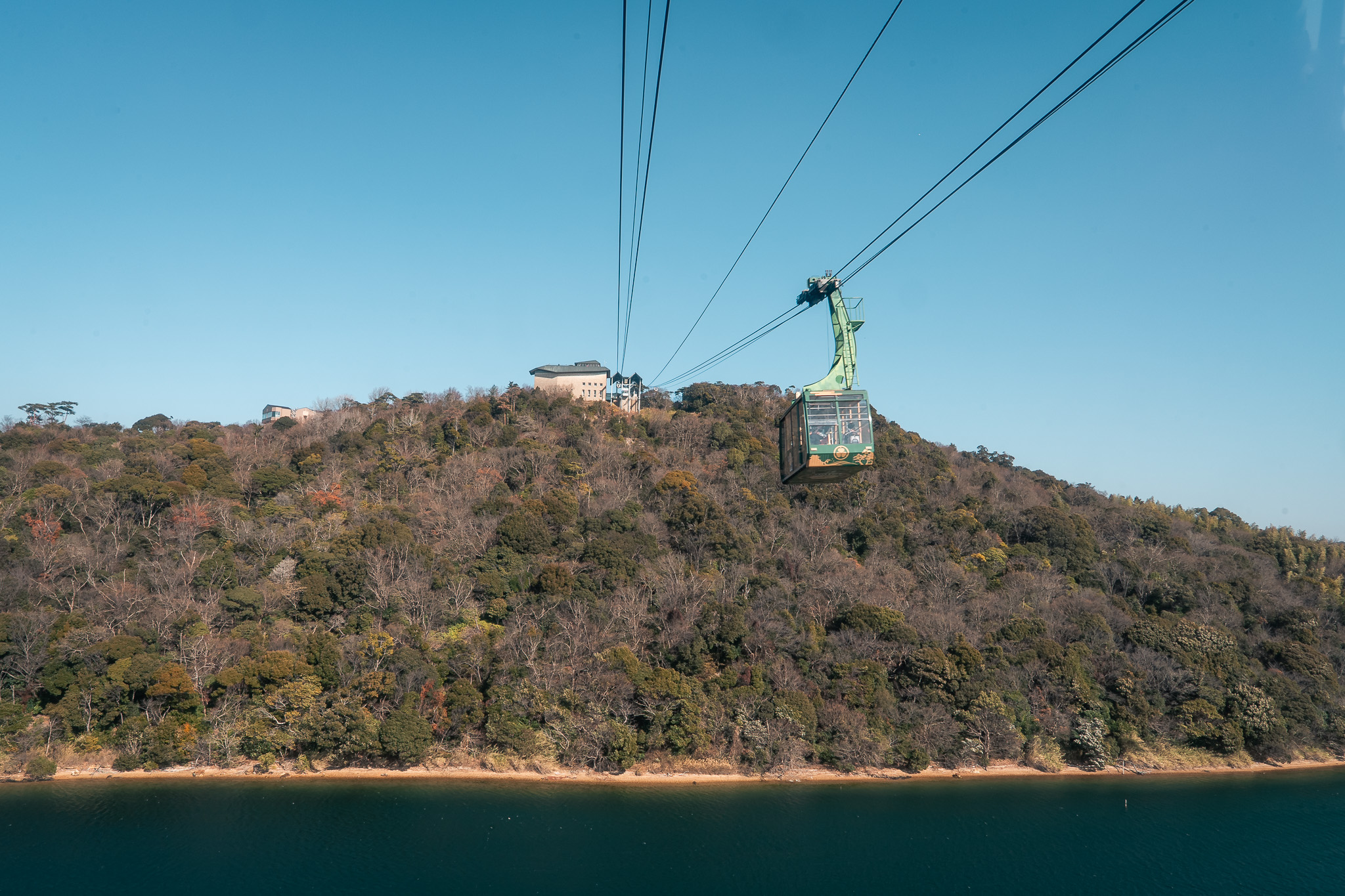
Kanzanji Ropeway
From there, head to the Kanzanji Ropeway and soar over Lake Hamana and up Mt. Okusa. The short ride offers sweeping views of water, greenery and townscape, providing a refreshing change in perspective.
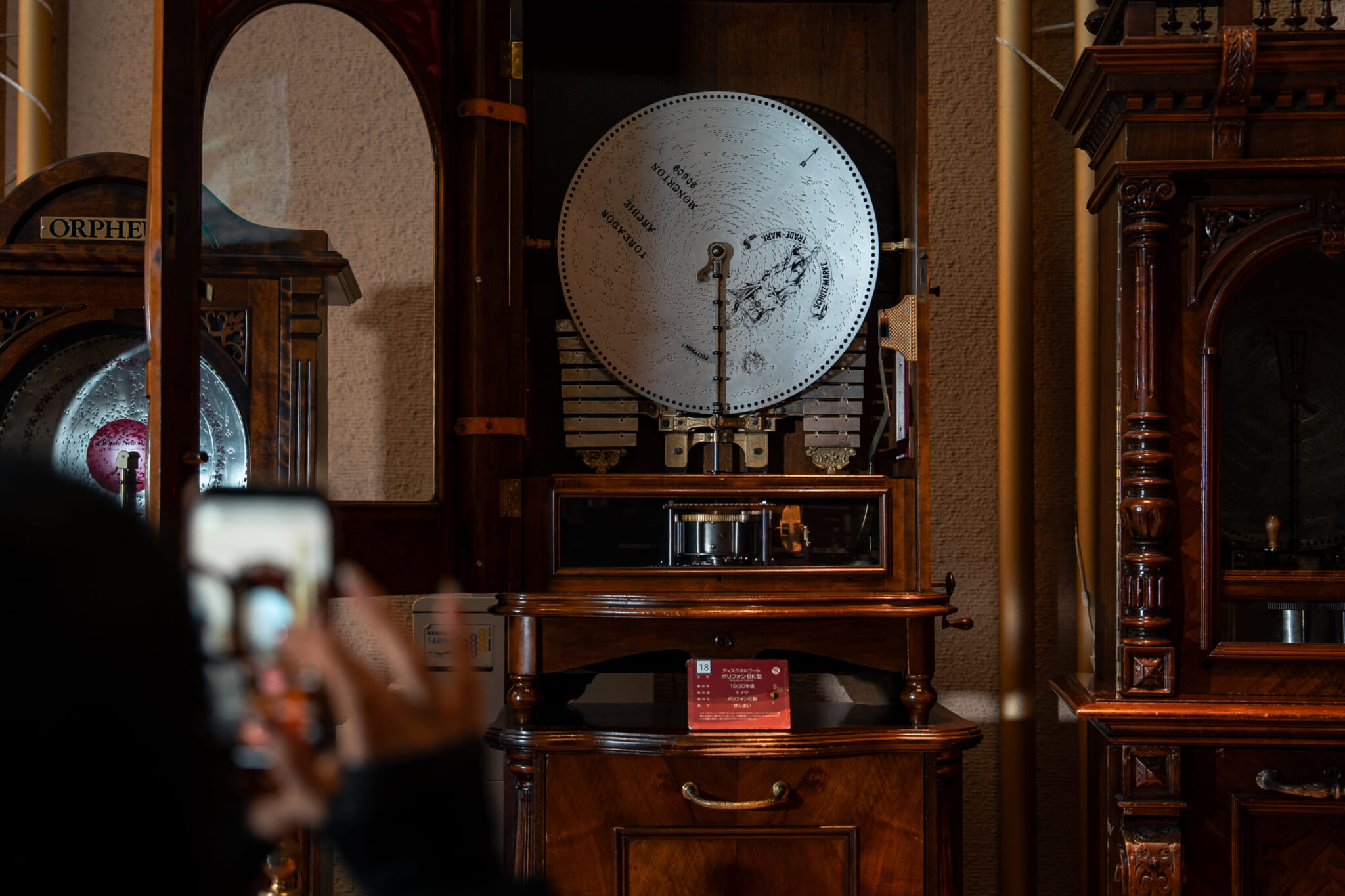
Hamanako Orgel Museum
At the top sits the Hamanako Orgel Museum, which leans into Hamamatsu’s identity as Japan’s “City of Music.” An extensive collection of antique music boxes fills the space with soft, nostalgic melodies — a charming reflection of a city that gave rise to global instrument makers like Yamaha and Kawai. The adjacent gift shop sells miniature music boxes and offers DIY workshops, making for a whimsical, personalized souvenir.
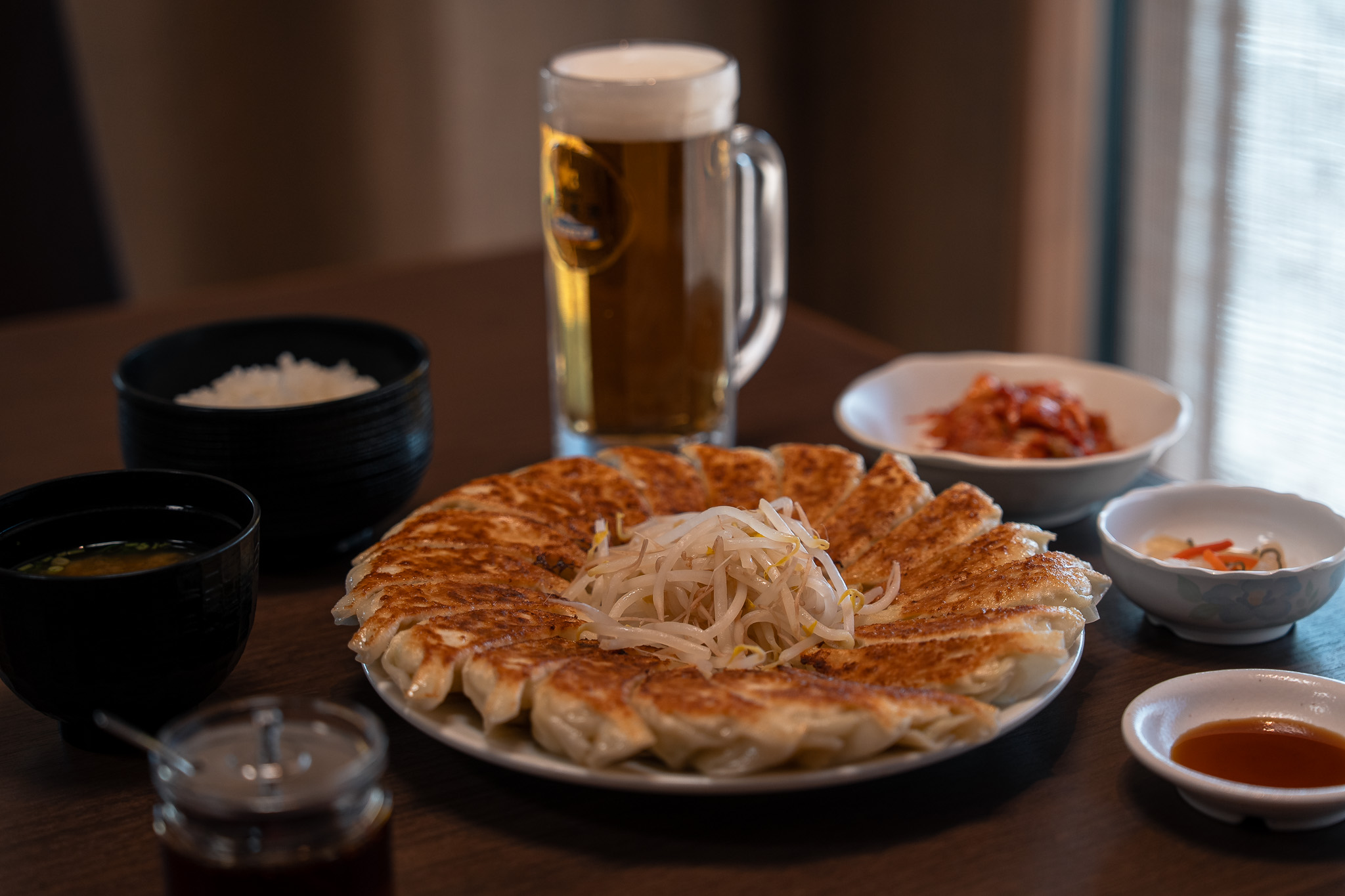
Ishimatsu Gyoza
Back in urban Hamamatsu, lunch at Ishimatsu Gyoza brings another local specialty to the table. Hamamatsu-style gyoza are pan-fried in a sunburst formation, cooked until crispy on the bottom and served with bean sprouts. Packed with a vegetable-forward filling, they’re surprisingly light, making them dangerously easy to keep eating.
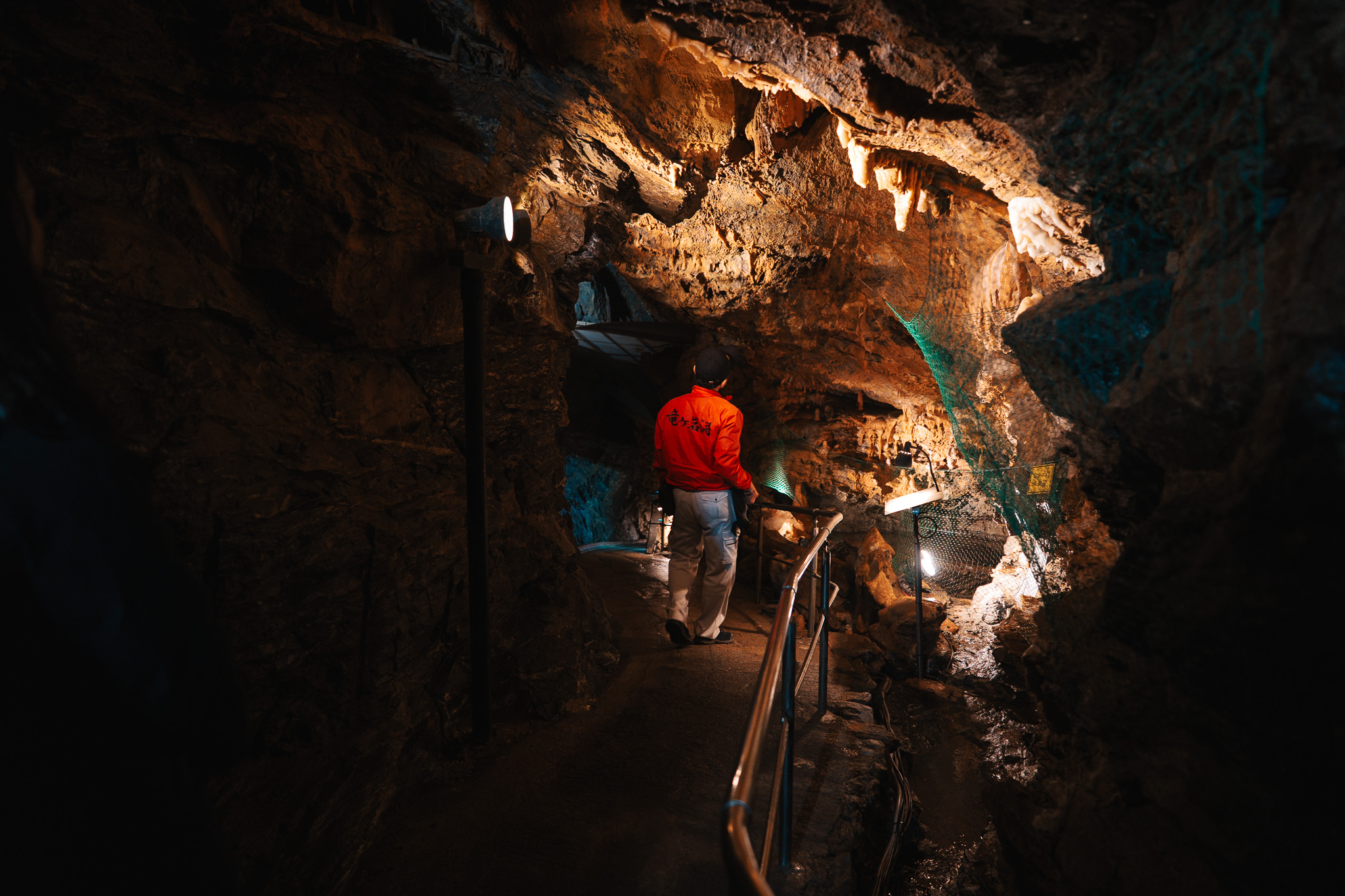
Ryugashido Cavern
North of the lakeside is Ryugashido Cavern, showing a completely different side of Hamamatsu. One of the largest limestone caverns in the Tokai region, it features a 400-meter walking route through dramatic rock formations shaped over 250 million years ago. Near the entrance, a glass-walled enclosure allows visitors a close-up look at fruit bats, fed twice a day as part of the Komori no Fureai Oshokuji Show, or “bat interaction and feeding show” — an unexpectedly endearing highlight.
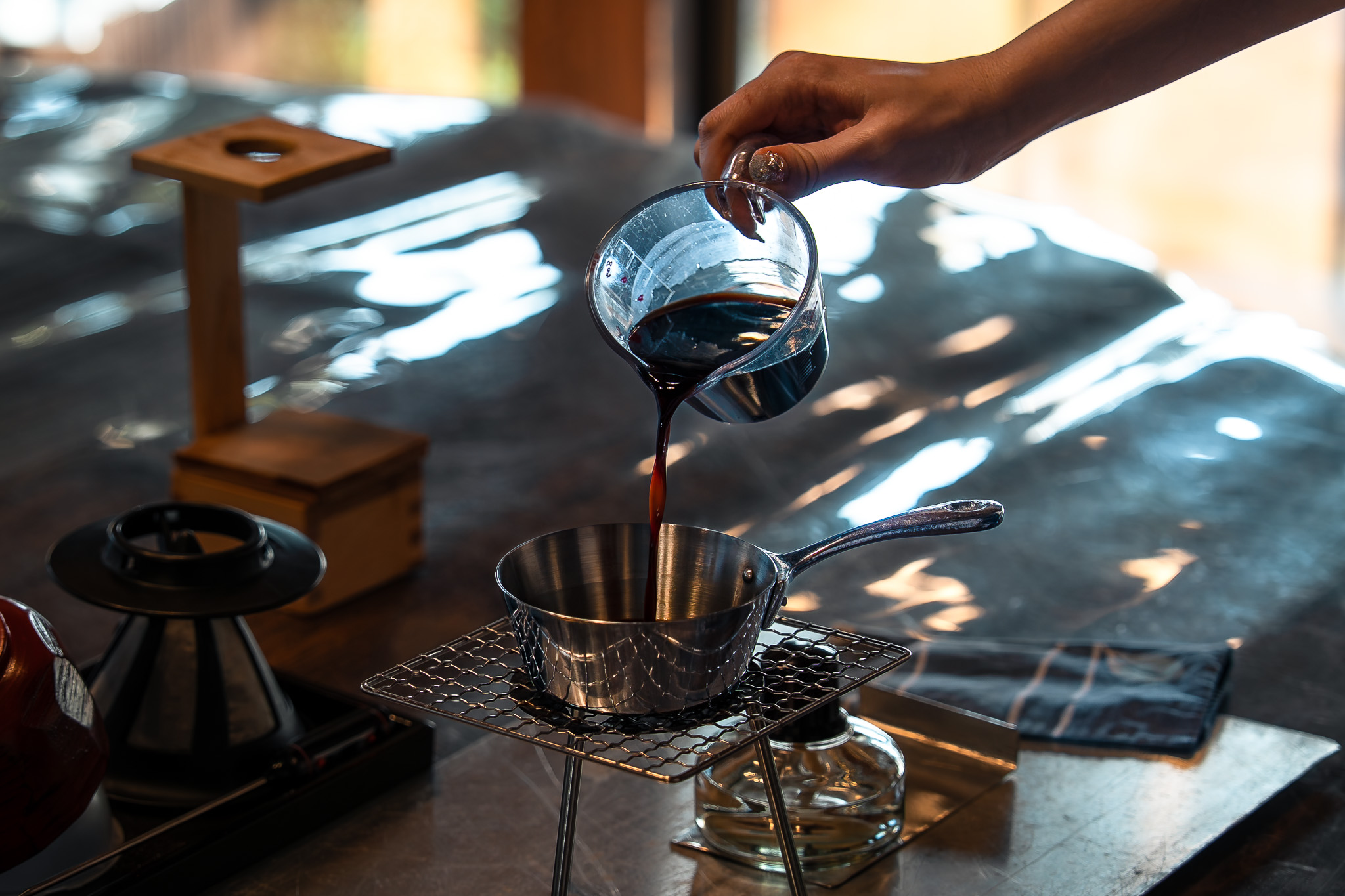
Meijiya Shoyu (Soy Sauce Brewing Experience)
In the afternoon, visit the historic Meijiya Shoyu for a hands-on look at traditional soy sauce brewing. Observe fermentation in large wooden barrels, then press your own soy sauce, which will be pasteurized and bottled for you to take home. A tasting session afterward highlights the subtle differences between varieties, offering a new appreciation for the patience and precision behind one of Japan’s most essential seasonings.
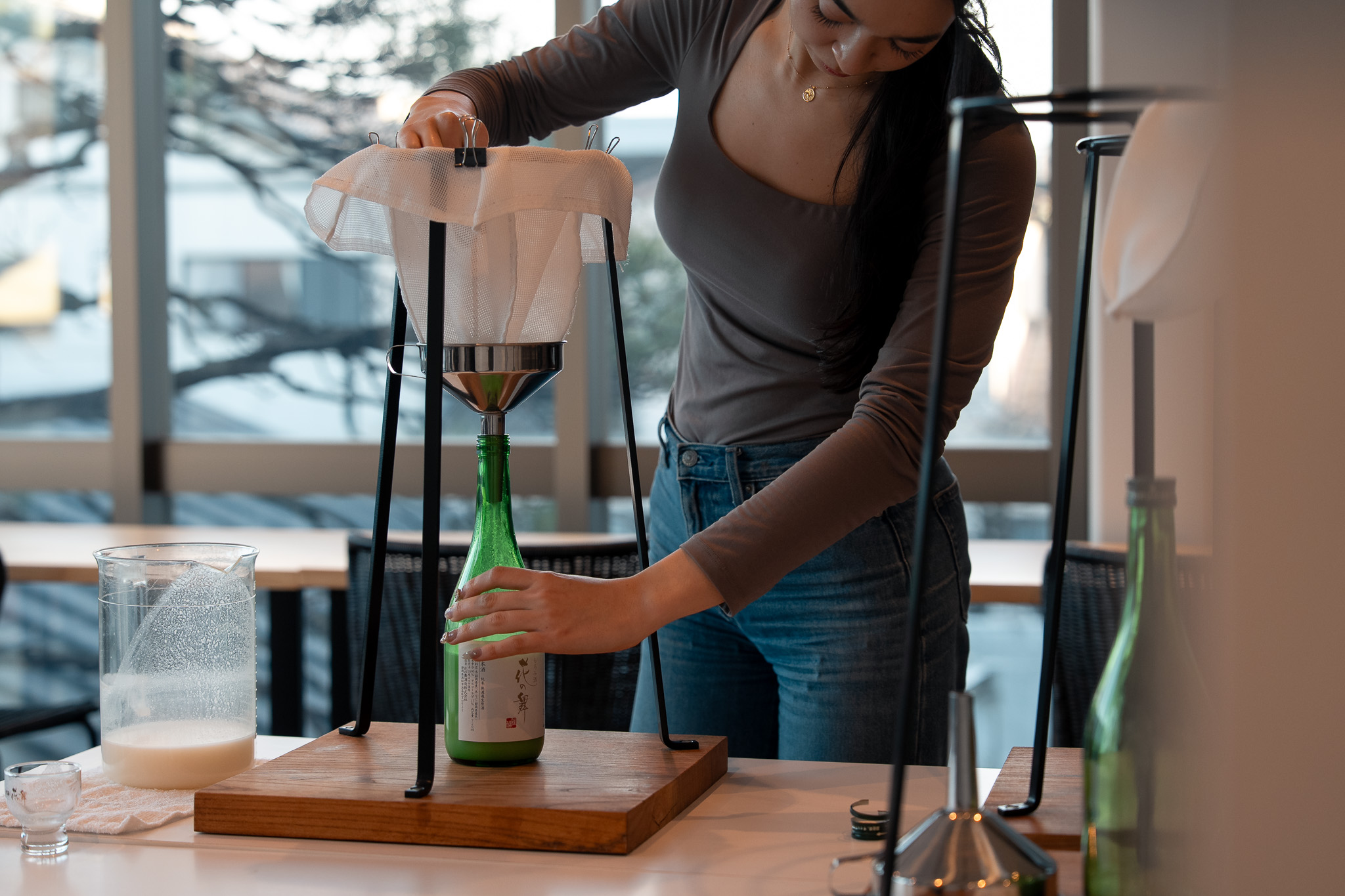
Hananomai Brewery (Sake Pressing Experience)
If sake piques your interest more than soy sauce, head to Hananomai Brewery, a Shizuoka-based producer with over 150 years of history. During the interactive sake pressing experience, visitors press moromi — the mash that forms the base of sake — through cloth to create their own batch to take home. A tasting session follows, showcasing the brewery’s range and the clean, balanced flavors made possible by Shizuoka’s fresh water and rice.
Unhurried and unpretentious yet ripe for discovery, Hamamatsu is a city that rewards curiosity. Even after two days, you’ll have only explored a fraction of what the city has to offer — leaving plenty more for your next visit.
Related Posts
AloJapan.com