
Apartment hotels, which offer accommodations similar to condominium units and are generally equipped with kitchens and laundry facilities, have increased in number to cater to the surge in long-term stayers.
For the first time, the annual visitor total in Japan topped 40 million in 2025, and many are spending more time in the country.
Luxury hotels and long-term accommodation facilities, including apartment hotels, are now in short supply, particularly for foreign families and group tourists.
Tokyo-based Cosmos Hotel Management Co., a group company of Daiwa House Industry Co., is one of several companies tapping into the growing market.
It has emerged as the largest player in the apartment-hotel industry since entering the business in 2018. It currently operates 1,434 rooms in 27 apartment hotels in Tokyo, Kyoto and Osaka.
On Jan. 19, families, friends and other group tourists carrying large suitcases entered Mimaru Osaka Namba Station, a Cosmos Hotel Management apartment hotel with 91 guest rooms, in the Nipponbashi district of Osaka’s Naniwa Ward.
Each room, with a minimum floor space of about 40 square meters, is equipped with a kitchenette and a large dining table.
There are shared washing machines inside the hotel, and overnight guests can also rent rice cookers, toasters and other appliances.
The rooms can accommodate four to eight guests.
“They can spend time together right up until they fall asleep,” said Keitaro Kumano, a Cosmos Hotel director.
One unit is decorated under the theme of a werewolf game, in which players identify the lycanthrope in the disguise of a human.
At least 90 percent of overnight stayers at Cosmos Hotel facilities are inbound tourists, and around 80 percent of them arrive with children.
They also tend to stay longer than those lodging at regular hotels. Forty percent of them spend three to four nights at apartment hotels, 22 percent for five to six days, and 21 percent for seven or more days.
Daily room rates at the company’s facilities average around 50,000 yen ($320), excluding tax, or more than 10,000 yen per person, according to Cosmos Hotel.
Staff are trained to act like “dependable friends in Japan” when serving customers
“Overnight guests know exactly what kind of services they want,” Kumano said. “We make sure to have more contact with them so that they can consult with us even about small matters.”
The company is considering opening Mimaru hotels in Sapporo, Fukuoka and elsewhere to increase the total number of guest rooms to 3,000 in 50 facilities by around 2030, nearly double the current figures.
FEELING LIKE ‘TOWER MANSION’
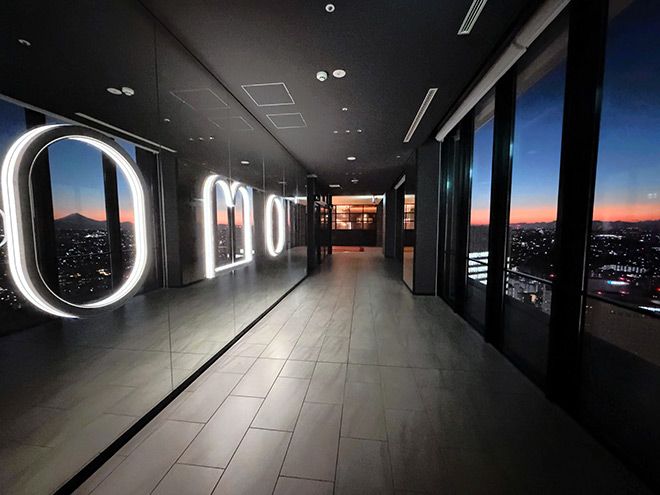
On Jan. 15, Hoshino Resorts Inc. opened its first apartment hotel, called OMO5 Yokohama Bashamichi, in Yokohama’s Naka Ward.
It occupies the 46th through 51st stories of a high-rise building and provides 175 guest rooms.
Each unit has a kitchen and a washing machine to make guests feel like they are living in a high-rise apartment complex, according to the company.
It also offers stunning night views overlooking the port city after sunset.
Hoshino Resorts also expects group customers to use the hotel for parties.
“We hope guests will also stay on special days to celebrate extraordinary moments, such as when their children perform well at an athletic meet,” said General Manager Toru Tanzawa.
Kasumigaseki Capital Co., Tokyu Corp. and other companies entered the market after the COVID-19 pandemic.
EXPANSION PLANS
Nippon Steel Kowa Real Estate Co. in Tokyo currently operates three &Here apartment hotels with 299 total guest rooms, some of which are installed with a kitchen.
The company plans to open 10 more &Here apartment hotels to provide nearly 1,300 rooms in 2030.
“We want to increase the number of rooms to 2,000 in one go,” said Shin Katsuse, head of the Hotel Development & Management Department. “Because supply has yet to catch up with demand, I’m sure the odds are in our favor.”
It has become increasingly difficult to secure land plots for hotels over the past two years, while construction costs are also rising.
“We can pass the increased costs on to room rates,” Katsuse said.
Although the steady influx of foreign tourists has kept occupancy rates high, the companies must also prepare for unexpected events that can curb visitor numbers, such as pandemics and natural disasters.
Katsuse said Nippon Steel Kowa intends to devise ways to attract prospective customers who live in Japan.
It is considering introducing an accommodation package at &Here Tokyo Ueno in Taito Ward, near the University of Tokyo in Bunkyo Ward, where entrance exam takers and their family members can stay for one to two weeks.
AloJapan.com