
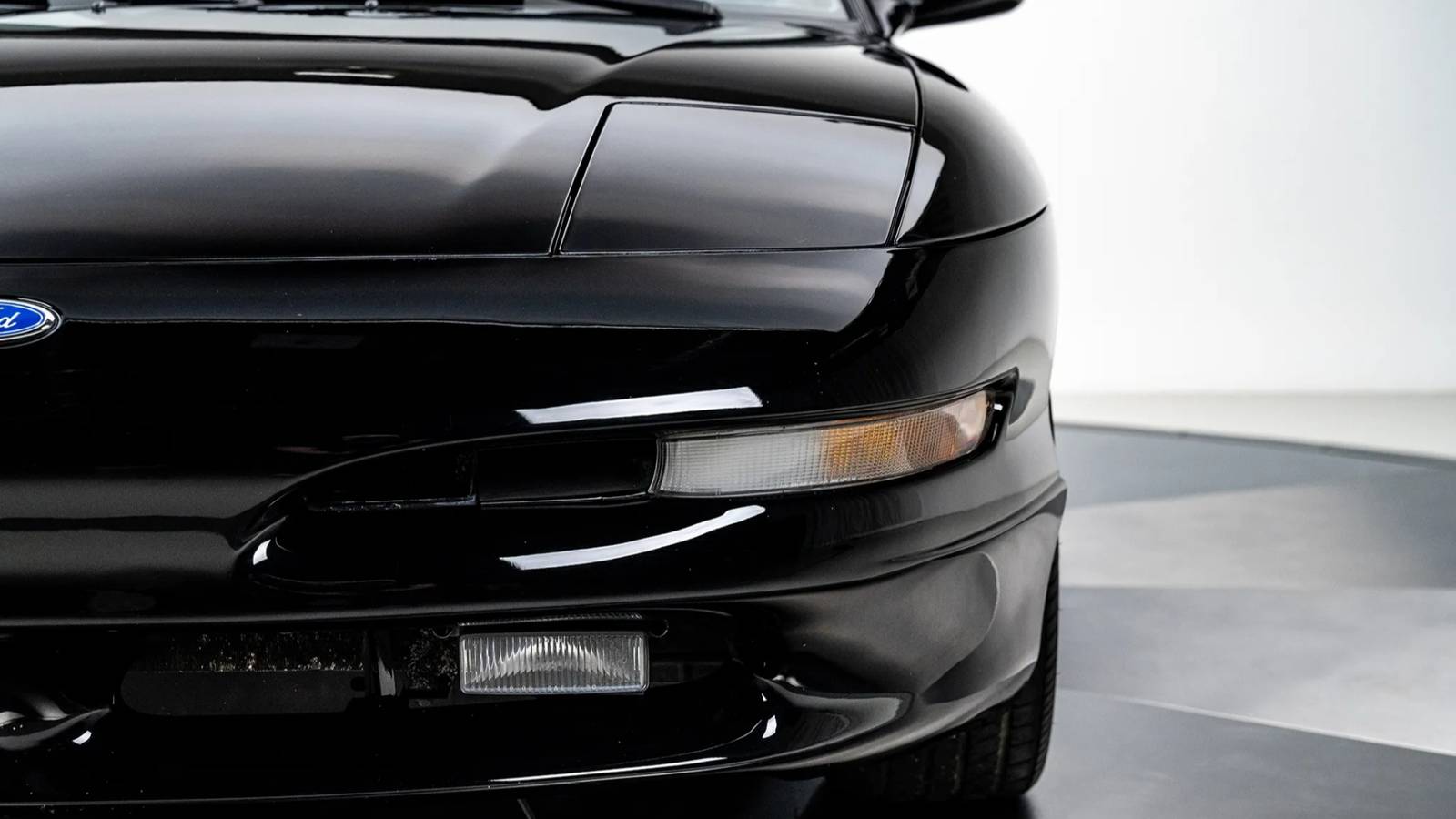
There are few models produced in the United States that carry as much weight, along with national pride, as the Ford Mustang. Its life began in 1964, and upon its release, the model became one of the bestselling cars of the 1960s. It was so popular, in fact, that the Mustang managed to create an entirely new market segment called the “pony car”. Its popularity lasted well through the 1960s and into the 1970s. Even still, the ‘Stang is still universally loved by millions.
However, in the late 1980s, Ford tried to mess with the age-old Mustang recipe. Sensing a change in the air towards sporty, Japanese-style coupes, Ford was interested in replacing the Mustang with something else. Enter the Ford Probe, a model whose namesake was borrowed from a series of concept cars produced throughout the 70s and 80s. However, while the Probe’s intentions were clear, it couldn’t accomplish what it set out to do.

Ford
Founded
June 16, 1903
Founder
Henry Ford
Headquarters
Dearborn, Michigan, USA
Owned By
Publicly Traded
Current CEO
Jim Farley
A Mustang For The New Age
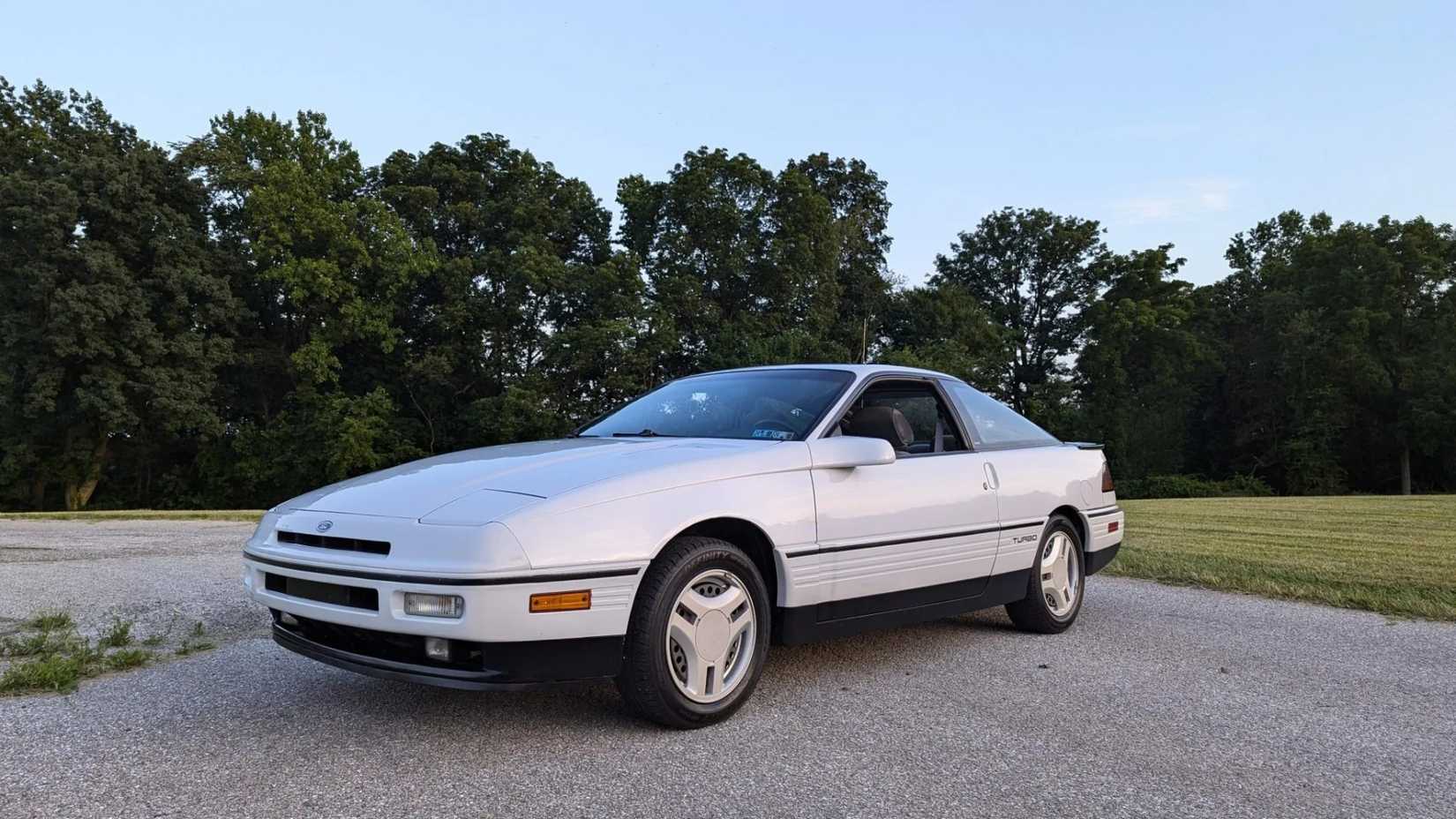
1989 Ford Probe finished in white with black interiorBring A Trailer
When the Probe stormed onto the market in 1989, Mustang purists – along with the vast majority of folks – weren’t very happy. The Mustang had proven itself to be one of America’s motoring icons, and its popularity, while slightly less than it was back in the 1960s and 1970s, was still alive and well. Ford’s plan to eventually replace the Mustang with the Probe fell on ears that simply didn’t want to hear it, and we can understand why.
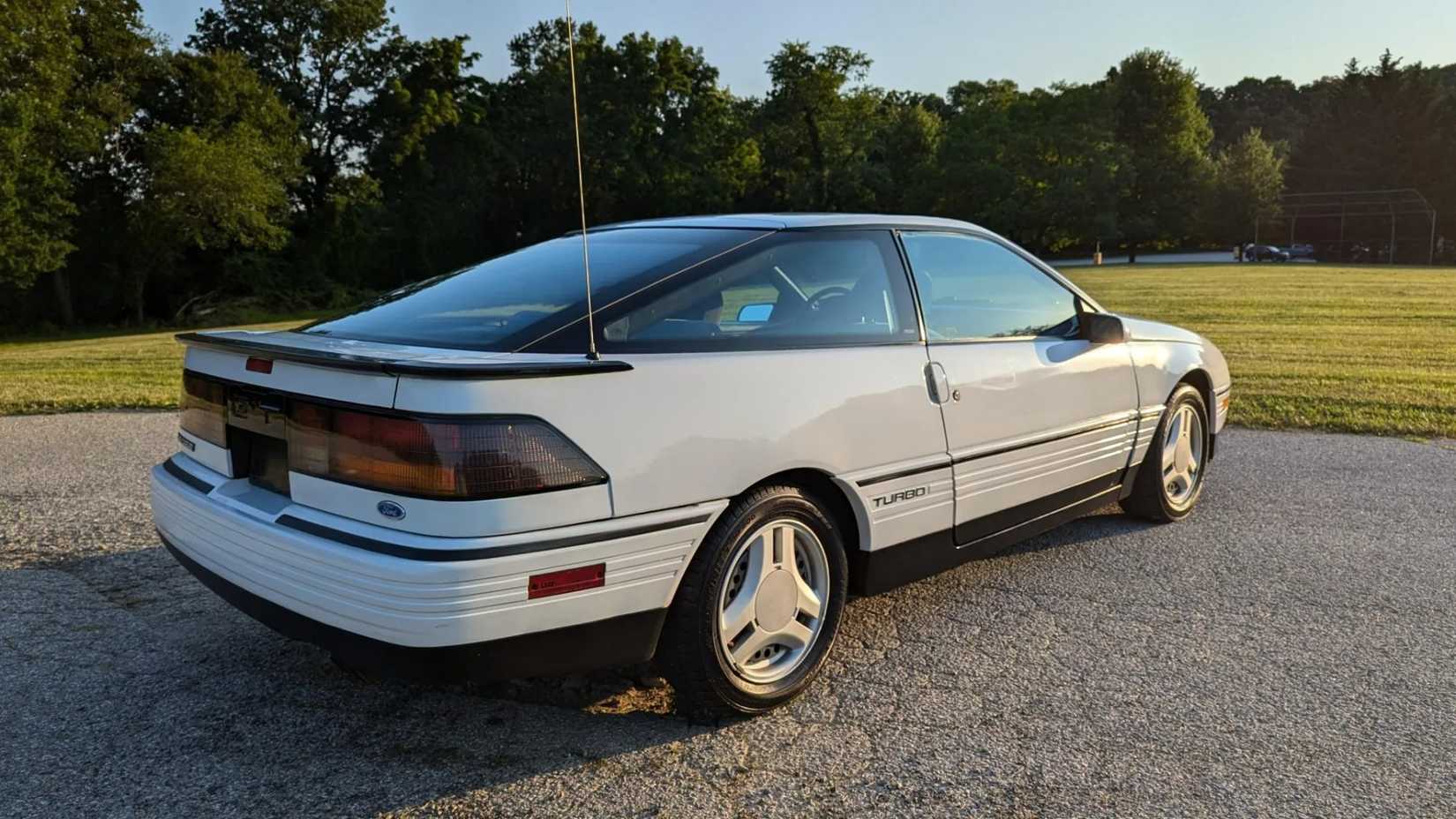
1989 Ford Probe finished in white with black interiorBring A Trailer
The Probe was produced alongside Mazda. Ford had a strong partnership with Mazda, including a significant ownership stake, and some manufacturing was shared between the two. Instead of supplying a large, brash, American car like the Mustang for sporty-minded car buyers, Ford and Mazda instead teamed up to build something much more tame, yet still athletic. The Probe was the culmination of those efforts, and it was slotted into the market at a time when Japanese sports coupes were beginning to take the market by storm.

Related
The Least Powerful Mustang Ever Didn’t Even Have 100 HP
The Ford Mustang is one of the hottest nameplates to have ever lived, though that doesn’t mean every single edition went like a muscle car.
First Generation (1989–1992)
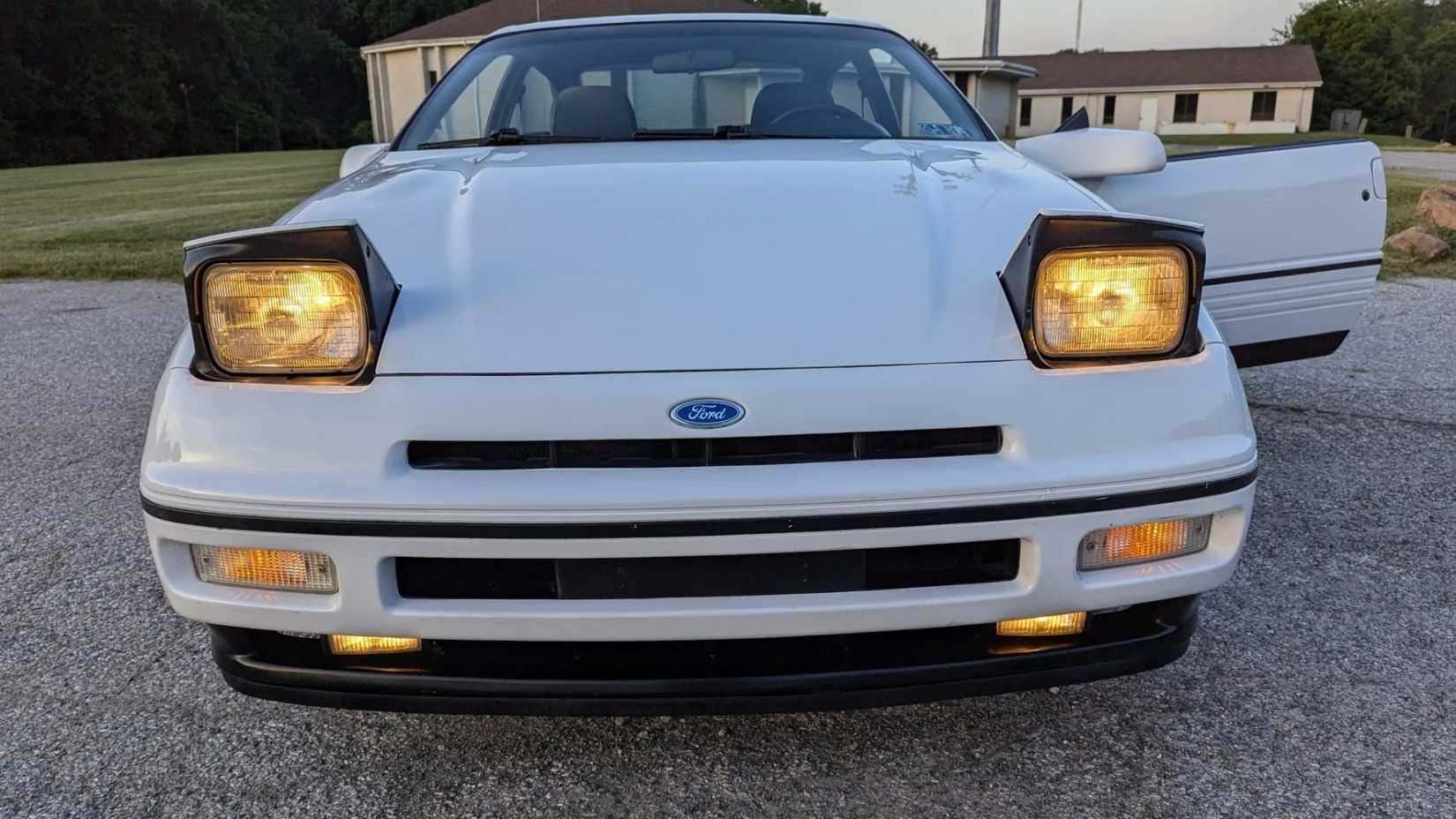
1989 Ford Probe finished in white with black interiorBring A Trailer
When the Ford Probe first hit the market in late 1988 as a 1989 model, it had some big shoes to fill. Not only was it slated to try and replace the Mustang, it was also tasked with giving the Japanese sports coupes on the market at the time a run for their money. Models like the Honda Prelude, Mitsubishi Eclipse, and the Acura Integra were all positioned right in its sights, and since many of the models it was destined to compete with were already well established, the climb to the top was going to be fraught with challenges.
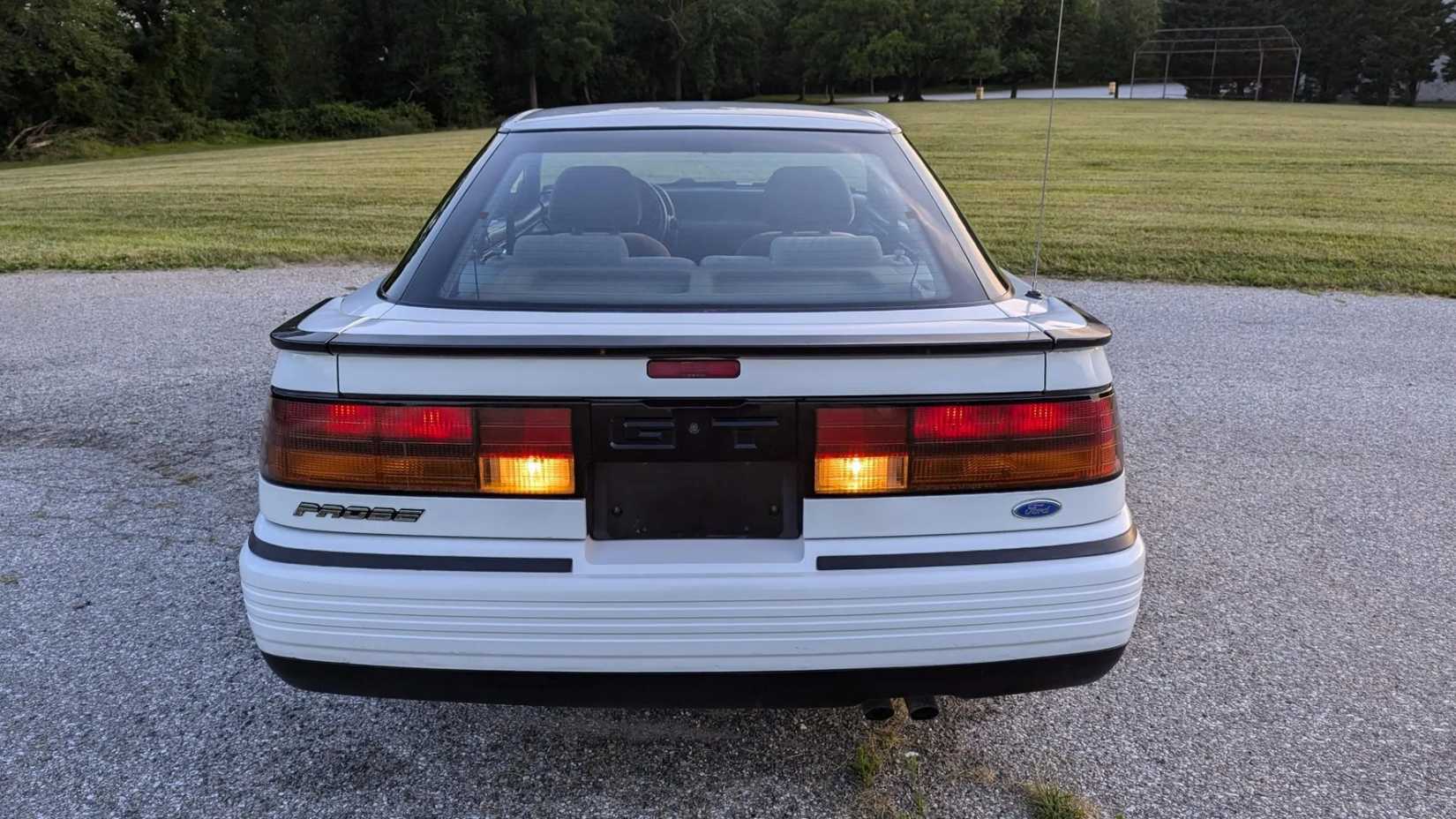
1989 Ford Probe finished in white with black interiorBring A Trailer
For 1989 model-year Probes, Ford suggested a base price of approximately $11,250, or roughly $29,380 in today’s money. This was over $2,000 cheaper than the base 1989 Nissan 240SX, and nearly $3k cheaper than the 1989 Honda Prelude’s entry-level price of $13,945. Being an American car helped it keep its costs lower, and its Japanese-inspired looks – courtesy of Ford designer Toshi Saito – meant it could be positioned well alongside its foreign competitors.
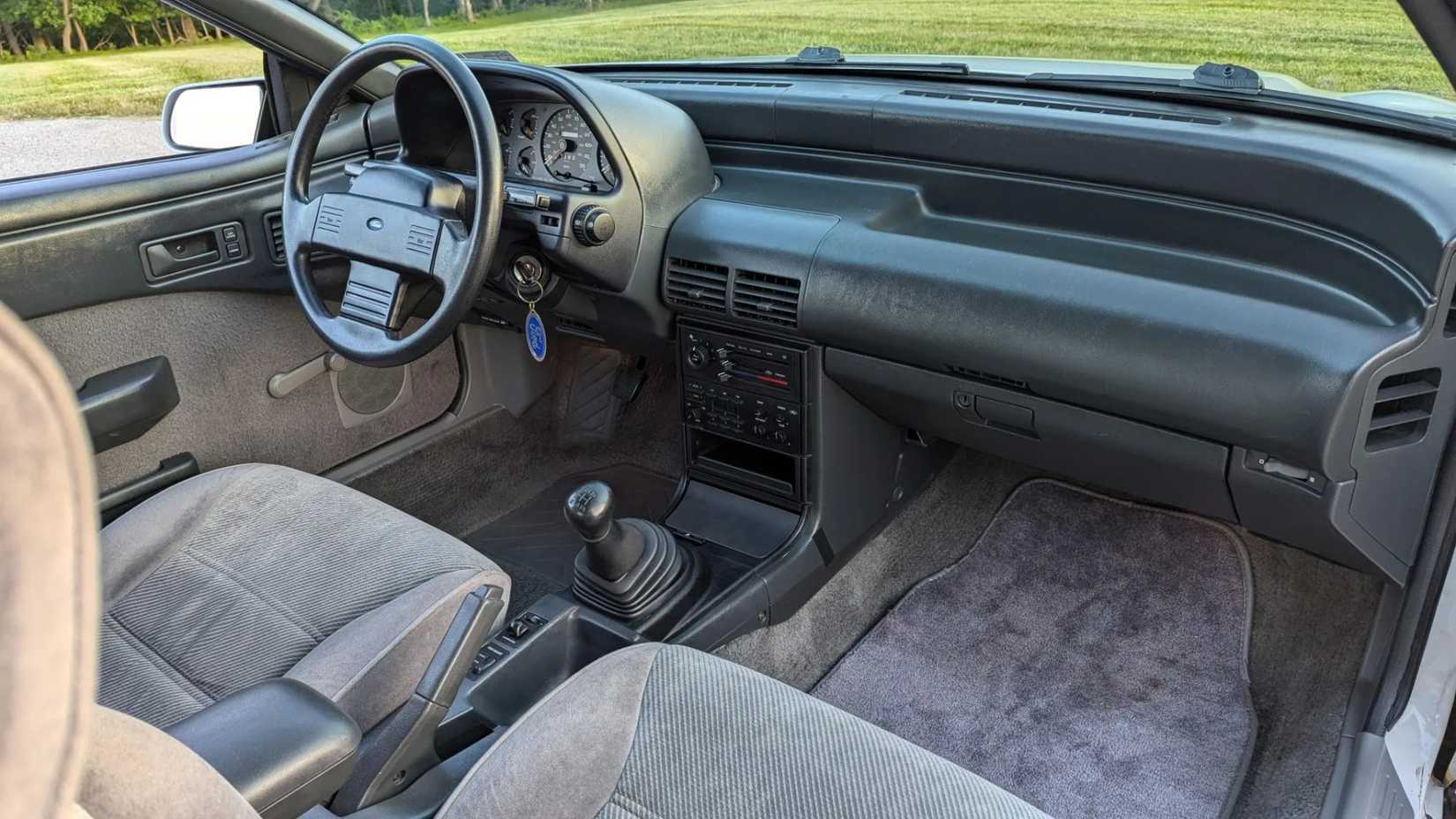
1989 Ford Probe finished in white with black interiorBring A Trailer
The first-gen probe was built on Mazda’s GD chassis, a platform also shared by models like the Mazda MX-6. In total, Ford offered the first-gen Probe in three main flavors, beginning with the base “GL” grade. GL-trimmed Probes came with few standard features, boasting things like crank windows and no air conditioning.
The mid-range grade was the LX, which added some amenities and power options, such as electric windows and mirrors. The top-spec GT came standard with a turbocharged four-pot, along with a full set of disc brakes, a three-way adjustable suspension system, and variable power steering. The Probe GT’s suspension received its fine-tuning from Mazda, rather than Ford.

1989 Ford Probe finished in white with black interiorBring A Trailer
Under the hood, Ford offered a choice between three engines. At base level sat a naturally aspirated and fuel-injected 2.2-liter inline-four. Moving up the totem pole, the next engine on the list was a turbocharged 2.2-liter mill, which was only offered on the Probe GT. At the top, a 3.0-liter Vulcan V6 was on offer. However, the Vulcan only entered the fold mid-way through the 1990 model year. Either a five-speed manual or a four-speed automatic – both built by Mazda – were available.
1st Generation Ford Probe
2.2L NA Inline-Four
2.2L Turbocharged Inline-Four
3.0L NA V6
Power
110 hp
145 hp
140–45 hp
Torque
130 lb-ft
190 lb-ft
160–165 lb-ft
Compression Ratio
8.6:1
7.8:1
9.7:1
0-60 mph
9.3 seconds
7.0 seconds
8.2 seconds
Top Speed
113 mph (limited)
131 mph
132 mph (limited)
*Specs courtesy of Ford & Car and Driver
After three full model years, the first-gen Probe received a generational refresh. All-told, Ford managed to shift about roughly 390,000 examples of the Probe, making it a resounding success in Ford’s eyes.

Related
11 Coolest Limited Edition Ford Mustangs
These are the most interesting Mustangs built in limited numbers.
Second Generation (1993–1997)
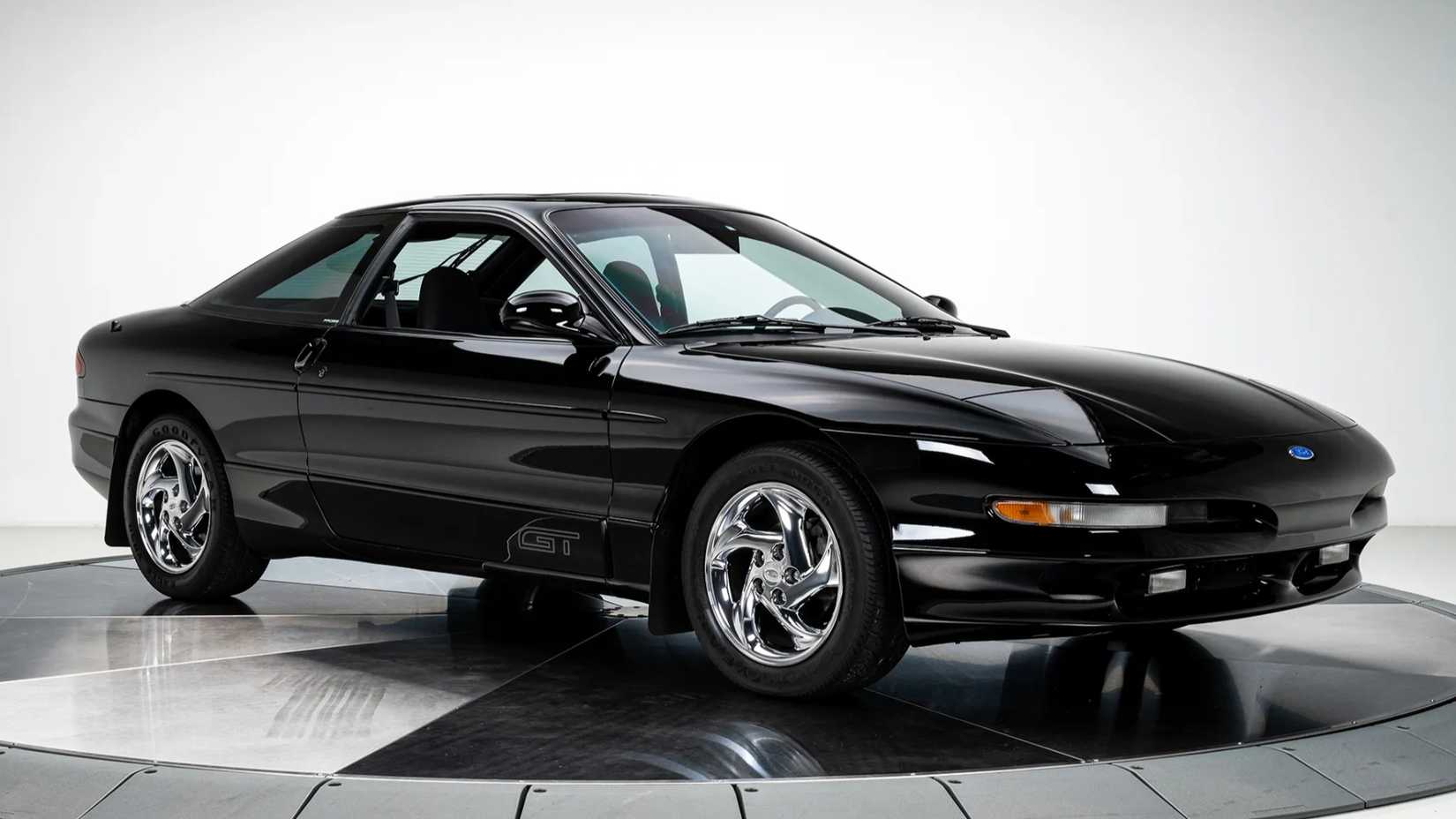
1995 Ford Probe GT finished in black with black interiorBring A Trailer
By the early 1990s, the boxy, designed-with-a-ruler styling seen throughout the 1980s was out. Replacing it was a new, rounded look, and the second-gen Ford Probe tried to capitalize on this development as best it could. It was longer, flatter, and wider, and boasted a much more rounded top, similar to the kind seen on Japanese sports cars like the second-gen Mazda RX-7 and the fourth-gen Toyota Supra. It’s reported that Ford was responsible for the second-generation Probe’s interior and exterior styling, while Mazda took the helm when it came to its mechanical underpinnings.
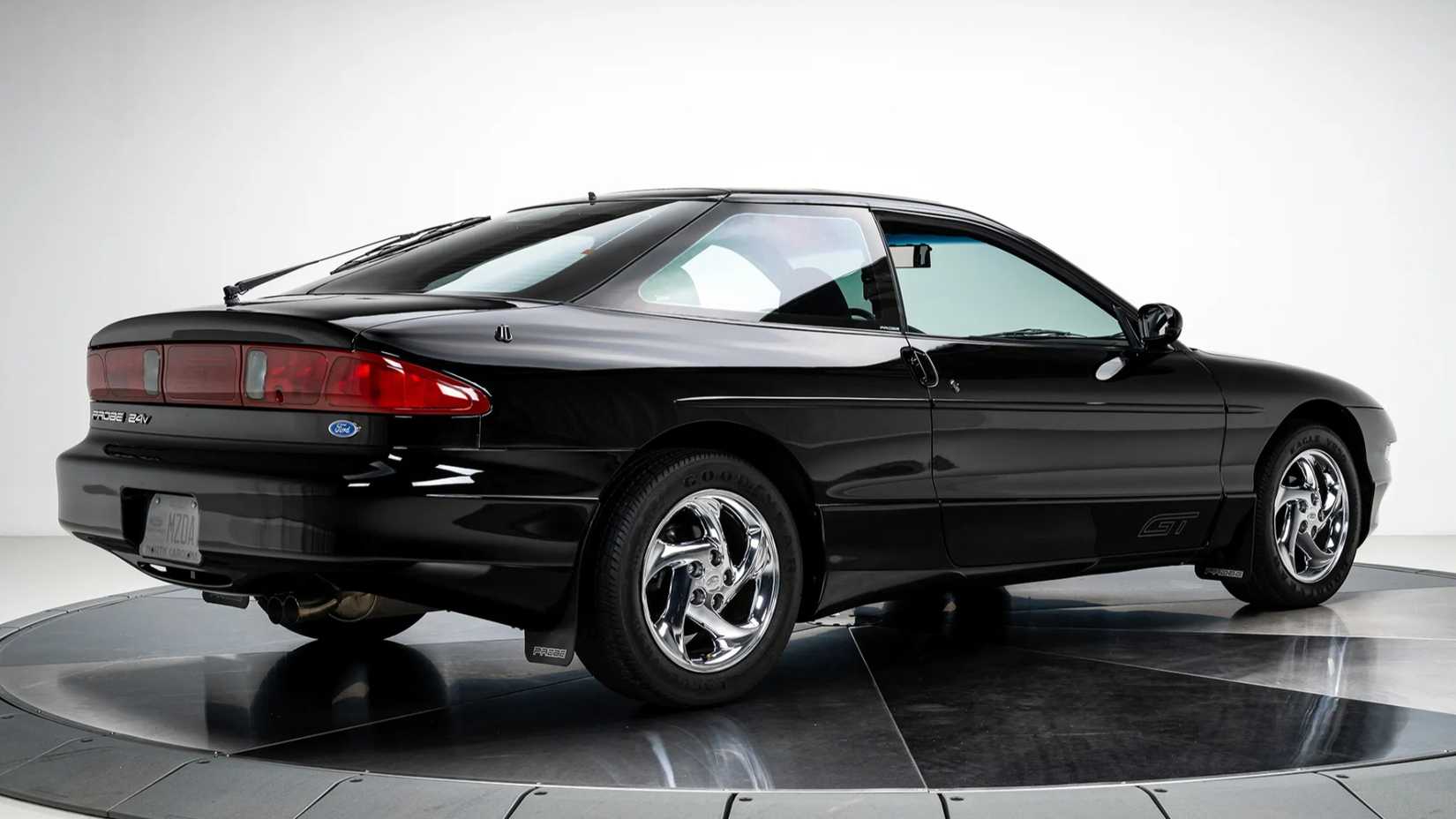
1995 Ford Probe GT finished in black with black interiorBring A Trailer
The second-gen Probe went on sale at the end of 1992 as a 1993 model sporting a base price of $12,845, which equates to about $28,800 today. Despite being larger, this new Probe managed to be about 125 lbs lighter than the first-gen iteration, mostly thanks to a more extensive use of plastic across its body.
Its designer, a woman called Mimi Vandermolen, designed the new Probe with women in mind. She’s quoted as saying, “If I can solve all the problems inherent in operating a vehicle for a woman, that’ll make it that much easier for a man to use.” In other words, the Probe was meant to be driven without much fuss, while also providing a good amount of fun.
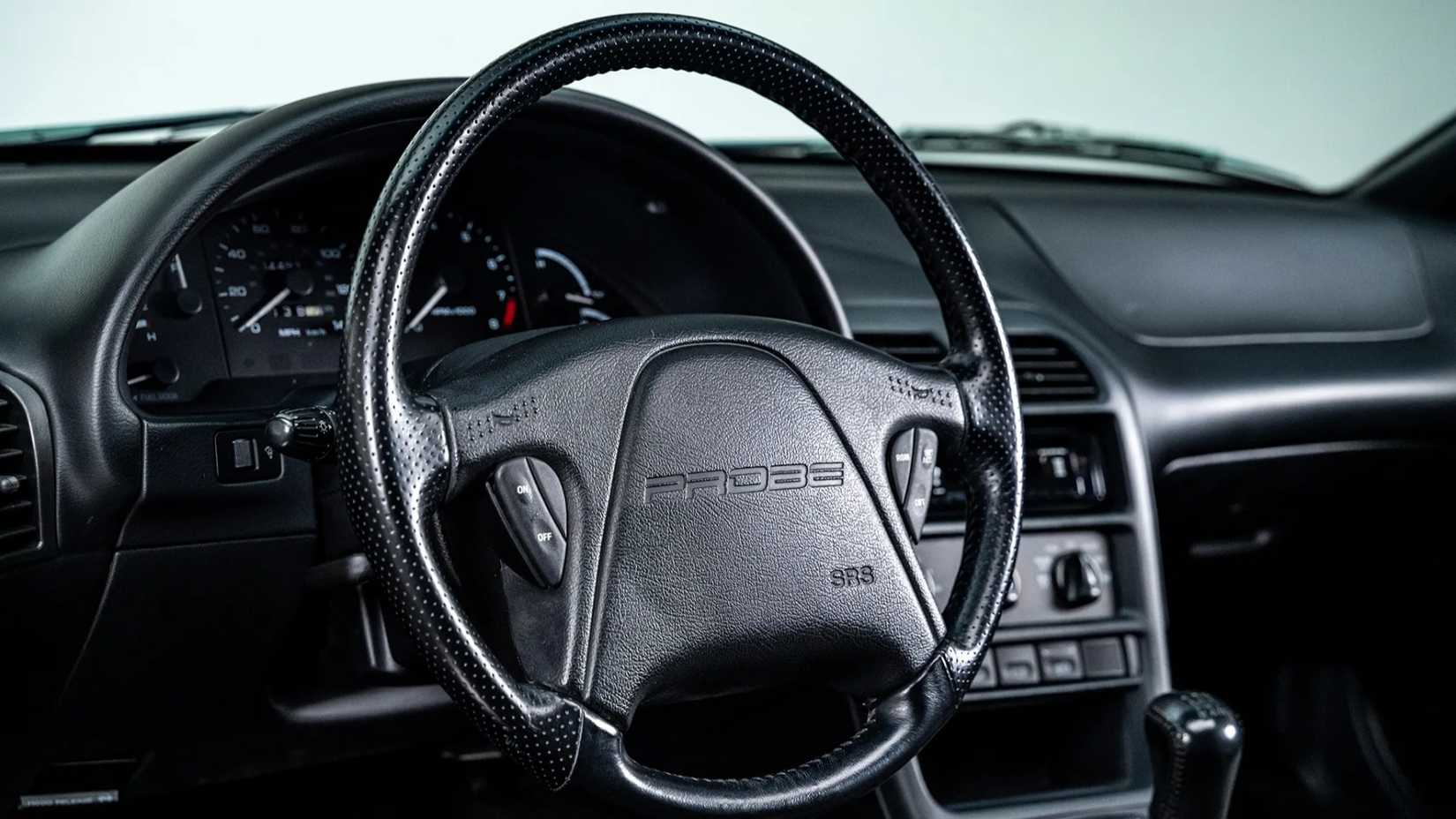
1995 Ford Probe GT finished in black with black interiorBring A Trailer
The Probe was now based on the Mazda GE platform, the GD’s direct replacement. Instead of three trim levels like the first-gen iteration, the new Probe came with just two. At entry level was simply an unnamed base trim, which came with a naturally aspirated 2.0-liter four-pot. The top-spec Probe was again the GT grade, which boasted a naturally aspirated 2.5-liter V6.
Related
9 Best Ford Mustangs Of All Time
But the Mustang story is far from over.
In 1995, a short-lived “SE”, or “Sport Edition” trim was introduced, but was axed following the 1996 model year. The SE-specced Probe received special wheels and a GT-style front end, although it made do with the standard 2.0-liter engine. A choice between a pair of four-speed automatics and a five-speed manual transmission was offered.
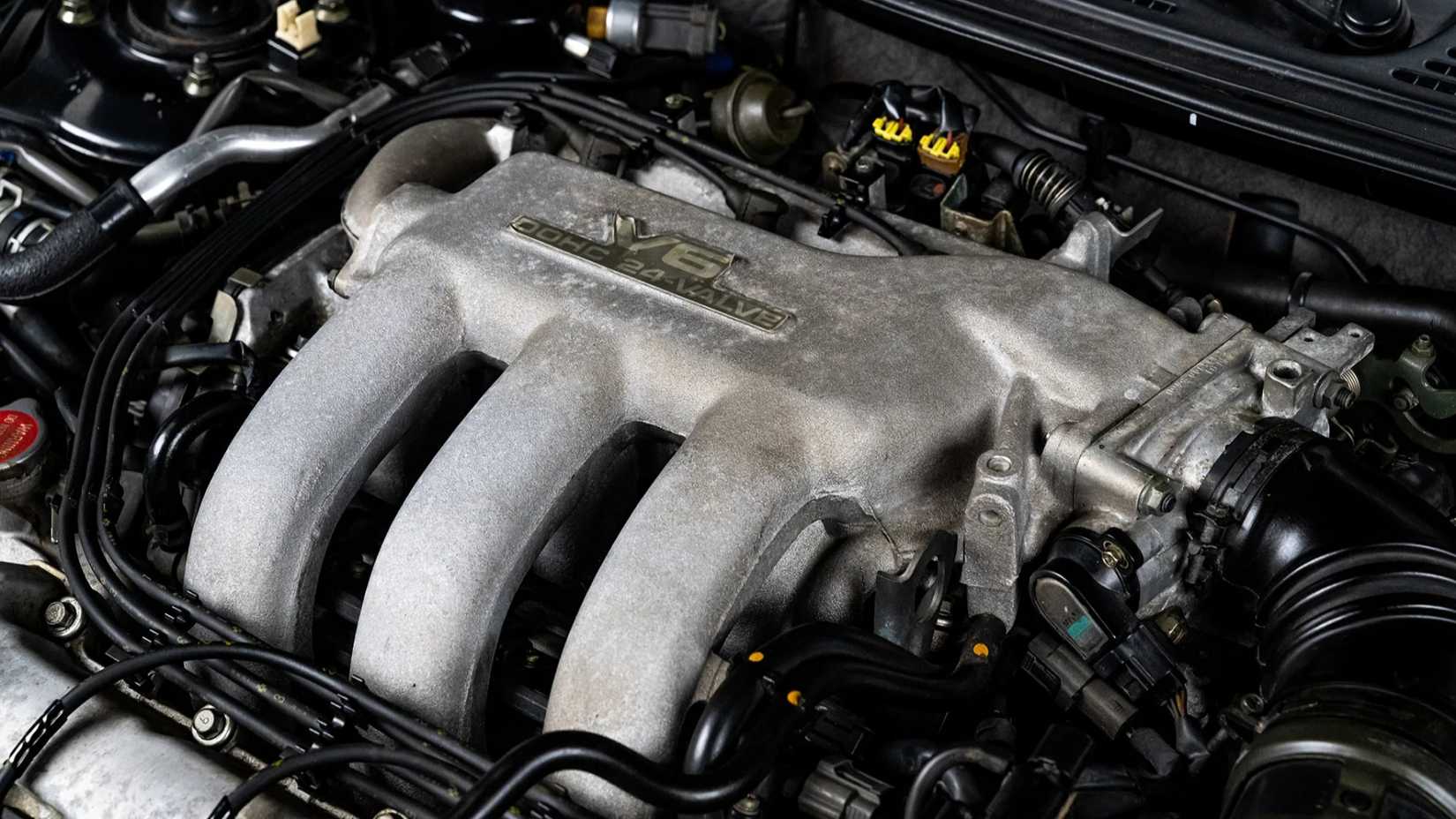
1995 Ford Probe GT finished in black with black interiorBring A Trailer
2nd Generation Ford Probe
2.0L NA Inline-Four
2.5L NA V6
Power
118 hp
164 hp
Torque
127 lb-ft
160 lb-ft
Compression Ratio
9.0:1
9.2:1
0-60 mph
9.6 seconds
Manual: 7.0 seconds
Automatic: 8.5 seconds
Top Speed
113 mph (limited)
131 mph
*Specs courtesy of CarFolio & Car and Driver
Successful, But No Mustang Replacement
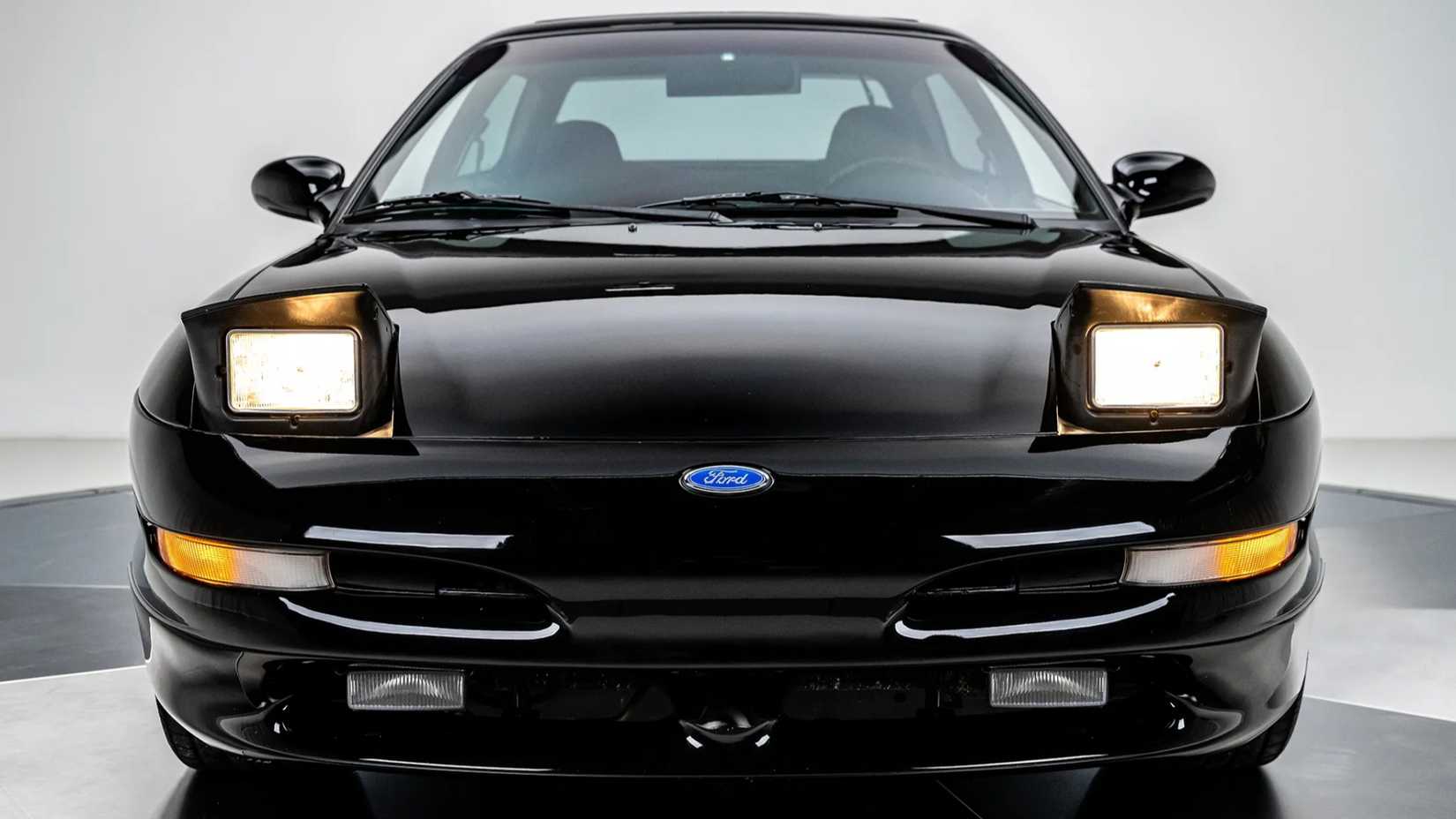
1995 Ford Probe GT finished in black with black interiorBring A Trailer
While it became obvious that the Probe would never be accepted as the Mustang’s successor early on, Ford’s decision to plow on with the model anyway proved successful. Its first generation exceeded sales targets, and its second generation was also a strong performer, although a bit less so. About 310,000 total examples were sold between 1993 and 1997.
However, following the Mustang’s radical new design – which debuted for the 1994 model year – the Probe’s sales began to decline sharply. Because of this, Ford decided against creating a third-gen version, instead allowing the model to die after the 1997 model year.
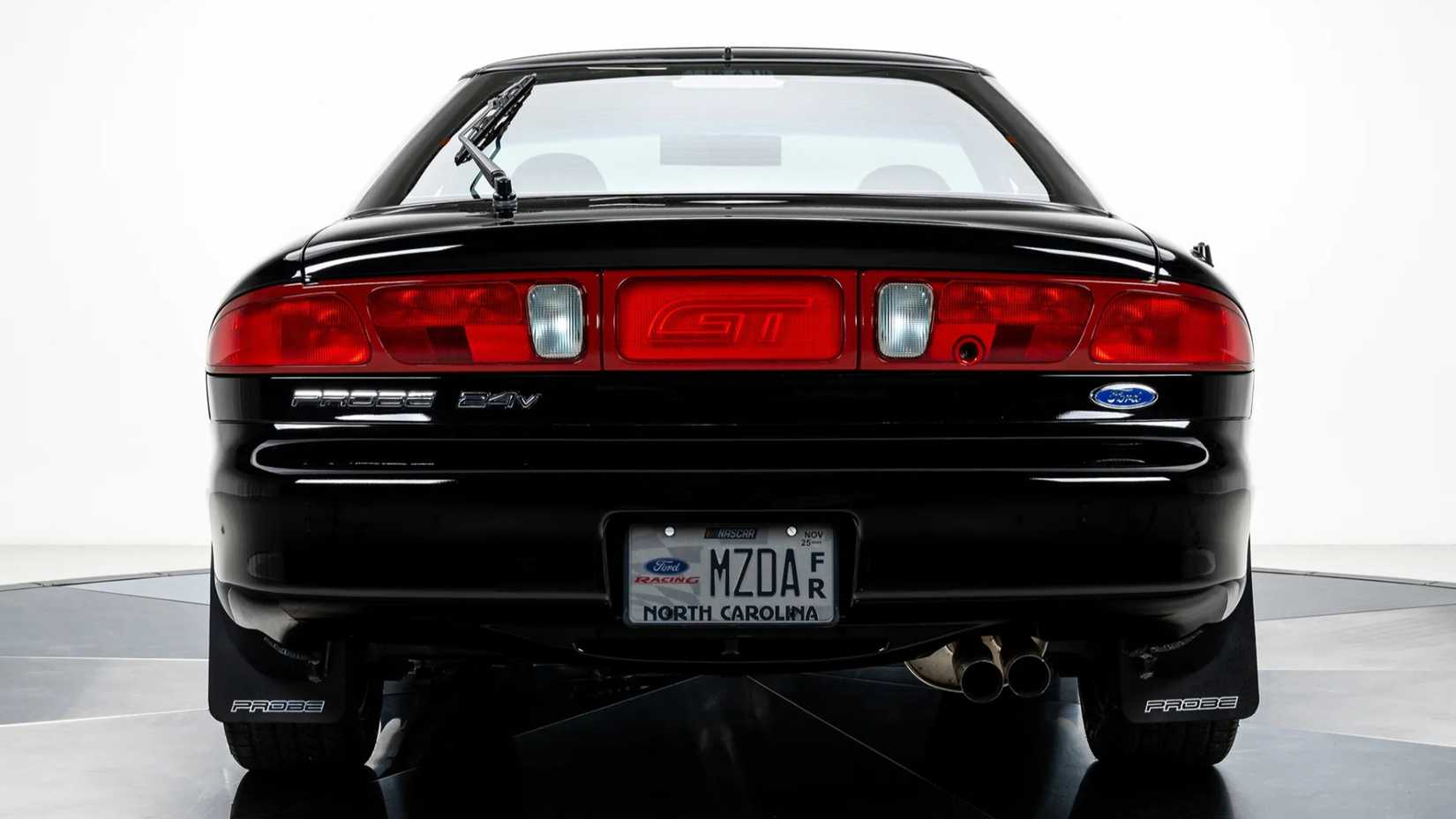
1995 Ford Probe GT finished in black with black interiorBring A Trailer
All in all, the Ford Probe was conceived with a flawed plan in mind, and also tried to mimic Japanese sports coupes, but still managed to be rather successful.
Sources: Ford, Car and Driver, PerformanceProbe.com, CarFolio.com, GoodCarBadCar.net
AloJapan.com