
 Thu, February 26, 2026 at 4:02 PM UTC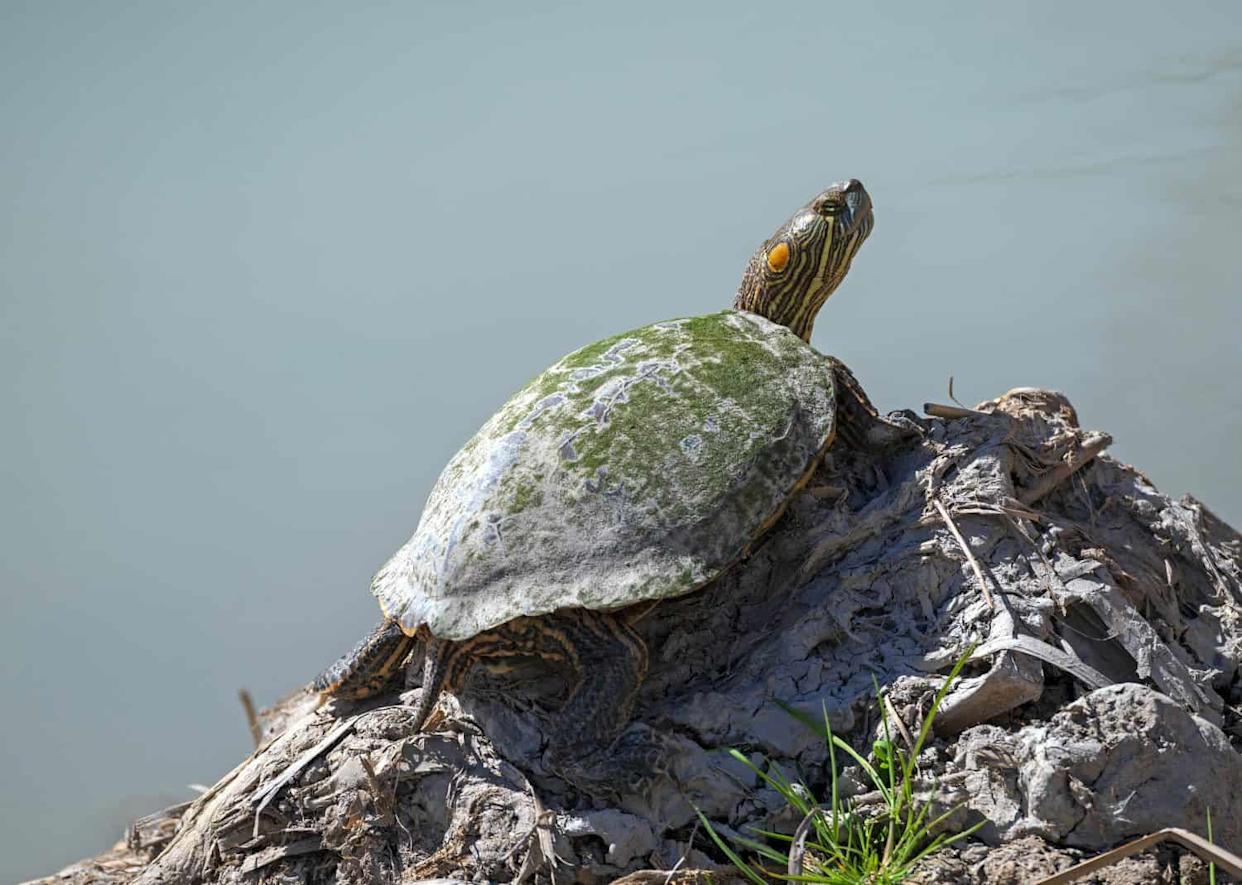
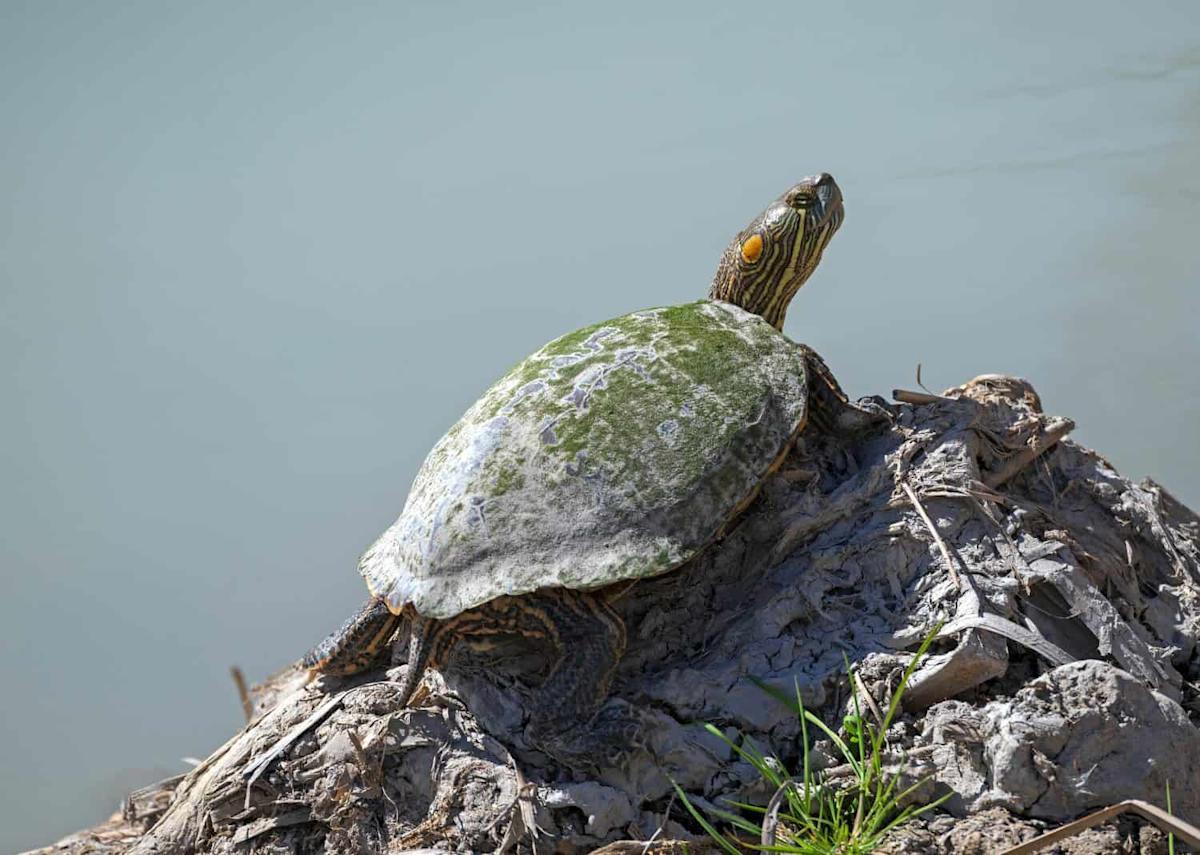
Big Bend Slider Turtle Basking in the Sun in Big Bend National Park in Texas© Wildnerdpix/Shutterstock.com
Quick Take
Achieving 10 safe rescues within 5 months established a new global standard for railway safety.
Standard railway switches in the Kansai region frequently trap wildlife, causing significant transit delays.
Kansai region infrastructure requires structural voids to ensure passenger safety and flow.
Targeting JR Goido and Yakegami Station was essential to prevent lethal hazards during route changes.
Interactions between animals and human infrastructure happen all the time and can sometimes be dangerous. This often involves cars and trains hitting animals as they cross. In North America, engineers build wildlife crossings above or below highways to help animals cross safely. Japan, a nation with an extensive train network, has developed a unique approach to supporting wildlife. You can see in this Instagram post by @backpacking that shows how railway companies install turtle tunnels to allow turtles to pass safely. Read here to learn more!
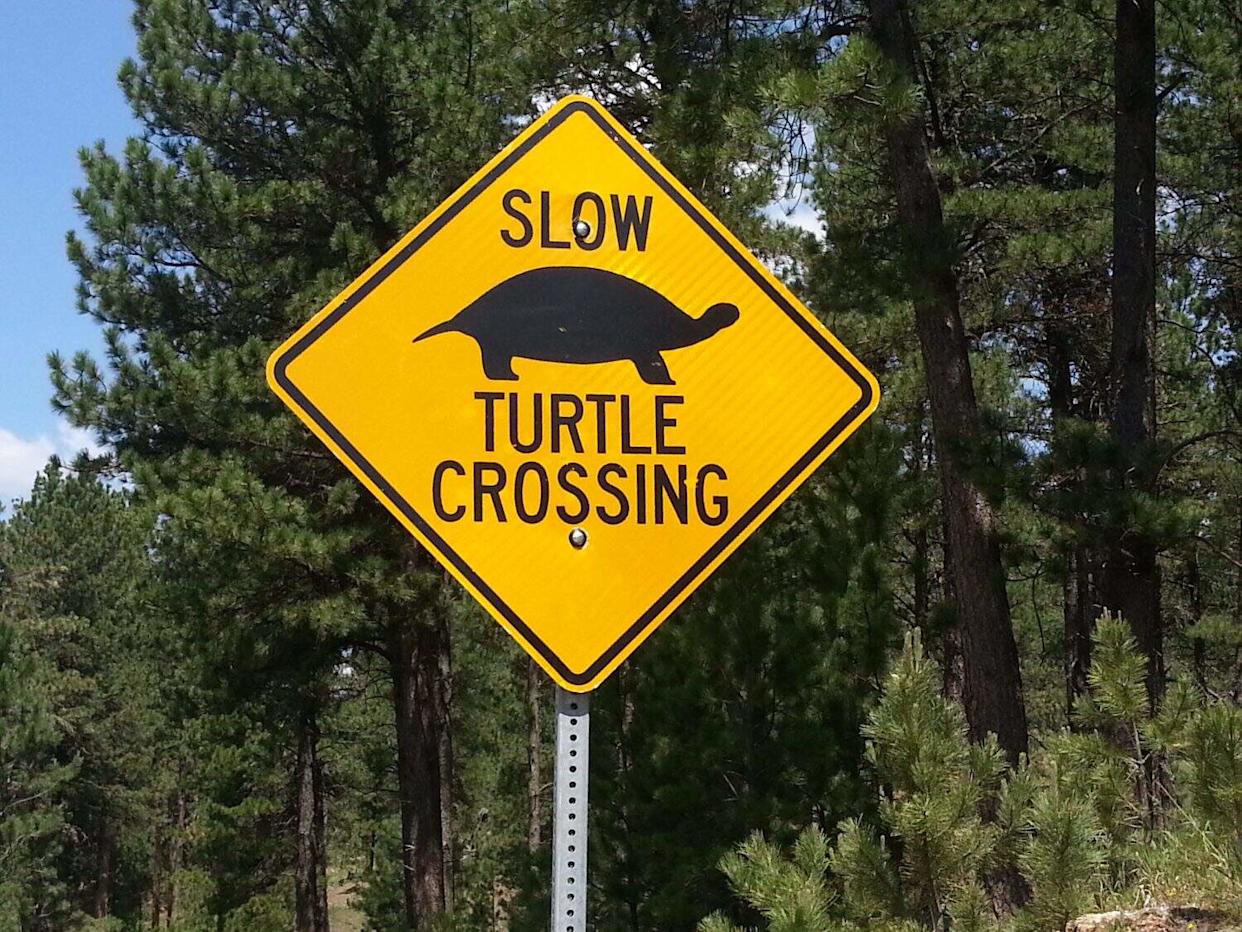
Turtle crossings are important for protecting the natural wildlife.
Turtle Crossings
In the post, turtle crossings have been popping up more and more in Japan, specifically in the Kansai region. This region, home to Kyoto and Nara Prefectures, is full of diverse wildlife, including turtles. Some species found here include the Japanese pond turtle and the Ryukyu black-breasted leaf turtle. To help the turtles safely cross train tracks and to help the trains run smoothly, companies started introducing safety measures for the turtles.
The need for these crossings arose from a very specific scenario. Because turtles are small enough to fit under trains as they pass over the tracks, they often get caught in the railway switches when the track routes change. To address this, the companies built a U-shaped divot that turtles can fall into and then exit safely from the sides. This allows them to safely move around the tracks without risk of harm to themselves or to the train. You can find these beneficial crossings near JR Goido and Yakegami Station in Nara Prefecture.
The crossings were originally installed in April 2015. Since then, these crossings have continued to be used and are reported to help keep turtles safe and reduce train disruptions. Between April and August 2015, 10 turtles were safely rescued, preventing unnecessary harm to wildlife. These crossings have since gone viral online thanks to their humane approach to helping turtles. This is a great way to help turtles navigate urban environments. While the exact number of installations is unknown, the concept is extremely effective and useful.
The post Why Japanese Train Stations Are Installing Turtle Crossings appeared first on A-Z Animals.
AloJapan.com