
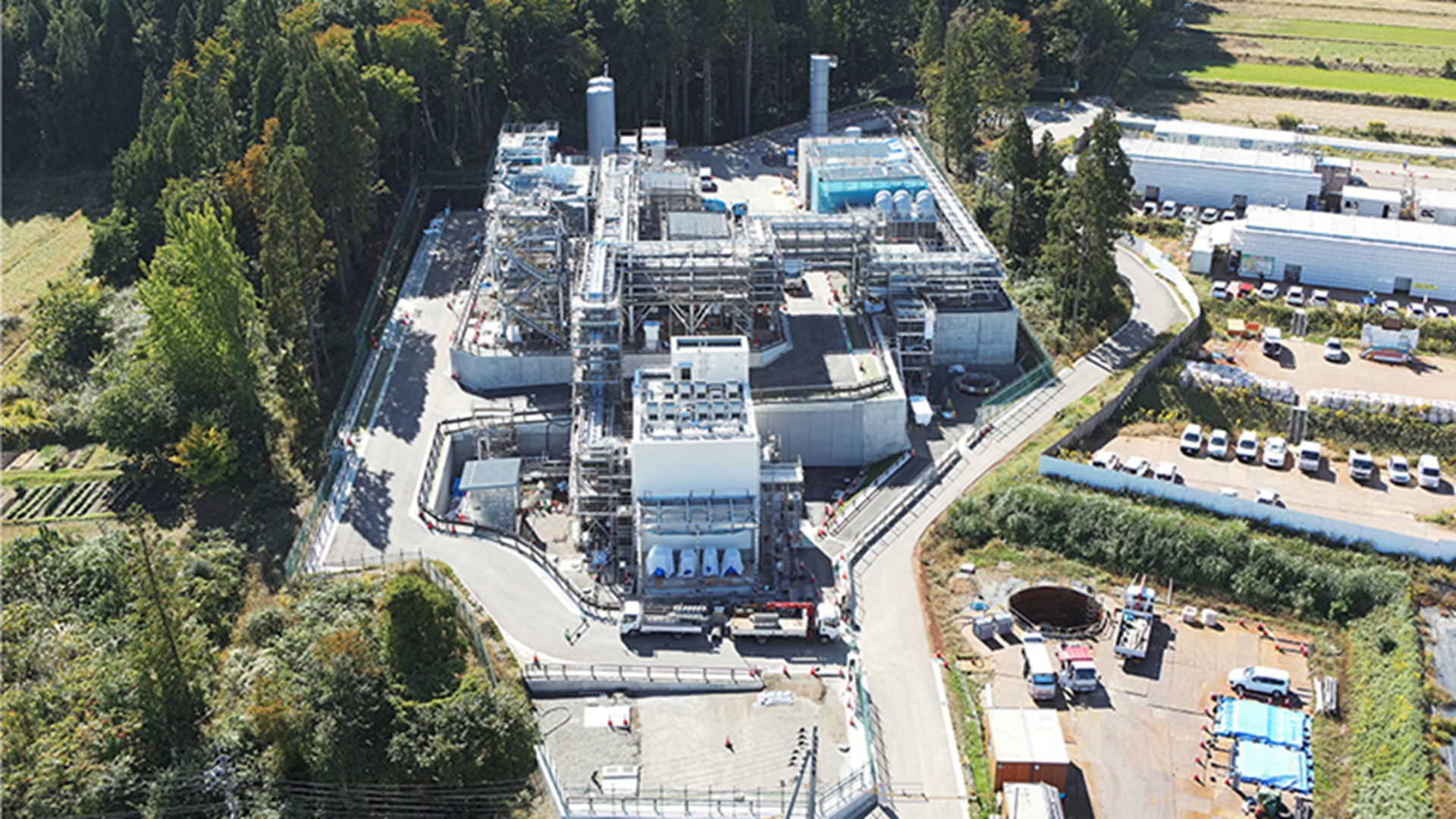
Two Japanese companies have recently launched one of the world’s largest-class CO2 methanation test plant, which is expected to supply the annual gas needs of approximately 10,000 households.
The site, which was built by Inpex Corporation, an energy giant headquartered in Tokyo, and gas company Osaka Gas Co., Ltd., officially began demo operations on Tuesday, February 24.
Funded by the New Energy and Industrial Development Organization (NEDO), the facility was initiated by Inpex in 2021. Its construction began two years later. The site completed construction and trial operation in late 2025. It has a processing capacity of 400 normal cubic meters (Nm3) of CO2 per hour.
The plant can generate enough synthetic methane, also known as e-methane, to supply thousands of households with city gas each year. As per Inpex, synthetic methane produced at the site was successfully injected into a natural gas pipeline on February 20.
Turning emissions into gas
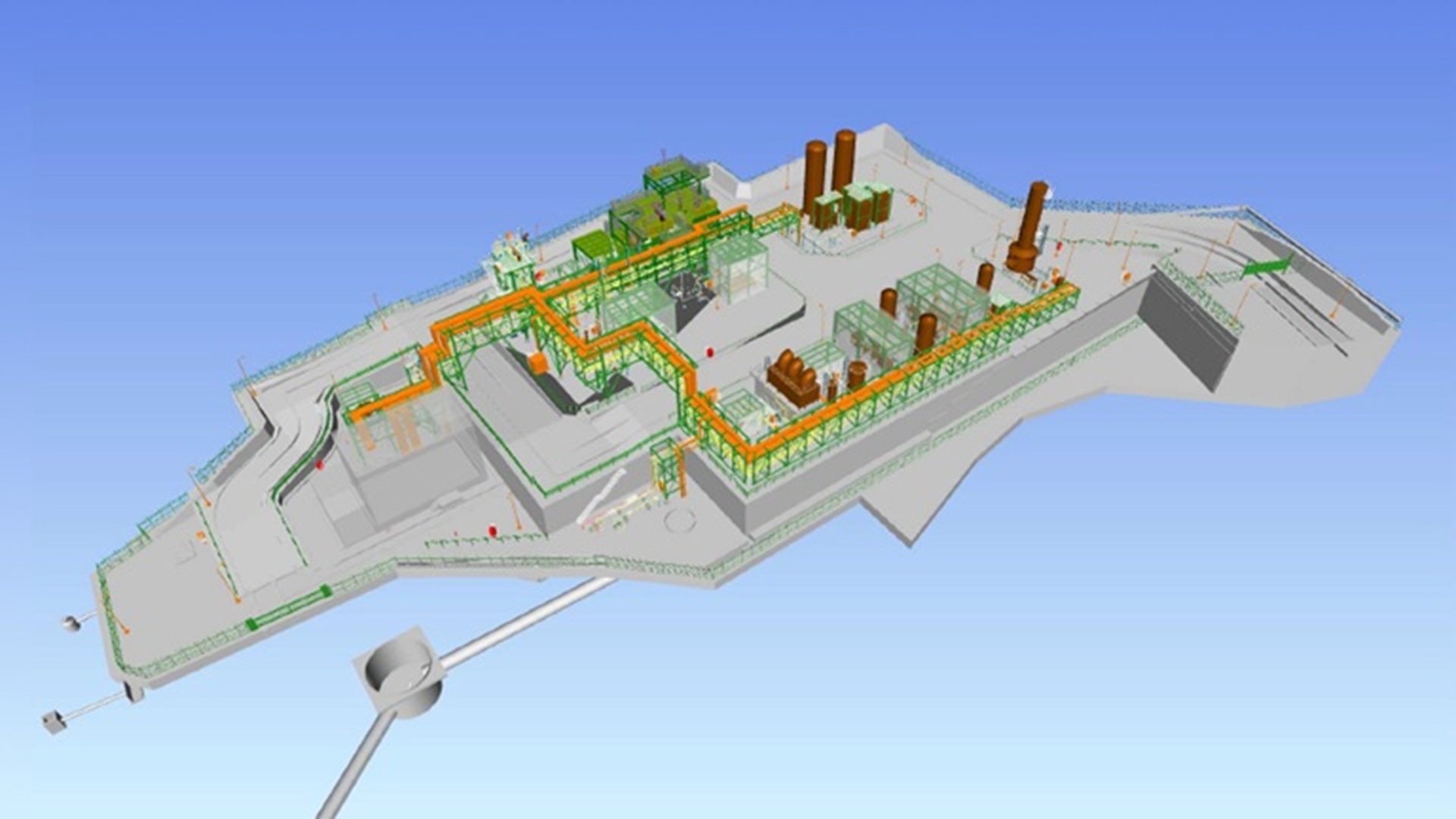
The newly commissioned facility consists of equipment for raw material supply, as well as methanation reactors and supporting utilities. It uses the carbon dioxide captured from Inpex Japan Corporation’s Koshijihara Plant in Niigata Prefecture as feedstock.
It then converts it into methane using catalyst-powered hydrogenation reactors. “Through trial operations at the test facility, the technical development goal of producing synthetic methane with a methane concentration of 96 percent was successfully achieved,” Inpex representatives said.
 The methanation facility at the Nagaoka Field Office.
Credit: Inpex
“Going forward, a portion of the synthetic methane produced will be injected into Inpex Japan’s natural gas pipeline via the Koshijihara Plant,” Inpex officials added. “In addition, the demonstration operations at the test facility will prioritize safety and environmental considerations.”
According to the company, this is expected to bring e-methane one step closer to practical deployment. While Inpex is responsible for project management and site operations, Osaka Gas is developing the core methanation reaction technology.
The gas company will apply its energy-efficient catalytic methanation technology and engineering expertise to refine the new facility’s equipment design, in order to further optimize the production process.
A cleaner technology
The test facility has also received certification under Japan’s Clean Gas Certificate System which is supported by the Japan Gas Association. The license confirms the e-methane produced in the facility holds independent environmental value.
Under this system, synthetic methane created from non-fossil energy sources can receive transferable certificates that recognize its contribution to CO2 neutrality.
“Through this project, Inpex and Osaka Gas are committed to accelerating the early societal implementation of carbon-neutral city gas using CO2 methanation,” Inpex representatives concluded in a press release.
The project aligns broadly with the Pacific nation’s national decarbonization goals. Inpex said the effort supports the goals outlined in its Inpex Vision 2035, revealed in February 2025. It prioritizes hydrogen, CCS, as well as low-carbon technologies as key growth pillars.
Meanwhile, Osaka Gas’s parent company, the Daigas Group, similarly framed its Energy Transition 2025 initiative plans to expand technologies and services that support a decarbonized society. Aiming to address social challenges including climate change, the company seeks to establish itself as a corporate group that supports the evolution of everyday life and business.
AloJapan.com