
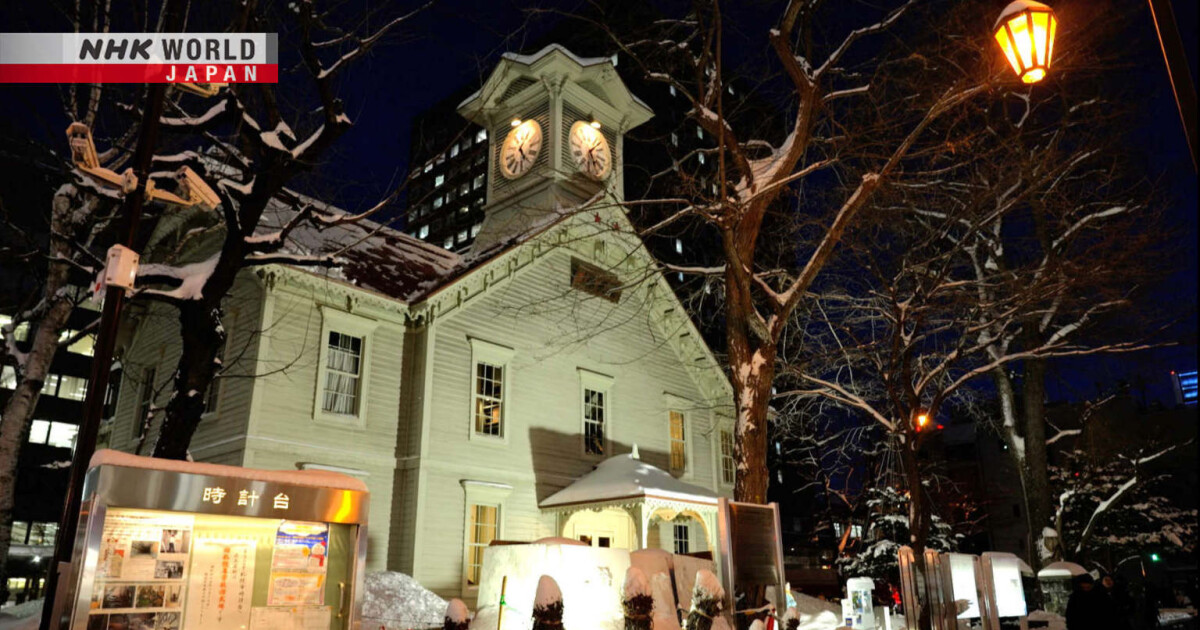
We take a trip to Sapporo, the city that served as a base for the development of Hokkaido. Learn the history behind its central river and see how locals are now working to restore wild salmon runs.
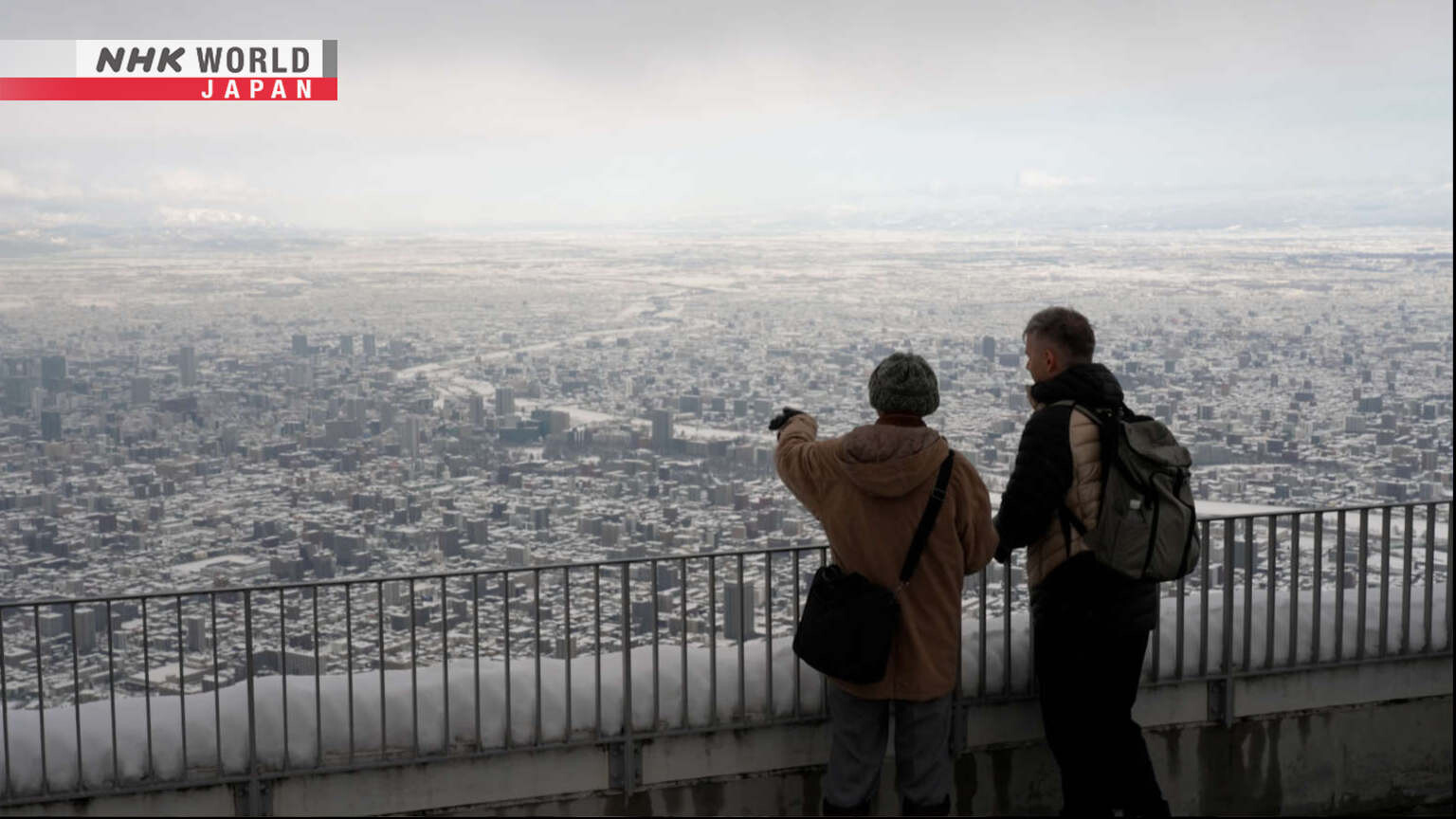
The town of Sapporo was built on the alluvial fan created by Toyohira River. The middle part of it has firm soil with good drainage, making it suitable for a high concentration of buildings. The edges were wetlands that provided fertile soil for farming. The name Sapporo embodies these contrasting meanings.
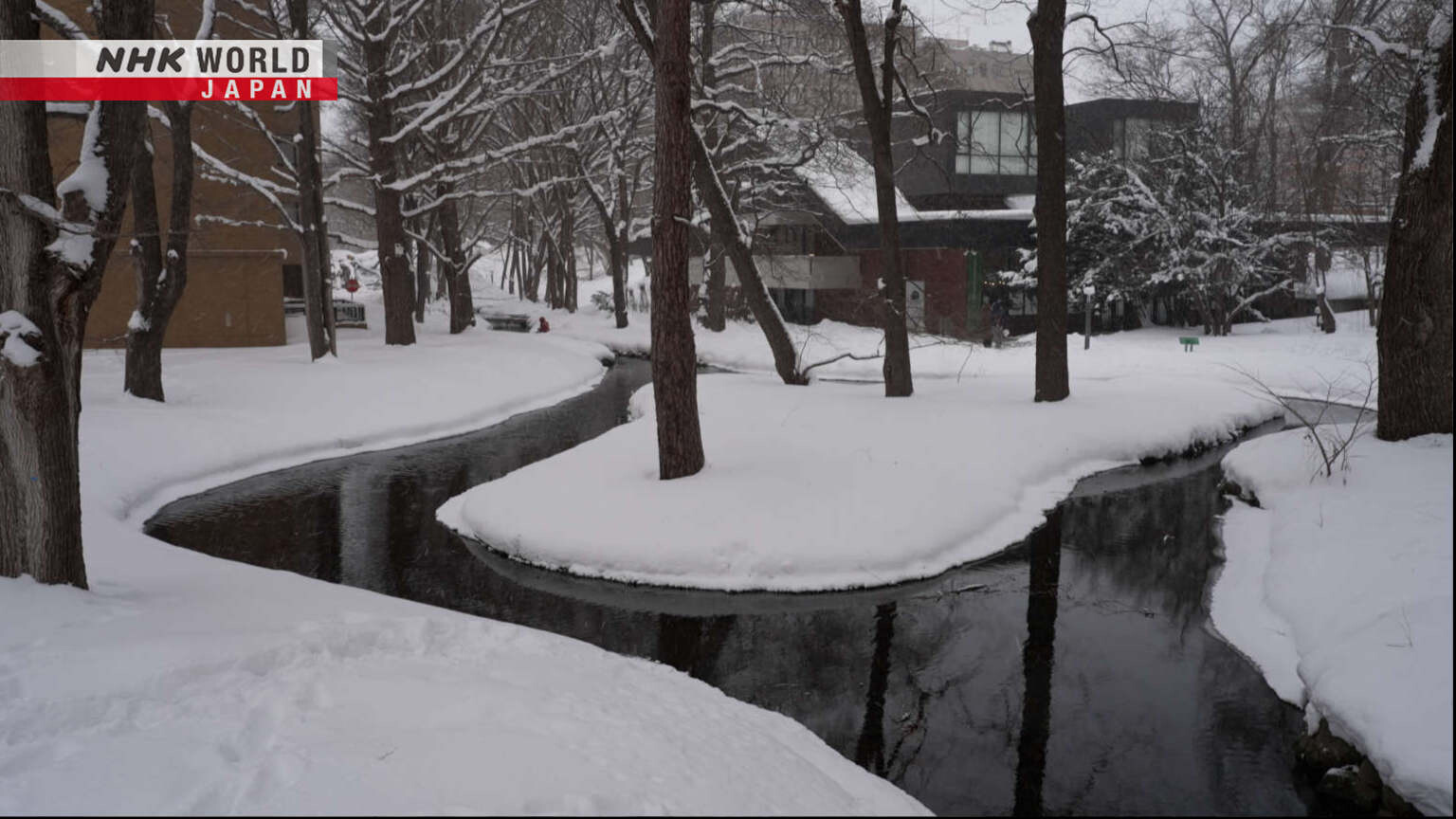
We walk to Hokkaido University, to a spot where you can see the features of the alluvial fan’s edge. Many springs spread out in a way that corresponds with the edge of the alluvial fan. The indigenous people settled along the banks of the rivers fed by the springs, living in harmony with nature.
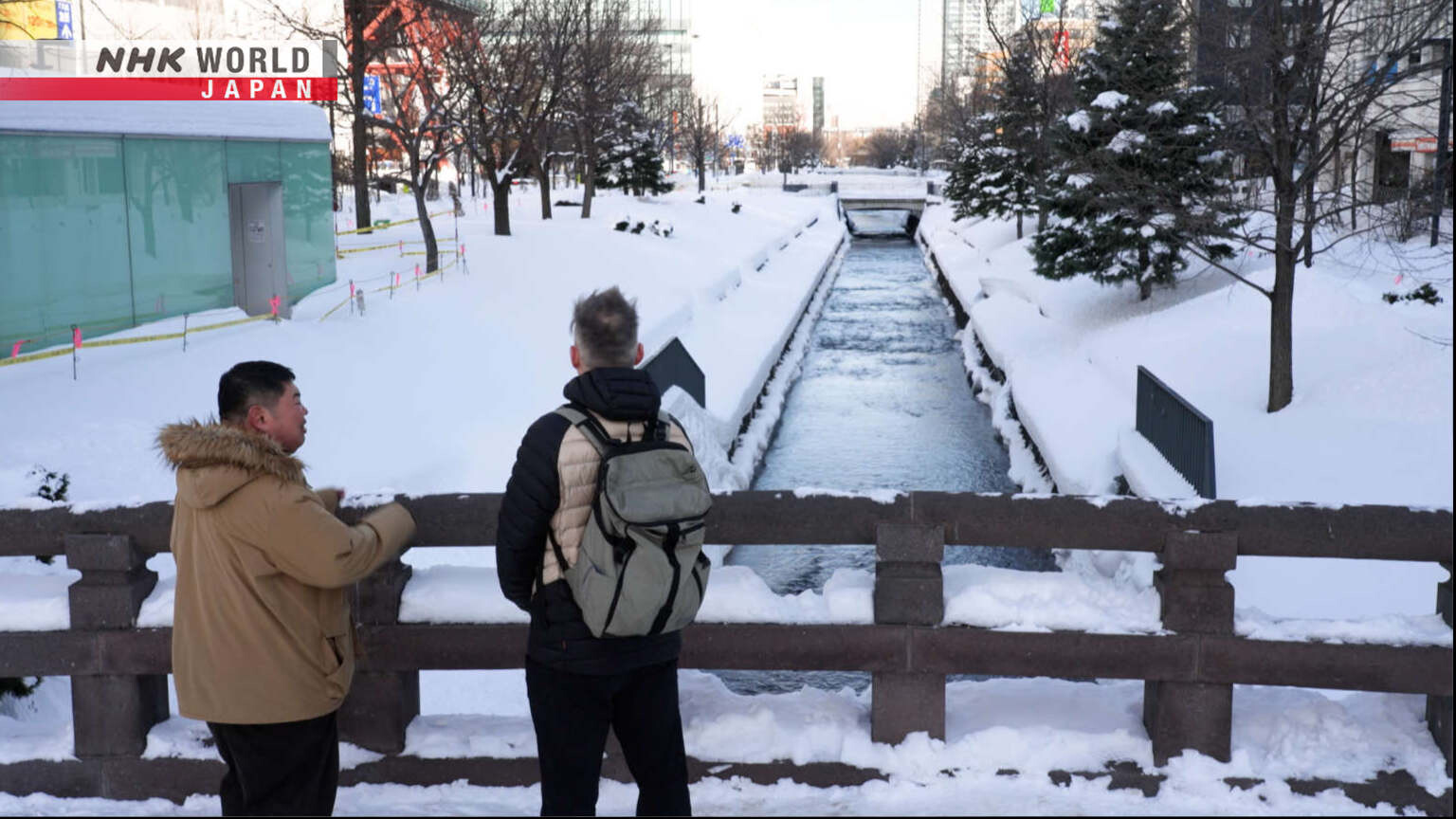
With a population of over 1.9 million, Sapporo has become Japan’s fifth-largest urban center. The city was founded some 160 years ago. The Sosei River served as a central waterway for logistics. Roads were built along the banks, and the town developed with the canal as its main axis.
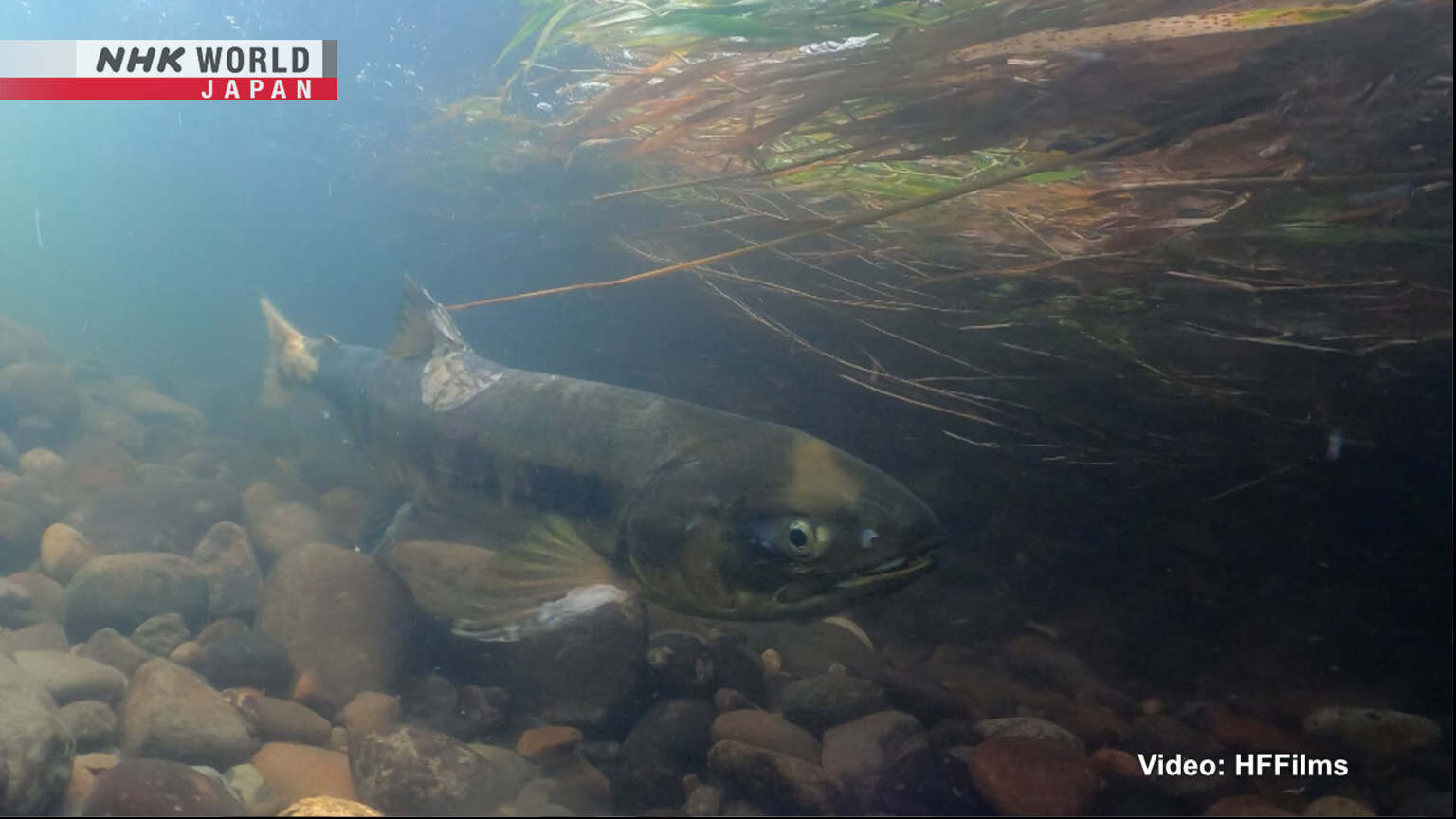
Over 45 years have passed since Sapporo citizens first released salmon fry into Toyohira River. Salmon have also been confirmed to be swimming up the Sosei River. They say it’s unprecedented to see salmon migration occurring in a major urban center with a population of nearly two million.
AloJapan.com