
The new U.S. levies raise concerns about trade stability as Japan pushes to protect 15% auto tariffs.
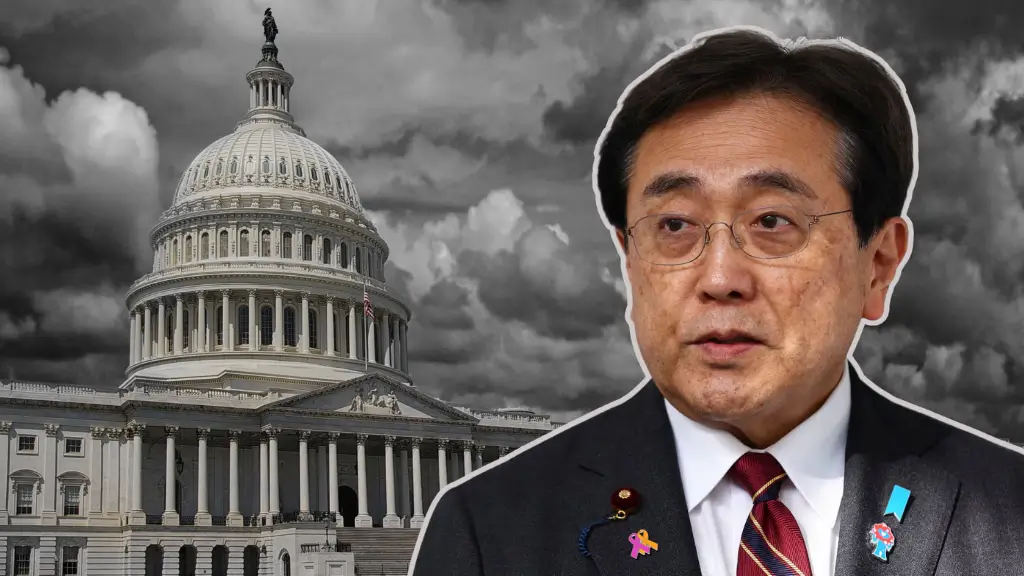
Japanese Trade Minister Ryosei Akazawa
On the Dash:
• Japan is seeking assurance it will not face harsher tariffs than under the 2025 trade deal.
• The agreement lowered auto import duties to 15% from 27.5%.
• New U.S. levies could complicate tariff treatment under Section 122.
Japan’s trade minister is urging the United States to ensure that newly announced tariff measures do not leave Tokyo in a worse position than under last year’s bilateral trade agreement, as uncertainty surrounding U.S. trade policy intensifies.
Japanese Trade Minister Ryosei Akazawa raised the issue during a phone call Monday with U.S. Commerce Secretary Howard Lutnick, according to Japan’s trade ministry. The discussion centered on recent changes to U.S. tariff policy and the implementation of a $550 billion investment mechanism established under the 2025 Japan-U.S. trade deal.
Sign up for CBT News’ daily newsletter and get the latest industry stories delivered straight to your inbox.
Under that agreement, Japan committed to creating the $550 billion investment vehicle in exchange for a lower reciprocal tariff rate. Duties on auto imports from Japan were reduced from 27.5% to 15%, a critical outcome for a country whose economy relies heavily on vehicle exports.
Akazawa emphasized that as Washington rolls out new tariff measures, Japan’s treatment should remain consistent with the terms secured in last year’s deal. His comments come after a series of rapid policy developments in the United States. Following a Supreme Court decision striking down former President Donald Trump’s reciprocal tariffs as illegal, the administration said it would impose a 10% levy beginning Tuesday morning. Trump subsequently floated raising the rate to 15%.
On the surface, the proposed rate may not materially alter Japan’s position, since the reciprocal tariff on its products was already set at 15%. However, Tokyo is seeking clarity amid concerns that new levies introduced under Section 122 of the Trade Act of 1974 could create additional burdens on certain items that were previously subject to a non-stacked 15% rate.
Akazawa told reporters Tuesday that some goods covered under the existing trade framework could face layered tariffs if the new measures are structured differently. He said Japan would continue engaging with U.S. officials to ensure that it does not face less favorable terms.
Chief Cabinet Secretary Minoru Kihara reiterated that Japan will work to implement the trade agreement steadily while closely monitoring any potential impact from further U.S. policy changes. There are currently no plans for an immediate visit to Washington to renegotiate terms.
The stakes are high for Japan’s automotive sector. Auto exports remain Japan’s largest export category and a central pillar of employment and investment. Any shift in tariff treatment could have significant implications for Japanese automakers and U.S. dealers dependent on imported inventory.
AloJapan.com