
Japan currently has 16 public holidays each year.
As you plan your travel itinerary, it is useful to know when these days fall and what exactly they celebrate.
Tips
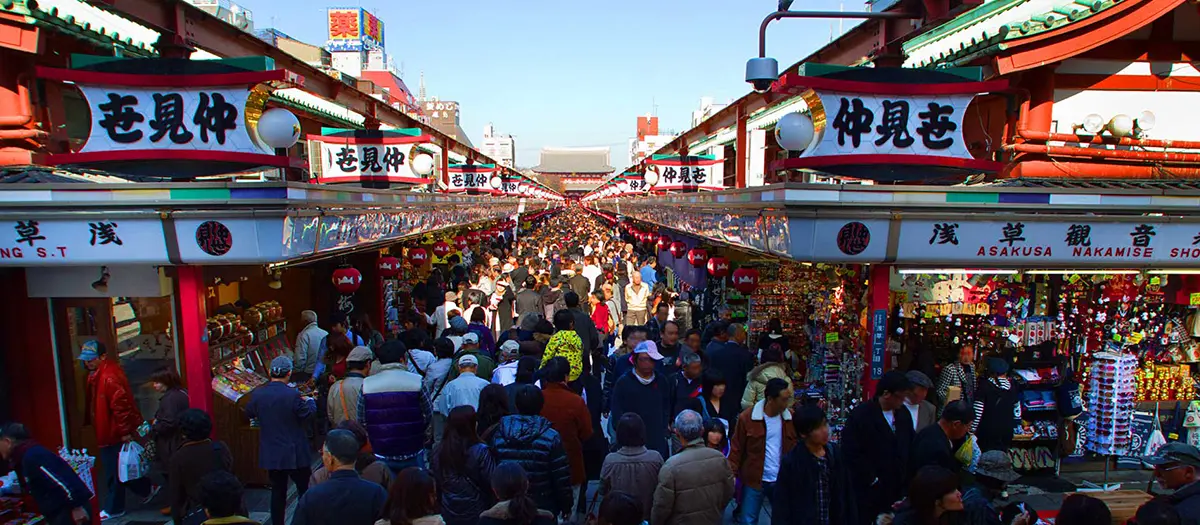
Companies generally give their employees days off during public holidays, so popular landmarks, attractions, and sightseeing spots will be crowded
Roads and public transport will be congested
Train and bus routes may change
If you dislike crowds, it might be best to schedule your sightseeing plans on different days
Now for the fun stuff. What are these holidays, and what do they celebrate?
Overviews
January 1
New Year’s Day
Second Monday of January
Coming-of-Age Day
February 11
National Foundation Commemoration Day
February 23
Emperor’s Birthday
March 20
Vernal Equinox Day
April 29
Showa Day
May 3
Constitution Memorial Day
May 4
Greenery Day
May 5
Children’s Day
Third Monday of July
Marine Day
August 11
Mountain Day
Third Monday of September
Respect for the Aged Day
September 23
Autumnal Equinox Day
Second Monday of October
Sports Day
November 3
Culture Day
November 23
Labor Thanksgiving Day
New Year’s Day (January 1)
On January 1 or the evening of December 31, many people visit a temple or shrine to pray for happiness and safety in the coming year. This custom is known as “hatsumode.”
Coming-of-Age Day (2026: January 12)
Everyone who turns 18 during this calendar year officially “comes of age.” (In Japan, you can smoke and drink at 20.)
National Foundation Commemoration Day (February 11)
A day which commemorates the founding of Japan.
Emperor’s Birthday (February 23)
A day which celebrates the Emperor’s birthday.
Vernal Equinox Day (March 20)
This holiday falls on the vernal equinox every year, either March 20 or 21. It’s a day to celebrate nature and care for living things.
Golden Week
A cluster of public holidays in late April and early May. Tokyo will be buzzing with various events, such as music festivals, art, food events, and traditional festivals. The individual holidays are as follows:
Showa Day (April 29)
A day to look back on the Showa era (1926-1989), when Japan overcame and recovered from turmoil, and look toward the future.
Constitution Memorial Day (May 3)
A day which commemorates when Japan’s current constitution came into effect.
Note: This falls on a Sunday in 2026, so May 6th will be a holiday
Greenery Day (May 4)
A day that was established to give thanks to nature and foster generosity.
Children’s Day (May 5)
A day to pray for the happy, healthy growth of our children.
Marine Day (2026: July 20)
A day to give thanks for the bounty of Japan’s oceans.
Mountain Day (August 11)
A day to give thanks for the bounty of Japan’s mountains. It falls near the beginning of Bon, a traditional Japanese summer festival. This is a special period of the year when people take time off to return to their family hometowns and commune with their ancestors.
Respect for the Aged Day (2026: September 21)
A day to respect the elderly and celebrate long life.
Note: In 2026, public holidays fall on September 21 (Respect for the Aged Day) and 23 (Autumnal Equinox Day), so September 22 will also be a holiday.
Autumnal Equinox Day (September 23)
This holiday falls on the autumnal equinox every year, either September 22 or 23. It’s a day to honor and remember ancestors.
Sports Day (2026: October 12)
A day to enjoy sports and focus on health both physical and mental.
Culture Day (November 3)
A day to appreciate peace and freedom and celebrate culture. Tokyo will be full of cultural events, and admission to some of Japan’s premier museums will be free.
Labor Thanksgiving Day (November 23)
A day to honor working people, celebrate accomplishments in production, and give thanks to each other.
Other memorial days and events
October 1 is a memorial day called Citizens Day, where many facilities run by the Tokyo government—such as zoos and gardens—offer free admission.
There are many events in Tokyo that coincide with these holidays.
Visit the Tokyo Event Calendar for more information.
AloJapan.com