
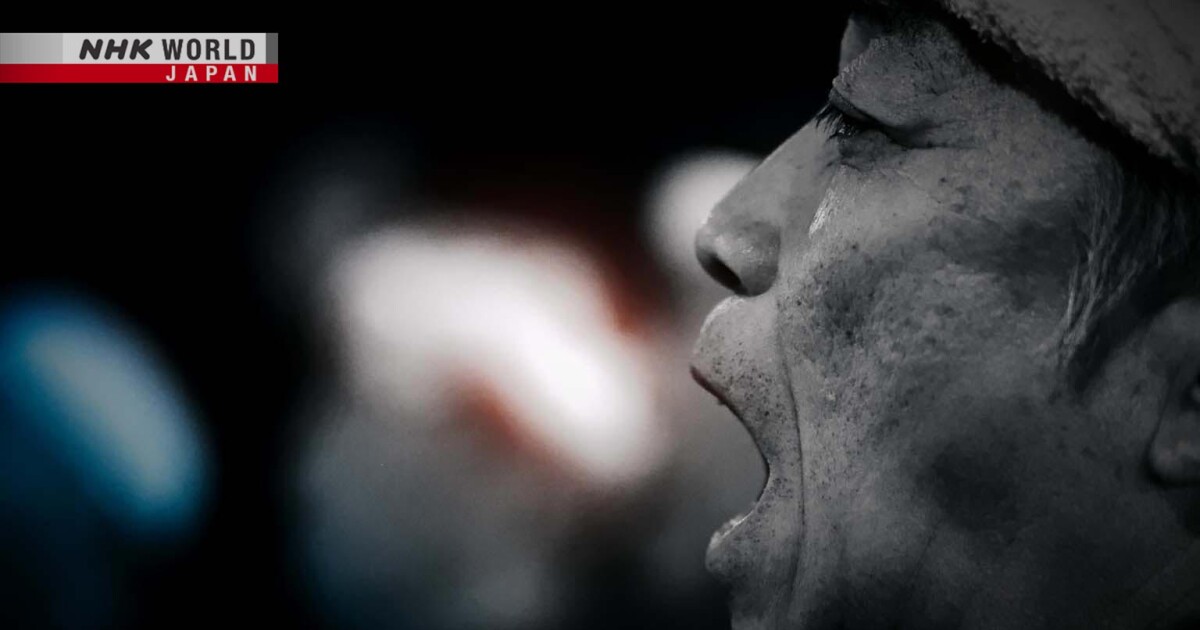
Through the generations, Hokkaido has been home to people from diverse backgrounds, who have developed their livelihoods and established distinctive cultures in each area. Confronting the harsh natural environment of this vast northern island, the inhabitants have poured their feelings — joy, anxiety, prayers and wishes — into songs that are cherished to the present day. Those songs continue to bring local communities together through shared memories and values.
On this edition of Journeys in Japan, British photographer Alfie Goodrich visits areas of Hokkaido that are home to the following songs: Esashi Oiwake, Soran Bushi, Tokachi Uma-uta, Hokkai Bon-uta and the Upopo songs of the Ainu people. Through this soundscape so deeply rooted in each community, he explores Hokkaido’s history, culture and local traditions.
Esashi Oiwake Kaikan
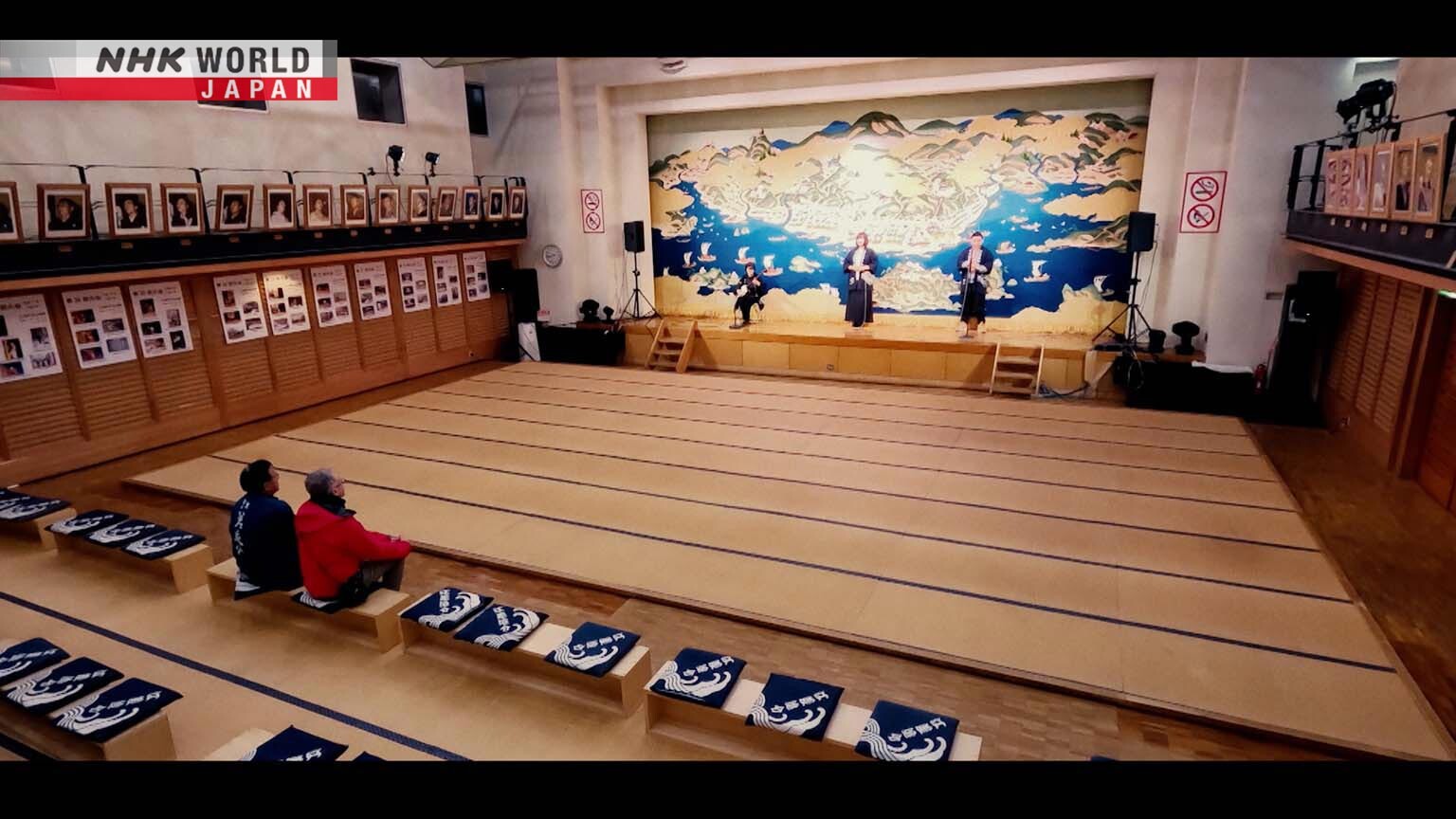
This building introduces the history and charm of the historic port town of Esashi, especially the region’s most famous folk song, Esashi Oiwake. Serving as a cultural hub, it hosts performances of the song as a way to keep alive the local traditions for generations to come.
Obihiro Racecourse
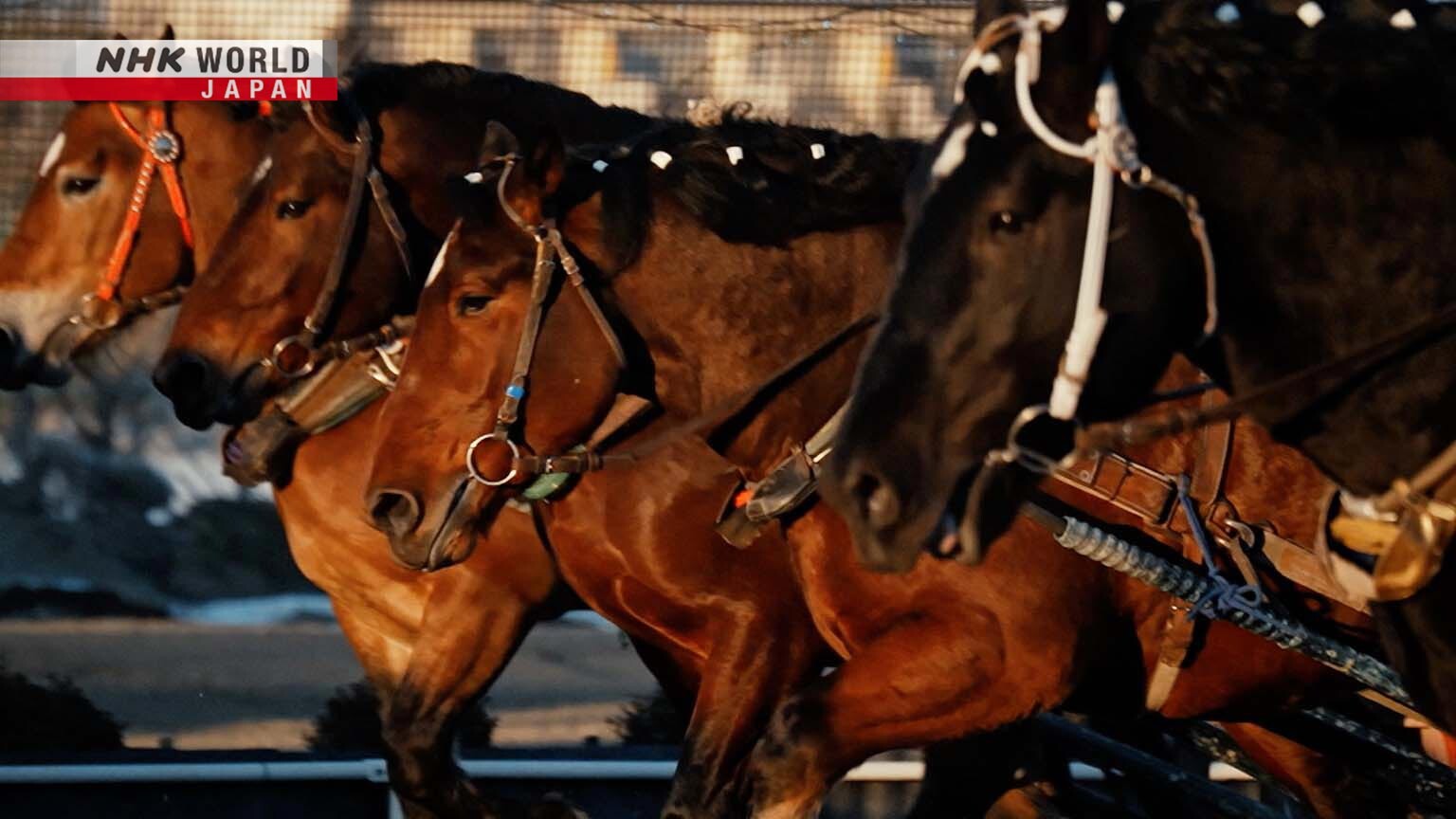
This racecourse is home to a horse race unlike any other in the world. Known as Banei Keiba, it pits massive horses descended from agricultural draft horses in a powerful contest of strength and endurance. Exhibits in the Horse Museum convey the history of the Tokachi area since its pioneer days.
Upopoy National Ainu Museum and Park
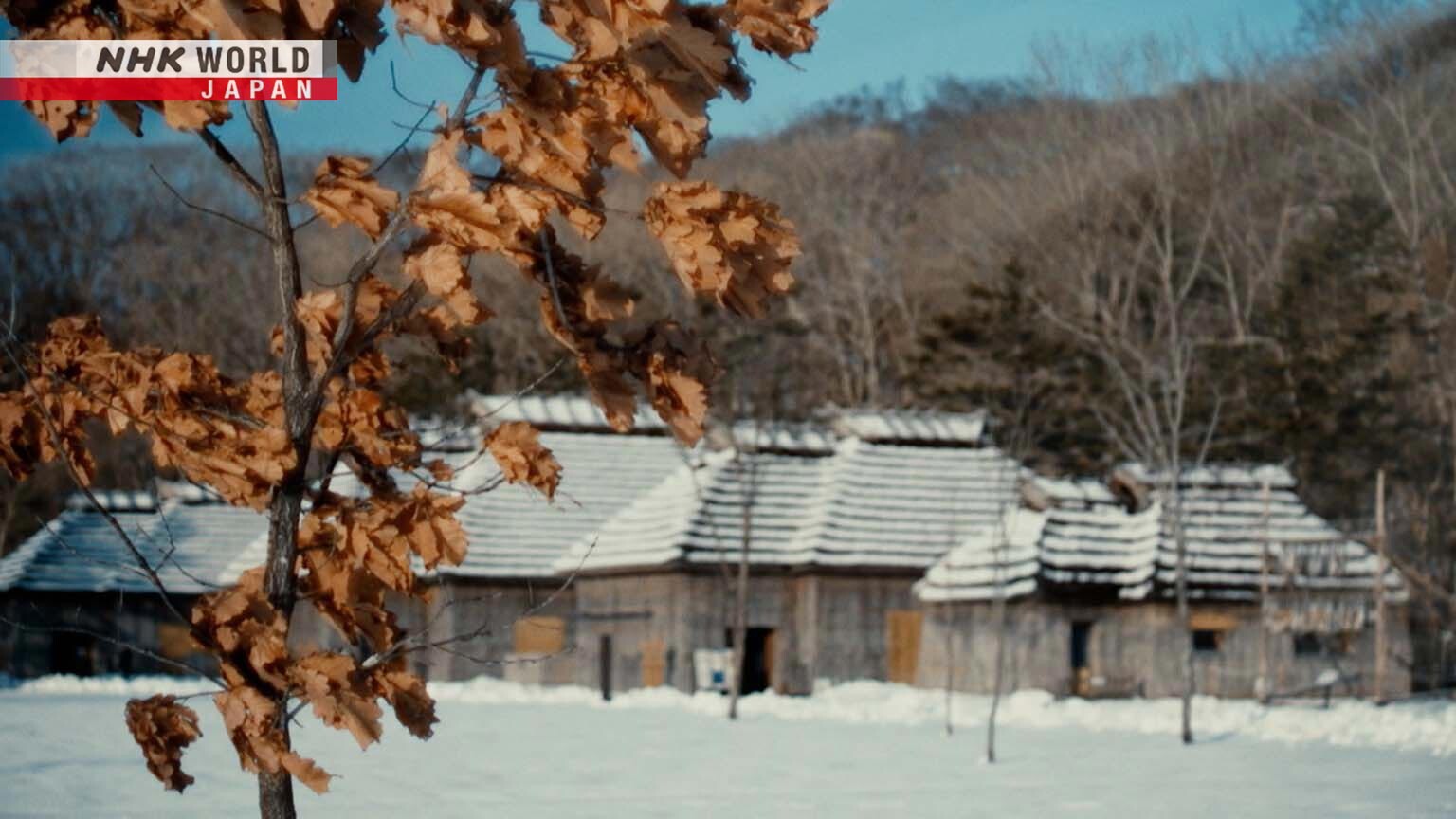
This facility was established to provide a deeper understanding of the Ainu, who are indigenous to Hokkaido and northern Japan. Through demonstrations and interactive exhibits, it showcases the history, culture and spiritual life of the people here.
Access
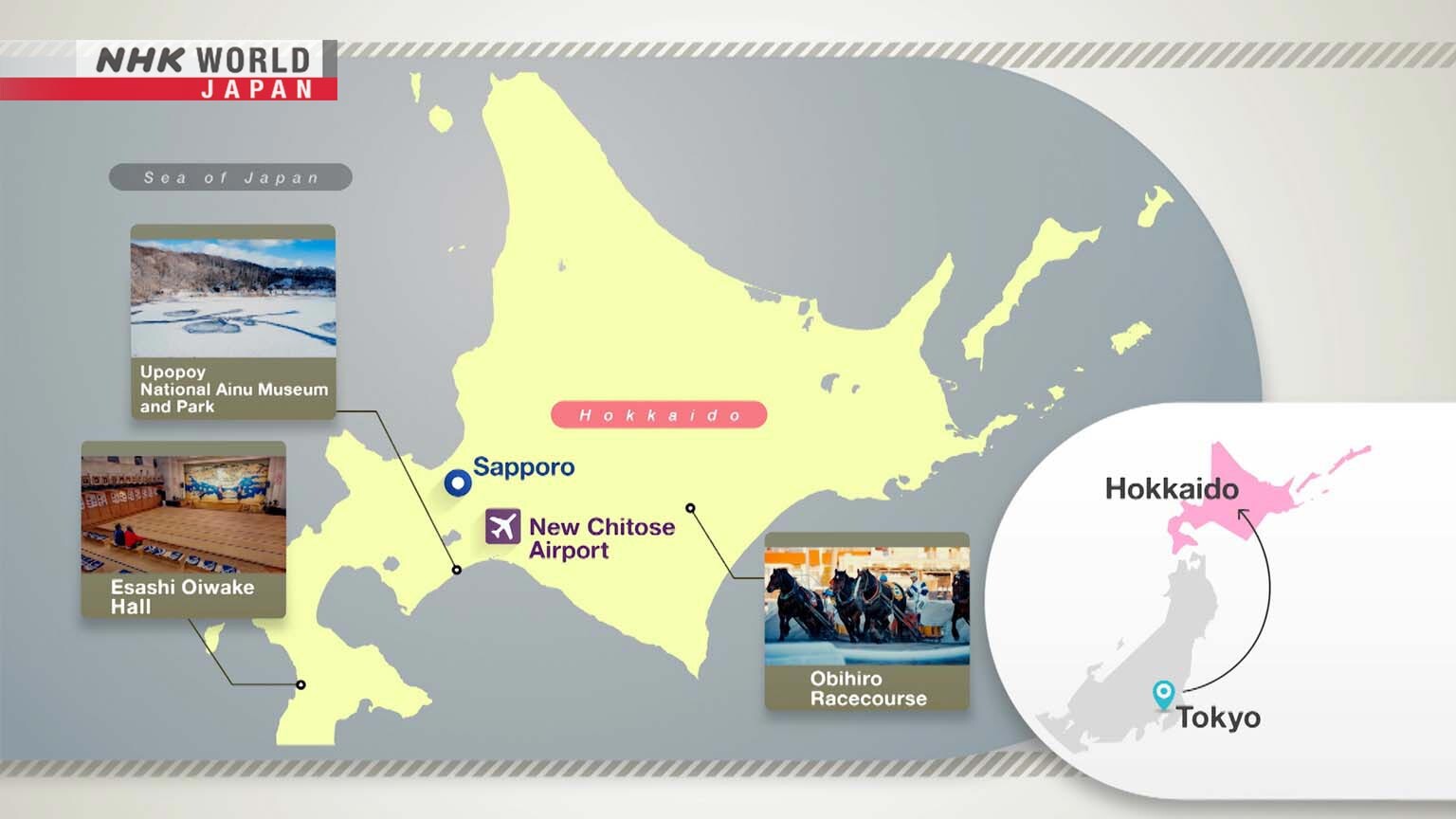
Flights from Tokyo to Sapporo take about 90 minutes. To reach other destinations from there, it’s best to travel by train or car.
AloJapan.com