
With record inbound arrivals, Chubu’s nine prefectures are uniting to highlight culture, cuisine and innovation for global travellers
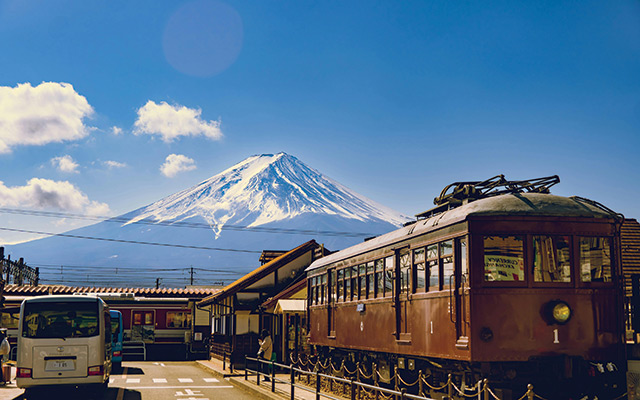
Following its successful inaugural hosting of Japan’s largest travel event, Tourism Expo, in September 2025, the Chubu region in central Honshu is gearing up to welcome a greater share of the country’s booming inbound tourism market, which reached 35.5 million in the first 10 months of 2025.
Located between the Tokyo metropolis in the east and Osaka in the west, Chubu comprises nine prefectures (Aichi, Fukui, Gifu, Ishikawa, Nagano, Niigata, Shizuoka, Toyama and Yamanashi) and is home to sites like Mount Fuji, the Sea of Japan coast, and cities such as Nagoya.
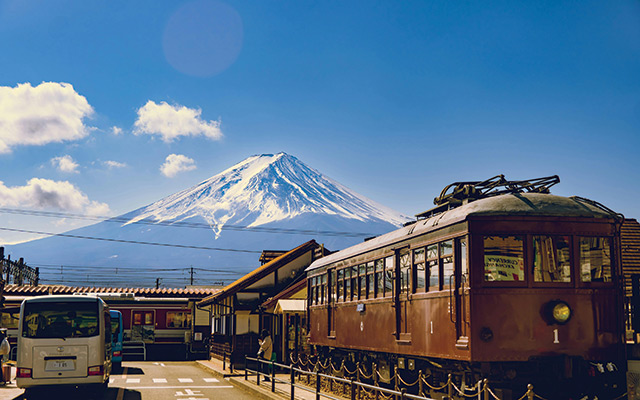 Shizuoka promotes culinary tourism, highlighting its famed eel dishes and green tea heritage
Tourism Expo brought the nine prefectures together in a joint showcase of their new and upcoming offerings, many of which are designed to be unique to Chubu.
One example is the Toilet Museum, which was opened in 2025 in Tokoname, Aichi Prefecture, a major centre of ceramics and the base of toilet manufacturer Inax. The facility traces the evolution of Japanese toilets from centuries ago to the present day, including how they have attracted global attention for their cleanliness and advanced technology in recent years.
Tourism stakeholders say they are encouraged by the uptick in inbound visitors to the region. According to the Japan Tourism Agency’s 2024 Accommodation Travel Statistics Survey, Ishikawa has seen “particularly strong growth” in overnight stays by international travellers.
Yutaka Kanai, chairman of the Hokuriku Economic Federation, attributes the trend to easier access due to the 2024 extension of the Hokuriku Shinkansen that connected Toyama, Ishikawa and Fukui.
In addition, “the area is becoming more popular as it offers an abundance of spots and contents where people can experience Japan’s unique culture and history”, said a Japan National Tourism Organization spokesperson.
Examples include Togura Kamiyamada Onsen, Nagano Prefecture, where visitors can not only watch dance performances by geisha but also play games with them and don kimono for strolling around the historic townscape. Listed in the Top 100 Green Destinations Stories 2025, the experiences are described as “not merely entertainment but representing a form of living culture deeply embedded in the community”.
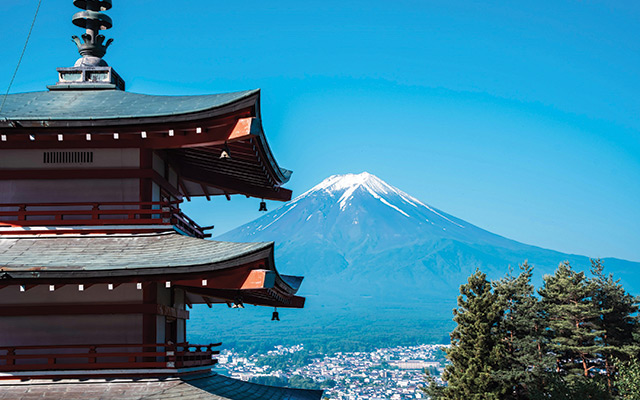 Yamanashi Prefecture highlights wine tourism and Mount Fuji views as inbound arrivals grow
Nearby accommodation Kurabito Stay, which allows travellers to stay inside a renovated brewery and help in sake production, has been recognised in the Japan Tourism Awards 2025 for its “sustainable regional revitalisation model”.
On the Chita peninsula, Aichi Prefecture, the tourism council is leaning into experience-focused products. Due to the area’s long history with fermentation and renown as a centre for umami, work is underway to develop culinary offerings, to tap into the 1.2 trillion yen (US$7.5 billion) spent on food and drink by travellers in Japan in 2024.
“We’ve had good feedback on international monitor tours of production facilities that included tastings of soy sauce and miso, the secret of washoku cuisine. Now we want to offer a package: tours (and) meals using the produce and souvenirs,” said Masahiro Hara, director of the council’s business promotion office.
Other areas are showcasing their cuisine overseas to entice travellers, with Hamamatsu, Shizuoka Prefecture, holding a fair in Singapore in August 2025 to sell its renowned eel dishes and introduce locations where they can be enjoyed.
In ecotourism, meanwhile, “increasing desire for unique rural adventures and cultural immersion is fuelling investments in ecolodges and green transport in Chubu”, according to IMARC Group. The market research company expects Japan’s ecotourism market to grow from US$13 billion in 2024 to US$35 billion by 2033, a compound growth rate of 11.5 per cent over the period.
Other investors are following suit, resulting in significant ongoing infrastructure development in the region.
In 2024 alone, Nagoya saw the opening of four business hotels as well as luxury hotels such as The Royal Park Hotel Iconic Nagoya, whose 264 keys showcase the city’s craftsmanship and manufacturing expertise.
Elsewhere in Chubu, the Kamenoi Hotel completed a renewal of the guest rooms, lobbies and restaurants at its Atami property in March 2025, followed by a renovation of its Yaizu hotel in July 2025.
Over fiscal 2026-2033, Meitetsu Nagoya Station will be transformed to create a new bus terminal and improved railway infrastructure that will boost capacity and access via two new railway platforms and a dedicated platform for trains bound for Centrair International Airport.
Two new mixed-use skyscrapers on the site will feature shops, eateries, and a 150-key Andaz Hotel, which is scheduled to open after 2034.
AloJapan.com