
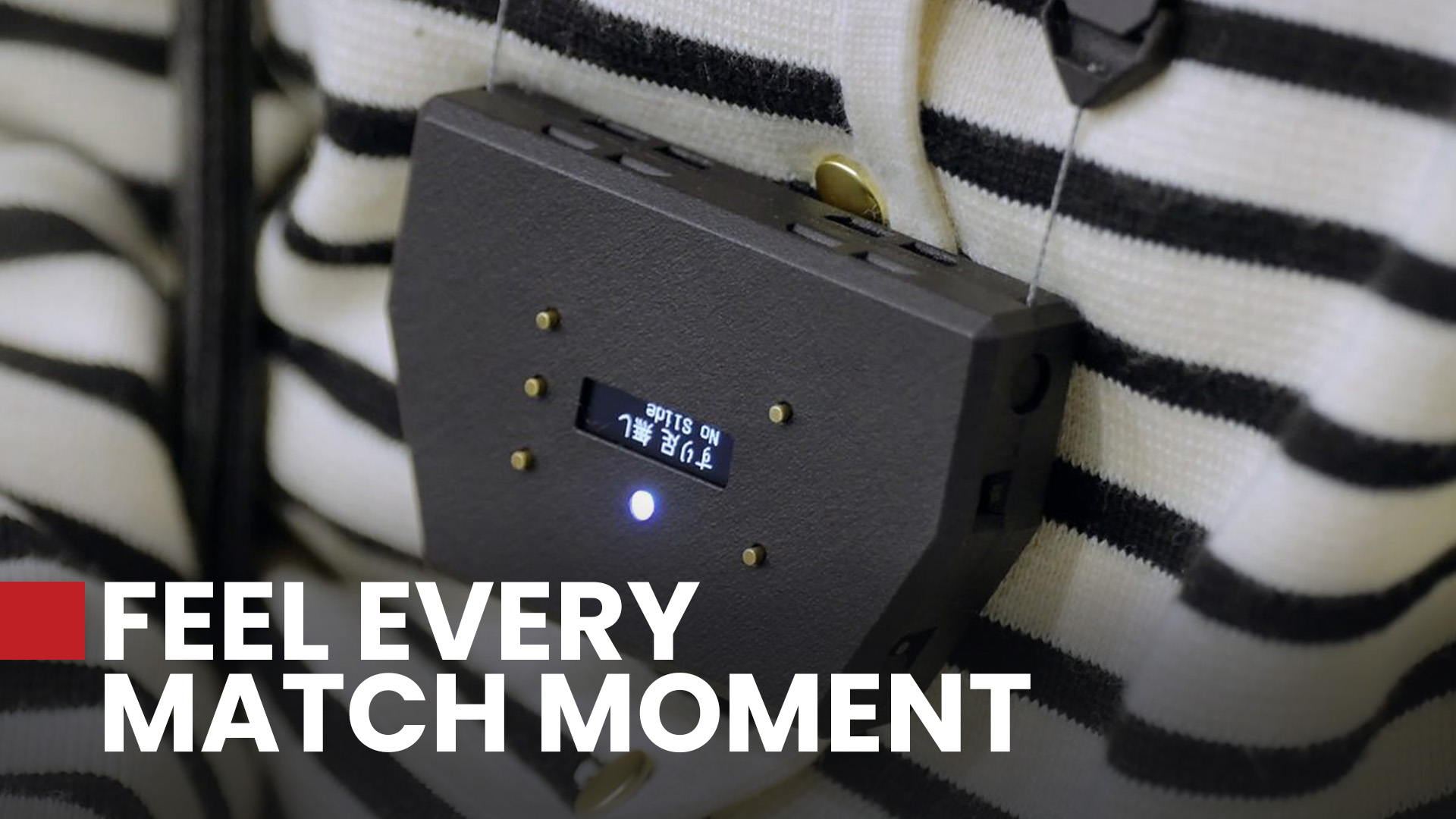
100 haptic neck-worn sensors provided tactile feedback to judo spectators at the Tokyo Deaflympics.
Organizers of the Tokyo 2025 Summer Deaflympics used wearable haptic technology to provide spectators with tactile feedback during judo matches. The startup Hapbeat developed the hardware, which was distributed to fans at the Tokyo Budokan. Approximately 100 units were available to convert the sounds and vibrations of the competition into physical sensations. The deployment assisted deaf and hard-of-hearing spectators in following the match through touch rather than relying only on sight.
The system, called HapVibeCast, used a network of sensors and microphones positioned around the tatami mats. These sensors captured vibrations and acoustic data from the match in real time. The software processed these signals to identify specific actions, including the friction of footwork, the impact of strikes, and the force of successful throws. The system also monitored venue sounds, such as the referee’s buzzer and audience applause.
The hardware consists of a device worn around the neck that rests against the chest. It translates the captured data into varying vibration levels. Light pulses represent footwork, claps, or buzzers, while stronger vibrations indicate physical collisions. Spectators reported that the tactile feedback helped them notice shifts in momentum and the overall atmosphere of the venue.
This project took place during the 100th anniversary of the Deaflympics as part of a move toward multi-sensory viewing experiences. Other technologies featured at the Games included transparent screens in metro stations that convert speech into text and visual onomatopoeia for table tennis matches. These systems are intended to make international sporting events more accessible by integrating sensory data into the live experience.
AloJapan.com