
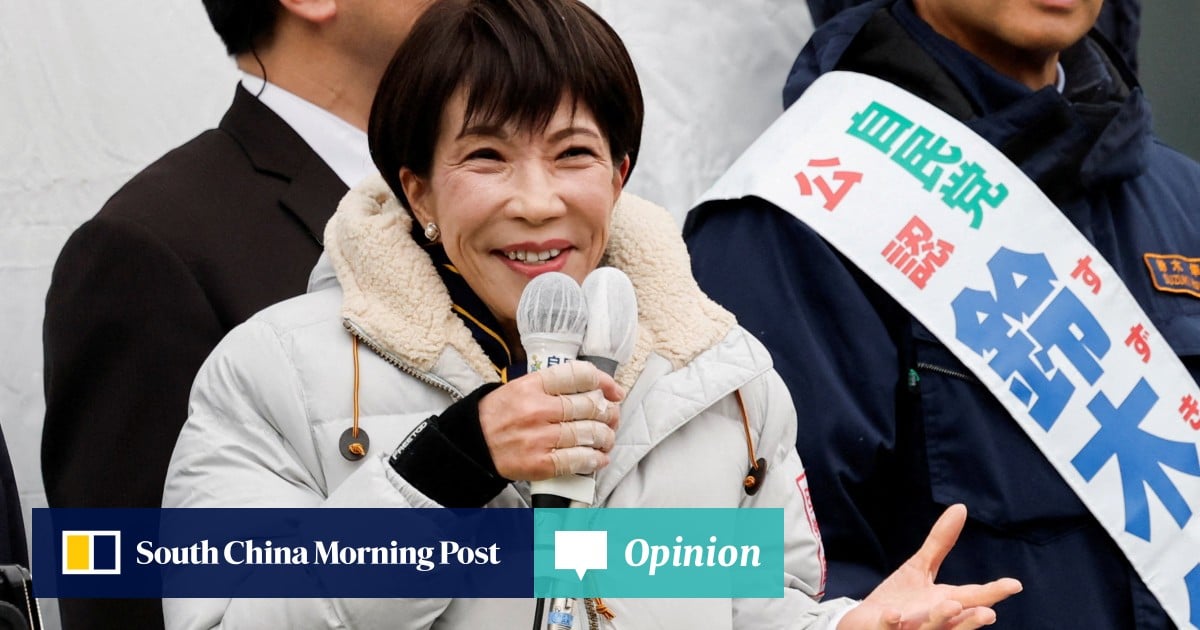
The International Monetary Fund (IMF) is at last showing a bit of spirit. While it might not yet be attacking the egregious economic and financial antics of US President Donald Trump, it is at least turning its attention to the fiscal foibles of Japanese Prime Minister Sanae Takaichi.
This matters more now than has been the case in recent years, or even decades, because what Japan does in terms of its fiscal and monetary policy is beginning to have international repercussions.
What political leaders like Takaichi or Trump don’t seem to realise is that they cannot charge ahead with populist policies on the domestic front without regard to their global impact. The discipline – though some might call it tyranny – of financial markets sees to that.
This is especially true of Japan, which for much of the post-war era remained a closed economy on the fiscal front because institutions such as the Bank of Japan (BOJ) and the Government Pension Investment Fund absorbed most government debt. Japan could not afford to thumb its nose at foreign bond investors, but neither did it need continually to look over its shoulder at foreign investor reaction when it wanted to issue government debt.That is changing now as the Takaichi government considers options such as suspending a consumption tax on food and possibly reducing taxes in other areas while stepping up spending on defence. This is in line with pledges made before this month’s lower house parliamentary election.In seeking to make itself into a leading asset management centre – something that was a focus of former prime minister Fumio Kishida – Japan has been actively and successfully courting portfolio investment from outside, including in Japanese government bonds.
AloJapan.com