
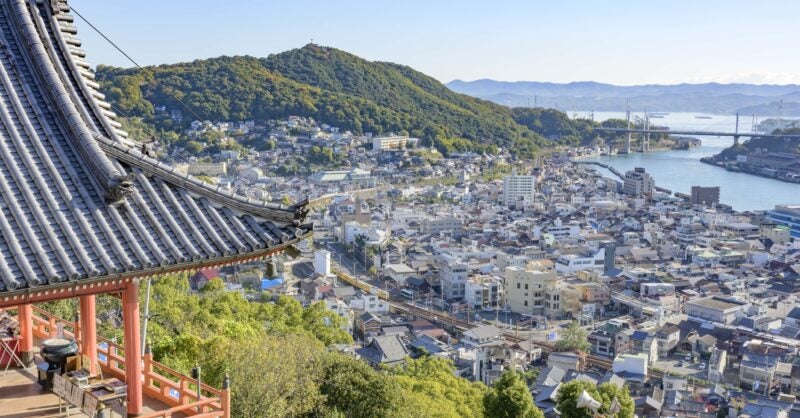
Japan has developed unique and profound cultural, artisanal, and spiritual traditions that are a joy to experience – but only if you know where to go and what it all means. A government policy by the Agency for Cultural Affairs, Japan Heritage aims to inspire, demystify, and, crucially, discover the real charms of Japan.
Tourism is a relatively new phenomenon for Japan. The country’s current global status as a hit factory of style, food, design, technology, nature, deep history, and pop culture now draws tourists in fast-increasing numbers. The number of overseas visitors has been increasing significantly after COVID, reaching a record high, about 37 million in 2024, Japan is on track to welcome its official goal of 60m annual tourists by 2030, more than currently visit Britain or Greece.
Today, the country regularly tops ‘bucket-list’ surveys of the most desirable travel destinations, boosted by the growing millions of travelers sharing their photos online, creating a viral marketing effect. As a result, the main tourist trail is becoming congested, with nearly all visitors following the same ‘Golden Route’ bullet-train route between Tokyo, Osaka, and Kyoto, leaving the vast majority of the country unexplored.
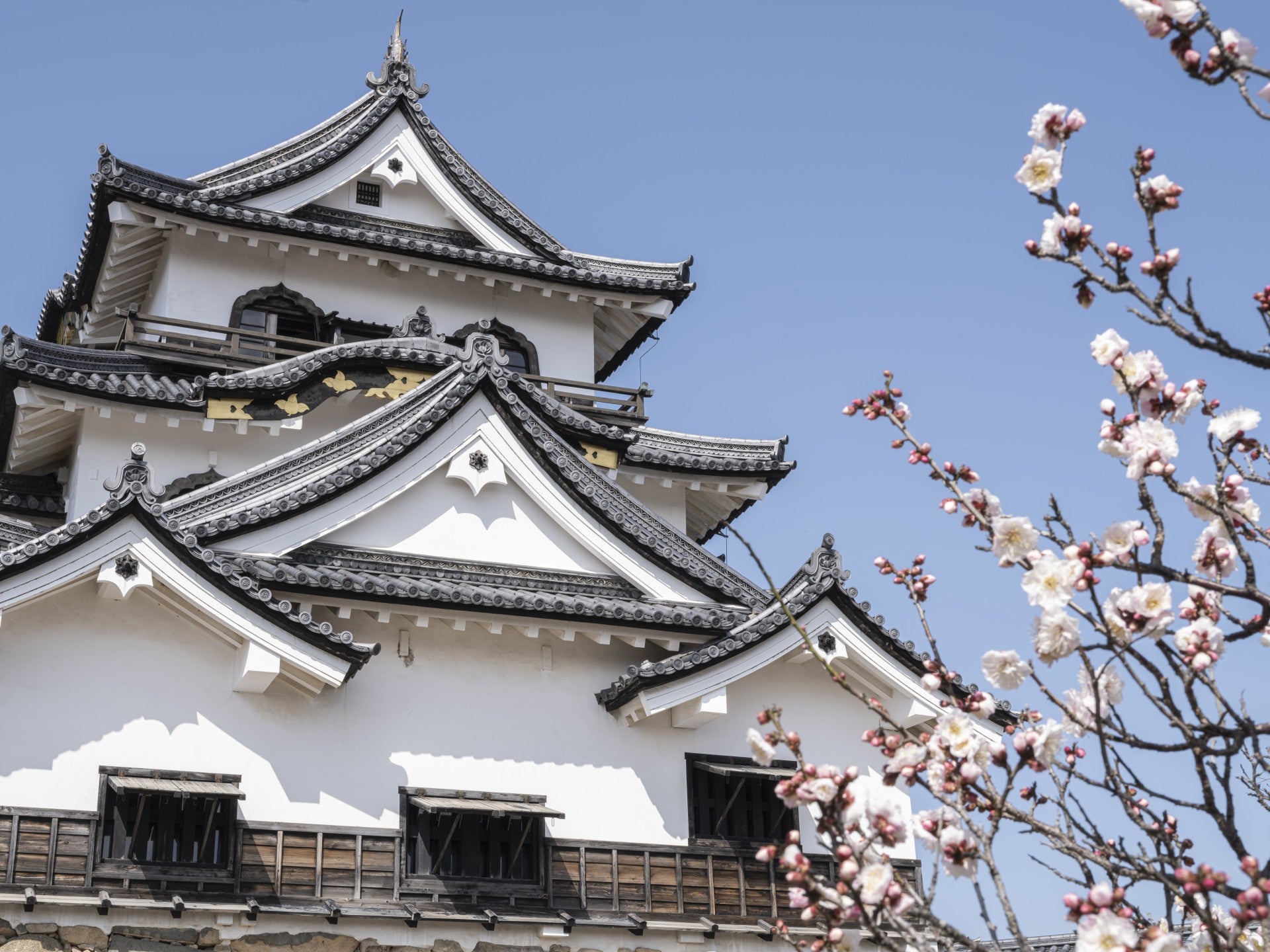 Hikone Castle is situated on top of a small hill, with commanding views over nearby Lake Biwa ©Japan Heritage
Japan Heritage is a resource that tells the stories of traditional communities, local crafts, and hidden treasures. Discover exquisite fabrics and ceramics, sample regional culinary specialities and experience stories that leverage a diverse range of cultural assets as elements of storytelling in landscapes ranging from tropical islands to snow-capped volcanoes. Japan Heritage’s web page also offers practical guidance for tourists through suggested routes, walking tours, transport links and hotel recommendations across a range of half-day to three-day itineraries.
For example, the seven stories highlighted in the Tokai region (between Tokyo and Kyoto) include old roads, imperial shrines, woodcarving, and pearl diving, as well as the stronghold of Oda Nobunaga, the notorious 16th-century warlord who will be familiar to fans of the Emmy-winning series Shōgun.
Famed as much for his lavish hospitality as for his military prowess, Oda built a luxurious mountain-top castle at Gifu – described as “paradise on Earth” by a visiting Portuguese missionary – where he would entertain important guests with a fishing display by trained cormorants on the river below (Nagara River). At Nagara River, visitors can still experience ukai, Gifu’s 1,300-year-old tradition of cormorant fishing on the Nagara River, as well as swimming and paddle-boarding in summer. Several hiking trails lead up to Oda’s castle, now rebuilt as a museum and an observation deck. In the nearby town, restaurants serve local delicacies such as ayu, or sweetfish, and wagyu beef.
 The Tejikara Jinja Shrine in the towns of Iga and Koka ©Japan Heritage
Nearby lie the twin towns of Iga and Koka, birthplace of the ninja, mercenary warriors and spies operating in remote regions during the Warring States period (1467-1568). Here, visitors can throw shuriken stars, walk on water using special shoes, and explore a ninja house with revolving walls, trapdoors, and hidden compartments. Other local attractions, including a haiku museum, a 7th-century Shinto shrine, an ogre parade, a fireworks festival, and a 400-year-old castle with 100-foot walls.
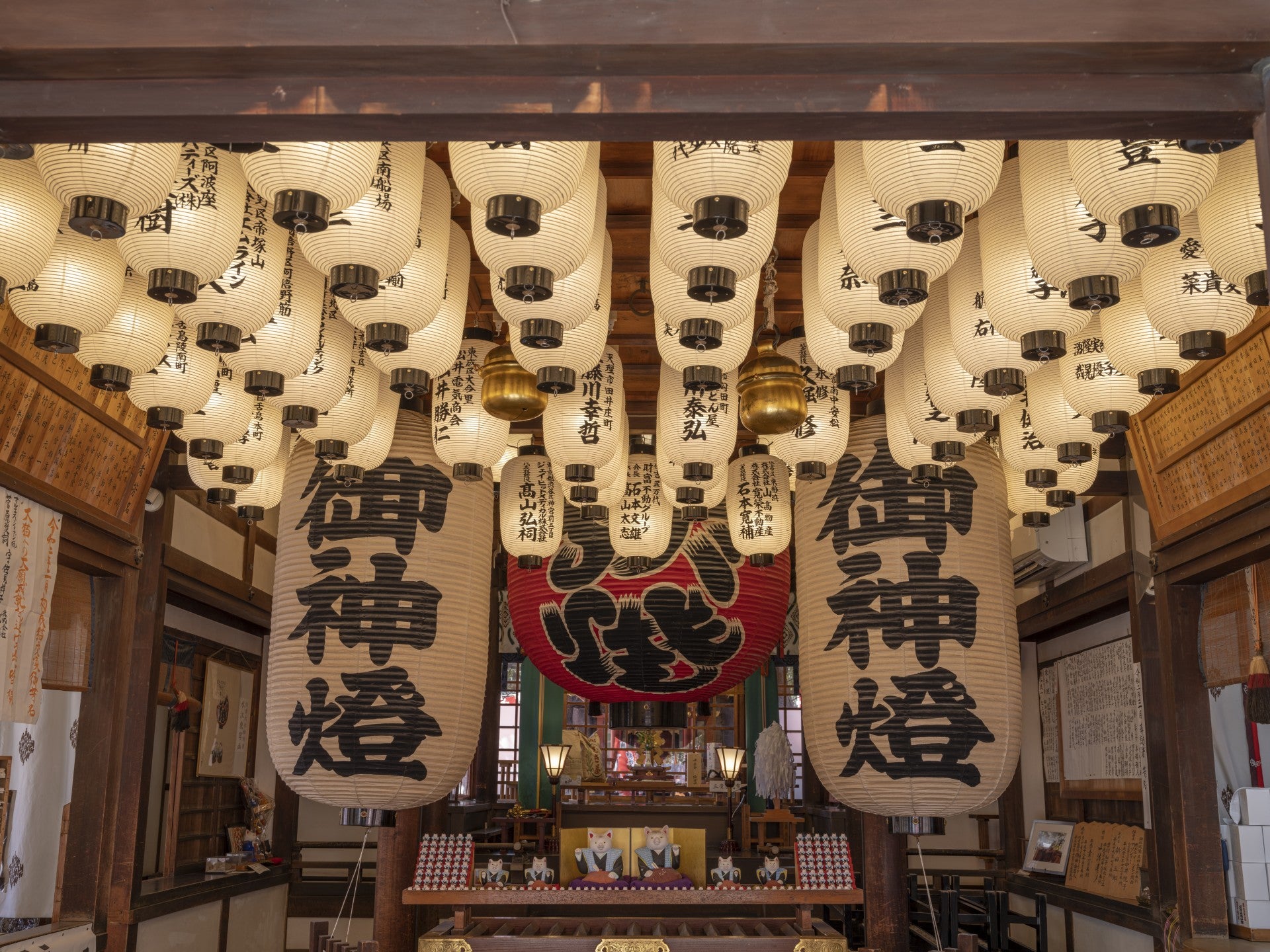 Sumiyoshi Taisha, located in Osaka, is the head shrine of a group of over 2,000 shrines nationwide ©Japan Heritage
Japan Heritage also shares a story with you around Japan’s many atmospheric old towns, with streets of wooden houses tucked away among mountains and remote rice-paddies. For example, Tsuwano, in the western region of Shimane, is known as ‘Little Kyoto’ for its samurai residences featuring black slate walls adorned with a white wooden lattice pattern. The local castle presides over a little network of koi-carp-filled canals, lit up on June evenings when the surrounding irises bloom. Here, visitors can join in local traditions, making washi paper, watching the annual costumed Heron Dance and indulging in genji-maki, a sponge cake roll filled with sweet bean paste flavoured with matcha or yuzu.
 The Japanese-style inn Kiya Ryokan has been in business for more than 160 years ©Japan Heritage
On the south-west coast, not far from Hiroshima, lies the Seto Inland Sea, with its 700 serene islets (including the art island of Naoshima), linked in a chain by vaulting bridges. Japan Heritage highlights the Shimanami Kaido, a stunning 45-mile cycling course crossing six islands and seven bridges, as well as relating the area’s little-known swashbuckling history. In the 14th century, the waterways were ruled by medieval kaizoku whose shrines still stand today, including a 12th-century statue of Kannon, the Buddhist goddess of mercy; Mount Shirataki with its 700 Buddhist statues; and Innoshimain Onomichi, where the local speciality is okonomiyaki pancakes made with fried batter, udon noodles, and octopus, topped with a pirate flag.
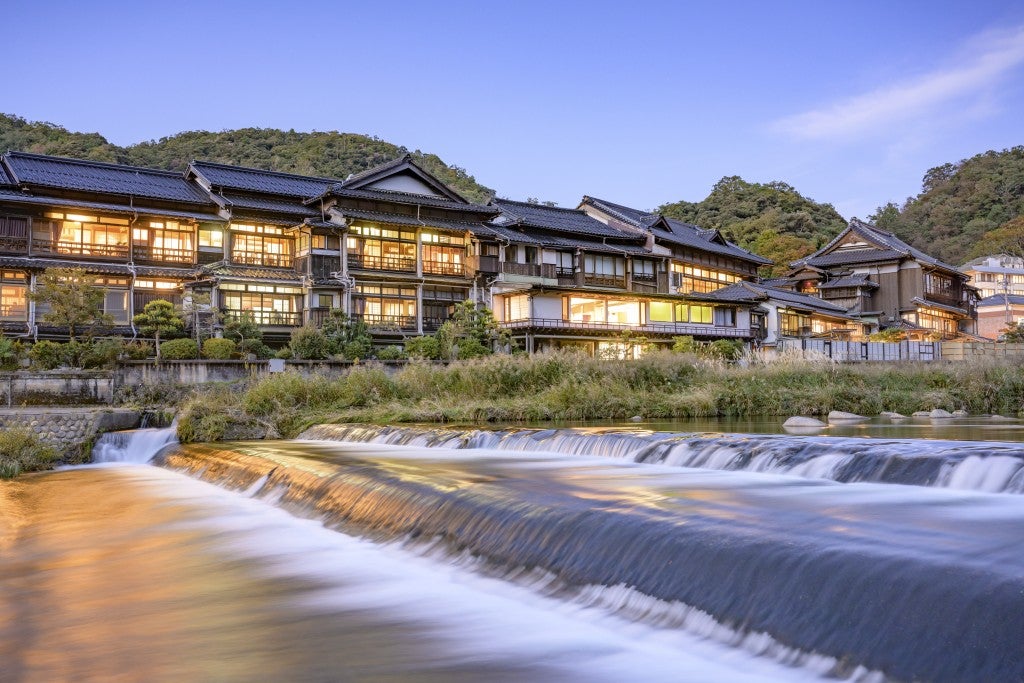 Misasa has retained its charms of yesteryear, from outdoor baths near the river flowing through the town ©Japan Heritage
Japan Heritage’s web page also works as a reliable travel companion with links to hotel reviews and more detailed recommendations for hand-picked luxury accommodation, including traditional inns known as ryokan, and converted historic houses. For example, the Machiya Stay Fukiya Senmai near Okayama, a two-storey wooden house dating from 1882, features ikebana flower arrangements, tatami-mat floors, and a traditional bath made from fragrant hinoki cypress.
A combination of aesthetic inspiration and practicality, the Japan Heritage site is crammed with guides to local history, customs, crafts, and regional gastronomy, as well as advice on topics such as tipping, taxis, typhoons, tax, temple etiquette, and tabi socks.
Visit japan.travel
AloJapan.com