
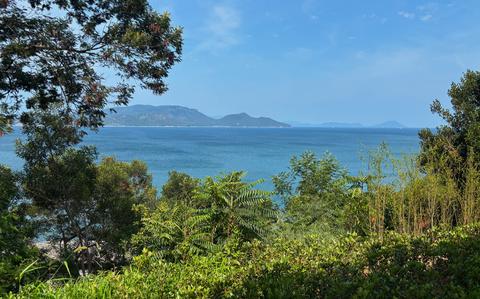
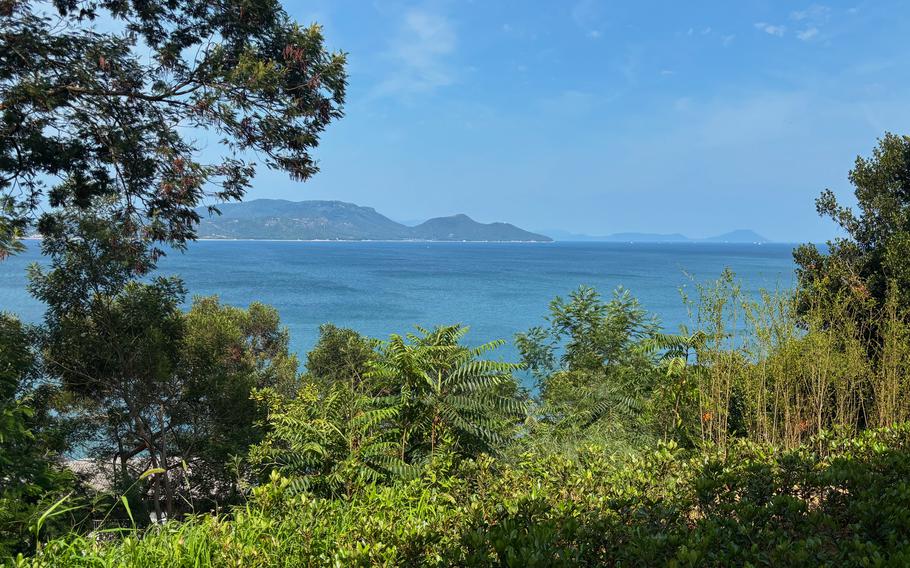
Naoshima (Photo by Sarah B. Hodge/Stripes Japan)
The Seto Inland Sea connects the Pacific Ocean to the Sea of Japan and separates the islands of Honshu, Shikoku, and Kyushu. 11 prefectures (including Hiroshima) share coastline with it, and the region’s temperate climate makes it ideal for citrus production as well as olives. Shodoshima (Japan’s “Olive Island”) had been on my wishlist the last several years, so I set out planning an itinerary to explore several of the region’s attractions.
Shodoshima
The second-largest island in the Seto Inland Sea, Shodoshima, whose name translates to “small bean island,” has a long association with soy sauce brewing using artisanal methods. Shodoshima’s sister island is Milos, Greece, and you’ll find a number of blue-and-white Greek-inspired buildings dotted around the island, which was used as the filming location for the live-action remake of Kiki’s Delivery Service in 2014.
Shodoshima Olive Park
At the turn of the 20th century, the first olive trees were planted on Shodoshima. The olive park features a small museum that introduces the history of olive cultivation in Shodoshima in English and Japanese, as well as shops and restaurants where you can sample local olives in a variety of preparations including olive soft serve drizzled with olive oil, olive curry, and Mediterranean cuisine.
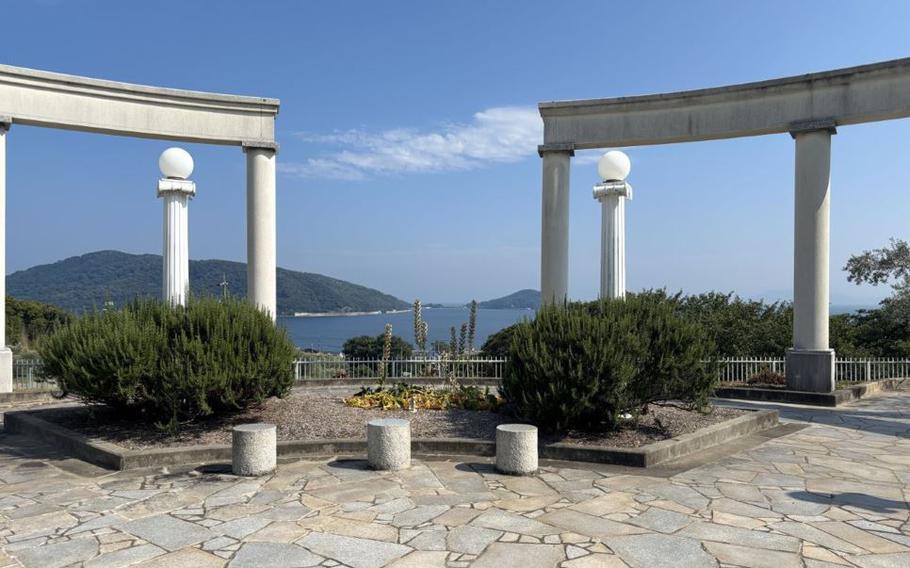
(Photo by Sarah B. Hodge/Stripes Japan)
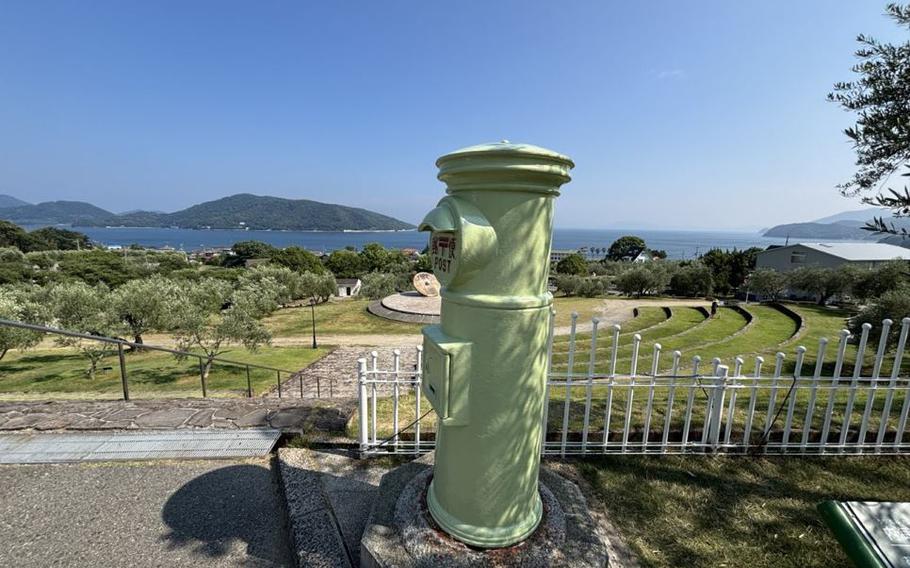
(Photo by Sarah B. Hodge/Stripes Japan)
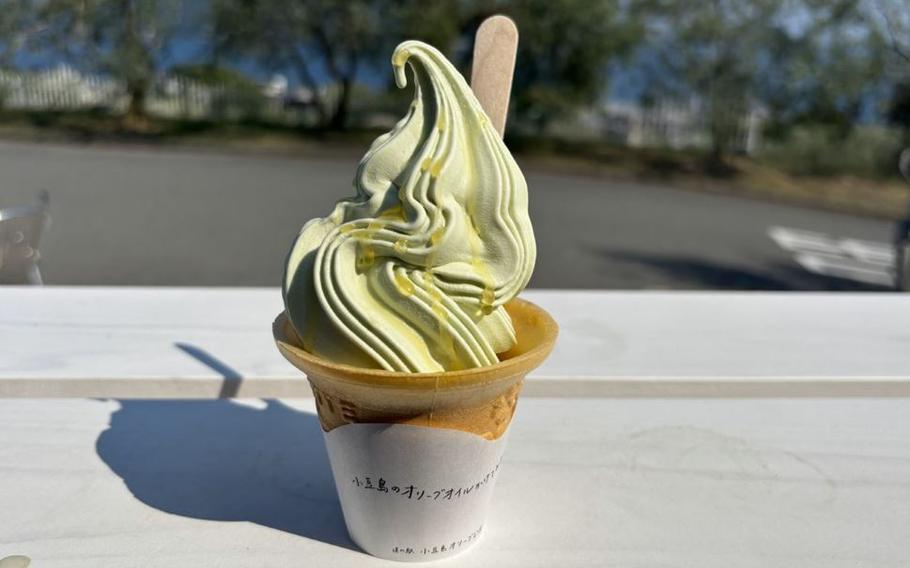
(Photo by Sarah B. Hodge/Stripes Japan)
Due to low yields, Shodoshima olive oil is quite expensive, but products containing other olive byproducts are very affordable. I took home olive spaghetti, olive leaf tea, olive curry, and olive-infused bath and beauty products for family and friends.
Website
Soy sauce breweries
Shodoshima’s other claim to fame is its artisanal soy sauce, brewed for over 400 years. Today, around a dozen breweries remain, and a number such as Yamaroku (founded in 1868) and Marukin offer tours that walk visitors through every step, as well as gift shops that sell a variety of soy sauce and related products.
Website
Other attractions
The 24 Eyes movie village served as the filming location for the 1954 film adaptation of Sakae Tsuboi’s novel about a young Shodoshima schoolteacher and her 12 pupils before and during WWII. The film park features the schoolhouse, a building serving retro school lunches, and an antique movie theater where the original movie is shown. The village gift shop sells a number of Showa-era nostalgic toys, foods and candy, as well as items with the original movie poster.
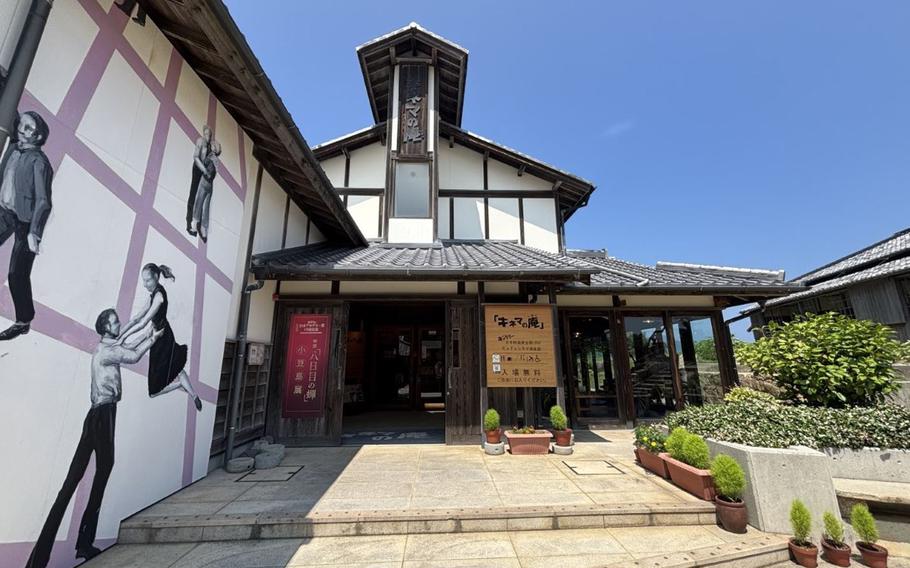
24 Eyes Movie Village (Photo by Sarah B. Hodge/Stripes Japan)
The 24 Eyes movie village website
Shodoshima is also rich in nature, including Kankakei Gorge and the picturesque Angel Road. For those interested in spiritual travel, the island has its very own 150km 88-temple pilgrimage mirroring its more famous cousin in Shikoku.
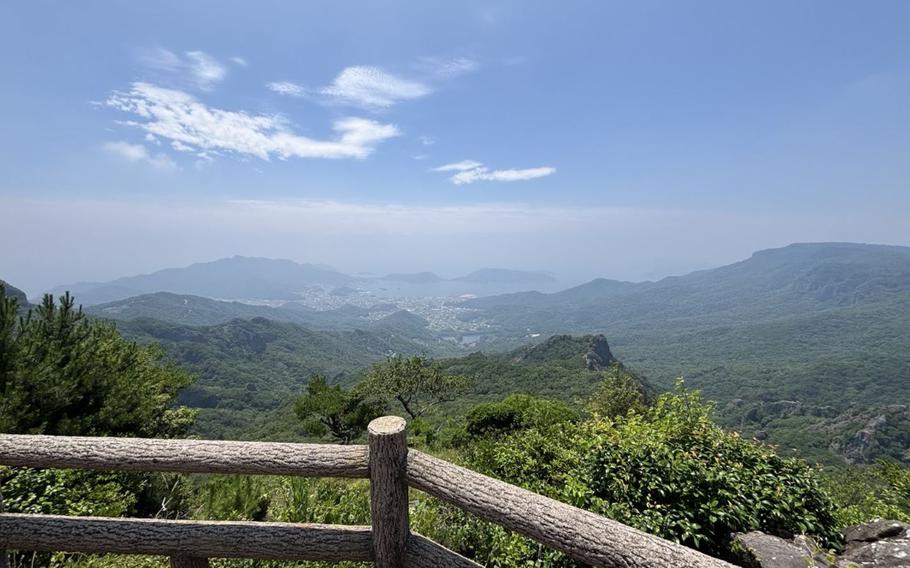
Kankakei Gorge (Photo by Sarah B. Hodge/Stripes Japan)
88-temple pilgrimage mirroring website
How to get there: High-speed ferry from Takamatsu (one hour) or Okayama (30 minutes), website
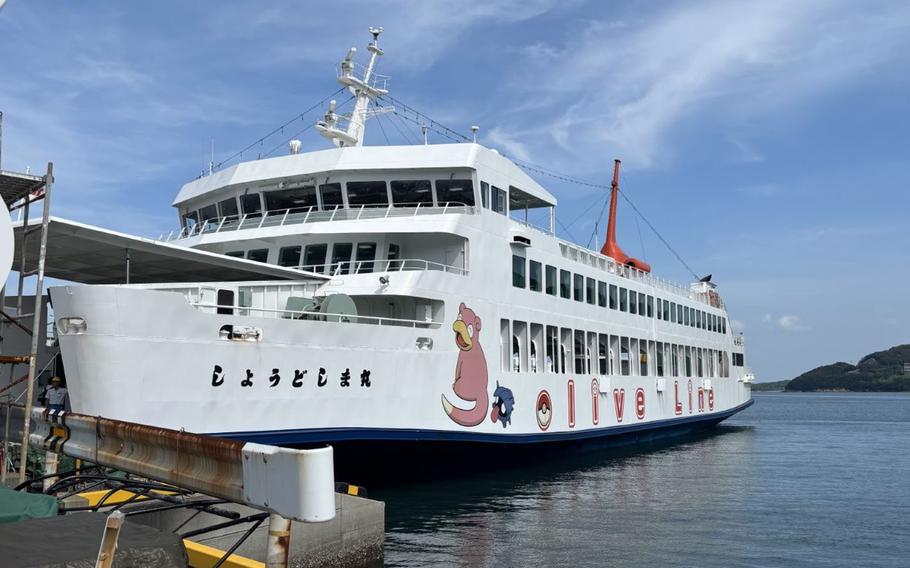
Olive Line Ferry (Photo by Sarah B. Hodge/Stripes Japan)
The best way to see Shodoshima is to rent a car as many of its sights are quite spread out, but if you are short on time, the one-day bus tour from Shodoshima Kotsu is a great option. Although the audio commentary / tour is in Japanese only, you can download the On the Trip app for excellent narration in English.
Where to stay: Bay Resort Hotel Shodoshima, website
Enrobed in Bubble-Era decadence, this grand resort hotel features spacious hybrid Japanese and Western rooms with beautiful views of the bay. In addition to an onsen and seasonal outdoor pool, there’s a yukata corner, scenic lounge, and a spa. In the evenings, an “olive buffet” offers local seafood, olive oil and all-you-can-drink for $40 a person.
– The hotel offers a free shuttle bus service to both ferry ports (check website for times / reservation).
Naoshima (Art Island)
Naoshima has become internationally known for its modern art museums and installations and is one of the main sites of the Setouchi Triennale art festival. The Benesse Corporation is responsible for many of the island’s major museums and installations such as The Naoshima New Museum of Art, Chichu Art Museum, Lee Ufan Museum, and the Benesse House. Tickets can be purchased in advance at website.
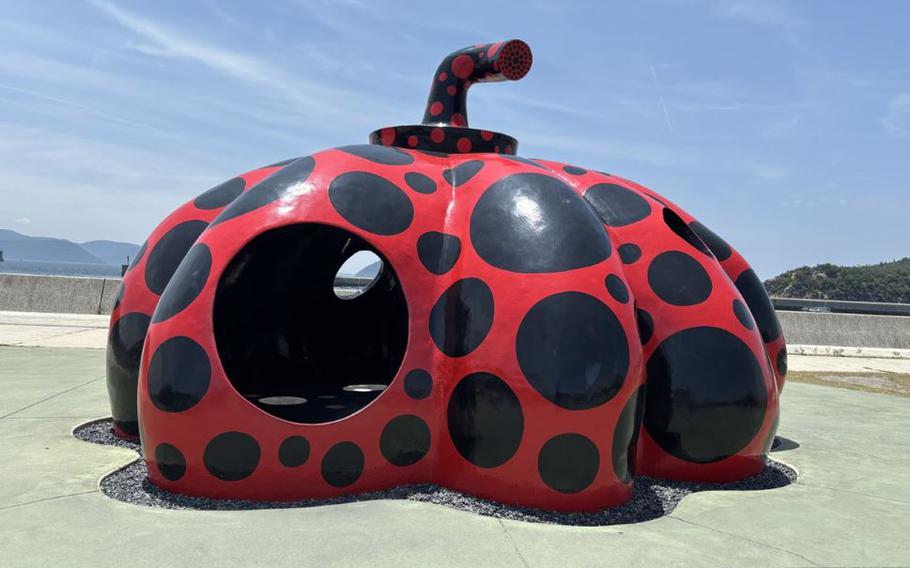
Red pumpkin by Yayoi Kusama (Photo by Sarah B. Hodge/Stripes Japan)
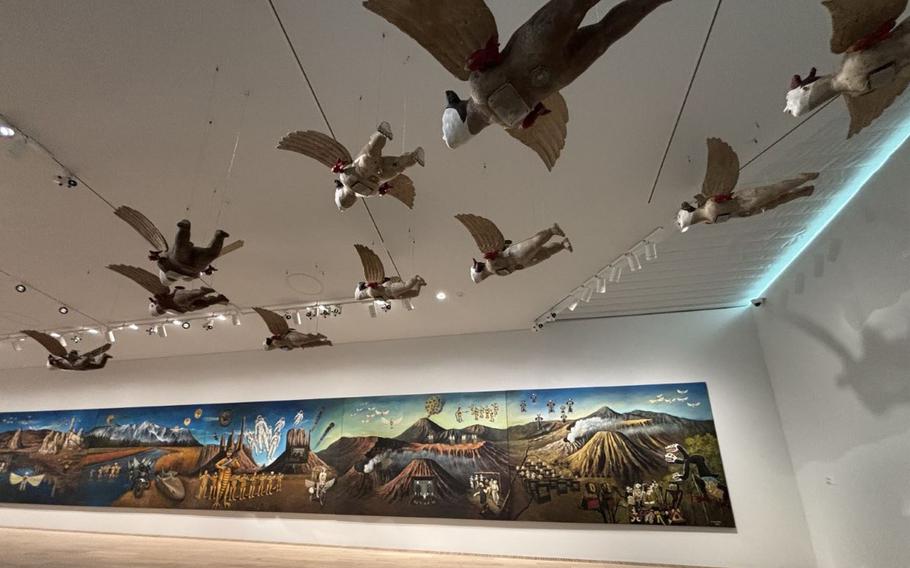
Naoshima New Museum of Art (Photo by Sarah B. Hodge/Stripes Japan)
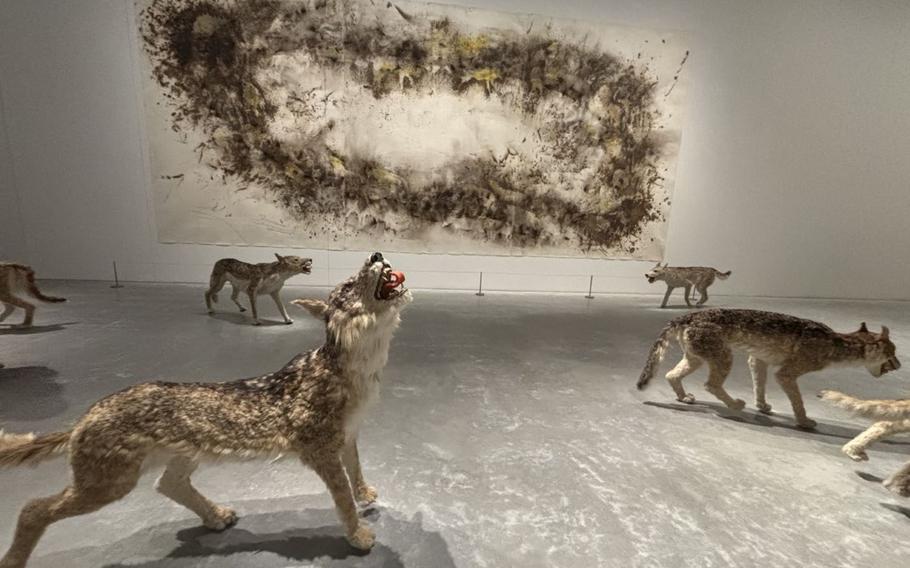
Naoshima New Museum of Art (Photo by Sarah B. Hodge/Stripes Japan)
A popular way to explore the island is via bicycle, and many outlets offer rental bikes and bicycle tours. There is also a convenient loop bus that stops at many of the major art museums. Compared to Shodoshima, the island is quite compact and can easily be explored in a day or two.
How to get there: 30 minutes by ferry from Uno Port or 30-60 minutes from Takamatsu via ferry.
Benesse Art Site Naoshima Website (for ticket)
Where to stay: The Wright Style Hotel
The Wright Style Hotel is a charming homage to American architect Frank Lloyd Wright, who designed over a dozen buildings in Japan. The hotel interior features Wright-inspired stained glass, lamps, and Noritake china and is conveniently located near a bus stop.
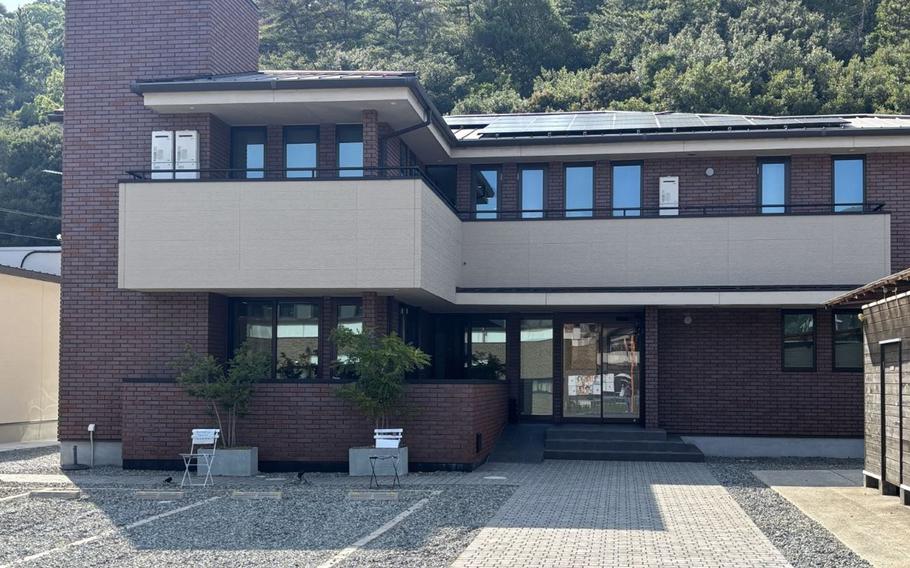
Wright Style Hotel (Photo by Sarah B. Hodge/Stripes Japan)
Takamatsu
Takamatsu Castle
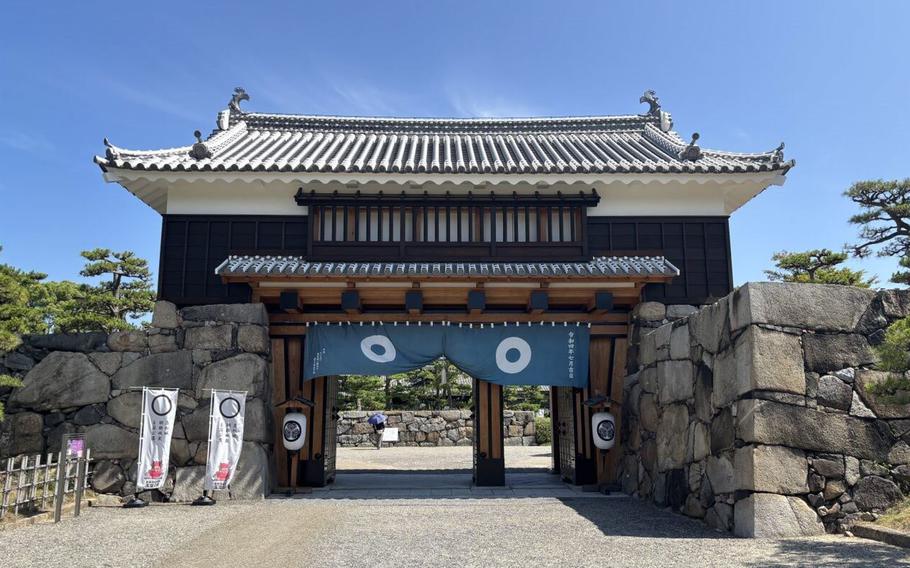
(Photo by Sarah B. Hodge/Stripes Japan)
Takamatsu Castle was originally completed in 1590 and was the seat of the Takamatsu Domain until the Meiji Restoration. Various castle structures were destroyed by age, as well as extensive damage from WWII air raids. The four surviving buildings were designated as National Treasures, and today the castle grounds are open to the public.
Website
Ritsurin
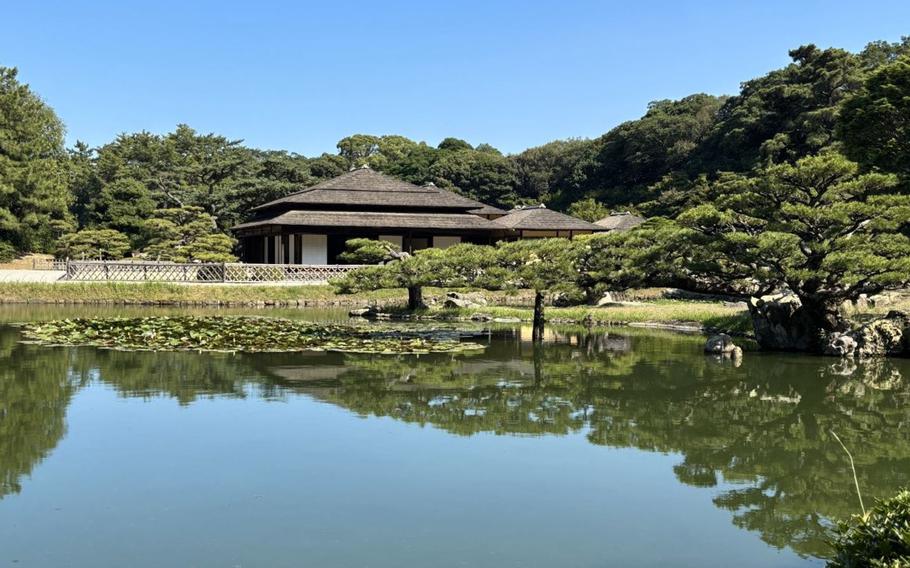
(Photo by Sarah B. Hodge/Stripes Japan)
Completed in 1745 as a strolling garden for local feudal lords, today Ritsurin is considered one of Japan’s best gardens. It consists of the original daimyo garden (South Garden), and the North Garden built during the Meiji era. Ritsurin uses the shakkei (‘borrowed scenery”) technique of incorporating background scenery and features six ponds and thirteen landscaped hills. With multiple teahouses, cafes, and restaurants, Ritsurin could easily be a half-day excursion.
Website
Ritsurin kimono photoshoot (Beautiful Day Tours)
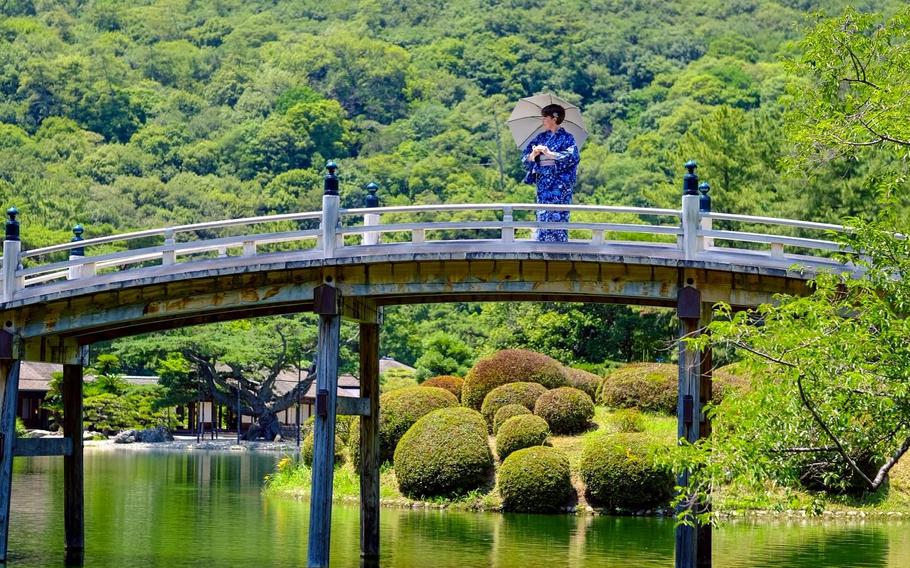
Ritsurin (Photo by Sarah B. Hodge/Stripes Japan)
To make your visit to Ritsurin truly memorable, consider renting a kimono and having a photoshoot done. I chose to explore Ritsurin in a retro-inspired yukata with professional kimono dressing / a photoshoot courtesy of Beautiful Day Tours. Founded in 2017, Beautiful Day Tours offers a variety of experiences across Japan, including hands-on crafts, spiritual temple experiences, and guided tours and photoshoots. My photographer Eri-san did an amazing job at capturing the beauty of Ritsurin in summer and making the blues in my yukata pop!
Website
AloJapan.com