
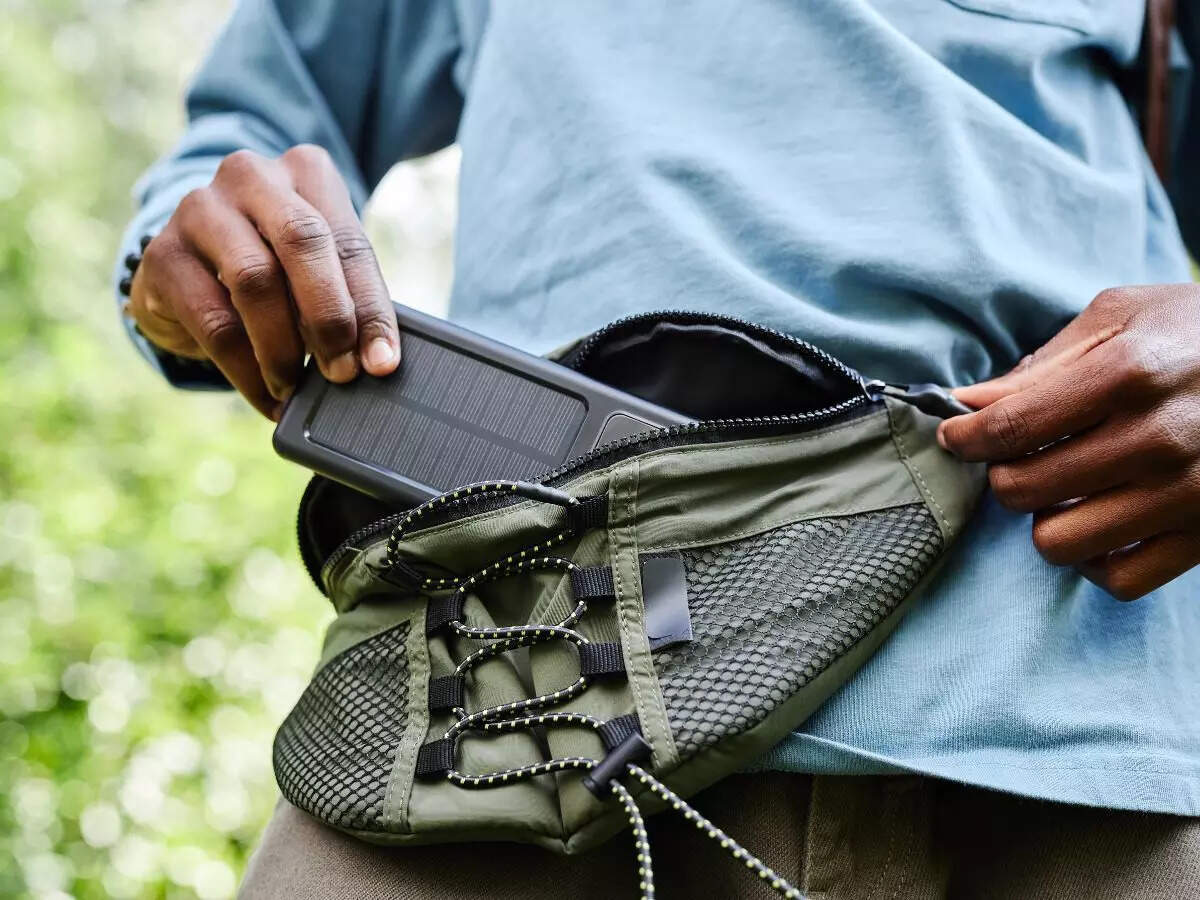
Japan is set to ban the use of mobile batteries, commonly called power banks, on passenger aircraft, the Ministry of Land, Infrastructure, Transport and Tourism (MLIT) has confirmed, as reported by Nikkei Asia. The new rules, expected by April, will also limit how many mobile batteries passengers can carry onboard.
The announcement follows international safety guidelines. “The International Civil Aviation Organization has prohibited charging mobile battery units on aircraft and is considering recommending a full ban on their use,” the ministry said. As per the Nikkei Asia report, high-capacity batteries above 160 watt-hours will remain banned. Passengers will be allowed up to two batteries of 160 watt-hours or fewer.
Currently, batteries under 100 watt-hours face no limits, while those between 100 and 160 watt-hours are capped at two units per person.
The restrictions apply to all aircraft departing from or arriving in Japan. Airlines have been briefed on the changes and advised to enforce passenger compliance.
Power banks rely on lithium-ion cells, which are prone to overheating and fire. Japan’s National Institute of Technology and Evaluation reported 123 battery-related accidents in 2024, a sharp rise from 47 in 2020. Many incidents involved batteries igniting while charging smartphones.
Earlier cases include a January 2025 Air Busan flight that caught fire at Gimhae International Airport, and an October incident on an All Nippon Airways flight from Naha to Tokyo where a battery emitted smoke. Fires have also occurred on trains, including a July 2025 incident on Tokyo’s Yamanote line that injured five people.
Since July, Japanese airlines have advised passengers to keep batteries accessible and avoid placing them in overhead bins while in use. The stricter regulations aim to prevent further accidents and ensure safer air travel.
AloJapan.com