
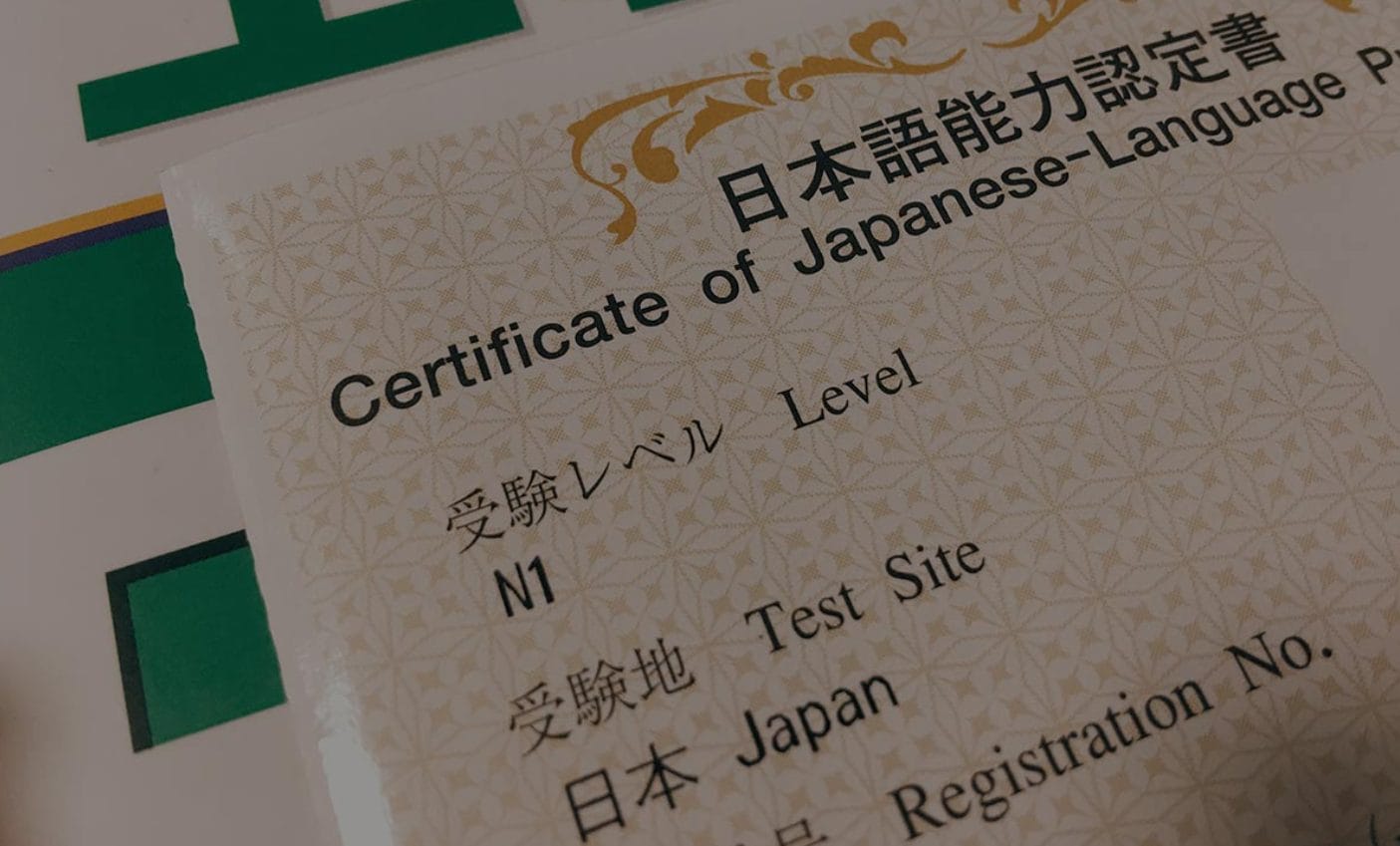
From 2026, tourists visiting Japan will no longer be able to sit the Japanese-Language Proficiency Test (JLPT) in the country. The change, reported by The Japan Times, means applicants in Japan will generally need a mid- to long-term residence status or special permanent residency, and must provide a residence card number and expiry date when applying.
Until 2025, anyone whose native language isn’t Japanese—including short-term visitors and those on tourist visas—could take the test in Japan. That changes in 2026: those without residence cards will be barred, even if they happen to be in the country on test day.
The JLPT is the world’s largest Japanese-language test, run by Japan Educational Exchanges and Services (JEES) and the Japan Foundation. Since 1984, it has certified non-native speakers in listening and reading skills.
In 2024, a record 1.47 million people took the exam, held across all 47 prefectures in Japan and dozens of overseas locations, usually in July and December. Some countries, including Wales, Portugal, and Fiji, have temporarily suspended testing.
JEES stated the rule change follows repeated administrative issues with overseas applicants.
Some had used Japanese addresses without permission or submitted invalid phone numbers, making it difficult—or even impossible—to deliver test vouchers, score reports, or contact examinees directly.
“For the proper administration of the exam, this additional eligibility condition has been introduced,” the organisation said.
The application process remains the same: applicants register through the MyJLPT portal, pay a testing fee, and receive a mailed voucher with their venue details. Scores are released online, while paper reports are sent to all examinees and certificates are mailed to successful candidates.
Most short-term visitors will now be affected, but some groups without residence cards can still take the exam.
These include people who have acquired Japanese nationality but aren’t native speakers, those on provisional stay, individuals covered by US–Japan or United Nations forces agreements, and holders of “Diplomat” or “Official” residence statuses.
Related
AloJapan.com