
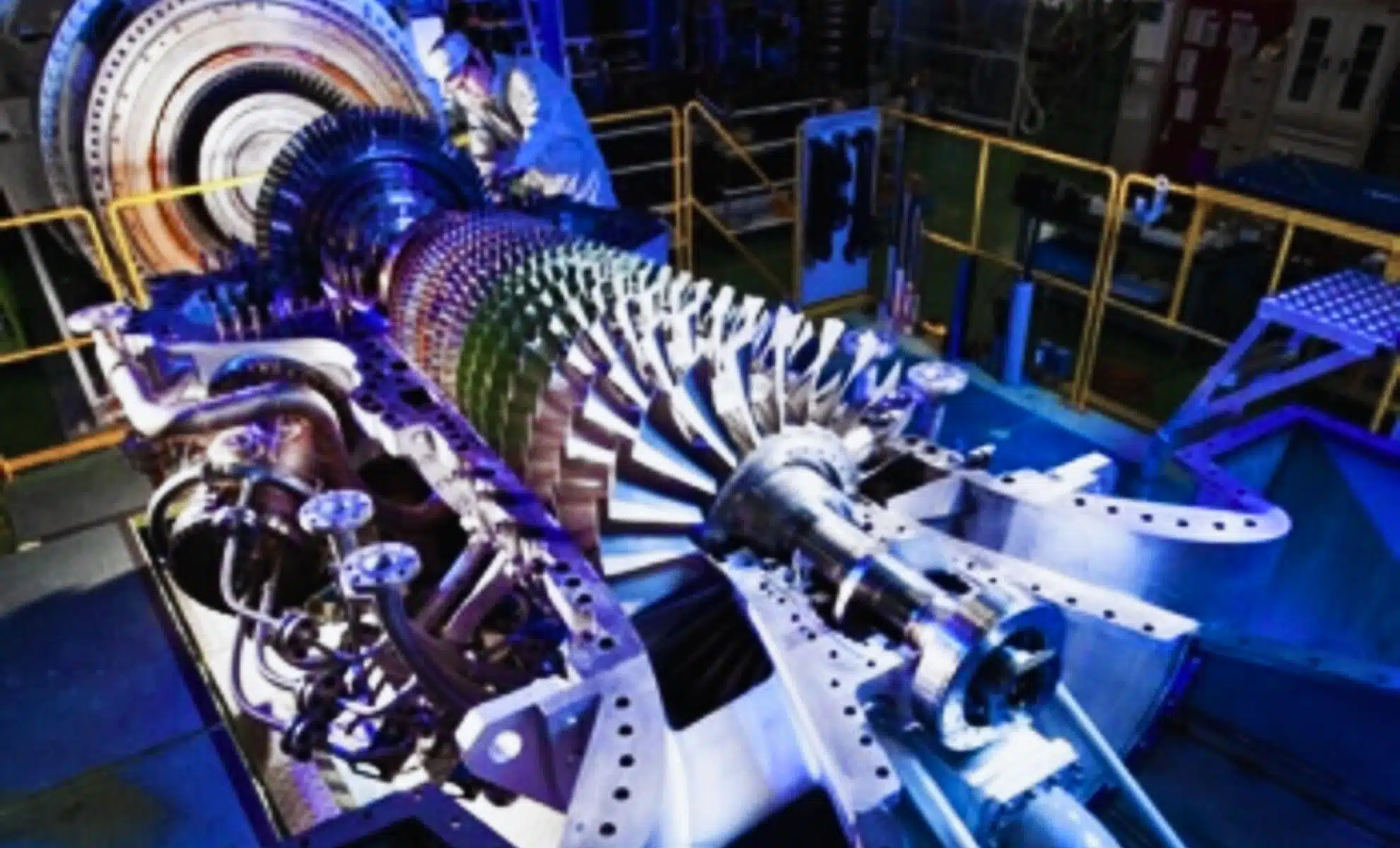
KAWASAKI- Japan has taken a major step toward lower-emission power generation with the launch of the world’s first commercial gas engine designed to operate on a 30 percent hydrogen blend. The new system has moved beyond laboratory testing and is now available for purchase, complete with warranty coverage and a defined service schedule.
The engine was developed by Kawasaki Heavy Industries and verified at its Kobe Works near Kobe Airport (UKB). The program aligns with Japan’s broader decarbonization strategy and supports energy transition efforts in a country that relies heavily on imported fuel.
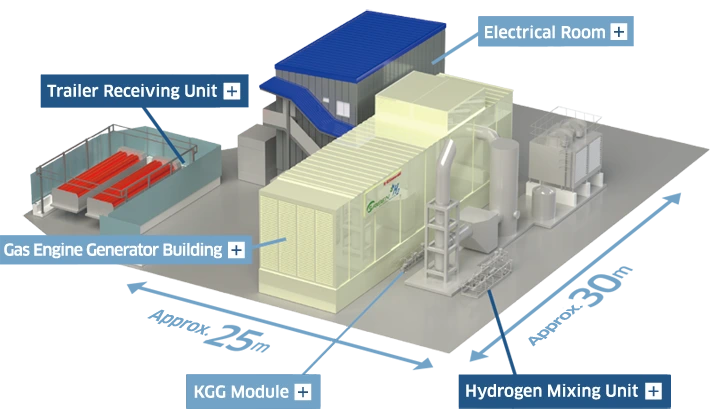 Photo: Kawasaki Heavy Industries
Hydrogen Engine Launch
Kawasaki began accepting orders for its KG series hydrogen co-firing engine in late September 2025. The decision followed an 11-month operational verification program conducted under real-world industrial conditions.
The engine generates electricity by burning natural gas mixed with up to 30 percent hydrogen by volume, Daily Galaxy reported.
This threshold allows operators to adopt hydrogen use without replacing existing gas pipelines or storage infrastructure.
Japan imports most of its primary energy, which makes gradual fuel substitution essential. By enabling partial hydrogen use, the engine offers a practical pathway to reduce carbon intensity without disrupting grid reliability.
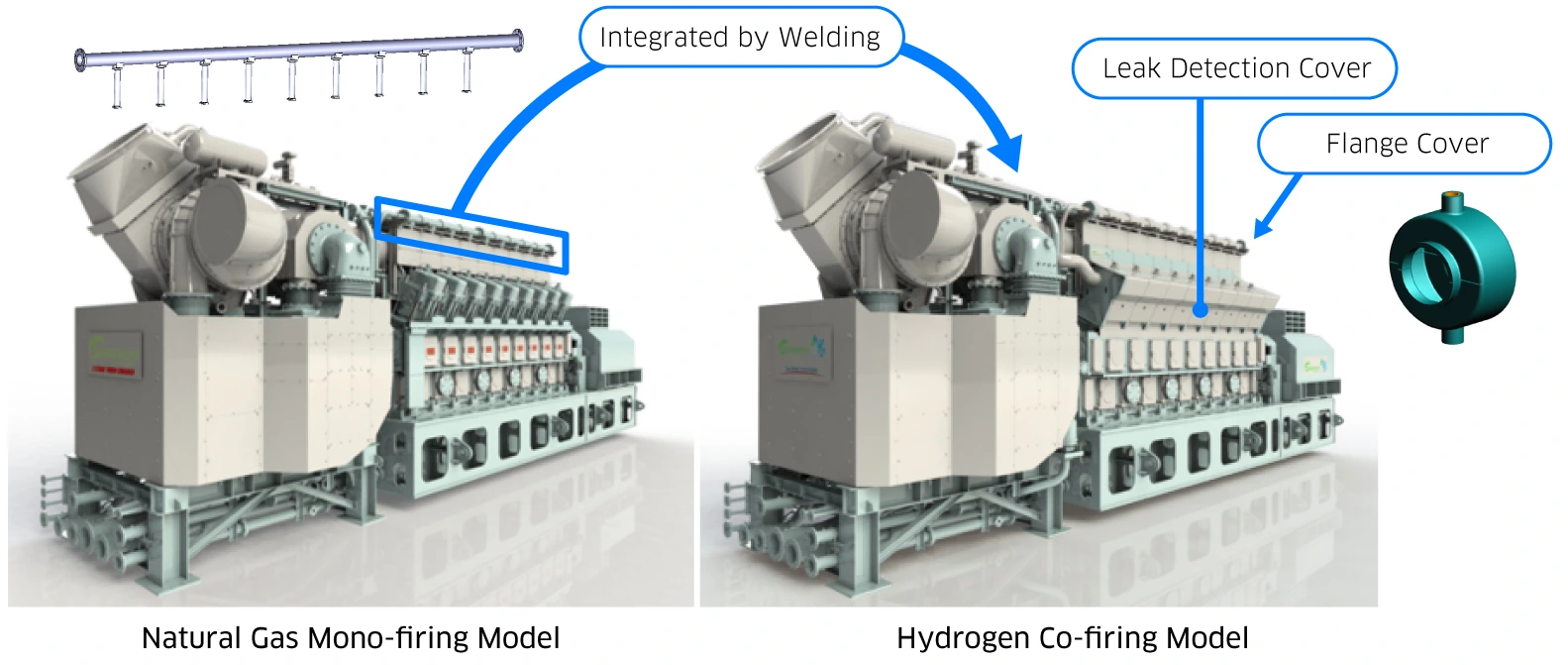 Photo: Kawasaki Heavy Industries
Retrofit Power Systems
The KG series is designed as a transition technology rather than a full hydrogen solution.
It cannot yet operate on pure hydrogen, but it supports drop-in compatibility for facilities already built around natural gas systems.
Kawasaki confirmed that earlier KG series engines, with more than 240 orders since 2011, can be retrofitted for hydrogen co-firing. This allows older power plants to extend their service life while progressively lowering emissions.
The retrofit approach reduces capital expenditure and avoids full fleet replacement. Operators can decarbonize incrementally as hydrogen availability improves and costs decline.
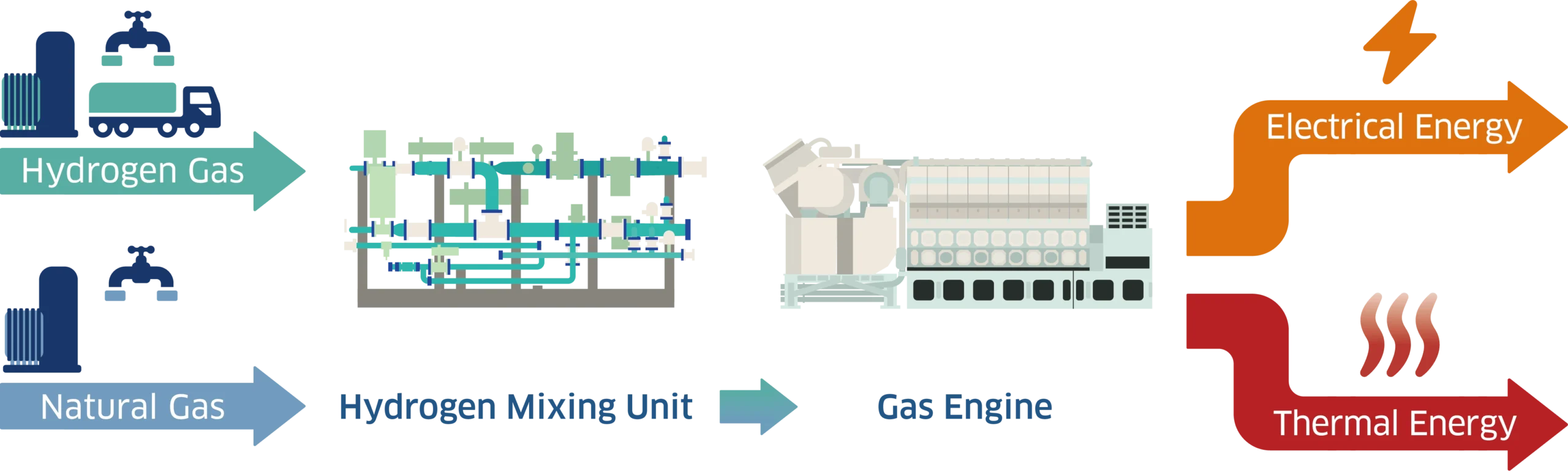 Photo: Kawasaki Heavy Industries
Infrastructure And Safety
Verification testing ran from October 2024 through September 2025 and focused on operational safety and maintainability. Engineers evaluated hydrogen leak detection, purge systems, and integration with existing fuel supply chains.
Hydrogen presents unique challenges due to its small molecular size and wide ignition range. The KG series includes dedicated leak sensors and nitrogen purge systems to manage startup, shutdown, and fault conditions safely.
Parallel progress is underway in marine propulsion, where Kawasaki and partners have demonstrated hydrogen-capable engines for ships. These projects operate under Japan’s Green Innovation Fund, administered by the New Energy and Industrial Technology Development Organization, which has allocated about 2 trillion yen toward carbon neutrality goals.
 Photo: Emirates
Bottom Line
Infrastructure development remains the limiting factor. Kawasaki and Japan Suiso Energy broke ground in November 2025 on a liquid hydrogen import terminal at Ogishima, designed around a 50,000 cubic meter storage tank and scheduled to open by 2030.
Until large-scale supply chains mature, early adopters face limited hydrogen availability and higher costs.
Even so, the commercial release of the KG series marks a decisive shift from experimental hydrogen power to deployable energy technology.
Stay tuned with us. Further, follow us on social media for the latest updates.
Join us on Telegram Group for the Latest Aviation Updates. Subsequently, follow us on Google News
AloJapan.com