
TOKYO – Doing the right thing in the wrong way. This phrase is particularly appropriate for Japan’s current nuclear energy policy.
The government should promote the use of nuclear power for the purposes of alleviating power shortages and combating the climate crisis. However, despite the lack of progress in restarting nuclear power plants, Japan’s current greenhouse gas emissions are at their lowest level since 1990.
Nuclear power is difficult to use in the electricity market and cannot be used as an effective measure against the climate crisis as it is more expensive to generate than solar power and difficult to adjust output.
A final disposal site for radioactive waste has not been decided and large subsidies are paid to local governments that accept research projects on building one. This is another wrong approach, amounting to nothing more than buying and selling ethics.
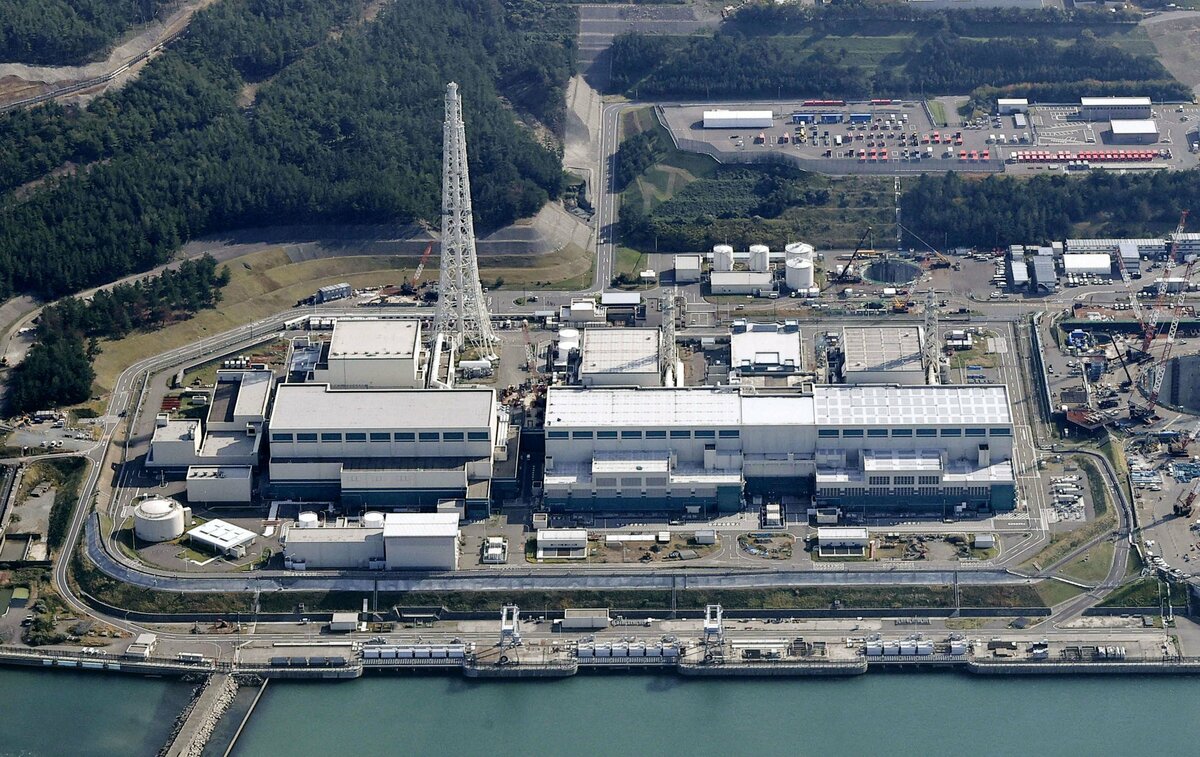
And now, without resolving these issues, Tokyo Electric Power Company Holdings Inc.’s Kashiwazaki-Kariwa nuclear plant’s No. 6 reactor has been restarted. All of the units were shut down in 2007 due to the Chuetsu-oki earthquake. Had the lessons learned from that experience been applied, the damage from the Fukushima Daiichi nuclear accident in 2011 might have been less severe.
Moreover, the purpose of the restart is not to alleviate power shortages or combat the climate crisis, but to improve the company’s financial situation. It is hard to understand why a power company that caused an unprecedented nuclear accident would use nuclear power to raise funds.
TEPCO’s customers are in the Kanto region, including Tokyo, not Niigata Prefecture. Despite concerns about a lack of regard for safety, as seen before the Fukushima accident, Niigata Prefecture agreed to restart the plant in exchange for 100 billion yen or so in funding from TEPCO over 10 years.
The greater Tokyo metropolitan area has not needed electricity from TEPCO’s nuclear power plants since the accident. But the Tokyo metropolitan government, a major shareholder of the utility, and its residents, who are consumers, have shown little interest in the restart, as if it were someone else’s problem.
Electricity is being sent from Niigata Prefecture, generated with a disregard for the concerns of local residents, without clear understanding of the need for it and with insufficient reflection on the state of the area where the electricity is produced.
There are other wrong approaches. Japan claims that spent nuclear fuel from nuclear power plants is a resource. Although a non-nuclear weapons state, it has been aiming to extract plutonium from the fuel and reuse it since the 1950s but has yet to achieve it.
Perhaps due to the stalled research project at the Monju fast-breeder reactor, which was intended to produce more plutonium fuel than it consumed, the current goal has been changed to the more appealing phrase of “reducing the volume of waste and making it less harmful.”
However, this also presupposes the use of fast reactors and nuclear transmutation technologies, with its feasibility and economic viability in question. Even if put into practical use, achieving any benefits would require long-term and stable operation. Moreover, once the reprocessing plant in Rokkasho, Aomori Prefecture, which is currently under review, begins operation, power companies will be forced to use mixed oxide fuel, which is significantly more expensive than uranium fuel.
The correct approach for spent nuclear fuel is to dispose of it safely and securely as many other countries do. The Ministry of Economy, Trade and Industry handles these policies.
It’s a completely wrong approach, focusing on economics and industry. As long as they are in charge, policies will not prioritize life and the environment.
We are already a quarter into the 21st century. Who would have imagined that such a deceptive and scientifically unverified nuclear policy would continue? This erroneous approach should be corrected as soon as possible.
(Tadahiro Katsuta is professor at Meiji University’s School of Law. Born in Kagoshima Prefecture in 1968, he earned a PhD in engineering from Hiroshima University. After serving as a visiting researcher at Princeton University, he assumed his current position in April 2018.)
AloJapan.com