
By Zhou Ling
Global demand for matcha has overwhelmed Japan’s artisanal supply chain. With tea gardens rationing sales and buyers scrambling for a single tin, the world’s most coveted green powder now sits at the center of a brewing conflict between tradition and scale.
Matcha prices in Japan surged 170 percent in 2025. Some of the country’s most established tea gardens have begun rationing sales. Buyers in certain cases report being unable to secure even a single tin.
The finely milled green powder, once prepared by Buddhist monks to sharpen concentration during meditation, has become one of the fastest-rising specialty beverages in the global market. A drink historically consumed in hushed tea rooms now anchors café menus from Los Angeles to London to Shanghai.
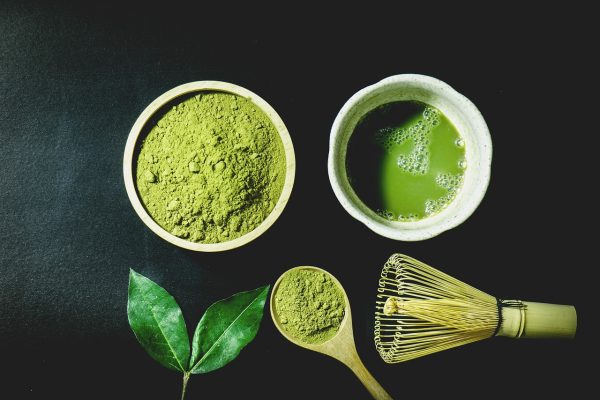 The health benefits of matcha are gaining increasing global attention, and incorporating it into daily meals can be an easy first step. (Image: dungthuyvunguyen fvia Pixabay)
From Tang Dynasty China to Kyoto’s mist-shrouded fields
Powdered tea culture originated in China during the Tang Dynasty, when leaves were ground into powder and whisked with hot water. The practice later crossed to Japan, where it was refined into something more disciplined and deliberate.
Success
You are now signed up for our newsletter
Success
Check your email to complete sign up
In Kyoto’s Uji region, geography dictated the craft. Sharp day-night temperature swings and persistent mist created growing conditions that few other landscapes could match. Local farmers developed shade-growing techniques, draping plants with covers before harvest to block direct sunlight. The method concentrates chlorophyll and amino acids while suppressing bitterness, producing the smooth, vibrant flavor that defines premium matcha.
By the Kamakura period, Zen monasteries had woven matcha into the rhythm of daily religious life. Monks drank it to stay alert through hours of chanting and seated meditation. Centuries later, the tea master Sen no Rikyū codified the Japanese tea ceremony, transforming matcha into a cultural emblem rooted in simplicity and discipline.
Traditional production remains deliberately slow — stone mills grind only thirty to forty grams per hour
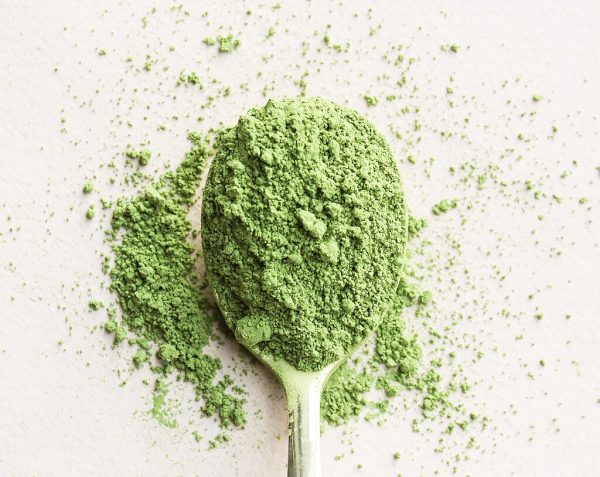 (Image: Evanhoever via Commons Wikimedia CC BY-SA 4.0)
How a monastic brew became a global commodity
For most of the twentieth century, matcha rarely left Japan. It circulated in domestic households and appeared in confections — wagashi sweets, cakes, ice cream — but seldom traveled further.
That changed in the early 2000s. As consumer appetite for functional foods grew, research highlighting matcha’s catechin content, often cited at several times the concentration found in standard green tea, caught the attention of health and wellness communities. Branded a “superfood,” matcha gained traction as a coffee alternative, promoted for its antioxidant density and steady, jitter-free energy.
California yoga studios put matcha lattes on their menus. New York office workers folded it into morning smoothies. The powder’s vivid green proved irresistible on social media, where visual appeal routinely dictates what consumers buy next.
The global bubble tea boom accelerated adoption further. Taiwanese chains, international coffee brands, and independent cafés added matcha drinks as standard menu items. Short-form video platforms supercharged the trend: farmers demonstrating centuries-old cultivation techniques drew millions of views alongside influencers reviewing matcha desserts and specialty cafés from Tokyo to Dubai.
Japanese tea exports have reportedly tripled over the past decade, with matcha claiming a growing share. Demand across Europe and North America continues to rise at double-digit annual rates. Matcha-flavored products now saturate retail districts in China’s major cities, from bakery counters to convenience store shelves.
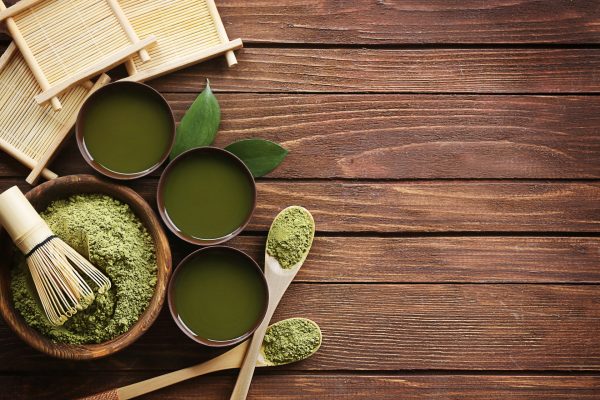 Matcha, or Japanese green tea, is not an infusion, but a finely pulverized, specially-grown, whole-leaf powder. The natural benefits of brewed green tea are enhanced in this fresher, more-complete form. (Image: Pexels CC 0)
An artisanal supply chain under siege
Production, however, has failed to keep pace, and the gap is widening.
Uji’s tea-growing acreage is finite, and traditional shade cultivation demands specialized knowledge and intensive labor. Japan’s aging rural population has deepened the strain. The average tea farmer is now sixty-five years old, and many younger Japanese have opted not to take over the family business. Between 2000 and 2020, four out of every five tea producers left the industry entirely.
Veteran growers caution that the expertise behind shade timing, leaf selection, and stone milling cannot be transferred quickly or compressed into training manuals. Lower-grade matcha can be manufactured at industrial volumes. But premium ceremonial-grade powder — the kind that commands the highest prices and anchors Japan’s reputation — depends on methods that resist scaling by design.
The 170 percent price surge is a direct expression of this collision. Demand is broadening across continents and consumer segments, while supply remains pinned in place by geography, labor shortages, and centuries of tradition.
Whether matcha ultimately becomes another mass-market ingredient or preserves its identity as an artisanal luxury will depend on how Japan’s producers choose to expand, and how much the world is willing to pay for the real thing.
AloJapan.com