
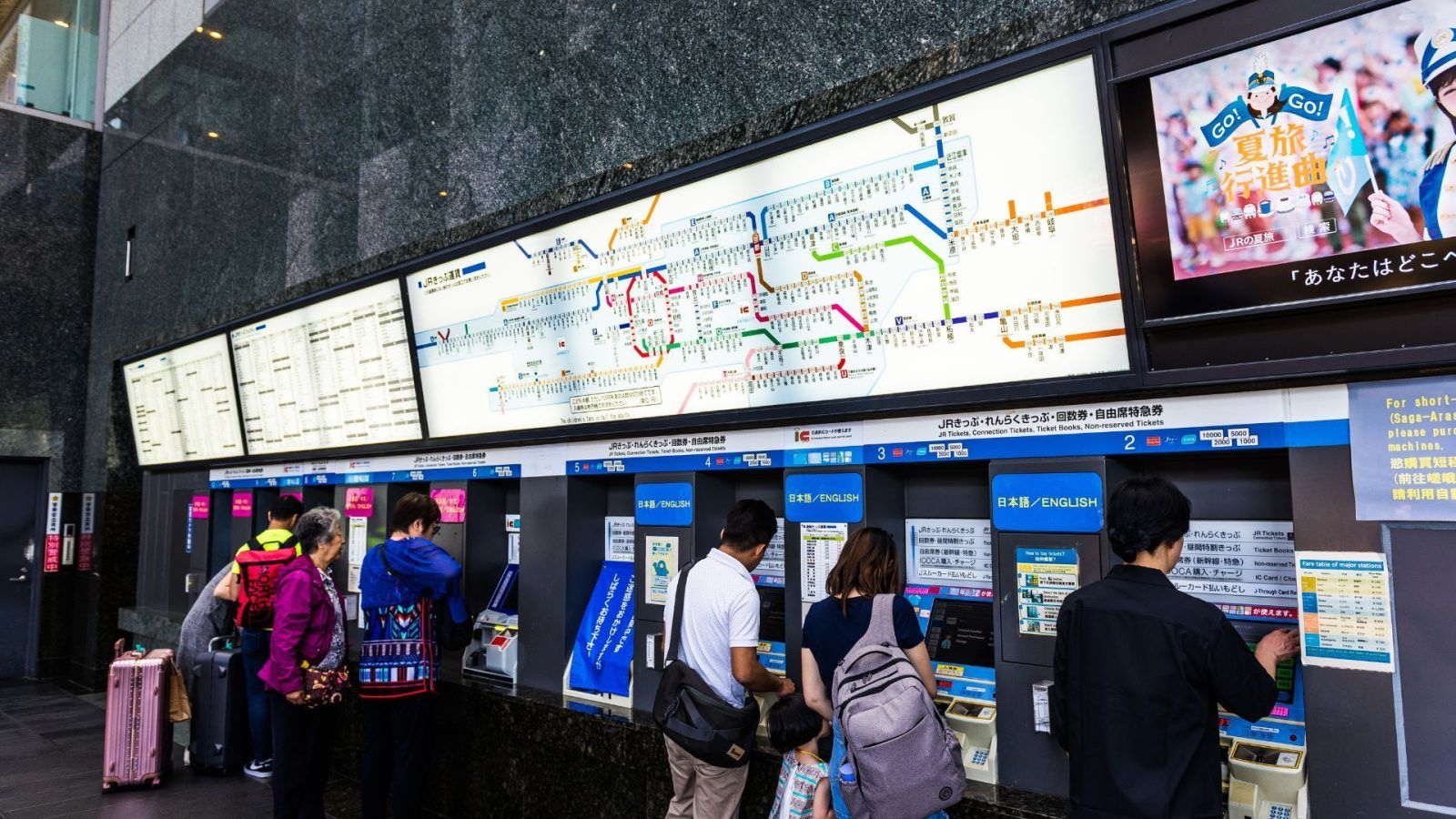
IC travel cards come in handy when you’re travelling inter- and intra-city and using public transport. Here’s a list of some popular Japanese IC cards.
Welcome Suica: It’s a popular Japanese IC card among tourists. It lasts for 28 days and can be used while travelling and shopping.
Suica: A good Japanese IC card option for residents and short-term visitors staying in Japan for a few months.
PASMO: Both residents and visitors can purchase a PASMO card. Customers need to deposit 500 JPY (approximately HKD 25) when purchasing a new card. (The amount will be refunded to you in exchange for the PASMO card after you no longer need it.)
ICOCA: A popular Japanese IC card used in the Kansai region, like Kyoto, Osaka, and Kobe. You can purchase it at most JR West Stations and Kansai International Airport.
Kitaca: This IC card from JR Hokkaido is popularly used to access public transport in the Sapporo-Asahikawa area and the Hakodate area. It can be purchased at the JR Ticket Counter (Midori-no-madoguchi).
Manaca: This is a regional IC card used in Nagoya and the Chubu region. However, you can use it across Japan. You can purchase it from the ticket machine in the subway and the Meitetsu Information Centre.
SUGOCA: A regional IC card mostly used in Kyushu. You can purchase it from a ticket machine/counter at JR Kyushu’s Midori no Madoguchi.
PiTaPA: You can only get this Japanese IC card if you have a Japanese bank account and clear the screening process. You cannot purchase this card at a physical store or train station, but apply for it online.
TOICA: You can use this regional IC card in and around Nagoya and Shizuoka. It can be purchased at JR central stations and has a retail price of 2,000 JPY (approximately HKD 100).
Hayakaken: This IC card is popular in Fukuoka, but it can be used across other major Japanese regions that accept IC cards. You can either purchase it at the Fukuoka International Airport or at the ticket counters at the Fukuoka City Subway station.
Also, learn more about Japan’s ‘shun’ philosophy, the idea of eating foods and using ingredients at their peak season.
Features that make these cards popular
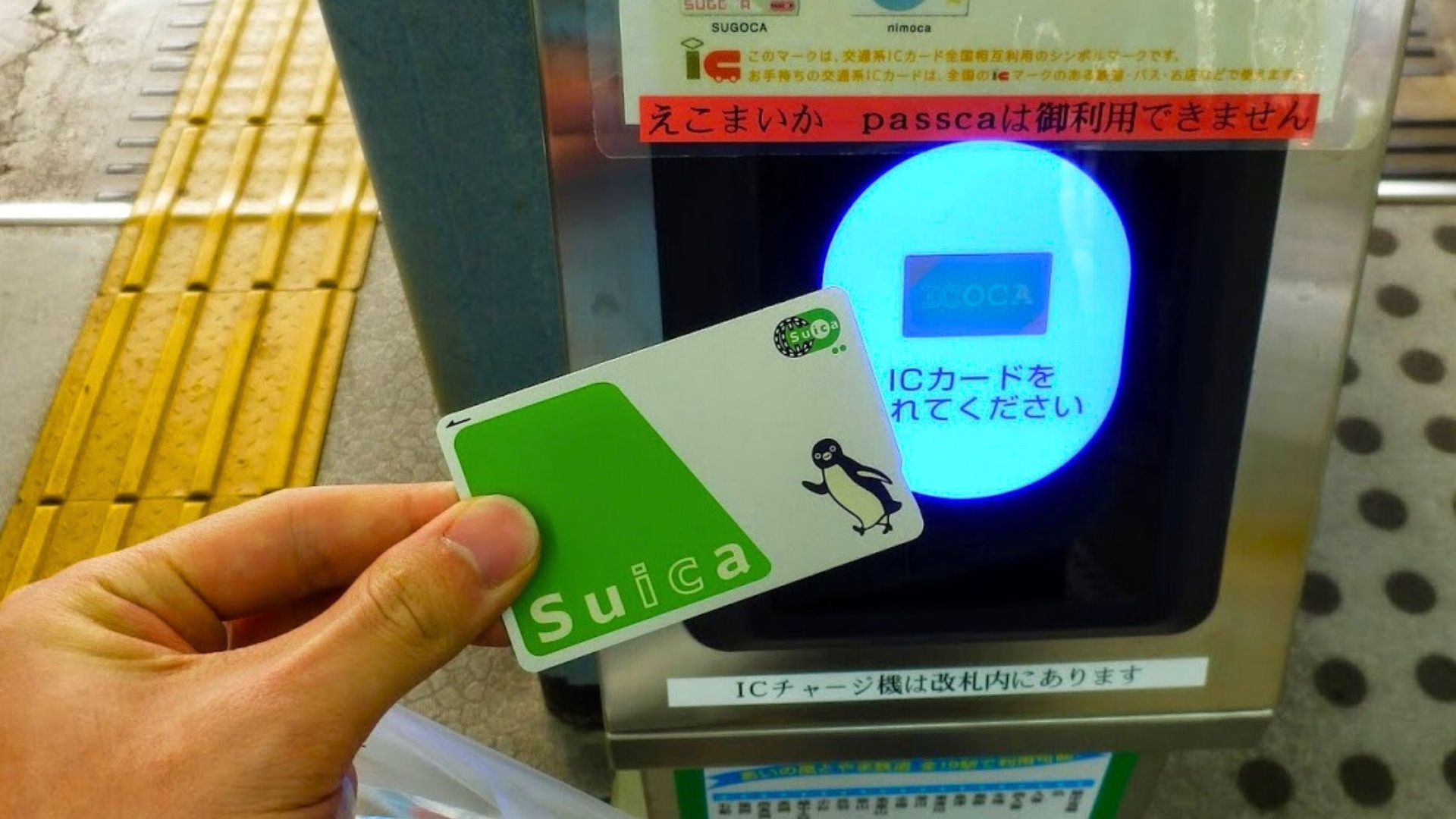 Suica | Image credit: タチヤマカムイ, CC BY-SA 4.0, via Wikimedia Commons
Sony Corporation developed a high-speed and secure contactless IC card technology called “Felica,” which is used in Japanese transportation cards such as PASMO, ICOCA, and Suica. Some of the core features of Japan’s IC cards are tap-and-go payments at train station ticket gates, convenience stores, supermarkets, coin lockers, parking machines, cafes, and restaurants.
Japan IC cards benefits
When you own a Japanese IC card, you never have to worry about purchasing individual paper tickets, mentally calculating transport fares, buying multiple travel cards, or asking for help using Japanese. It makes daily life and payments effortless. Owning one helps you to skip long lines at the ticket counter, access nationwide public transport, and move faster at the train station’s entry and exit ticket gates. They also make meaningful souvenirs to treasure from your trip to Japan.
T+L tip
Two or more people (including children) cannot share a single IC card when travelling together via train or bus. Each traveller has to own their own card.
Uncover Japan’s waste etiquette before your next trip.
How do Japanese IC cards work?
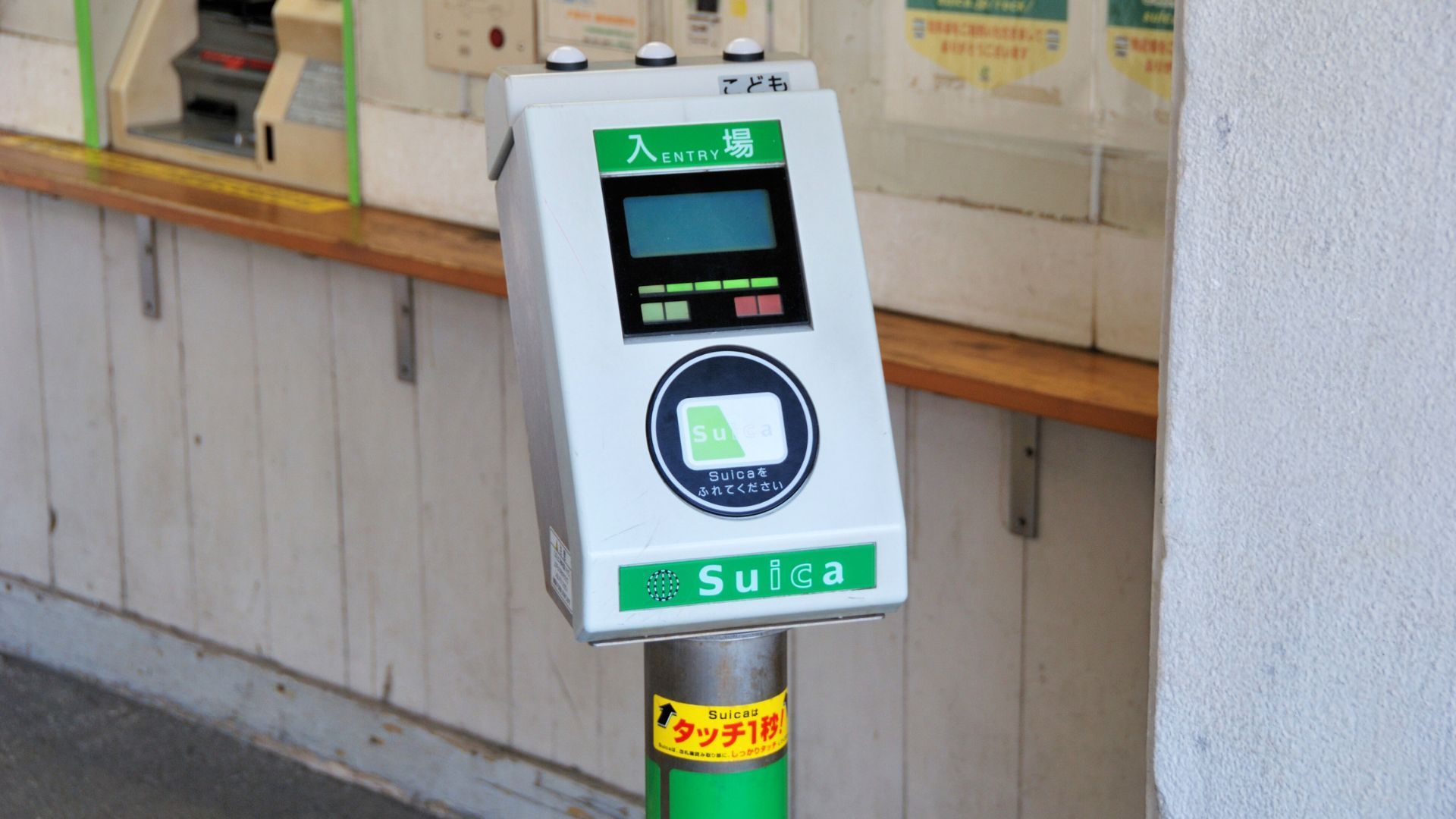 A card reader in Benten-bashi Station, Yokohama, Kanagawa | Image credit: ykanazawa1999/Flickr
To use any of these cards, simply tap it on the reader at a train ticket counter. You should tap once when entering and another time when exiting. The train system will calculate the distance and automatically deduct the balance. Most buses only require a single tap before boarding, but a handful of them (especially in rural areas) require tapping when both boarding and exiting.
Where to use Japan travel cards?
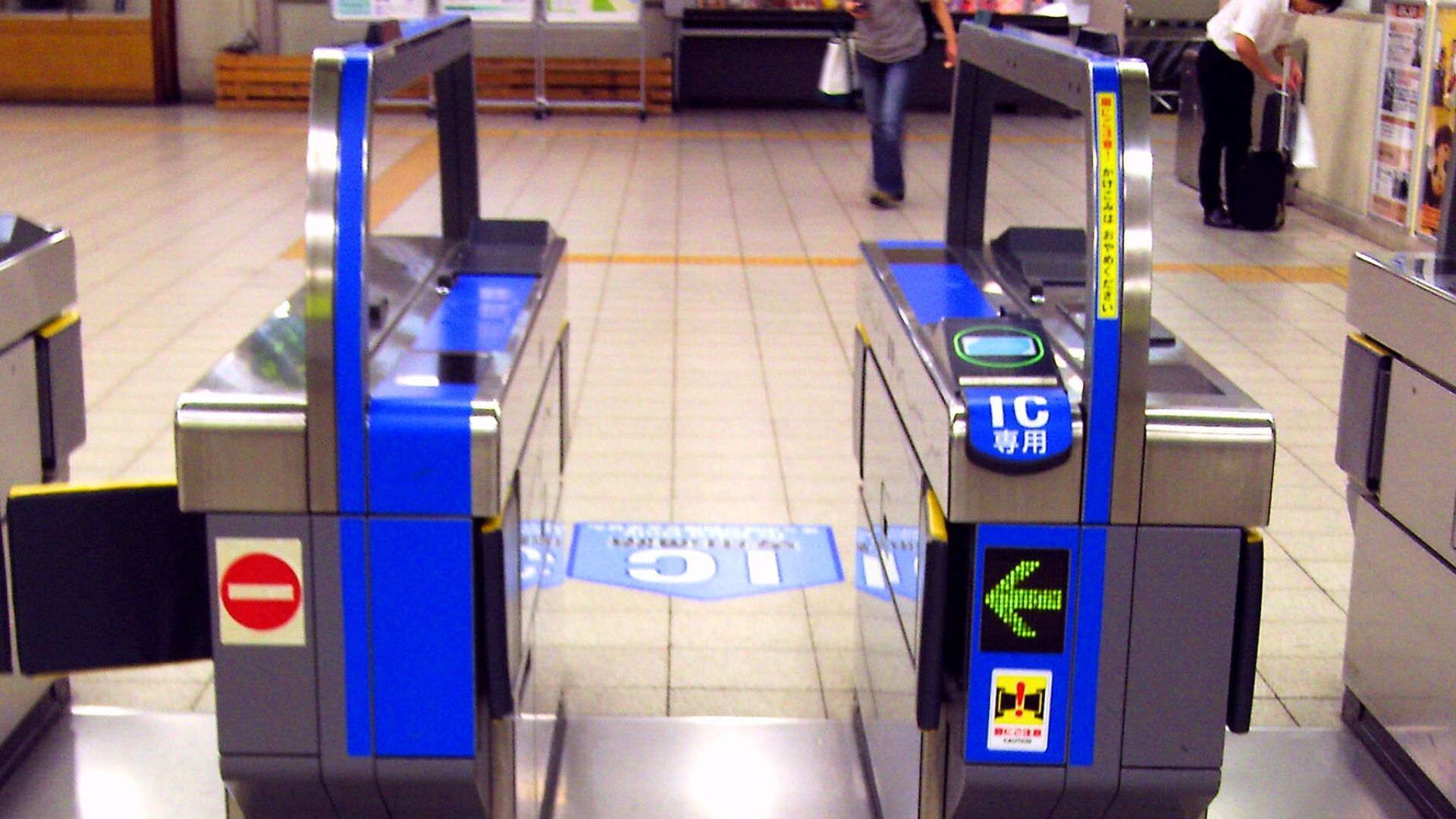 ICOCA-Gate | Image credit: MASA, CC BY-SA 3.0, via Wikimedia Commons
T+L tip
In some tram trains and local buses, your card needs to be tapped when boarding and exiting.
Popular travel cards, such as Pasmo, Suica, and ICOCA, are equipped with a tap-and-go travel feature that allows you to travel across Japan. You can use these cards to access public transport like subways, buses, monorails, cycle rentals, and trains. Some travellers also use them for making small purchases at convenience stores, vending machines, and souvenir shops.
Discover the things to do in Kamakura when Tokyo feels overstimulating.
Where to buy and recharge these cards?
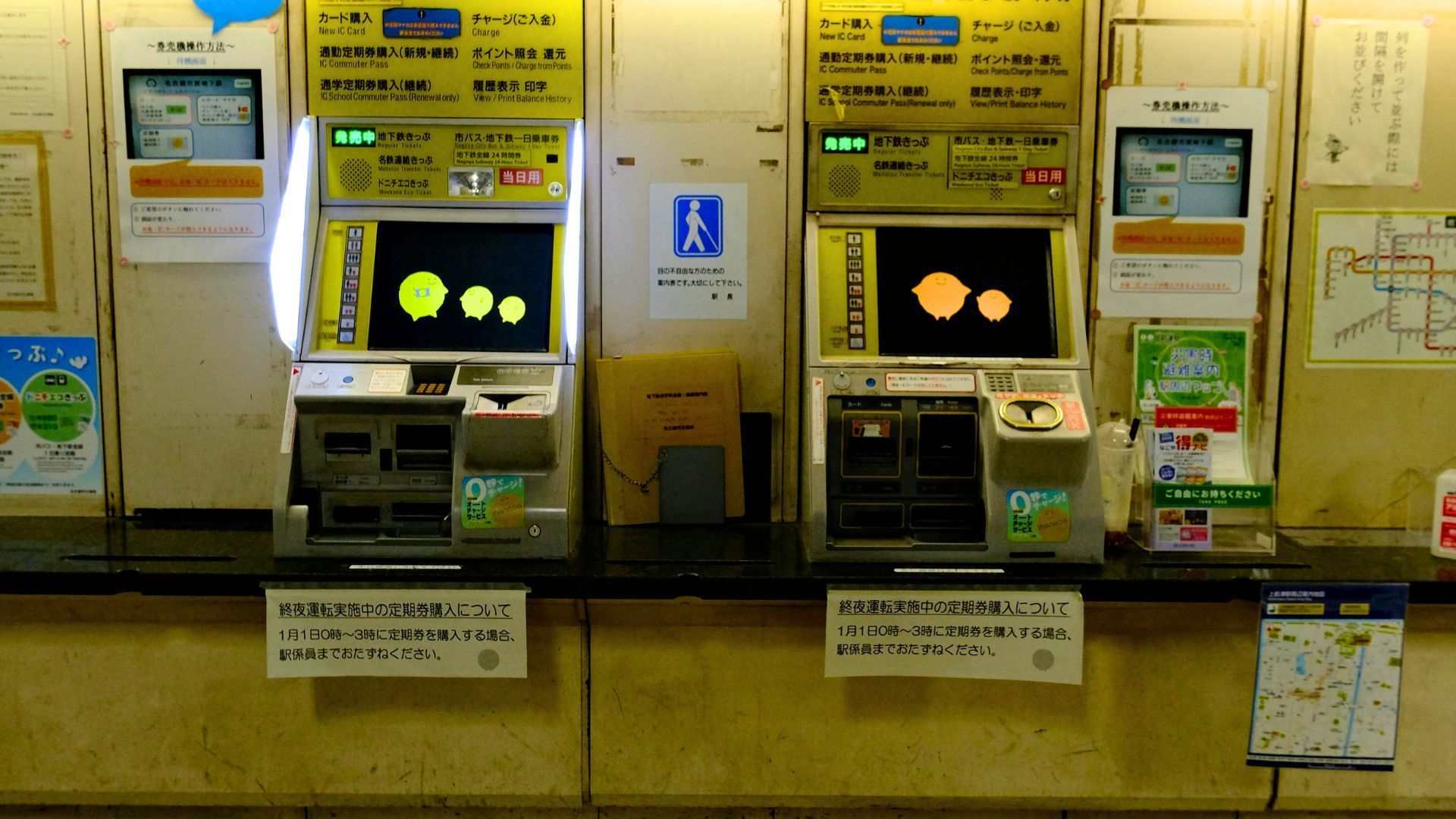 Image credit: Huu Huynh/Pexels
You can purchase Pasmo, Suica, and ICOCA at major airports, JR train stations, and convenience store chains, including 7-Eleven, Lawson, and FamilyMart.
Airport: If you’re at an international airport, visit the JR Travel Service Centre to top up your card.
JR train station: Go to the ticket vending machine and search for the ‘IC Charge’ option. Choose the ‘charge by cash’ option and enter the charge amount. Insert the money and collect the receipt.
Convenience Store: At the cash register, tell the staff you want to charge your IC card by saying ‘Pasmo/Suica/ICOCA chaar-ji onegaishimasu.’ Enter the charge amount, then pay, and finally collect your receipt.
Tips for using Japanese IC cards
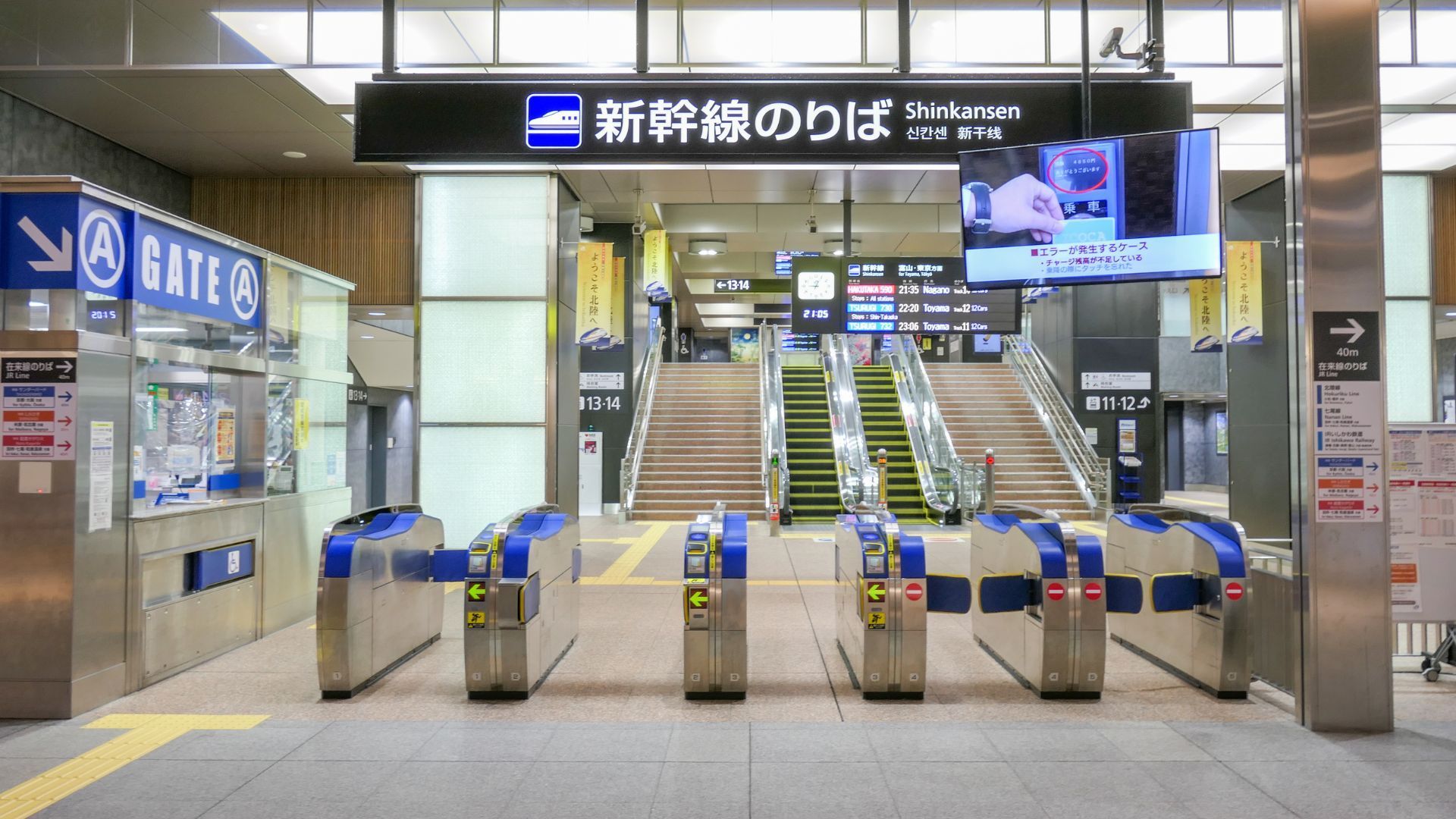 Shinkansen Gate, Kanazawa Station | Image credit: MaedaAkihiko, CC BY-SA 4.0, via Wikimedia Commons
You cannot use just your IC card to go through a Shinkansen gate. You’ll have to link your bullet train ticket to your IC card online first.
Treat your IC card like real money and keep it safe in your wallet at all times.
If you lose an unregistered card, your balance will be lost, and anyone who finds it can use it.
Those with a leftover balance and don’t want to go through the process of refunding can use the remaining amount on vending machines, small souvenirs, and convenience store snacks.
Avoid switching IC cards, and stick to one, as most of them can be used nationwide.
Keeping a minimum balance of 1,000 JPY (approximately HKD 49) on your card should last for a day or two.
You cannot use your phone as an IC card if it does not have an in-built NFC feature.
Pasmo, Suica, and ICOCA offer half-fare IC cards for children who are 6-11 years old.
Shop the best travel experiences here
(Feature image credit: beeboys/Shutterstock)
Related | Japan’s Luxe-For-Less Trail: Your Map To The Best Outlet Finds
AloJapan.com