
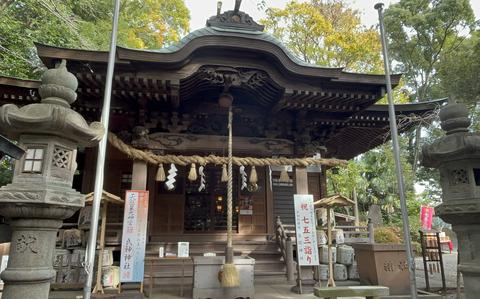
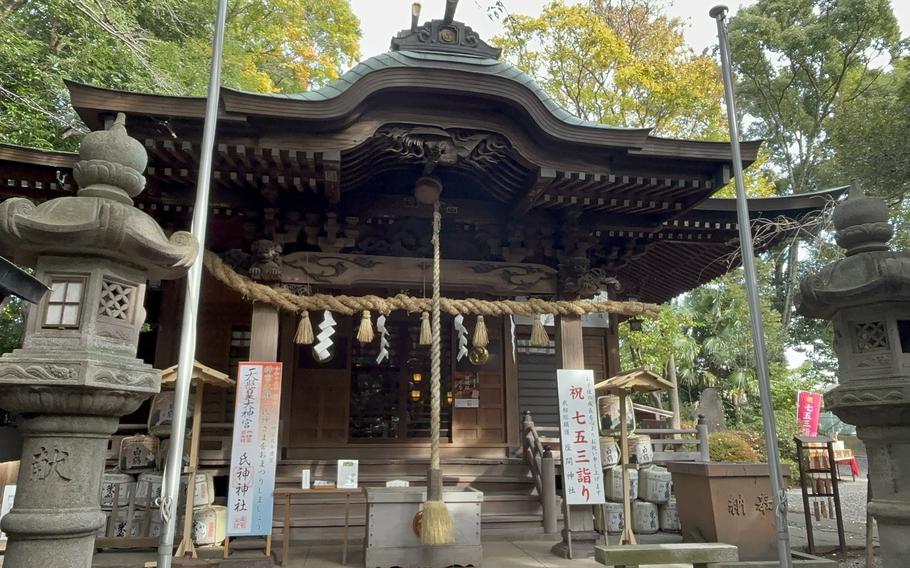
Zama Jinja (Photo by Takahiro Takiguchi/Stripes Japan)
Zama City, home to the U.S. Army Garrison Japan, is blessed with moderate temperature, pure spring water and a stunning landscape. On a nice day, the area is a joy to explore.
Every summer, you can discover why Zama is known as the “town of sunflowers,” when seemingly endless fields of the golden flowers spread in the heat.
Back in the day, the city developed into an important inn town along the Hachioji Boulevard that connected two important cities – Yokohama and Hachioji. In 1937, the Imperial Japanese Army Academy was created, but with the end of World War II, the facility was turned over to the U.S. Army and became Camp Zama.
Nature and pure water
“Surrounded by beautiful forests and full of nature, Zama is very nice place to live,” Machiko Wakabayashi said. The Zama native and owner of a liquor shop, said she often sees wild owls taking flight in the area.
Zama is blessed with plenty of water, as well. There are 15 springs located in the city, with 85 percent of its water supply coming from the local springs, according to Zama City.
Power spots and local legends
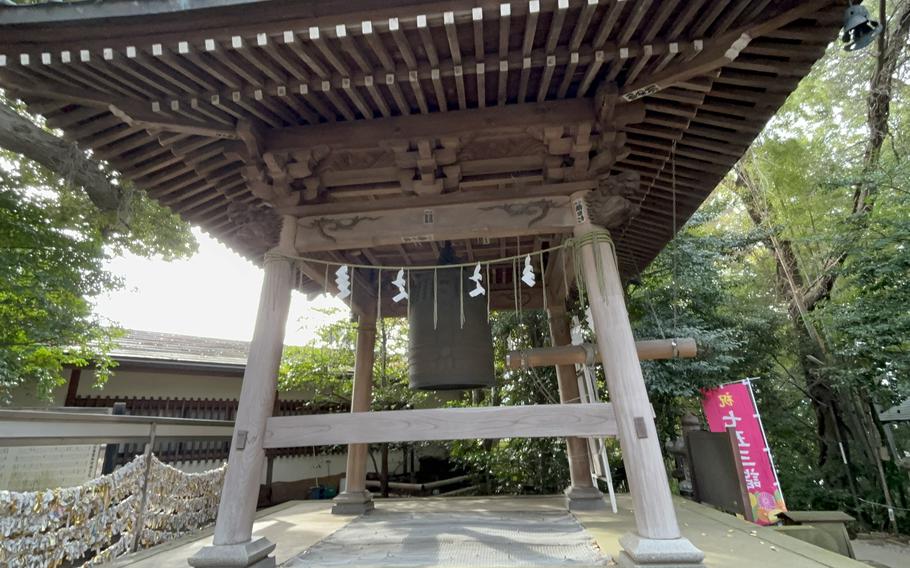
(Photo by Takahiro Takiguchi/Stripes Japan)
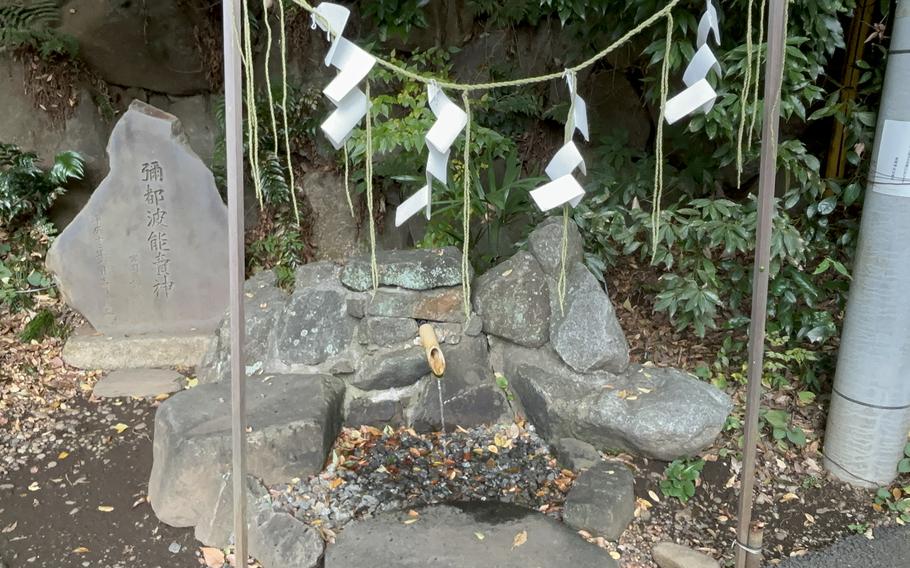
(Photo by Takahiro Takiguchi/Stripes Japan)
In Zama’s Sobudai District, take a break to explore the Zama Shrine and Banjinsui Park. Both are considered power spots and are filled with rich legends.
Take the old stone stairway approach and through the grey torii gates to enter Zama Shrine’s garden, which is home to a 300-year-old shii tree (Japanese chinquapin). This auspicious tree is a power spot and meant to bring good fortune to those who touch its trunk.
Zama Shrine dates to 539-571 when an epidemic prevailed around the region. It is said that an old man in white attire told locals to use spring water from the forest where the shrine is currently located. Soon after they started using the water, legend has it that the epidemic completely stopped.
To commemorate this amazing event, the locals built the shrine, according to the legend. The legendary spring water is still available near the shrine’s stairway, and you can bring some back home with you. I always do. The water is very clear, sweet and perfect for making coffee or tea with.
I always make a point to stop by the shrine to enjoy its profound, mysterious feeling, and never miss to drop by a tiny shrine for pets, called “Inuneko (dog and cat) shrine.” Here, people pray for the souls of loved ones who are ill or deceased.
.jpg/alternates/LANDSCAPE_910/Pets%20Shichigosan%20at%20Inukekosha%20Zama%20Shrine.jpg)
Pet’s Shichigosan at Inukekosha (Zama Shrine) (Photo by Takahiro Takiguchi/Stripes Japan)
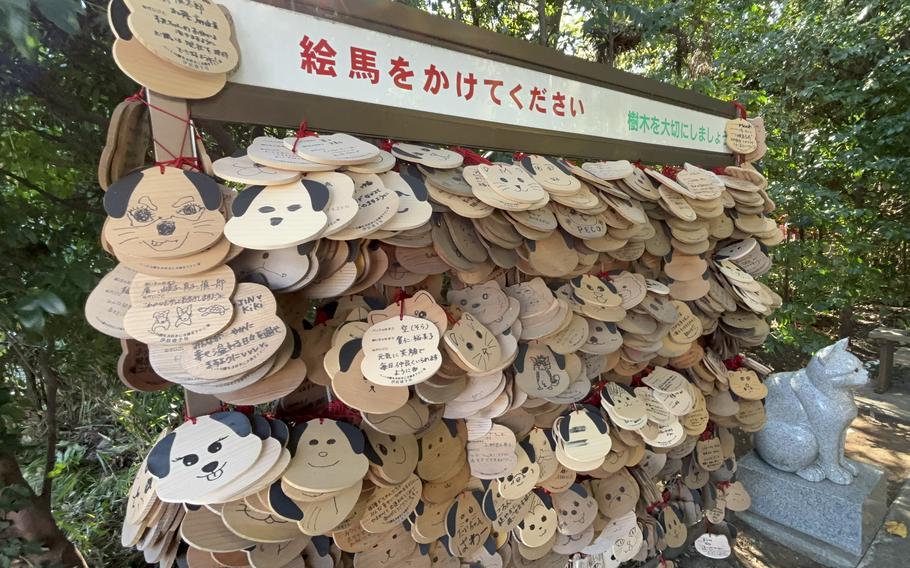
pets ema plaques (Photo by Takahiro Takiguchi/Stripes Japan)
The shrine is also popular for its yearly “shichigosan,” a ritual wishing for the longevity of cats and dogs. In November, you’ll spot dog and cat owners bringing their pets ages seven, five or three dressed in kimono attire for blessings, Shinto prayers and photo shoots.
Near Camp Zama, Banjinsui Spring feeds fire hydrants today, but was used for drinking and brewing quality sake until the 1950s. The water forms a clean stream, and along with a small shrine, it makes up Banjinsui Park.
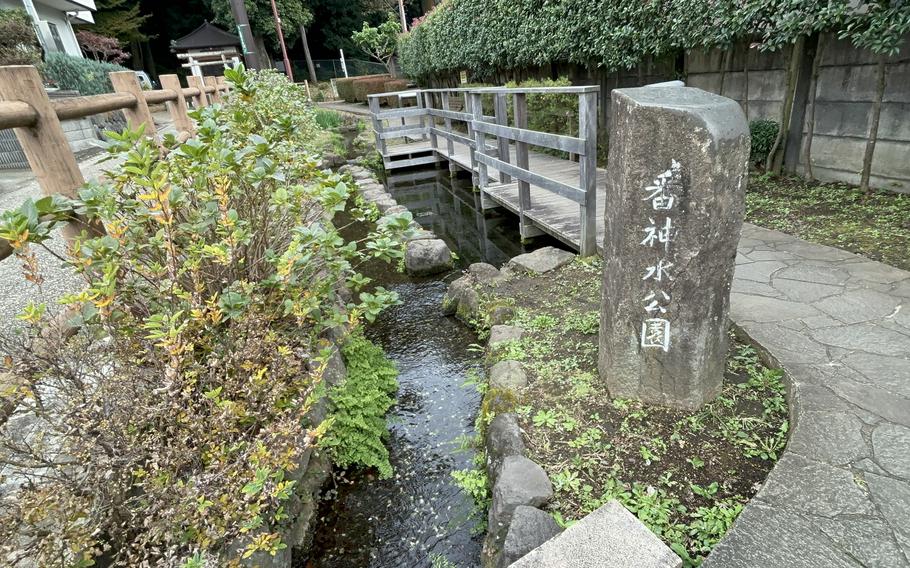
Banjinsui Park (Photo by Takahiro Takiguchi/Stripes Japan)
If you’re shopping for some grocery items or other goods, visit the shotengai near Odakyu Sobudai-mae Station, where over 50 shops and restaurants are open. Drop by any of the popular local eateries like Totoyamichi sushi restaurant or Roti Boti Indian restaurant for lunch. You won’t regret it.
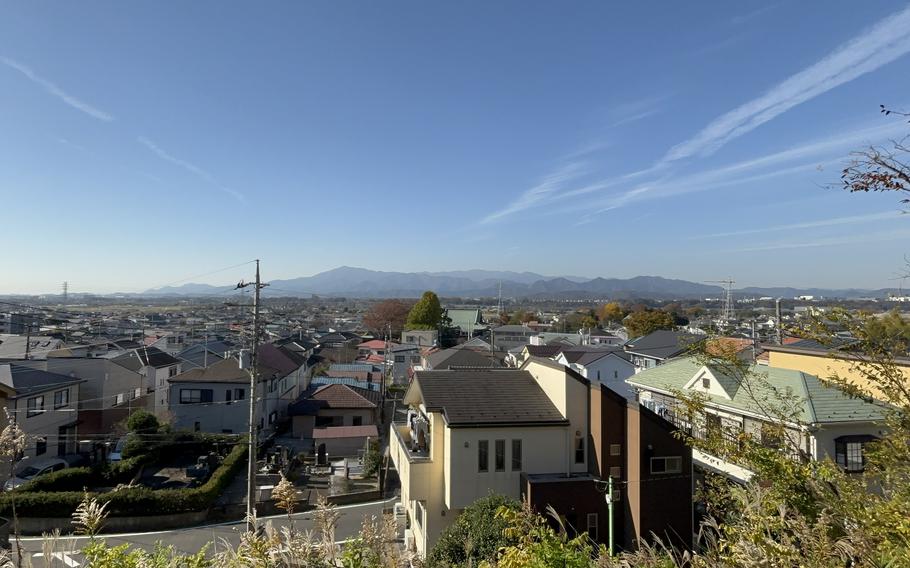
Sobudai District in Zama City (Photo by Takahiro Takiguchi/Stripes Japan)
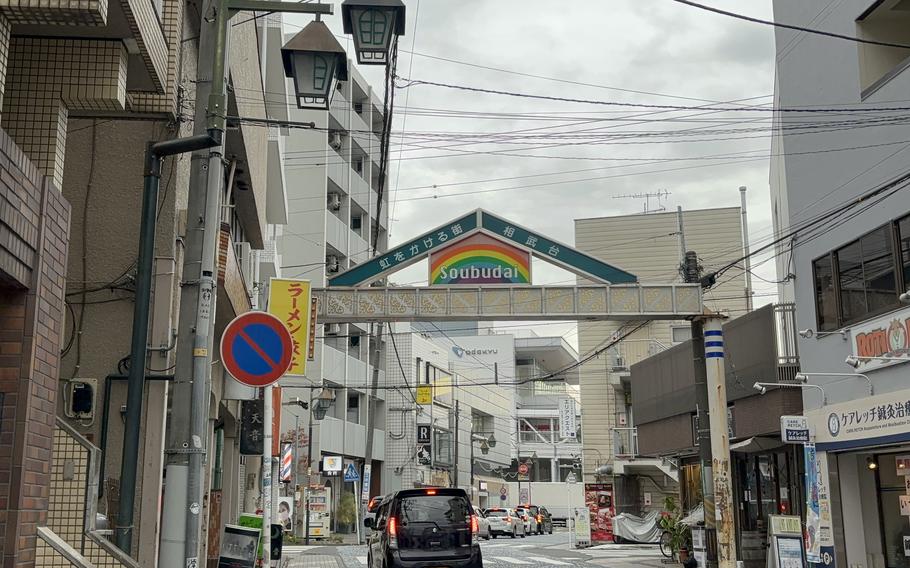
Sobudai Shotengai shopping street (Photo by Takahiro Takiguchi/Stripes Japan)
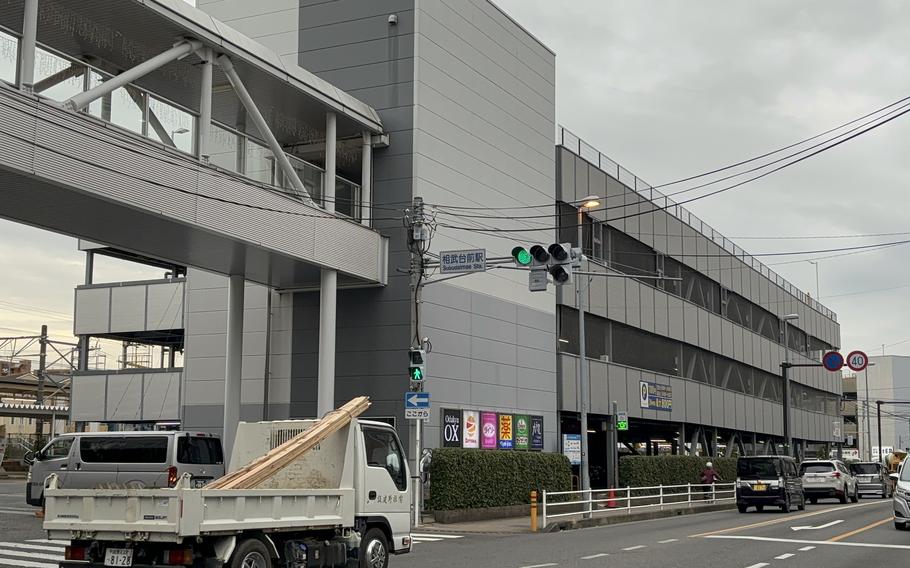
Sobudai-mae Station (Photo by Takahiro Takiguchi/Stripes Japan)
If you’re a car person, don’t miss booking a reservation at the Nissan Heritage Collection nearby. The collection features over 200 historical Nissan cars and admission is free.
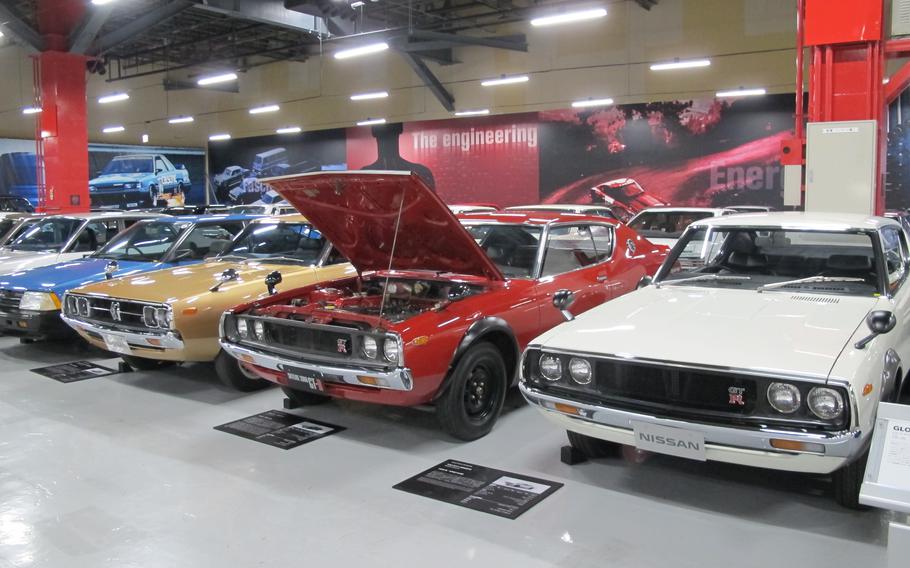
Nissan Heritage Collection (Photo by Takahiro Takiguchi/Stripes Japan)
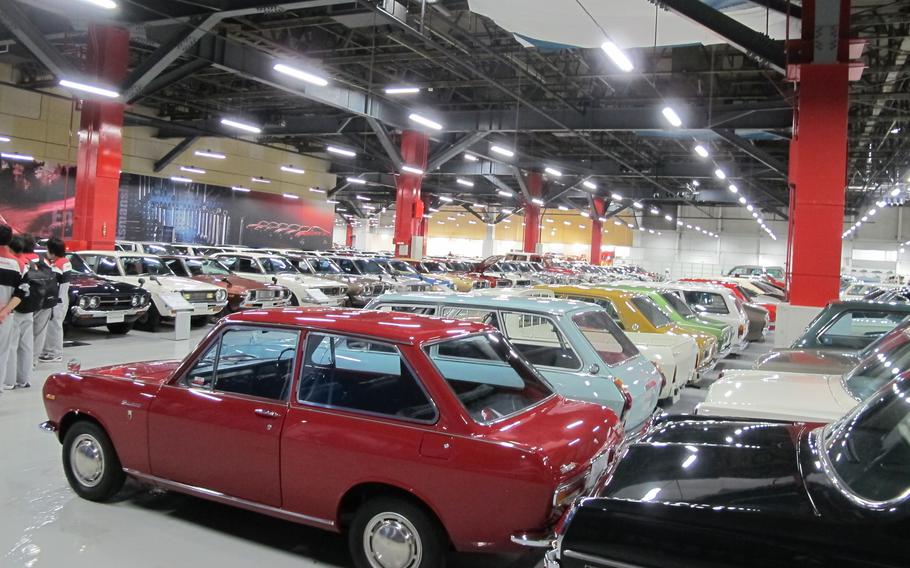
Nissan Heritage Collection (Photo by Takahiro Takiguchi/Stripes Japan)
Shopping mall and Romancecar Museum
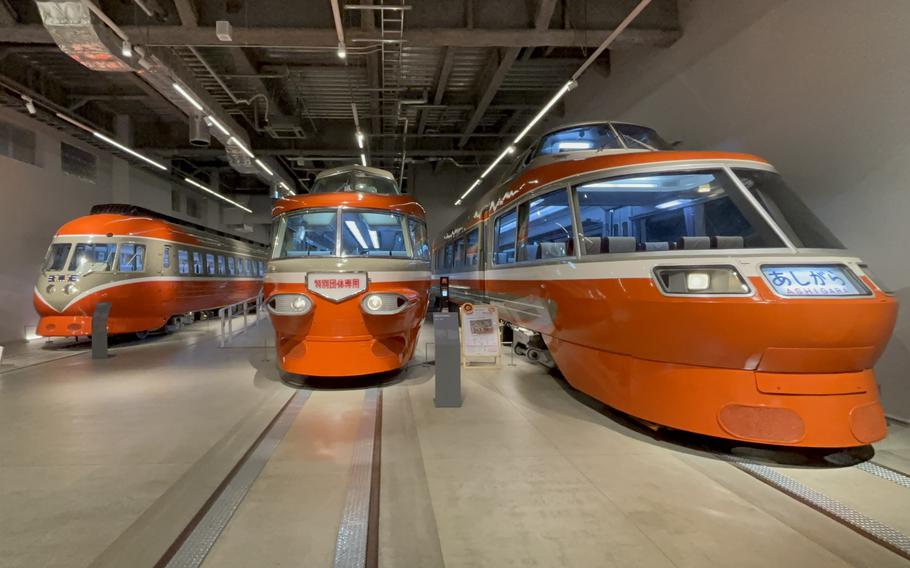
(Photo by Takahiro Takiguchi/Stripes Japan)
(Photo by Takahiro Takiguchi/Stripes Japan)
(Photo by Takahiro Takiguchi/Stripes Japan)
(Photo by Takahiro Takiguchi/Stripes Japan)
Take a six-minute train ride from Sobudai-mae to Ebina. The large town has an impressive central park, several shopping areas and movie theater near the station. Walk through the lively Vinawalk mall to enjoy some shopping and other activities like live music and workshops.
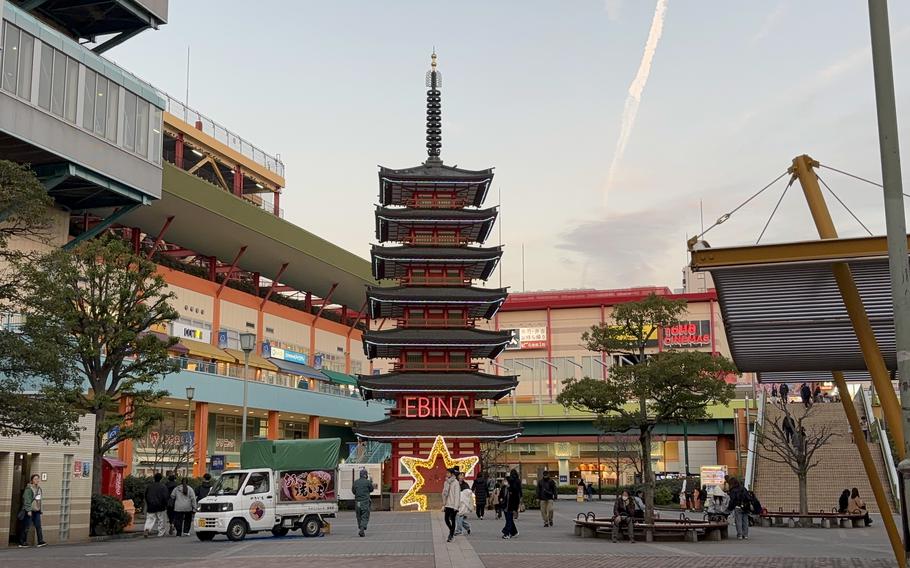
Ebina Vinawalk (Photo by Takahiro Takiguchi/Stripes Japan)
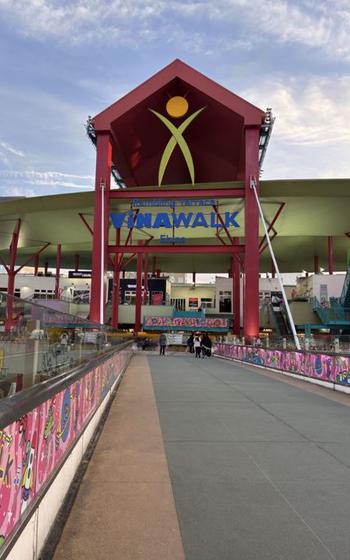
Ebina Vinawalk (Photo by Takahiro Takiguchi/Stripes Japan)
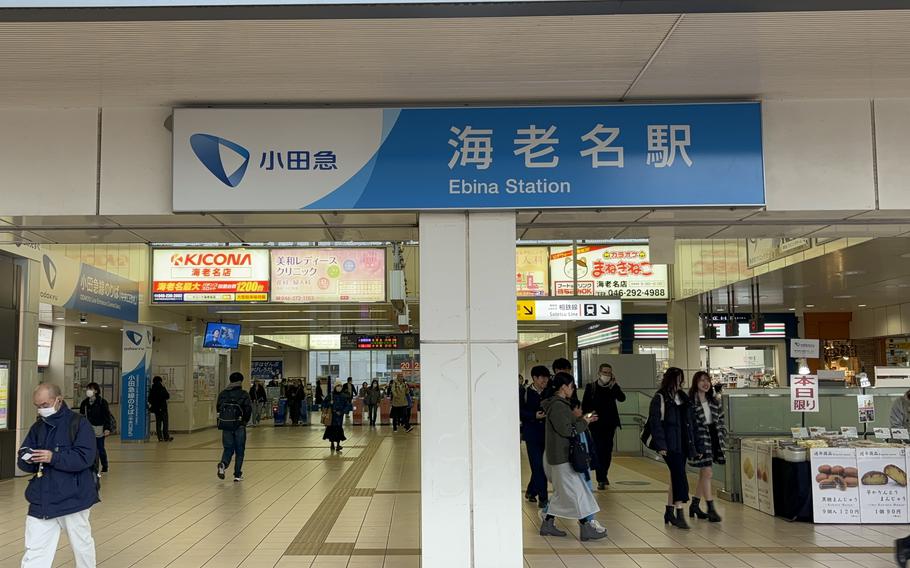
Ebina Station (Photo by Takahiro Takiguchi/Stripes Japan)
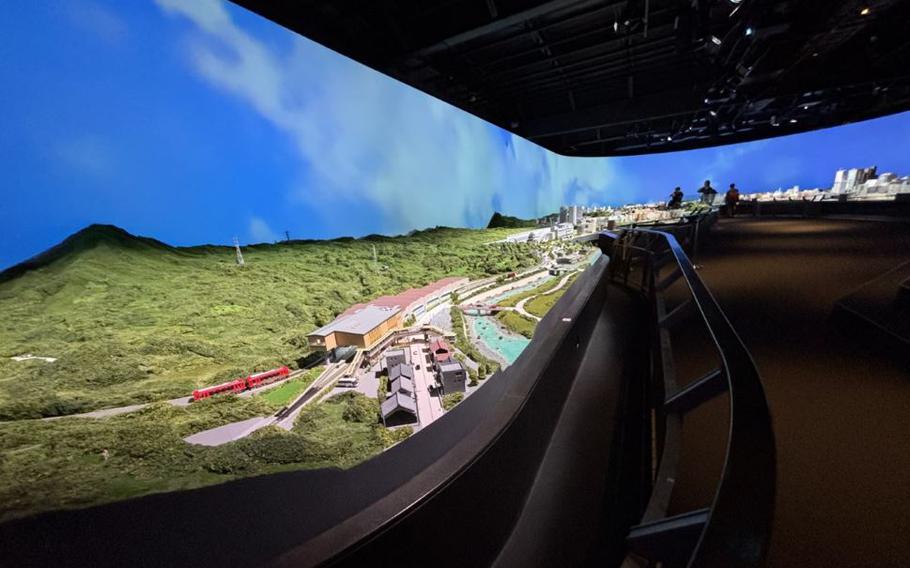
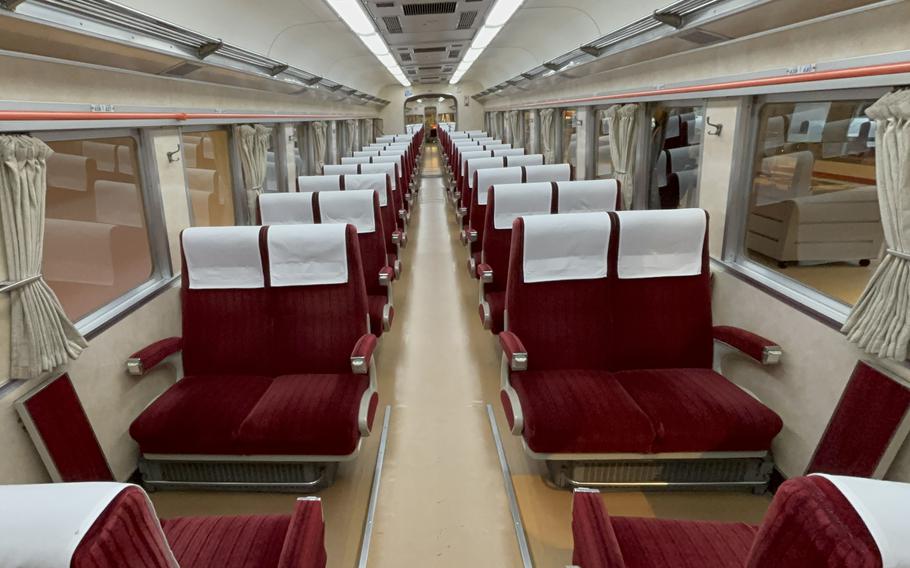
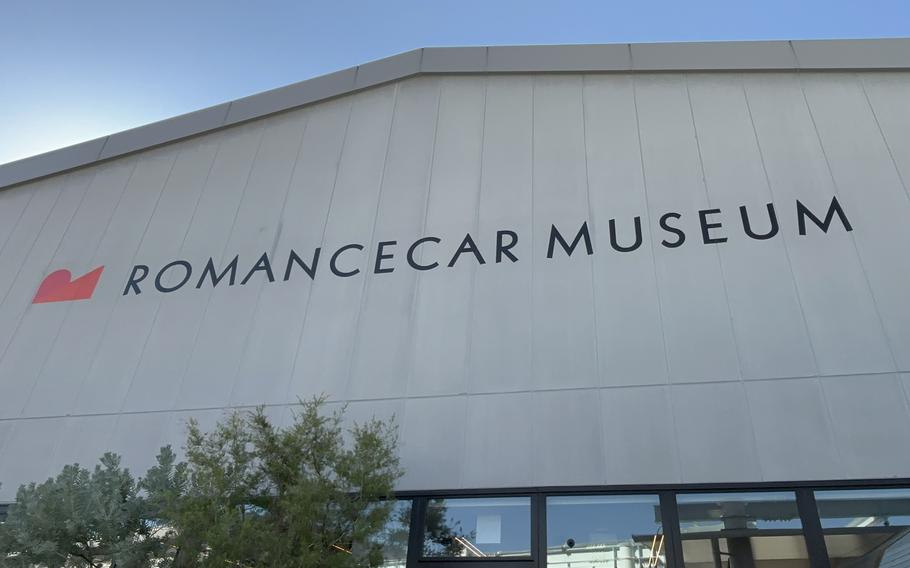
At the Romancecar Museum nearby, you can learn more about the Odakyu Line’s signature passenger train that transports visitors from Shinjuku Station to Hakone.
The Romancecar made its debut in 1957 and this beautiful vermillion, streamlined limited express train gets its name from its two-person “romance seats.” At the museum you can browse the historical train displays, try a driving simulation and let the kids enjoy Kids’ Park.
Zama Jinja (Shinto shrine): https://zamajinja.or.jp/gokitou/
Nissan Heritage Collection: https://www.nissan.co.jp/HERITAGE/
Ebina Vinawalk: https://www.odakyu-sc.com/vinawalk/
Odakyu Romancecar Museum: https://www.odakyu.jp/romancecarmuseum/
AloJapan.com