
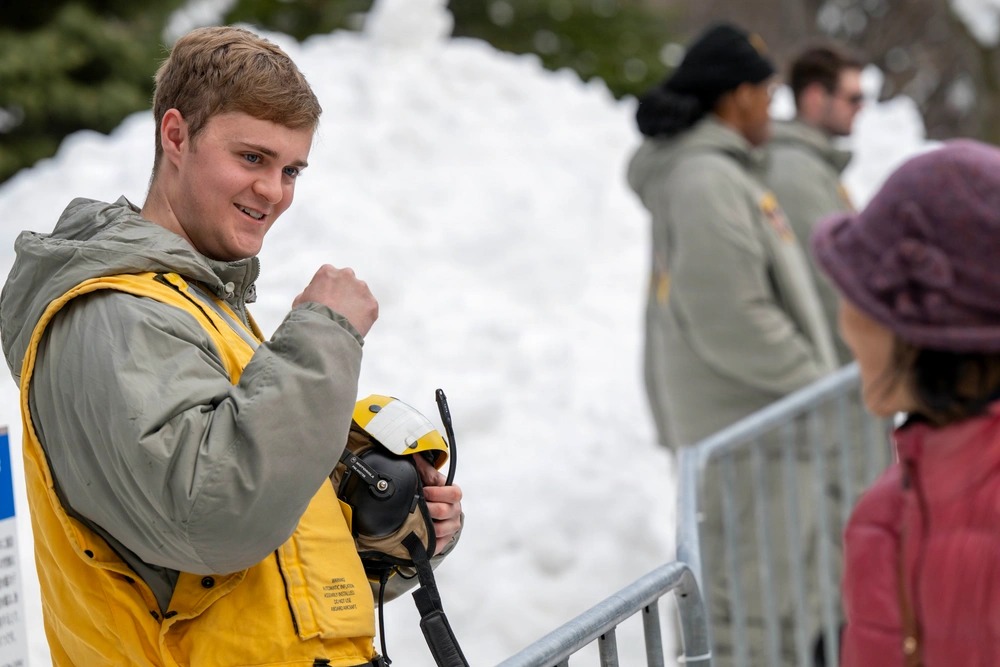
Right now, Sapporo is a beautiful city covered in snow. The 76th Sapporo Snow Festival is happening from February 4 to February 11, 2026. It began in 1950 when some high school students made snow statues in a park. Now, it has grown into a huge art show that attracts over two million visitors to Hokkaido.
Whether you’re braving the -10°C cold or watching from a distance, here’s how the “Yuki Matsuri” is changing the city this year.
The Three Parts of the Festival
The festival happens in three different places, each with its own winter charm:
Odori Park (The Main Area): This park is 1.5 km long in the city center. Here you will see big snow sculptures, including a huge 15-meter-high replica of Tsuruga Castle and a cool piece honoring The Mandalorian and Grogu.Susukino (The Ice Area): In the lively entertainment district, this area features ice sculptures instead of snow. Look for sculptures with real seafood frozen inside and the popular “Ice Bar,” where drinks are served in glasses made of ice.Tsudome (The Fun Zone): This is the favorite spot for families. Besides looking at sculptures, you can go snow-rafting, slide down big ice slides, or explore a snow maze.
2026 Highlights & New Features
This year’s festival is all about experiencing the fun.
Light Shows: After dark (around 4:30 PM), the big snow sculptures at Odori Park turn into screens for exciting light shows that tell stories about Hokkaido’s history and legends.Community Sculptures: Local groups also make more than 80 sculptures, often featuring popular culture, memes, or local heroes.Hokkaido Food Park: The 6-chome block of Odori is a great place to eat. Don’t miss the Crab Nabe (hot pot), butter corn ramen, or freshly grilled scallops to warm you up.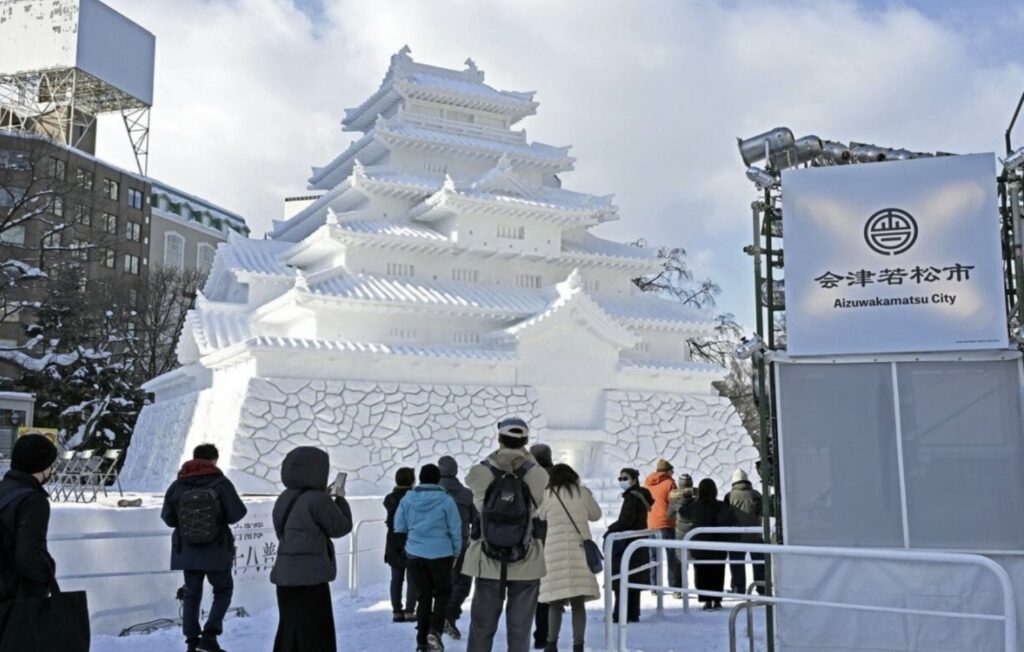
Tips for Your Visit
If you’re going to visit during the last few days of the festival:
Morning Visit: Go to Odori Park between 7:00 AM and 9:00 AM. You’ll avoid crowds, and the morning light makes the snow sculptures look stunning.Wear Good Shoes: The streets can be icy. Buy “shoe spikes” (anti-slip grips) at a convenience store for about 1,000 yen—they will help you walk safely.Dress Warmly: With temperatures between -11°C and 1°C, wearing thermal layers is essential. Use “Kairo” (disposable heat patches) in your pockets and boots to stay warm longer.
The Sad but Special Ending
One of the most special (and a bit sad) parts of the festival takes place on the morning of February 12th. To keep everyone safe as the sculptures start to melt, big machines called bulldozers tear down the huge artworks. This shows the festival’s message: beauty doesn’t last long, so appreciate it while you can.
AloJapan.com