
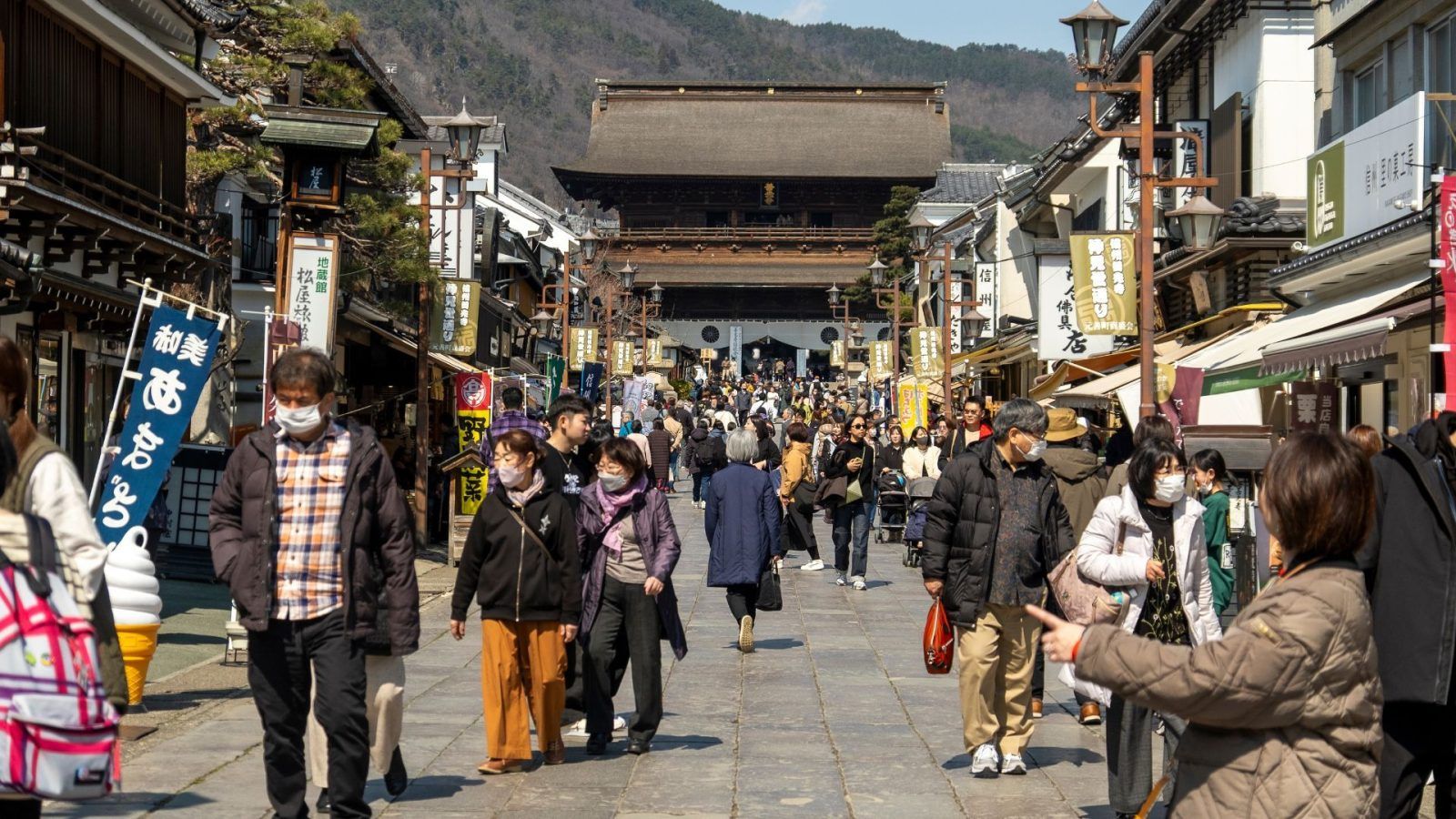
Nagano, Japan | Image credit: Hanneke Wetzer/Shutterstock
Driven by an overwhelming surge in visitors and a growing interest in making tourism work for local communities, many of Japan’s recent travel rules are designed to manage crowding while encouraging more sustainable ways of exploring the country.
Visiting Japan has virtually never been easier or more popular. The country has been making a huge push to attract 60 million annual international visitors by 2030, aspiring to double its 2024 record of 36.87 million. It has aggressively expanded its theme park industry, with Junglia Okinawa in Yanbaru being the most recent addition. It is also actively promoting destinations beyond the so-called “Golden Route” linking Tokyo, Kyoto, and Osaka and nudging tourists to look beyond major cities.
Japan also wants to position itself as a leader in tourism policy, and, reflecting this ambition, it has introduced several new travel rules in recent years, not unusual for a country often seen as reactive. While some of these measures aim to improve the visitor experience, others are designed to manage tourism’s impact on Japan itself, so the overall effect on travelling may still be complex. Here’s what you need to know:
Also, learn about the best city escapes that trade Japan’s neon skyscrapers for cedar forests, open skies and calm.
The travel rules shaping how visitors will explore Japan in 2026
Increased International Tourist tax (Departure tax)
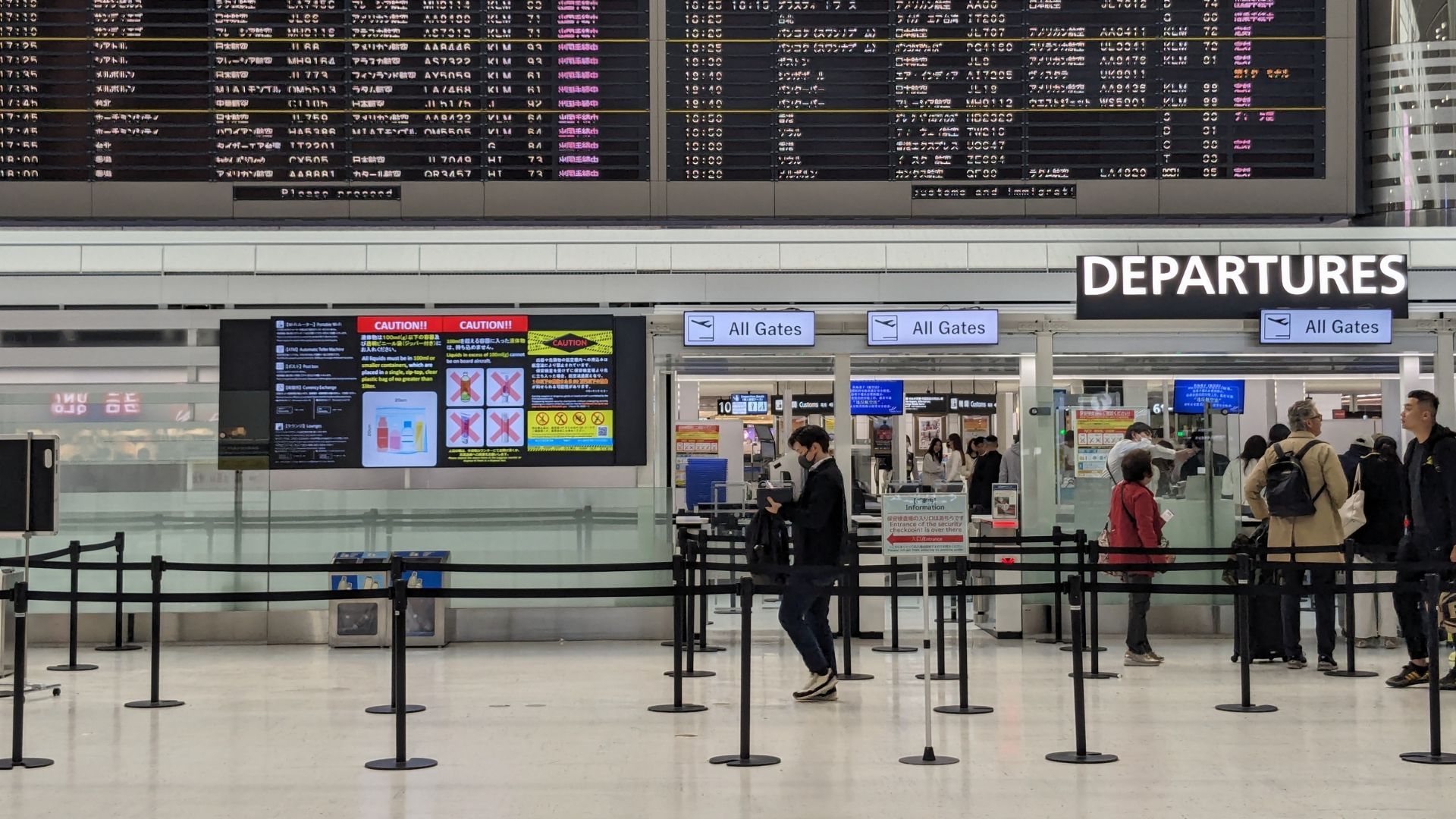 Narita Airport, Japan | Image credit: Shachima/Shutterstock
Starting July 1, 2026, Japan will raise its departure tax from JPY 1,000 (USD 6.47) to JPY 3,000 (USD 19.41) per person for travellers leaving by air or sea. The extra revenue is intended to improve tourism infrastructure and help manage visitor numbers, especially in popular destinations. You can read our reporting on what the tax is and how it will impact visitors.
Visa fees will see an anticipated bump
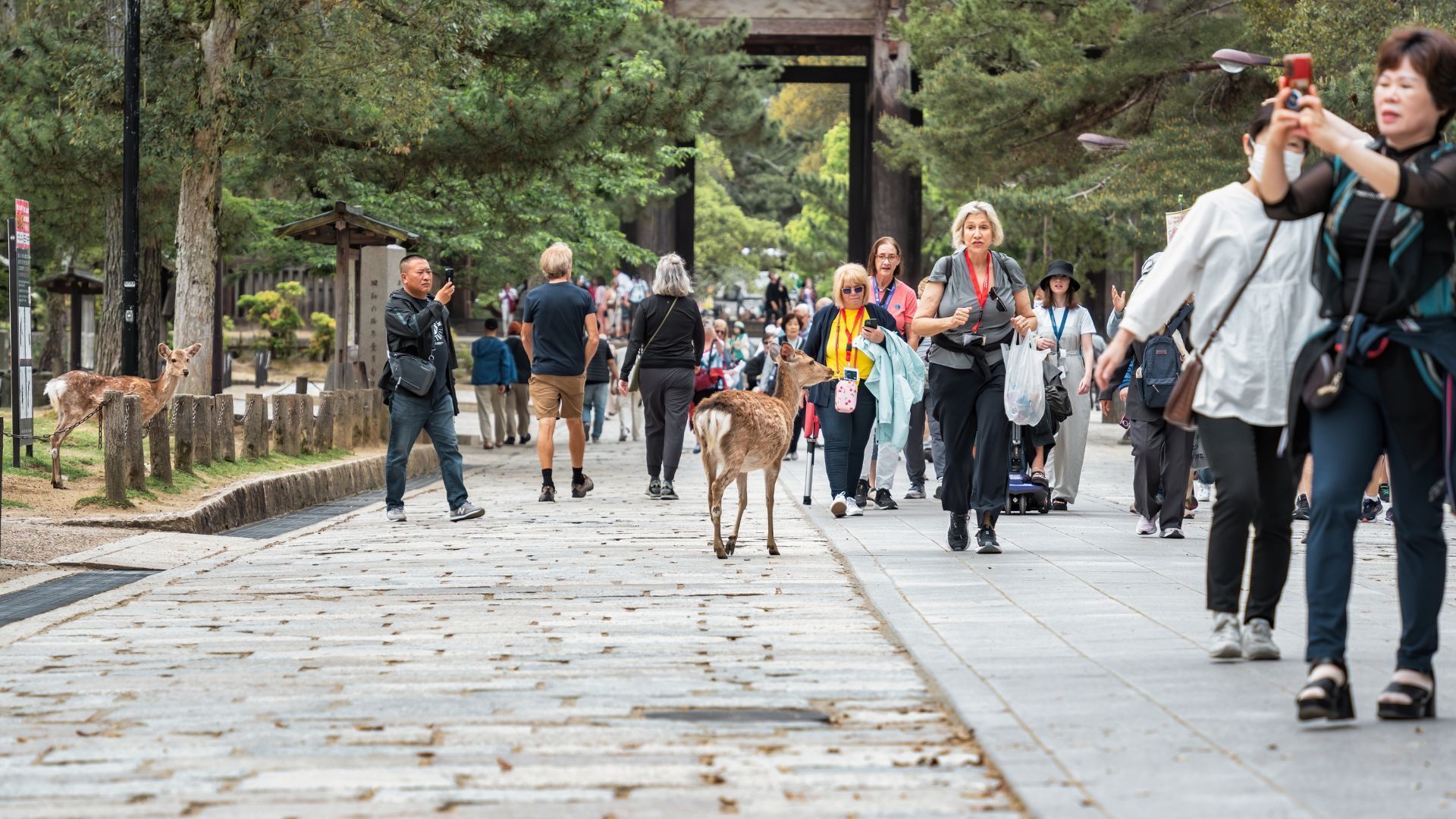 Nara, Japan | Image credit: Cristi Croitoru/Shutterstock
For the first time in decades, Japan is significantly increasing visa application fees for short-term visitors. Both single- and multiple-entry visas will become more expensive, bringing the costs closer to those charged by other developed countries. “The new fee schedule will take into account amounts charged by the Group of Seven countries and Organisation for Economic Co-operation and Development (OECD) member states. The exact scale of the increase will be finalised later,” reported Nikkei Asia.
Editor’s Note:
While the changes have not taken effect yet, announcements could be made within the current fiscal year. Travellers planning trips in the second half of the year should keep this in mind.
Also, check out our feature on exploring Japan’s beauty through day trips from Osaka.
Kyoto’s introduction of the tiered lodging tax
From March 1, 2026, Kyoto will introduce a tiered lodging tax, with rates ranging from JPY 200 up to JPY 10,000 per person per night for high-end accommodations. The goal? As you might have expected, it will fund preservation and crowd-management efforts in its historic districts.
As reported by Japan Forward, the current lodging tax rates look like:
JPY 200 (USD 1.30): for stays under JPY 20,000 (USD 130) per person per night
JPY 500 (USD 3.20): for stays between JPY 20,000 and JPY 50,000 (USD 130 to 320)
JPY 1,000 (USD 6.40): for stays above JPY 50,000 (USD 320) per person per night
Did you know?
Kyoto implemented its lodging tax in 2018, becoming the third municipality in Japan to adopt such a system.
Under the revised structure, the city will introduce five lodging tax tiers:
JPY 200 (USD 1.30): for stays under JPY 6,000 (USD 40) per person per night
JPY 400 (USD 2.60): for stays between JPY 6,000 and JPY 20,000 (USD 40 to 130)
JPY 1,000 (USD 6.40): for stays between JPY 20,000 and JPY 50,000 (USD 130 to 320)
JPY 4,000 (USD 26): for stays between JPY 50,000 and JPY 100,000 (USD 320 to 640)
JPY 10,000 (USD 64): for stays exceeding JPY 100,000 (USD 640) per person per night
The move to a refund-based tax-free system
Amid record tourism, Japan is considering doing away with duty-free shopping for foreign visitors and raising its departure tax as a way of replenishing government coffers without raising taxes on voters.
For more on this story, click here: https://t.co/ZnEHD3V1b6 pic.twitter.com/yLSvWK7jFm
— Nikkei Asia (@NikkeiAsia) June 12, 2025
Under a new rule effective April 1, 2025, visitors can no longer rely on separate delivery slips for tax-exempt purchases. Goods may need to be presented for customs review at the airport, ensuring proper application of consumption tax rules. Based on the FY2025 Tax Reform Proposals, the Ministry of Land, Infrastructure, Transport and Tourism highlighted that:
Delivery slips cannot be used as proof that tax-free items have been exported and do not qualify as evidence for tax-free eligibility.
You may still be eligible for a tax refund if the retailer arranges and completes the direct shipment of the tax-free items to your home address.
Also, check out our guide to Japan’s one-of-a-kind bullet trains.
Stricter requirements for the Business Manager visa
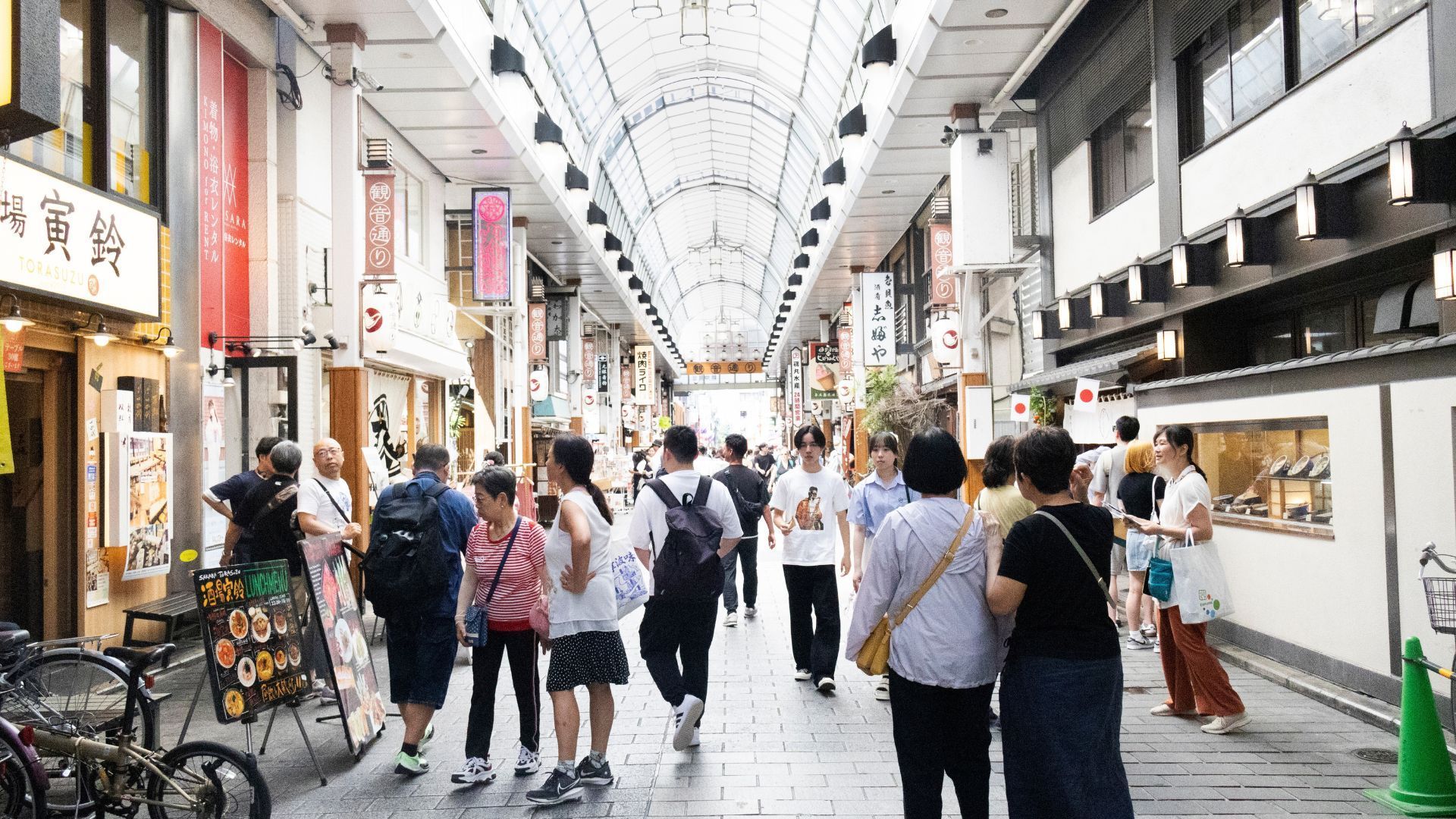 Kanto Region, Japan | Image credit: Anirut Thailand/Shutterstock
From October 9, 2025, Japan tightened rules for foreign entrepreneurs. Applicants for the Business Manager residency now require JPY 30 million in capital, up from JPY 5 million, along with at least three years of managerial experience or an equivalent qualification, raising the entry requirements for those aiming to live and work in the country.
Tighter entry rules for certain Uruguayan passports
 Image credit: magr80/Shutterstock
This rule is especially relevant for Uruguayan passport holders planning international travel. The Uruguayan government has reversed a recent passport change after raising alarms abroad. Earlier this year, new passports issued in April replaced the “Nationality” field with “Nationality/Citizenship” and removed the holder’s “Birthplace” entirely. It was that last change that caused international concern. Japan warned that travellers might be denied entry, advising Uruguayans to check with embassies before booking flights.
According to a note published by the Ministry of Foreign Affairs of Japan, “The new version of Uruguayan ordinary passport issued after April 16, 2025, which does not include a ‘place of birth’ on the personal data page, is not recognised as valid by the Japanese government. Therefore, these new passports will not be eligible for travel to Japan.”
They added, “The Japanese visa exemption arrangement applies only to Uruguayan nationals holding the old version of Uruguayan passports. Uruguayan nationals holding the old version of passports will remain eligible for visa exemption even if their passports were issued after April 16, 2025.”
Also, check out our guide to the Shinkansen network to navigate the country with ease.
Coming soon — Japan Electronic System for Travel Authorisation (JESTA)
Japan will introduce a new travel authorisation system, JESTA (Japan Electronic System for Travel Authorisation), by the end of fiscal 2028. Similar to the US, it will require travellers from over 70 visa-exempt countries to obtain online approval before arrival. Currently, short-term visitors can enter Japan without a visa, so this rule will only impact travellers after 2028.
JR East will retire its beloved Suica penguin
【発表】JR東日本「Suica」のペンギン、来年度末で「卒業」へhttps://t.co/8z5oVW0Yjz
今後は、新しいキャラクターにバトンタッチするとしている。Suicaは2001年にサービスが始まり、ペンギンは当初からキャラクターに起用された。「広告の顔」となってきたほか、カードの券面にも登場している。 pic.twitter.com/6q3DD3Tx5Z
— ライブドアニュース (@livedoornews) November 11, 2025
Not a rule or anything, but for how long Suica’s penguin has been around in Japan, it kinda feels mandatory to see it, so yeah, we’re sad. JR East just announced the iconic Suica penguin is “graduating” as part of a glow-up, turning the transit card and app into a full-on mobile fintech platform. Since 2001, this little penguin has been riding the trains and chilling on apps across Tokyo, basically a daily companion for millions. Farewell, tiny penguin, your legacy will be forever tucked in our wallets.
Shop the best travel experiences here
Feature image credit: Hanneke Wetzer/Shutterstock)
Related: Japan’s Most Anticipated New Hotels: The 2025 Openings and 2026 Arrivals Worth Knowing
Note:
The information in this article is accurate as of the date of publication.
We may earn an affiliate commission when you shop through links on our site.
Share:

Written By

Sneha Chakraborty
Sneha Chakraborty is a journalist and photographer covering how travel intersects with food, culture, ..Read Moreand identity. Her reporting has appeared in National Geographic Traveller India, Lonely Planet, Conde Nast Traveller, Vogue India, and Hindustan Times, where she spent two years on staff as a correspondent covering travel and culture. She is an alumna of the University of Westminster`s Westminster School of Media, Arts and Design. Currently based in Delhi, she grew up in various cities across India and has lived in Amsterdam, and London. Read Less
AloJapan.com