
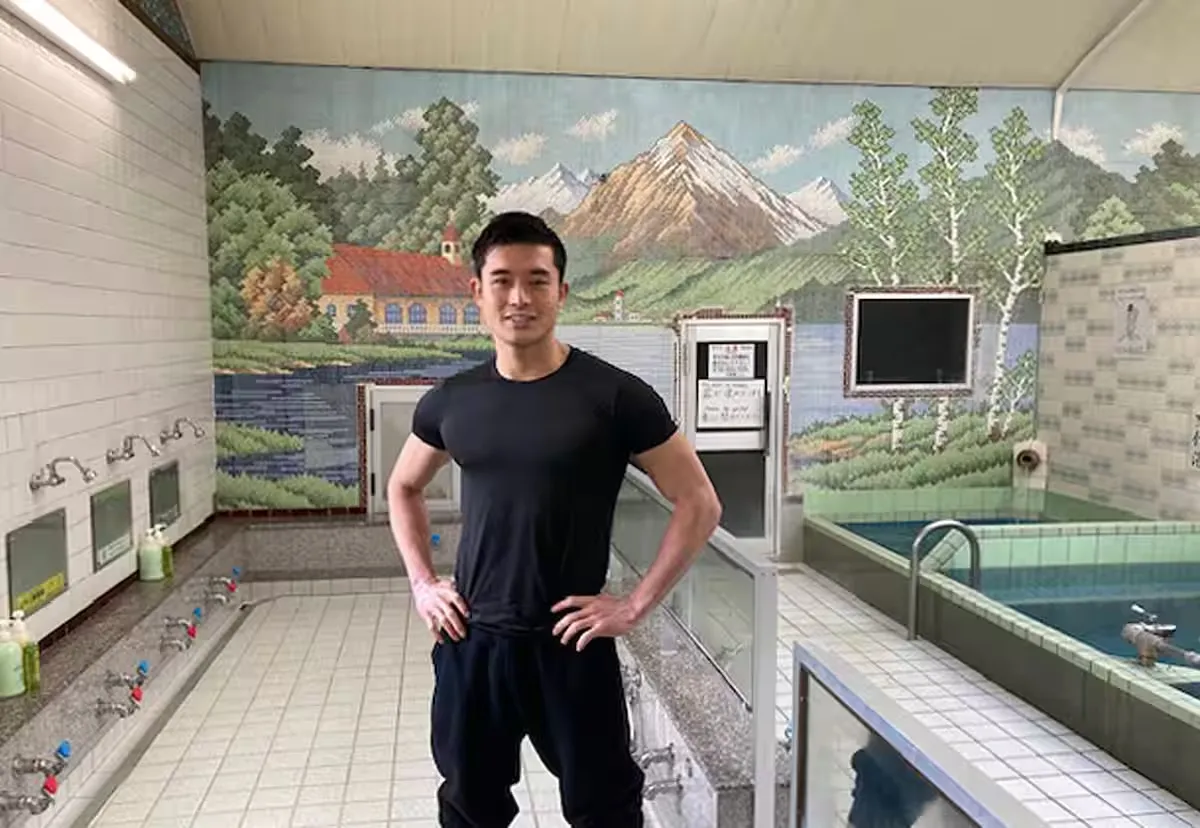
One by one, sento (public bathhouses) are disappearing from cities. Aging owners, a lack of successors, and soaring fuel costs are often cited as reasons.
At the same time, sento are gaining a new fanbase. Their Showa-era retro atmosphere has begun to attract younger generations, and the recent sauna boom has further fueled a movement to reexamine their value.
One such bathhouse that was in danger of closing is Daikoku-yu in Kyoto City. It was saved by a Kyoto University student driven by a desire to protect the culture of public bathhouses.
Where Geisha Unwind
Daikoku-yu, said to have been founded in 1916, has long been patronized by geisha and maiko from the Miyagawa-cho district. After finishing work late at night, they would walk there, untie their traditional hairstyles, wash away bintsuke hair wax, and soak in the large baths. It was a place where they could relax both body and mind.
In February 2025, the owner of the sento posted a sign at the entrance reading, “We will be closed for a while.” Less than two months later, it was replaced with another: “We are closing permanently.”
As a result, geisha and maiko began traveling by taxi to another bathhouse, Sauna no Umeyu, over a kilometer away in Shimogyo Ward. Seeing this, Kyoto University student Kota Takebayashi quietly hoped Daikoku-yu could somehow be brought back to life.
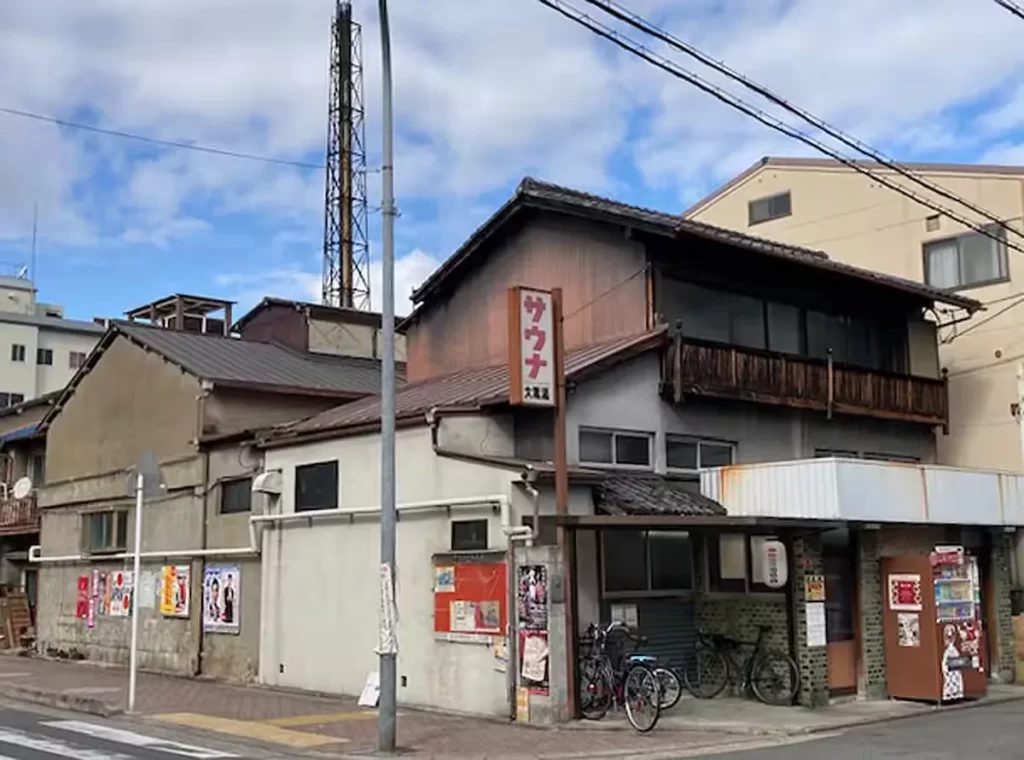 Daikoku-yu, said to have been founded in 1916, in Higashiyama Ward, Kyoto City.
A Lifelong Love of Sento
Kota Takebayashi, 27, is a seventh-year student in the Faculty of Engineering at Kyoto University. He is currently on leave and works part time at a sento called Umeyu.
Since high school, he has traveled around Japan by bicycle, enjoying encounters and conversations with people he met at bathhouses along the way. Unable to forget those experiences, he continued visiting sento around Kyoto after entering university. Daikoku-yu was one of them, and he especially loved its extremely hot water, around 48–49°C (118.4–120.2°F).
Umeyu is operated by Yutonamisha, a company that specializes in taking over and preserving sento businesses. Their motto is “Don’t let sento disappear from Japan,” and they also train future operators. Umeyu became their first acquired bathhouse about ten years ago.

Taking on the Challenge
After learning of Takebayashi’s feelings, the company asked whether he would like to try running Daikoku-yu. He was a complete novice at operating a sento, but knowing he would receive their support, he decided to take on the challenge.
To focus on management, he took a one-year leave of absence from university. He borrowed a total of ¥5 million JPY (around $30,000 USD) from banks and acquaintances as start-up capital. With this, he repaired aging equipment and thoroughly cleaned the grimy bathing area and changing rooms. Friends from Kyoto University volunteered to help with the work.
On September 1, 2025, the bathhouse reopened.
Reopening and Reconnecting
“It’s been so long. I’ve missed you,” he heard customers saying to each other. Most people have baths at home, yet they come to Daikoku-yu to meet others and enjoy conversation.
Higashiyama Ward, where the sento is located, has Kyoto City’s second-highest aging rate at 31.1% as of October 1, 2025, and many elderly residents live alone. He believes a sento can also be a place where people can look out for one another.
“We were able to revive a local community,” he says. In a modern society where neighborhood ties have faded and human relationships have become more individualistic, he has come to strongly feel that sento are indispensable places with an essential social function.
Balancing Community and Business
Running the business has proven tougher than expected. Although monthly finances are in the black, bathing fees are capped by prefectural regulations and cannot be raised freely. To repay debts and stabilize operations, he needs to attract new customers, and he is placing his hopes on inbound tourism.
At the same time, if regulars drift away and the community he helped restore falls apart, it would defeat the purpose. The challenge is finding a way for both longtime customers and new visitors to coexist and communicate smoothly.
Takebayashi is fluent in English, and many staff members are returnees from abroad or international students, which could become a strong advantage.
Daikoku-yu closed temporarily on February 1 for one month of renovation work. Takebayashi is currently applying for an additional ¥5 million loan from a bank. “With a grand reopening, I want to raise customer satisfaction and increase sales,” he says with renewed determination.
He is also seeking supporters and investors for Daikoku-yu through crowdfunding.
RELATED:
(Read the article in Japanese.)
Author: Yoshitaka Ando, The Sankei Shimbun
Continue Reading
AloJapan.com