
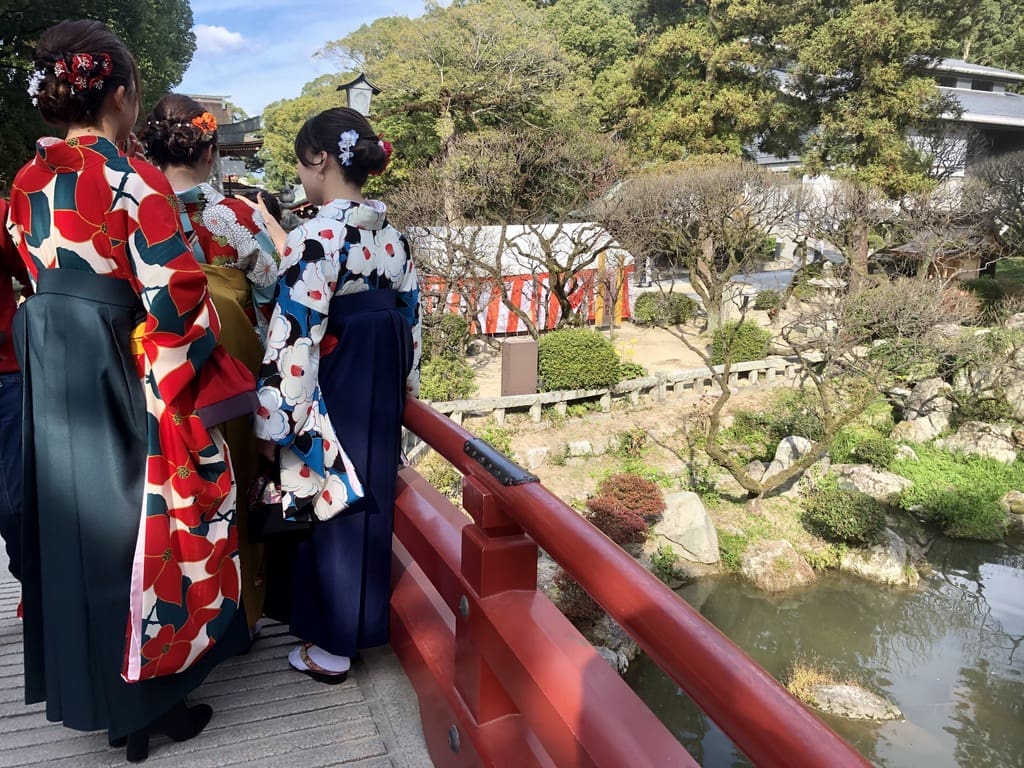
More than 1 million Aussies visited Japan in 2025, a record number. The obvious question, then, is how to travel to Japan without having to elbow your way through the crowds.
As cliché as it sounds, the simple answer is to get off the beaten track more. Because, despite the herds of Japan-bound tourists, there are still relatively unexplored paths to venture down away from the packed Golden Route and snowfields.
Tim Oakes, managing director of Inside Travel Group in Australia, says that’s already happening.
“Travel to Japan is continuing to soar, but what’s exciting to see is travellers looking beyond the key tourist hubs,” he tells Karryon.
“We are seeing a shift towards travellers visiting more off-radar regions for authentic experiences away from the crowds.”
Inside Travel, the parent company of Japan travel specialist InsideJapan, saw a record year of its own in 2025, with 16,000 customers globally. It also upped its sales revenue by a healthy 22 per cent.
▼ ADVERTISING ▼
“But the real story is how we’ve helped disperse travel to communities that are calling for more visitors,” Oakes says.
“InsideJapan, our cultural adventure specialist brand, sent travellers to more than 200 destinations as part of a coordinated strategy to spread visitation across five under-touristed regions: Toyama, Nagasaki, Yamaguchi, Nagoya and Aomori.
“We saw room nights in Toyama surge by 870%, and overall bookings to these regions doubled to 1,000 nights, with further expansion planned for 2026.”
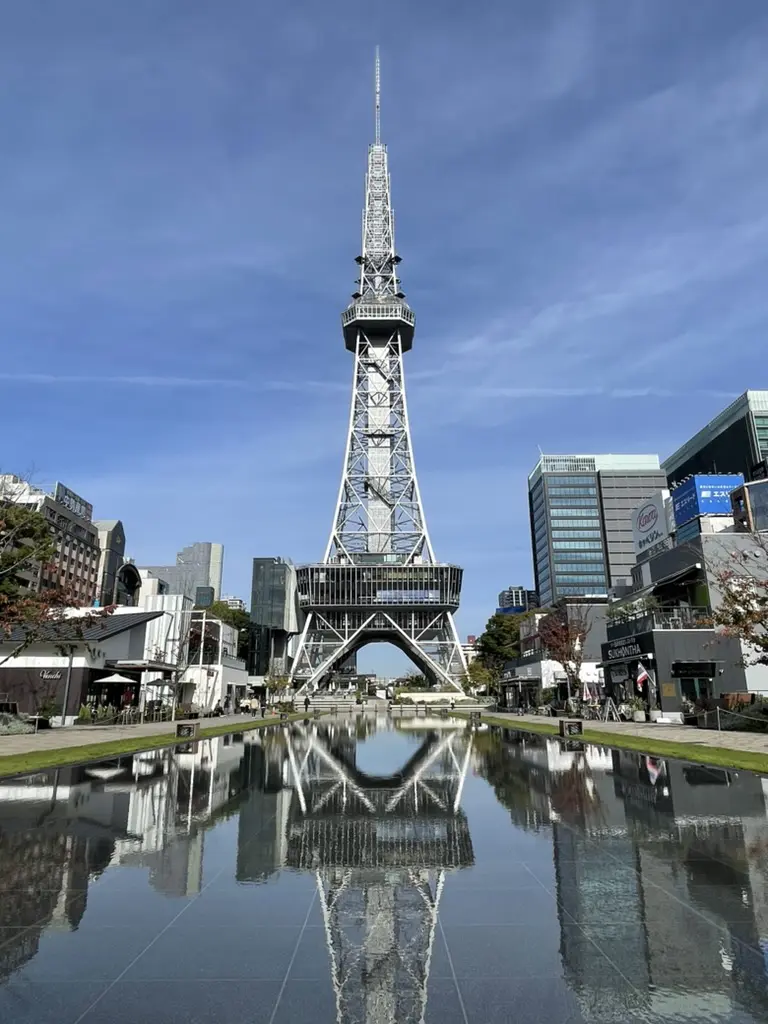 Nagoya’s TV Tower is a familiar sight in the city’s skyline.
Southern exposure
Although they’ve also risen in popularity, two regions – Kyushu and Okinawa – offer other relatively fresh destinations to explore.
Kyushu, the southernmost of Japan’s four main islands, says hitting the 1 million visitor mark means it can welcome more travellers “seeking deeper, more authentic experiences”.
“We’re seeing a positive shift: visitors are venturing beyond the well‑known urban gateways and discovering Kyushu’s volcanic landscapes, hot springs, coastal culture and incredible food,” the Kyushu Tourism Organization tells Karryon by email.
“This growth in regional dispersion brings significant positive outcomes, such as supporting local communities, sustaining traditional industries and encouraging the preservation of cultural and natural heritage.”
 The Nagasaki Atomic Bomb Museum.
Okinawa Tourism says Australians’ growing awareness of the country’s southernmost and westernmost prefecture is “one of the most encouraging developments we’ve seen in recent years”.
“More visitors are discovering that Okinawa offers a completely different side of Japan, ranging from the history, culture and experiences, whilst still holding strong Japanese values in all that Okinawa has to offer,” Okinawa Tourism tells Karryon, highlighting the islands’ “natural beauty, wellness traditions and immersive cultural experiences”.
“This rising interest not only highlights Okinawa’s unique appeal but also supports our long‑term vision to showcase the diversity of Japan’s southernmost prefecture.”
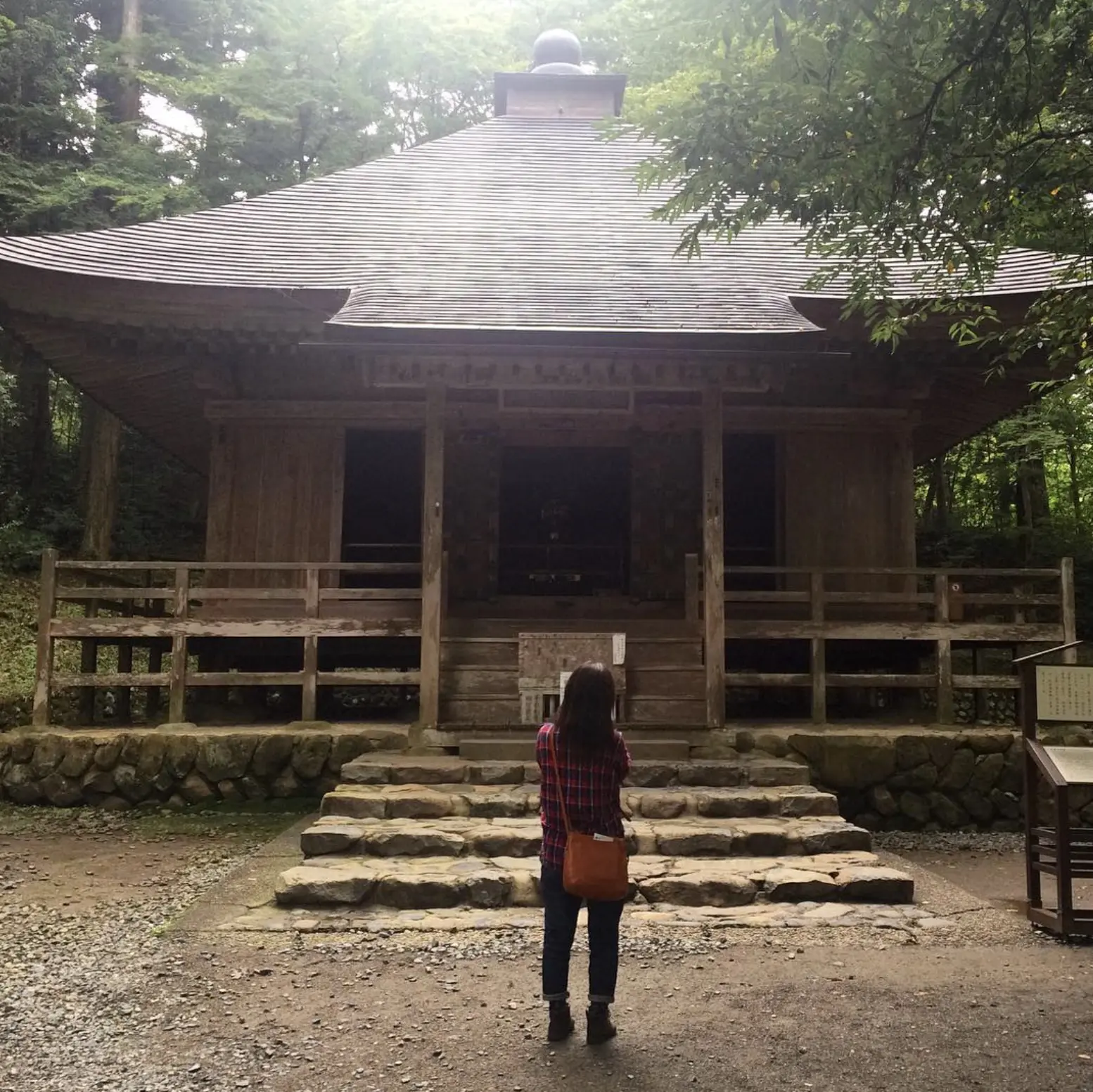 A 12th century shrine in Tohoku.
JNTO Sydney Executive Director Naoki Kitazawa says Aussies are also making fresh tracks to prefectures like Gifu, Iwate and Niigata. Elsewhere, regions like Tohoku are also less crowded.
“During 2026, we are encouraging Australian travellers, to take the time to travel far and wide and discover the lesser-known regions of Japan, from rural retreats and remote hiking trails to coastal camping and tranquil islands, in order to raise awareness of Japan’s diverse experiences, and to share the economic benefits nationwide,” Kitazawa says.
But as it does in any fast-emerging destination, Tim Oakes adds that with great growth comes responsibility.
“As Japan’s popularity continues to rise, we all have a role to play in managing impact and ensuring tourism not only creates meaningful experiences for travellers, but also supports local communities and preserves cultural heritage for generations to come,” he says.
KARRYON UNPACKS: The opportunity for Japan is smarter dispersion. For Aussie travellers and travel advisors, differentiation now lives beyond the Golden Route – where regional Japan, community benefit and better experiences win.
All images by Mark Harada.
AloJapan.com