
Last month, I found myself crammed into my friend’s studio apartment, helping her rearrange furniture for the third time that week. We’d been pushing her couch against different walls, trying to create distinct “zones” for sleeping, working, and relaxing in her 400-square-foot space.
Nothing worked. The room felt cluttered no matter what we did, and we were both exhausted from hauling that massive sectional around.
“Maybe I need a smaller couch,” she sighed, collapsing onto it dramatically. But as I looked around her place, something clicked. The problem wasn’t just the size of her furniture—it was how high everything sat. Her couch, bed frame, coffee table, even her bookshelf, all towered at standard Western heights, making the space feel boxed in.
The solution? Japanese interior design.
The radical simplicity of staying low
Here’s what most of us in the West completely miss: Japanese apartment dwellers have been perfecting small-space living for generations, and their secret weapon is surprisingly simple. They keep their furniture low to the ground.
Keiji Ashizawa, an architect and product designer, explains that low-profile furniture mirrors traditional Japanese living rooms, where people would typically sit on the floor.
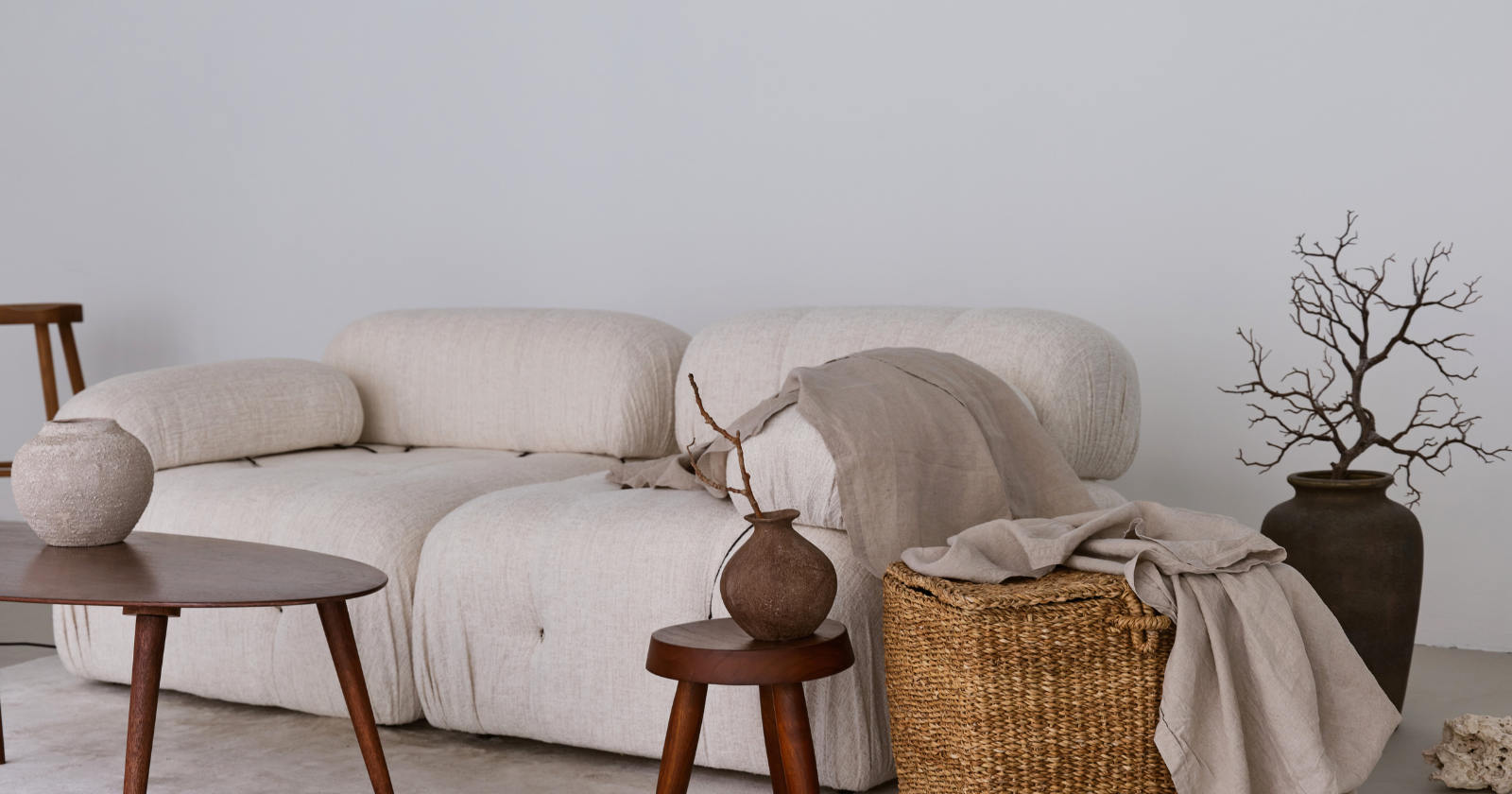
This approach isn’t just about tradition, though. When you lower your furniture profile, something magical happens to your space. The walls suddenly seem taller. The room breathes. Natural light flows more freely across the space without being blocked by the backs of chairs or tall entertainment centers.
Think about it—when you walk into a room filled with standard-height furniture, your eye level constantly hits obstacles. But with low-profile pieces, your gaze travels uninterrupted, creating an illusion of expansiveness that no amount of decluttering alone can achieve.
Why Western homes feel cramped (even when they’re not)
Have you ever wondered why your apartment feels smaller than it actually is? We’ve been conditioned to fill our vertical space with furniture that sits at specific heights—dining tables at 30 inches, coffee tables at 18 inches, sofas with backs reaching 36 inches or higher.
These measurements made sense in traditional Western homes with high ceilings and separate rooms for different activities. But in modern apartments, especially smaller ones, this furniture scale works against us. We’re essentially building walls within walls.
Meanwhile, Japanese design philosophy takes a completely different approach. A traditional Japanese house does not have a designated use for each room aside from the entrance area, kitchen, bathroom, and toilet.
This multipurpose mindset naturally led to furniture that could adapt—low tables that could be moved aside, floor cushions that could be stacked away, beds that barely lifted off the ground. The entire living space remained flexible and open.
The psychology of living closer to the ground
During a particularly stressful work period last year, I started experimenting with this concept in my own home office corner. I swapped my standard desk for a low writing table and traded my office chair for a meditation cushion. The change felt awkward at first—my laptop was suddenly at a different angle, and getting up required more effort.
But something unexpected happened. Working closer to the ground made me feel more grounded, literally and figuratively. The room felt calmer, less chaotic. Even my partner noticed the difference when he’d peek in during video calls. “Your background looks so zen now,” became a common comment from colleagues.
There’s actual logic behind this feeling. When furniture sits lower, it creates more negative space—empty areas that give our eyes and minds a place to rest.
Making the shift without buying all new furniture
Now, before you start panicking about replacing everything you own, let me share what actually worked when I helped my friend transform her studio. We didn’t buy a single new piece of furniture initially. Instead, we got creative.
We removed the legs from her bed frame, instantly gaining eight inches of visual space. Her bookshelves? We turned them horizontal, creating long, low storage units that doubled as surfaces for plants and decor. The couch was trickier, but we found that removing the back cushions and using large floor pillows instead created a lower profile while maintaining comfort.
The transformation was immediate. Her studio suddenly felt like it had breathing room. Friends who visited couldn’t quite put their finger on what had changed, but everyone agreed the space felt bigger, calmer, more inviting.
The unexpected benefits no one talks about
What surprised me most about adopting lower furniture wasn’t the visual space gain—it was everything else that came with it. Sitting closer to the ground throughout the day improved my posture. Getting up and down more frequently increased my daily movement without feeling like exercise.
There’s also something to be said about how this setup changes social dynamics. When friends come over now, we naturally gravitate toward sitting on floor cushions around my low coffee table. Conversations feel more intimate, more relaxed. Nobody’s perched on a throne-like chair looking down at others. We’re all on the same level, literally.
Even cleaning became easier. With furniture closer to the ground and less visual clutter at eye level, keeping things tidy felt less overwhelming. Dust doesn’t accumulate on tall surfaces you can’t see. Everything remains within easy reach.
Final thoughts
The beauty of this Japanese furniture principle lies in its simplicity. While we’re busy buying organizers, installing shelves, and constantly rearranging, we’re missing the most fundamental solution: changing our perspective by lowering it.
You don’t need to turn your home into a traditional Japanese dwelling to benefit from this wisdom. Start small. Try eating dinner at a coffee table while sitting on floor cushions. Lower your bed frame. Replace one tall bookshelf with a horizontal alternative.
The goal isn’t to live exactly like Japanese apartment dwellers but to borrow their most brilliant insight: sometimes the best way to create space is to stop filling it vertically. Your small apartment might just surprise you with how spacious it can actually feel.
AloJapan.com