
Show summary Hide summary
Summary:
Mountain routes are closing more often after rockfalls and landslides.
Switzerland had 70+ trails closed into late autumn in some areas.
Mount Rinjani (Lombok) closed all hiking trails until March 31, 2026.
Mount Fuji raised its fee to 4,000 yen and set a 4,000 hikers/day cap on the Yoshida Trail.
Madeira expanded a non-resident fee to all recommended trails from January 2025.
In Italy’s Dolomites, a local protest even involved a temporary turnstile toll on a scenic path.
Hiking used to feel like the easiest part of a trip: pick a trail, pack water, and go. Now, some of the most popular routes can be closed overnight, restricted at certain times, or tied to a fee you did not expect. Spontaneous hiking is still possible, but it takes a little more planning than it did a few years ago.
At the same time, the reasons are often straightforward. In mountain areas, safety conditions can shift quickly after heat, rain, or slope movement. And where crowds keep growing, landowners and local authorities are under pressure to fund maintenance and reduce damage. If you know what’s changing, you can still have a great hike, without showing up to a closed trailhead.
Dubai’s “Gold Street” is coming to Deira: here’s what we knowVal di Funes without the traffic: What changes for Santa MaddalenaWhen the mountains loosen up
In the Alps, closures are increasingly tied to rockfalls and landslides. One striking example came from Italy’s Brenta Dolomites, where hikers were evacuated from the slopes of Cima Falkner after a sudden spike in landslides, which experts linked to thawing permafrost. Rock instability is not theoretical on exposed terrain, it is a real, immediate reason for restrictions.
Switzerland saw similar disruption. More than 70 routes were closed for safety, from Lower Engadine in the east to Lower Valais near the French border, and some stayed shut until late autumn. A spokesperson for Schweizer Wanderwege, Vera In-Albon, pointed to a mix of drier summers, heavier rainfall, hotter days, and less snowy winters as factors that raise risk. Weather extremes do not just change the view, they can change whether a trail is safe to walk at all.
What this means on the ground (practical signs to respect)
Official “closed” notices or taped-off sections, even if other hikers ignore them.
Fresh debris on the path, or new scouring after heavy rain.
Sections where the trail edge looks undercut, cracked, or recently repaired.
Warnings about rockfall, torrents, or slope movement near steep faces.
Popular trails, new rules at the gate
Crowds are pushing many places toward clearer access rules. Sometimes that means limits and fees, sometimes it means temporary shutdowns to reduce accidents during risky seasons. On Indonesia’s Lombok island, authorities closed all hiking trails in Mount Rinjani National Park until March 31, 2026, citing safety concerns during the rainy season. The park’s director, Budhy Kurniawan, also framed the closure as a way to give the mountain time to recover from heavy use. Seasonal closures are becoming a normal part of hiking calendars in some destinations.
Japan’s Mount Fuji shows the other main direction: tighter control rather than a full closure. The access fee for the Yoshida Trail doubled to 4,000 yen (about €24.70), and the same fee was applied to three routes that had been free before. Authorities also introduced a daily limit of 4,000 hikers on the Yoshida Trail to reduce crowding. Timed accessand daily caps can change your whole plan, especially if you like starting late.
Fees are spreading, and not just on one trail
If you hike in 2026, assume some famous routes may come with a price tag. Madeira is a clear example. A non-resident fee that first applied to some of the busiest trails was extended to all recommended trails in the Portuguese archipelago starting January 2025. The goal is to manage visitor flow and fund trail upkeep, cleaning, and protection work. Pay-to-hike is no longer rare in high-pressure destinations.
Italy has its own version of the same tension. In the Dolomites, the Seceda area became a symbol of friction between locals and tourist crowds. A scenic route with views of the Odle peaks drew so many visitors in summer that local farmers briefly installed a turnstile toll in early July as a protest. In their statement, they complained about neglected paths and meadows left with litter, and said they needed money to offset damage and pay for maintenance. Landowner pushbackis a sign that some “free access forever” assumptions are breaking down.
Quick table: what the new hiking landscape looks like
PlaceWhat changedWhat to do as a travelerCima Falkner, Brenta Dolomites (Italy)Evacuations after landslide riskKeep a flexible route plan, avoid exposed areas after warningsSwitzerland (Lower Engadine to Lower Valais)70+ trails closed, some into late autumnCheck official updates right before you goMount Rinjani (Lombok, Indonesia)Trails closed until March 31, 2026Pick an alternative destination, do not gamble on reopeningMount Fuji (Japan)4,000 yen fee, 4,000/day cap on Yoshida TrailStart early, confirm access rules, budget for feesMadeira (Portugal)Non-resident fee extended to all recommended trails (Jan 2025)Plan for paid access and follow the official trail networkSeceda / Odle route (Italy)Temporary local toll protestExpect crowd controls and respect local guidance
The “no surprises” hiking plan for 2026
You do not need to overplan, but you do need a system. The easiest mistake is relying on an old blog post or a GPX track from last summer. In a season where trails can close after storms or slope movement, last year’s info can be useless.
Where to travel each month: 12 smart trips, zero guessworkOulu 2026: the key dates to plan your Finland trip around
A simple checklist that actually works
The day before: check the official trail status, not just a forum or social post. Official updates matter most.
Build a Plan B: another trail nearby, ideally lower and less exposed. Backup routes save trips.
Start earlier: it helps with crowd limits, heat, and afternoon weather swings. Early starts are an advantage.
Carry basics even on short hikes: water, layer, headlamp, and a way to navigate if signage changes. Small kit, big comfort.
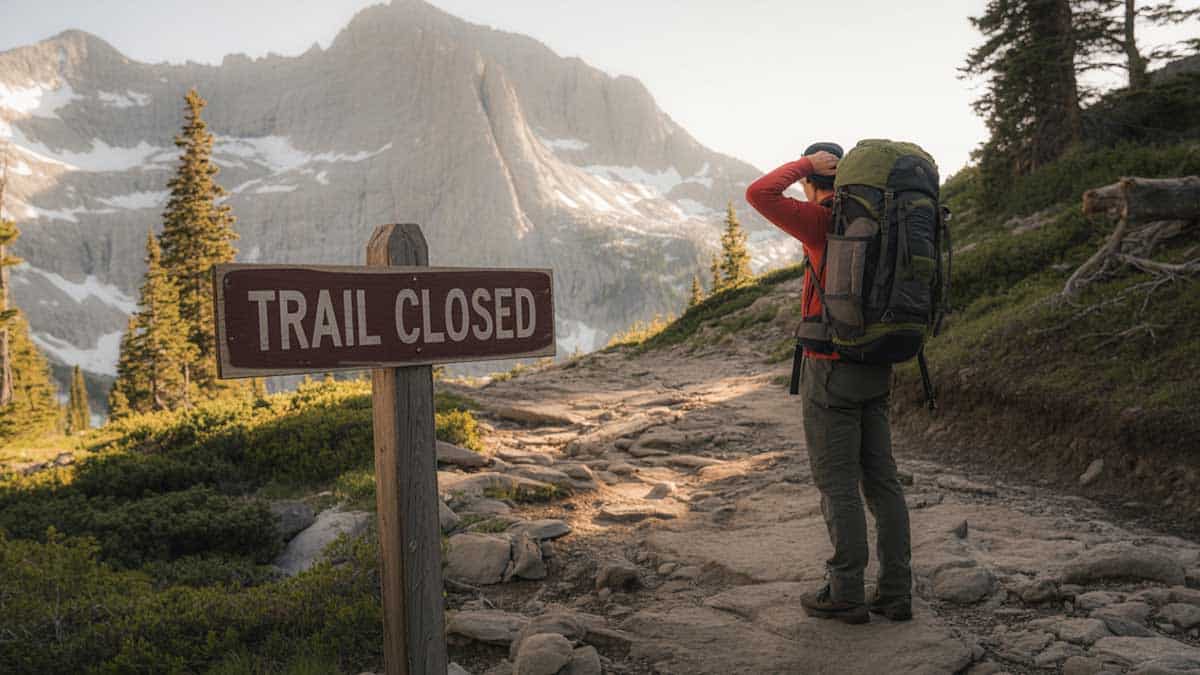
If a trail is closed, treat it as final. Turning back is annoying, but it beats a rescue call.
A final tip that keeps trips fun: ask locally for an alternative route with a similar view. The best day of hiking is often one valley away from the “most famous” trail, with fewer people and fewer restrictions. Same scenery, less hassle.
AloJapan.com