
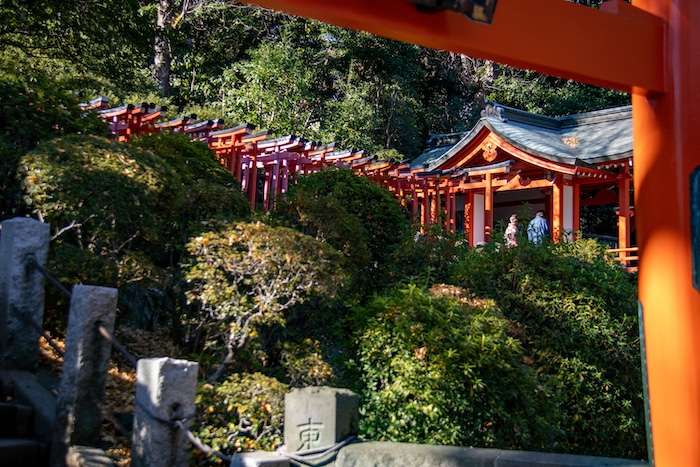
Nezu is one of those Tokyo neighborhoods that seems to exist slightly outside of time. Part of the Yanesen area (alongside Yanaka and Sendagi), into the northeastern corner of Bunkyo Ward, it has largely escaped large-scale redevelopment, preserving a streetscape of low-rise buildings, family-run shops, and narrow lanes where daily life still feels gently local.
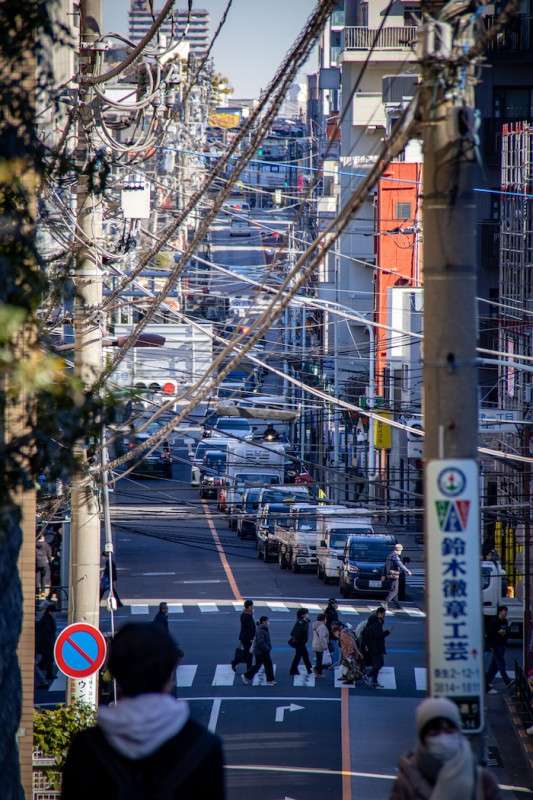
A Neighborhood Shaped by Memory
Nezu’s appeal lies in its quiet consistency. Once a town of artisans, merchants, and temple lands, the area retains a sense of lived-in history rarely found so close to central Tokyo. Wooden storefronts sit beside modest apartment buildings; shopkeepers greet regulars by name; the pace slows perceptibly once you leave the main roads. Cafés specializing in carefully prepared matcha or single-origin coffee draw a thoughtful crowd, while long-established eateries continue to serve dishes perfected over decades.
Food is one of Nezu’s most tangible expressions of continuity. At Edo Meidai Amon, unagi is prepared with a philosophy that balances quality, accessibility, and sustainability, reaffirming eel culture as something to be preserved rather than fossilized. Matsuyoshi, a yakitori and kamameshi (rice dish traditionally cooked in an iron pot) institution now run by its third generation, exemplifies how flavors are passed down as living practice. Even newer spots, such as Ramen Bar Yukikage, with its intimate counter and refined niboshi (small dried fish) broth, fit seamlessly into the neighborhood’s human scale.
Nezu Shrine: An Edo-Era Sanctuary
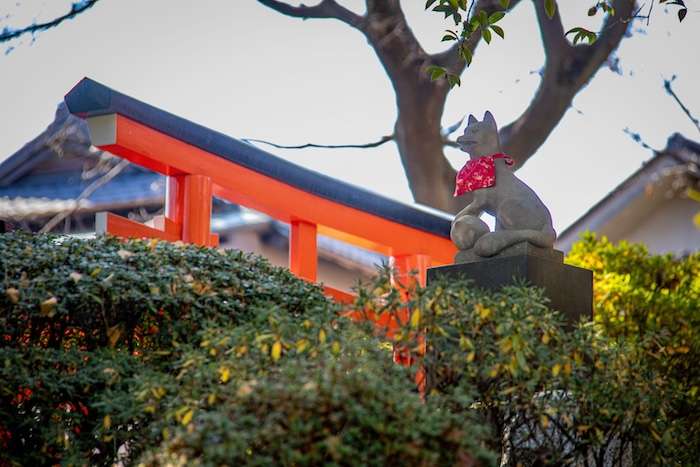
One of Tokyo’s most remarkable Shinto sites lies at the heart of Nezu. Founded nearly 1,900 years ago and relocated to its present location in 1705 by Tokugawa Tsunayoshi, Nezu Shrine rose to prominence during the Edo period as a guardian site for the Tokugawa family. Unlike many historical landmarks in Tokyo, it survived both the Great Kanto Earthquake of 1923 and the wartime firebombings, leaving its vermilion gates, shrine buildings, and winding paths largely intact.
Walking through its grounds today, particularly during the spring azalea festival, is to encounter an atmosphere that feels distinctly premodern. Stone lanterns, arched bridges, and tunnels of torii gates create a sense of layered time.
Everyday Flavors, Thoughtfully Made
Nezu rewards those who explore slowly. Nezu no Pan, a beloved local bakery, focuses on long fermentation, domestic wheat, and homemade yeast, producing breads that feel both rustic and carefully considered. Nearby, Akita-ya continues the tradition of classic wagashi, its seasonal sweets (especially the refreshing mizudaifuku) drawing loyal customers year after year.
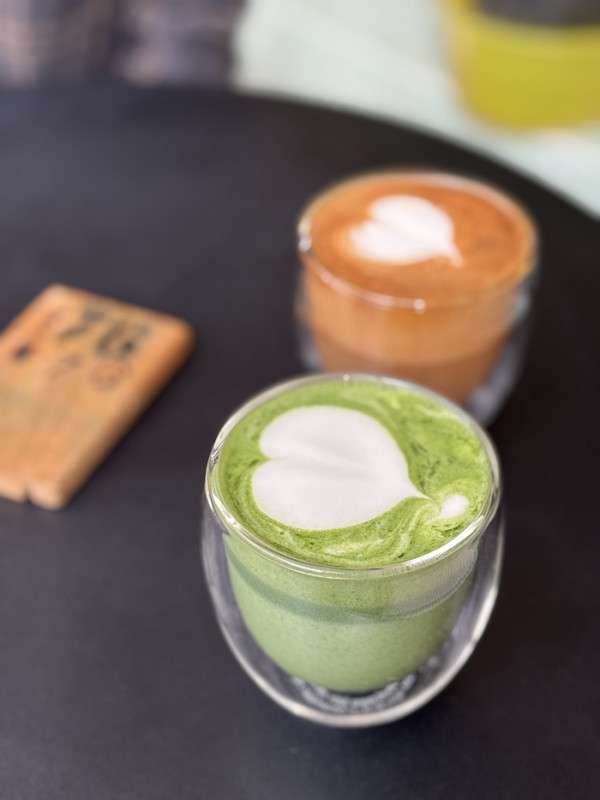
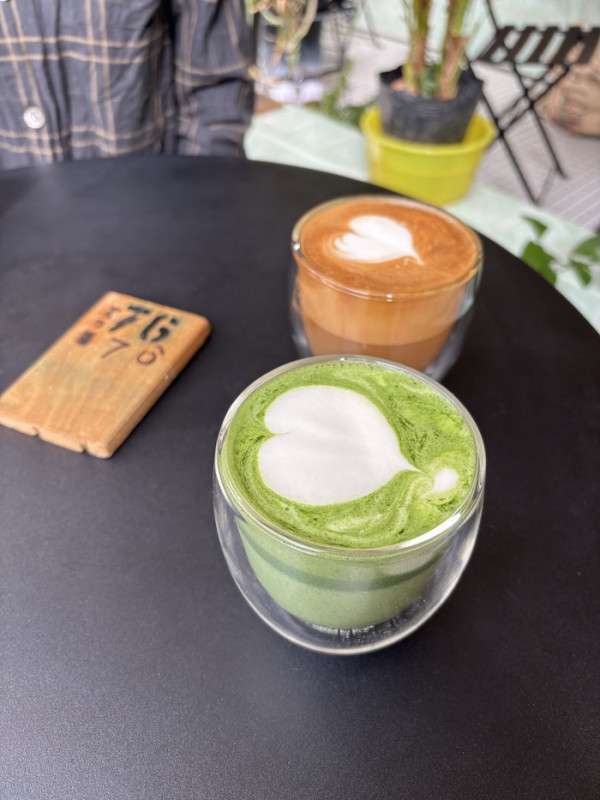
The neighborhood’s gentler rhythms also support places of pause. MATCHA & ESPRESSO MIYANO-YU, housed in a former sento (public bath) that once served as a community hub, has been reimagined as a café without erasing its past. Serving rare organic matcha from Shizuoka alongside espresso, it preserves the bathhouse’s role as a place of connection, now adapted for a different generation. Not far, Nezunoya, a vegan restaurant and natural food store rebuilt from an old storehouse, extends this ethos through organic ingredients, recycled materials, and a palpable respect for craft and sustainability.
You might also be interested in reading Indomitable Eats: A Guide to the Oldest Restaurants in Tokyo
Art, Ice Cream, and Daily Rituals
Cultural life in Nezu is understated but rich. The Yayoi Museum of Art offers rotating exhibitions focused on illustration and published art from the Meiji period through the postwar era, anchoring the neighborhood in a broader artistic lineage.
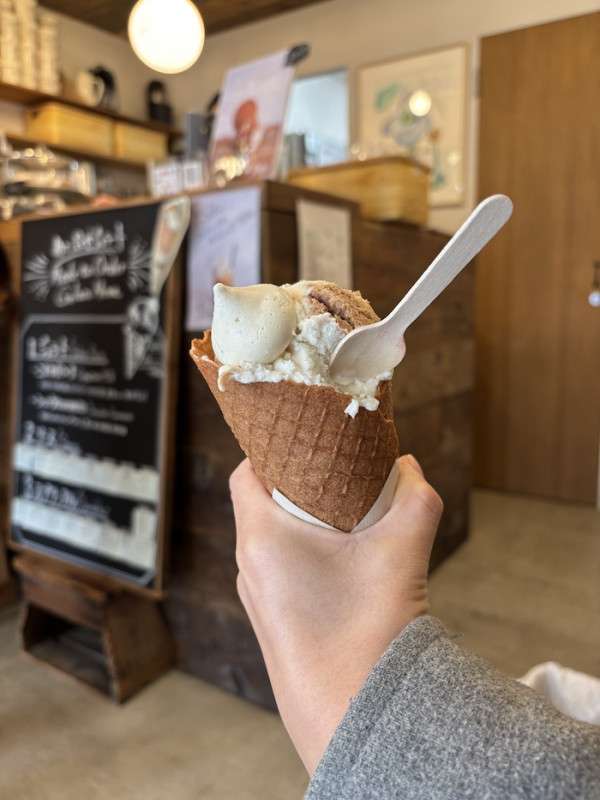
Around the corner, Nezu Taiyaki routinely sells out, its popularity driven not by trend but by consistency. Hayashiya Onigiri continues to serve simple rice balls with warmth and familiarity, while SLOW GELATO in Bulk adds a contemporary note with its made-to-order gelato, made by mixing milk or chocolate gelato with sauces like caramel or seasonal fruit, emphasizing texture, seasonality and natural flavor.
You might also enjoy our guide to Tokyo’s Weirdest Ice Creams
A Place That Resists Hurry

Nezu is a small neighborhood whose charm lies in its respect for tradition, in repetition, in the pleasure of returning to the same streets, the same flavors, the same quiet shrine paths. It values continuity without stagnation. For those willing to slow down, it reveals Tokyo at its most intimate and timeless.
AloJapan.com