
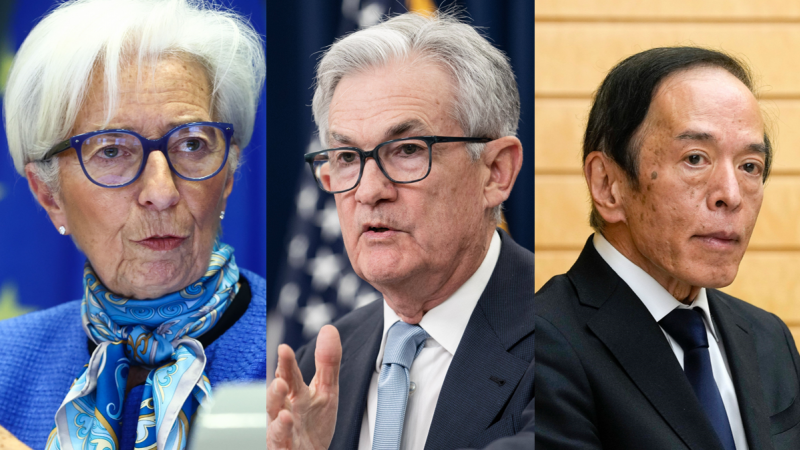
There has been quite a theme of consternation in Japan of late. It has crescendoed over the past week amid talk of imminent Bank of Japan intervention to secure a turnaround for the super-weak Japanese yen (JPY). The backstory here involves maintaining exceptionally low official rates. Last week, the Bank of Japan (BoJ) left the official rate unchanged at 0.75%. In prior weeks, though, the 30yr JGB yield almost touched 4%. The markets have clearly decided that the BoJ is lagging in its rate-hike game, and the weakness of JPY tells a similar story (a recent note here shows how this presents an opportunity).
The wider core rates environment is sitting up and paying attention to all of this – and for good reason. First, what’s happening in Japan represents a clear swing from the prior zero-rate environment to a more normal rates environment. We noted almost a year ago that rate pressure to the upside was a thing (it’s here). We also held out 2% as a viable neutral rate for the BoJ to aim for, eventually. The 10yr JGB yield shot above that level in the past few weeks, and remains on a medium-term journey higher. And why not? Japanese inflation is currently in the 2.5-3% territory.
Apart from the move away from deflation, there have been a few important landmarks along the way that point to upward pressure on Japanese rates. First, inflation has become a thing in most core markets, including the eurozone (the ECB is already at its neutral rate of 2%). Second, the BoJ ended its policy of yield curve control in March 2024 (although the market reaction was initially muted by ongoing BoJ support buying). Third, wide rate differentials with other core centres were clearly proving detrimental to the JPY, suggesting the differentials were too high (Japanese rates too low).
And, while not front and centre as an immediate issue, we can’t ignore the inconvenient truth of Japan’s mammoth debt/GDP ratio. While about half of Japanese Government Bonds (JGBs) are held by the official sector, and foreign ownership is low, there is still a massive debt obligation outstanding. This means two key outcomes. First, the classic low-rate funding currency of recent decades may still be with us, but now at much higher and rising funding rates. Second, this impacts US and eurozone rates from a relative-value perspective, pressuring them higher from below.
AloJapan.com