
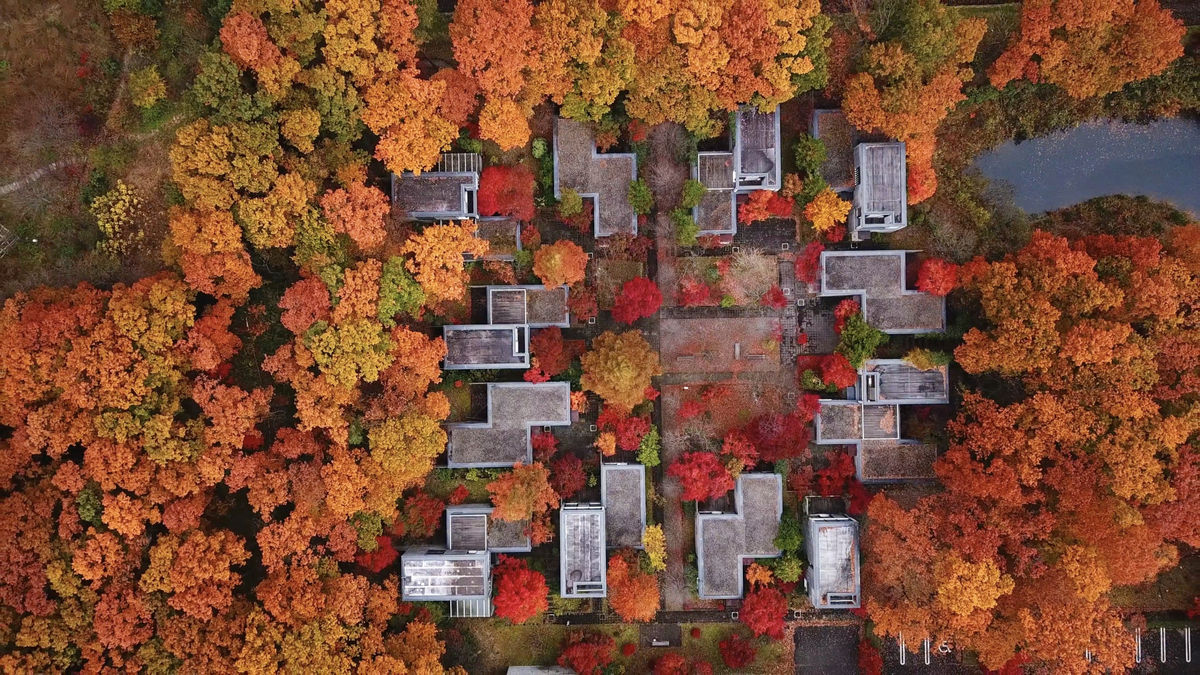
Launched in 1914, Hoshino Resorts is a family-owned Japanese hospitality brand now helmed by Yoshiharu Hoshino, who represents the fourth generation of his family to lead the portfolio.
It’s been more than 100 years since the legacy brand debuted with an onsen ryokan in Karuizawa, a mountain town near Nagano. Today, Mr. Hoshino remains as committed as his ancestors to offering culturally authentic and design-forward stays throughout Japan.
 Soaking in hot springs is a primary component of a stay at many Hoshino Resorts properties.
Credit: 2026 Hoshino Resorts
There are more than 70 properties under the Hoshino Resorts umbrella, and those are divided into smaller and more distinct brands. There’s Hoshinoya for ultra-luxury stays; family-friendly Risonare properties situated in countryside and mountainous locales; Kai hotels, which center on the onsen (Japanese hot spring) experience; Omo hotels in city centers, including Tokyo, Kyoto, Osaka and Yokohama; and the brand-new and national park-focused Lucy brand, which debuted last year with the seasonal Lucy Oze Hatomachi. The latter property gives guests incredible access to Oze National Park in the mountainous region of Honshu.
The portfolio has grown 74% since 2019, and Mr. Hoshino sees that growth (and the support it’s received) as a testament to the family’s vision and traveler loyalty. There are also a few resort locations in China, Taiwan, Hawaii, Bali and Guam. A pending (and first) location in the contiguous United States is set to debut in 2028; it will be a ryokan-style property in Sharon Springs, New York, and dips in natural mineral waters will be incorporated into stays.
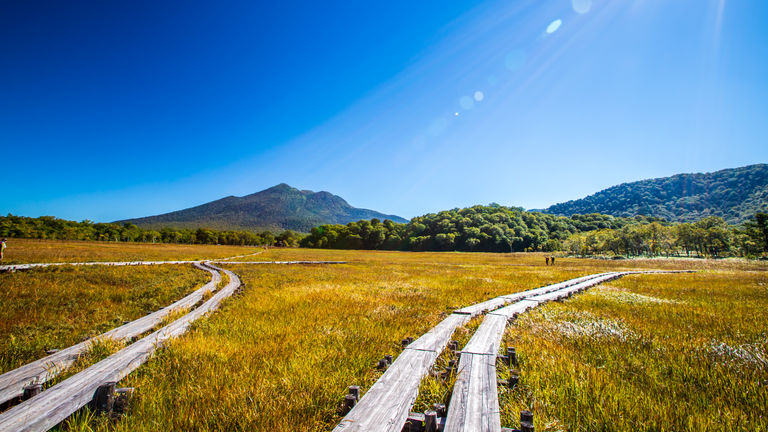 Oze National Park is among the lesser-known destinations in Japan that Hoshino Resorts highlights with its diverse portfolio of hotels.
Credit: 2026 Hoshino Resorts
In 2025, Japan welcomed more than 40 million international tourists; that number broke records, and it seems that demand will not wane this year. But discerning travel advisors will want to know how to plan Japan itineraries that go beyond the biggest and most-known cities — namely Tokyo, Kyoto and Osaka — which can be incredibly crowded.
“We are very strong in cultural tourism, but the problem is that 80% of all inbound visitors go to only five prefectures — and we have a total of 47 prefectures,” Mr. Hoshino said.
To help balance that demand, Hoshino Resorts aims to highlight local history, culture, art and cuisine in enchanting but lesser-known locales. Here are a few of Mr. Hoshino’s personal thoughts and suggestions, to get advisors inspired.
Ideas for Snowbirds and Nature Enthusiasts
Now in his 60s, Mr. Hoshino skis 80 days a year or more, so he’s particularly in tune with Hoshino Resorts properties that give access to Japan’s incredible slopes. Hakuba, a beloved ski region in Nagano, is home to Kai Alps, which Yoshiharu says is the only traditional Japanese hot spring hotel in the area. Then, in Hokkaido, the large city of Asahikawa is a great home base for skiers, as it is surrounded by numerous resorts easily accessed from the city. Hoshino Resorts has Omo7 Asahikawa here — it even offers a wax bar for snowboards and skis, and shuttles to the slopes.
“During January and February, 80% of the customers [at Omo7] are foreigners,” Mr. Hoshino said. “They’re from Australia and the U.S., and the snowbirds are looking for powder snow. They’re not there for terrain; they want backcountry powder snow and untouched areas.”
 A quadruple room at the new Lucy Oze Hatomachi
Credit: 2026 Hoshino Resorts
Relatedly, the new Lucy brand was specifically designed to get travelers into the mountains — and more are on the horizon.
“We recommended to the Japanese government [that they] promote nature tourism,” Mr. Hoshino said. “We have 35 national parks, so these mountain hotels will become very important. If we can make them more attractive to foreigners, they may come to Tokyo, yes, but then we can spread them out to other lesser-known areas in Japan.”
RELATED: How to Plan Teen-Friendly Travel in Japan
Mr. Hoshino says there are numerous old and rudimentary mountain lodges in Japan, initially designed for climbers and backpackers. He has set his sights on upgrading some, in order to make them viable options for the modern traveler who prefers more comfort.
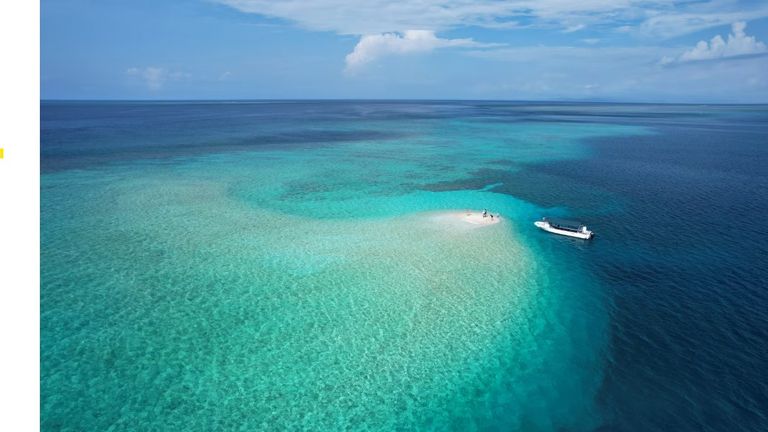 Iriomote Hotel is set on the remote Iriomote Island, where both sea and land adventures await.
Credit: 2026 Hoshino Resorts
Another one-of-a-kind offering for nature enthusiasts? Iriomote Hotel, set on the remote and wild Iriomote Island in Okinawa prefecture. Many eco-tours are available through the hotel, most of which highlight the natural diversity in surrounding mangrove, jungle and ocean habitats. Options include kayaking, waterfall hikes, firefly-viewing excursions and snorkeling adventures.
Hotels for Art and Culture
A short flight from Tokyo delivers travelers to Kai Yufuin, a hotel set on terraced rice fields in Oika prefecture with Mount Yufu nearby. At this hot spring ryokan, guests might spend days enjoying healing waters and traditional dining that reflects the season. Then, there’s the option to participate in straw braiding lessons; the handicraft has been performed by generations of local farmers, who would braid ropes with straw left over from their rice harvest. The region also has a long ceramics history, with many ceramicists carrying the torch to this day, so pottery classes are an ideal itinerary addition.
 The family-friendly Risonare Nasu offers different hands-on activities that highlight local rice-farming practices.
Credit: 2026 Hoshino Resorts
Ninety minutes north of Tokyo, advisors might look to Risonare Nasu for an agritourism experience. Clients can take part in hands-on rice growing lessons, which Mr. Hoshino says are great for children. Other kid-centric offerings onsite include a “forest creation lab,” where participants can build and carve their own keepsakes using wood, nuts and real tools.
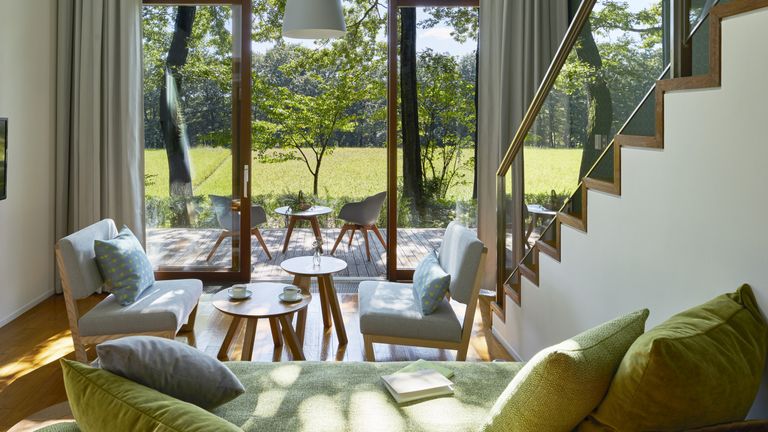 A Deluxe Maisonette Quad room at Risonare Nasu
Credit: 2026 Hoshino Resorts
Another destination Mr. Hoshino thinks advisors should know about is Kanazawa, set in Ishikawa prefecture and accessible via bullet train from Tokyo.
RELATED: Where to Eat, Sleep and Play in Kanazawa, Japan
“This is a very historical city, with many cultural activities,” Mr. Hoshino said. “Right now, the main [visitors to] Kanazawa are Japanese people coming from Tokyo. But I think it would be very attractive to foreigners.”
Kanazawa is home to Kenrokuen, one of Japan’s most beloved gardens, and a dense culinary scene. Hoshino Resorts offers Omo5 Kanazawa Katamachi as a place to stay — right in the heart of the city’s foodie center and a short walk from the aforementioned garden.
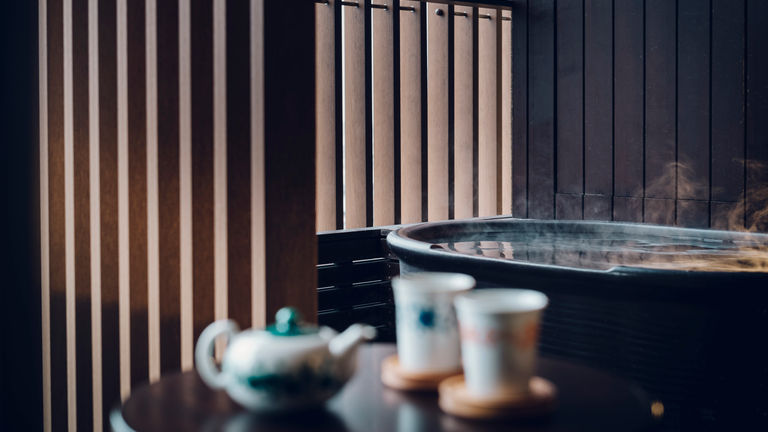 A guestroom at Kai Kaga
Credit: 2026 Hoshino Resorts
From Kanazawa, Mr. Hoshino suggests traveling one hour by local train to the province of Kaga, which has a centuries-old pottery culture. Kai Kaga makes for a great home base; it’s set in a historic onsen area, in a building that’s more than 150 years old. To protect that structure, Hoshino Resorts developed hotel rooms right behind it, and uses the original space as a public area and check-in and check-out space.
Nearby, clients can observe the region’s famous Kutaniyaki pottery — which is characterized by its brighter colors — on display, or find a hands-on experience to try.
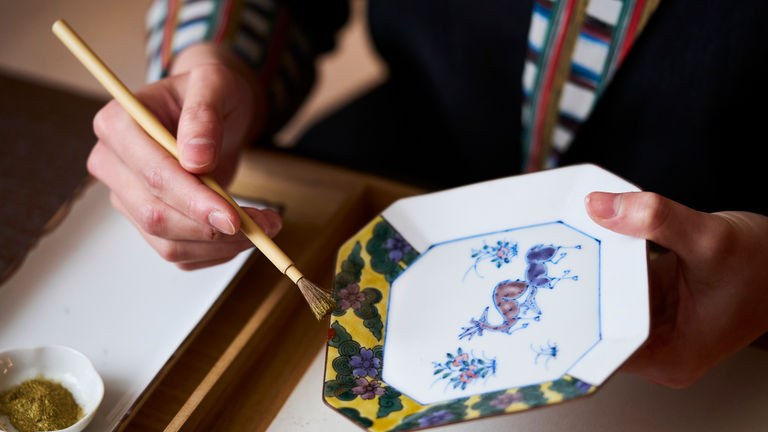 At Kai Kaga hotel, guests can participate in traditional kintsugi, a pottery mending practice.
Credit: 2026 Hoshino Resorts
Guests at Kai Kaga can try their hand at kintsugi, the Japanese art of mending broken pottery using lacquer and gold. It’s a multi-step process, and materials often need to dry overnight or longer. Guests won’t walk away with a dish, but there’s something special about participating in a collaborative process — with teammates clients probably won’t ever meet.
“We use the finished, or repaired, dishes in our restaurant,” Mr. Hoshino said. “And we are the first hotel to introduce this activity.”
Hoshino Resorts and the Ikon Pass
Hoshino Resorts also oversees the operations of two world-class mountain resorts that are now part of the Ikon Pass, a premium annual ski and snowboard season pass that includes access to more than 50 mountain destinations worldwide. For clients who are passholders looking to hit the slopes in Japan, check out Mt. T in Gunma prefecture (two hours from Tokyo) and Nekoma Mountain in Fukihima prefecture (three hours from Tokyo).
AloJapan.com